1. Quick links
2. Editor's picks
3. Laptop deals
4. Guitar deals
5. Software deals
6. Mic deals
7. Keys deals
8. Studio monitors
9. Interface deals
10. Headphones/IEM deals
11. Drum deals
12. Black Friday FAQ
Black Friday 2023 itself has been and gone, but don't panic! This year most of the big sales are rolling through the weekend, before a slew of new bargains hit the market on Sunday night - definitely stay tuned to our Cyber Monday music deals hub for the best of those. In the meantime, this is your page to find the very best offers that are still out there, hand-selected by our experts.
Still running, for example, is the official massive Sweetwater Black Friday sale where there's the promise of up to 75% off a huge range of gear - this level of discount is unmatched anywhere else. The Guitar Center Black Friday sale is also still in full swing with up to 40% off, from guitars to audio interfaces. And the Waves official Black Friday sale rumbles on, where you can take advantage of their biggest savings of the year, bag multi-buy discounts (3 for $49.99) and even pocket a free plugin.
We've been tracking and covering Black Friday deals for many years and we know the best places to shop and which deals represent genuine value for money for music makers. We've also been keeping tabs on how prices have changed over the years so we can tell the good offers from the too good to be true ones.
You can check out our favourite current still-live deals below, or click the menu above for all the latest advice on how to shop Black Friday music deals like a pro.
Whether you're a guitarist, producer, DJ, drummer, or podcaster, we can say with authority that this is the time to invest in your rig.
Black Friday music deals: Quick links
Below you'll find all the latest early and official Black Friday music deals:
- Amazon: Shop all BF instrument deals
- Antares: Get 50% off Auto-Tune
- Cable Guys: ShaperBox down to just $89
- Fender Play: 50% off a one-year sub
- Fender store: Up to 50% off guitar deals
- Guitar Center: Epic 40% off savings
- IK Multimedia: Total Studio 4 Max deal
- Loopmasters: Huge 50% off BF deals
- Musician's Friend: Up to 50% off for BF
- Plugin Boutique: Shop UAD, Sonnox, more
- Positive Grid: 70% off Spark, 60% off BIAS
- Reverb: Shop the official Black Friday sale
- Sweetwater: Massive up to 75% off sale
- Waves: Get 3 plugins for just $49.99
- Andertons: Fender & PRS bargains
- Antares: Get 50% off Auto-Tune
- Cable Guys: ShaperBox down to just $89
- Fender Play: 50% off a one-year sub
- Gear4Music: Guitars, keys, drums, slashed
- IK Multimedia: Total Studio 4 Max deal
- Loopmasters: Huge 50% off BF deals
- Plugin Boutique: UAD, Sonnox & more
- Positive Grid: 70% off Spark, 60% off BIAS
- PMT: Save £££ on big name music brands
- Reverb: Shop the official Black Friday sale
- Thomann: Massive 60% off Cyberweek sale
- Waves: Get 3 plugins for just $49.99
Black Friday music deals: Editor's picks
The Black Friday music deals are here! These are the offers we rate right now:

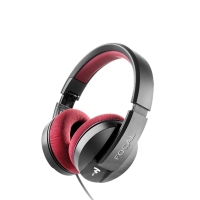
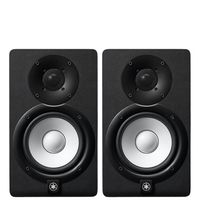
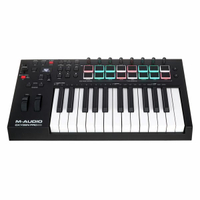
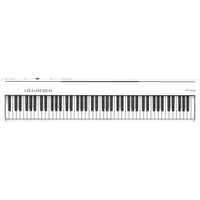
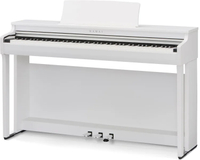
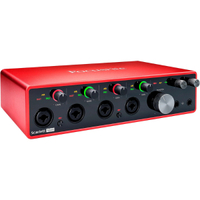
Laptop deals



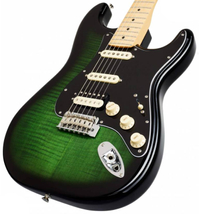
Guitar deals
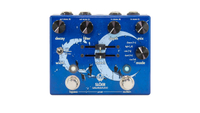
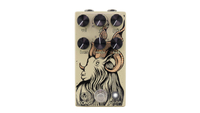
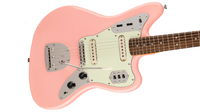
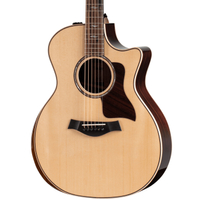
Software deals


Mic deals
Keys deals
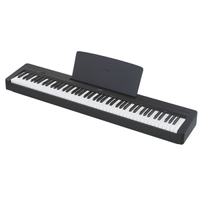
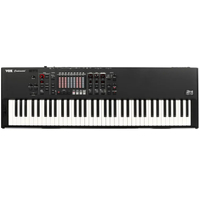
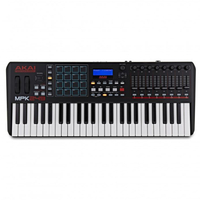
Studio monitors
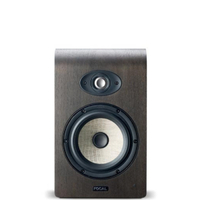
Interface deals
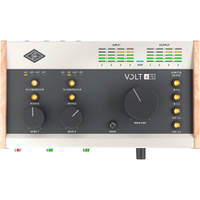
Headphones deals
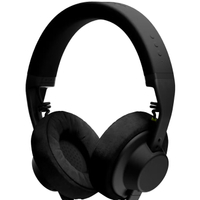
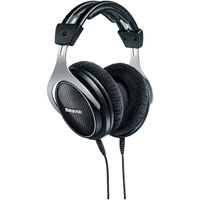
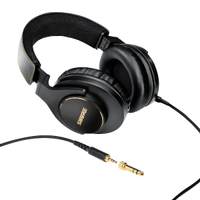
Drum deals
Black Friday music deals FAQ

When do the Black Friday music deals start?
For 2023, the Black Friday music deals will officially arrive on Friday, November 24 - the day after Thanksgiving and less than a month before Christmas Day, making it the ideal event to pick up Christmas pressies for the music makers in your life (we have more options in our guide to the best Christmas gifts for musicians), or to finally land that new piece of kit you've been lusting after all year.
As usual, the deals will extend across that weekend (also know as Cyber Weekend), before finishing with a final flurry of Cyber Monday music deals on Monday 27 November.
Previous experience tells us that the deals won't be isolated to this concentrated four day period. Many of the best Black Friday music deals will emerge in the weeks leading up to the big day; in the past we've seen amazing deals as early as mid-October. What's more, many deals stick around well after the event and into December.
Deals are launched at all sorts of random times - sometimes in the middle of the night - so savvy shoppers will need to keep a close eye on their favourite retailers to ensure they grab the bargains they're after. Some Black Friday music deals may stick around for the whole of Cyber Weekend, while others may only be live for a matter of hours, or could be stock-limited. So, if you're looking for a bargain, you need to be ready to pull the trigger.
What deals should I expect?
MusicRadar's got your back Our team of expert musicians and producers spends hours testing products to help you choose the best music-making gear for you. Find out more about how we test.
There are definitely some key retailers to watch in the lead up to Black Friday and we’ll be keeping a close eye on them throughout October and November. Based on last year's evidence, the Guitar Center Black Friday deals, Sweetwater Black Friday sales, and Musician's Friend Black Friday deals will be the ones to watch - these sites are particularly good for savings on guitar gear, electronic drums and home studio equipment.
When it comes to laptops for music production, this time of year is a great opportunity to pick up a Black Friday laptop deal for the home studio. Last year we spotted discounts on Apple M1 and M2 MacBook Pro and Air laptops - mostly at Amazon - plus significant money off Dell laptops and older but still well-specced MacBooks. We're confident this year will be the ideal time to grab a chunky discount on your next laptop.
If you're a sucker for software, we're excited to see what the likes of Waves Audio and Plugin Boutique deliver across the event. You'll want to keep a close eye on our Black Friday plugin deals page for the very best offers this year. We'd recommend making a beeline for price cuts on software bundles - these are a great value way to pick up a whole raft of essential production tools for just a few dollars each.
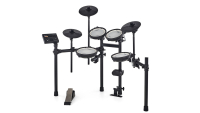
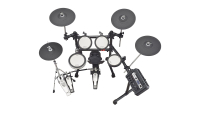
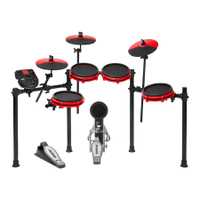
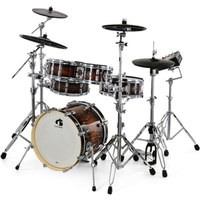
For drummers itching to pick up a great electronic drum set, we’re looking forward to seeing price-slashing on some of the year's most popular models, including Roland's TD-07 range and the new TD-02 series. Yamaha deals were thin on the ground last year, so it would be a welcome surprise to see money off Yamaha's formidable DTX series drums. The Alesis Nitro Mesh e-kit has been a big winner when it comes to Black Friday drum deals, with the beginner electronic drum set seeing sizeable discounts, as well as ace bundle packages available over the last couple of years.
The Black Friday music deals aren't all about individual product discounts, either. Some retailers prefer to offer discounts overall on a range of product categories. Usually this comes in the form of a code that you enter at checkout to redeem your discount.
To give you an example, last year Sweetwater was offering up to 70% off a range of guitars, drums, recording gear, software, headphones and so much more from the big brands. Elsewhere, Guitar Center and Musician's Friend were both offering 15% off select products.
This is a great way to shop and can end up saving you more when you have multiple items you're looking to purchase.
Great deals come in all shapes and sizes. There are the main types to look out for:
- Single item - A single product with a great discount
- Site-wide discounts - A single discount percentage on a large range of products across a site
- Discount codes - Load your basket to a certain value and redeem a discount code for money off your basket contents
- Added value deals - These include multi-buy discounts, or additional products or software for free when you buy certain items
Are Black Friday deals worth it?
On the whole our experience of covering deals year-round tells us that Black Friday is the best time of year to find genuinely good offers on the top brands, the best gear and the widest range of offers. It's a very lucrative time for the big online retailers, so they save their best deals for this time of year.
We only cover deals that we know are decent and represent the best prices of the year, so if you're drowning in options and don't know which offers are genuinely worth your hard-earned cash, if we've not covered it on MusicRadar then it's probably a hard pass.
Can I get free stuff on Black Friday?
If you know where to look, the answer is yes! Freebies mostly come in the form of music software, with many sites offering a free plugin to celebrate Black Friday and as a way to tempt you onto their sites. So, you could feasibly take advantage of the Black Friday hysteria without spending a thing.
Waves is a sure bet when it comes to free stuff and last year they gave customers the Lil Tube Saturator plugin completely free. Usually all you have to do is provide them with an email address to get your freebie.
In the past we've also seen offers where you buy a product and get something free bundled in, for example free online lessons when you purchase a drum kit, or free strings and a cable with a new electric guitar.
So, Black Friday isn't just about saving money, it's about adding value to your purchase too.
Do bricks and mortar shops have Black Friday sales?
Oh yes! Of course, the convenience and speed of online shopping means that often the best place to pick up deals is by heading to your favourite retailer's website, but you will find great deals in physical stores too. Basically, everyone gets involved in Black Friday price cutting.
Buying in a physical store is particularly beneficial if you want to test a piece of gear before you buy - recommended when you're planning on spending a serious amount of cash.
Whether you buy online or in-store, you should always check the refund policy of the place you're shopping. This will give you extra peace of mind if you're making a big purchase, or something more impulsive that you may wish to return down the line.
Black Friday music deals: Shopping tips

Got your eye on a few things and wondering whether Black Friday is the time to buy? Here's a few tips from our personal experience that will ensure you're ready to strike if the gear you want is up for grabs:
1. Create a wishlist early - The most sensible way to take advantage of this year's Black Friday music deals is to know in advance what you’re looking for. This will make searching much easier, rather than having to trawl through loads of deals you don’t want to find the ones you do, or pondering things you don't need. To help you create your dream shopping list, take the time to explore our expert and up-to-date buying guides and reviews.
2. Work out what you actually need - Check out your favourite brands, see what you need and will genuinely use - don’t waste your cash and fill your basket with stuff that will never truly see any action.
3. Consider your music goals - What do you want to achieve with your music over the next 12 months or so? Do you want to gig more? Learn a new instrument? Or finally record your songs? Now could be the time to invest in gear that helps you fulfil your musical aspirations.
4. Streamline your current gear - Something else you should consider ahead of time is whether you have enough space in your collection for new gear. Could you offload some gear you don't use to make room and generate funds for some new gear?
5. Sign up to mailing lists - In addition to bookmarking this page, we'd recommend signing up to mailing lists of your favourite retailers now to get the jump on the best deals when they do come around.
What else can I buy on Black Friday?
That's a pretty huge question. It would be far easier to list the things you can't buy on Black Friday. You’ll find loads of bargains on great tech like noise-cancelling headphones, iPads and Amazon Echos – and you can even pick up groceries, pet food and dishwasher tablets – but it’s the Black Friday music deals we’ll be looking out for.
How we choose which deals to cover
Here at MusicRadar, we are experts in our field, with many years of playing and product testing between us. We live and breathe everything music-making, and we draw on this knowledge and experience of using products in live, recording and rehearsal scenarios when selecting the products we recommend.
First and foremost, we are players and creators, and we want to match like-minded folk with the right products for them, at the best prices.
For us to recommend a deal on music gear it has to be a product we rate that’s a genuinely great price or part of a truly fantastic bundle. It’s also important that we only recommend retailers where you will have a positive shopping experience.
Why you can trust our choices
We spend a lot of our time scouring music retailers for fantastic deals on our favorite music gear. Not only is it our job to research and recommend the best gear in our buyer’s guides and reviews, but we’re also dedicated to helping musicians get the best deals on the stuff they need, too. After all, the only thing better than new gear day is a hearty discount.
We cover a lot of the big sales events throughout the year, including Memorial Day, 4th of July sales and Amazon Prime Day, and we have a good view on which products are likely to receive the biggest discounts and when, the prices they’ve been in the past and which deals are genuinely worth a look.
Last year's highlights