Back in the noughties, such was the impact of the so-called ‘loudness was’ that they weren’t just something that music technology nerds talked about - consumers were noticing their impact, too.
Perhaps the biggest battle was fought over Metallica’s 2008 album Death Magnetic, which had been pushed so hard that fans complained of audible clipping when they listened to it.
There was a further twist when it emerged that the version of the album that was used in the Guitar Hero video game didn’t make the same dynamic range sacrifices and, to many people’s ears, sounded better.
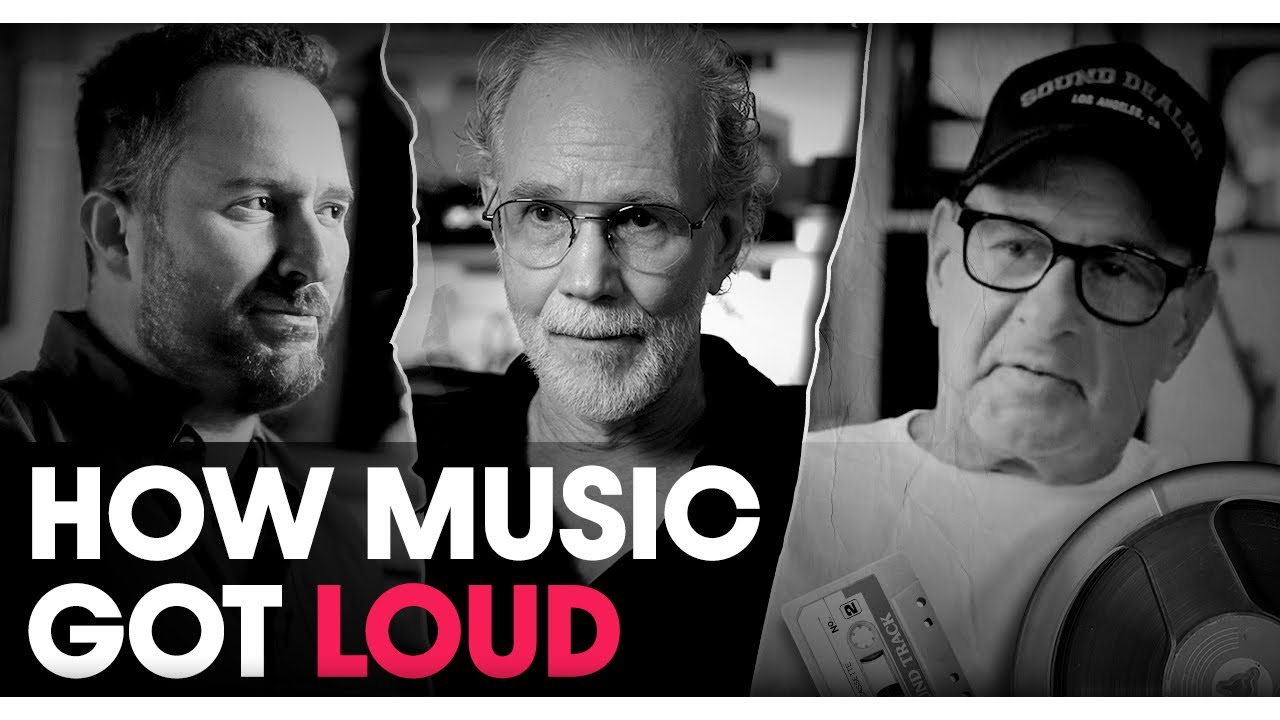
But the loudness wars had been raging for many years prior to that, and in a new documentary, various key figures has been reflecting on them and what they meant for the music industry as a whole.
How Music Got Loud: The Untold Story of the Loudness Wars is produced by Waves, the plugin developer that helped to power the loudness boom. Speaking in the documentary, engineer Howie Weinberg - the man behind the mastering of Nirvana’s Nevermind and Red Hot Chili Peppers’ Blood Sugar Sex Magik, among many others - describes the release of the Waves L1 Limiter in 1994 as “the moment that everything kind of changed.” This was followed by the L2, which landed in 2000.
The average level of new albums started to go up, with engineers trading dynamics for loudness in a bid to outdo each other. “You either had L1 and L2 and you were able to get a loud mix, or you didn’t, and you were an amateur,” says Jesse Ray Ernster, who’s worked with the likes of Kanye West, Burna Boy and Doja Cat.
“It made the music sound like what I was hearing on the radio,” says Billie EIlish and SZA mastering engineer Dale Becker, while Waves CTO and co-founder Meir Shashoua remembers that he was accused of ruining music. “What can I say - it’s a tool, use it however you wish,” is his defence.
While it’s generally accepted that the music of today sounds different to what was being released at the peak of the loudness wars, opinion is split on whether they’re truly over. “People are still trying to constantly gain people’s attention,” argues Dale Becker, but he also suggests that things have improved.
“There’s kind of a sweet spot where we’re in now… people feel like they can hear the groove, they can feel the groove,” he says. “They can dance to the groove. They can hear the nuance.”
Others, though, say that attempts by the big streaming services to standardise loudness levels have only been partially successful.
“Spotify and Apple Music, they level out your songs and they claim that the loudness wars are over,” says Jesse Ray Ernster. “But as a mixer, I am always at war with the volume of the reference mix that I received to mix. That war will never be over.”
You can watch the documentary - which also features mastering legend Bob Katz and engineers Gavin Lurssen & Reuben Cohen - above.