


When singer Ian McCulloch talked about the creation of his band’s most famous song, he claimed it was “already written in the stars” before they put it together.
That song, The Killing Moon, was released in January 1984 as the lead single from Echo & The Bunnymen’s fourth album, Ocean Rain.
The song was written by all four band members – McCulloch, guitarist Will Sergeant, bassist Les Pattinson and drummer Pete De Freitas – and recorded during the album sessions in December ’83 at Crescent Studio in Bath and at Amazon Studios in their hometown of Liverpool.
This ethereal five minute anthem would help establish Echo & The Bunnymen as one of the most important bands of their era, mixing elements of psychedelia and shoegaze into other punk and new wave influences to create their own style of dream pop.
Ian McCulloch boasted to The Observer in 2003: “When I sing The Killing Moon, I know there isn’t a band in the world who’s got a song anywhere near that.”
McCulloch has also spoken at length about his abstruse relationship with the music.
“I just sat bolt upright in bed with this line in my head,” he once explained, referring to his lyrics during the chorus sections: “Fate up against your will, through the thick and thin, he will wait until you give yourself to him.”
He added: “You don’t dream things like that and remember them. That’s why I’ve always half credited the lyric to God.”
McCulloch said that when the lyric came to him he reached for his guitar and started experimenting with the chords to David Bowie’s Space Oddity.
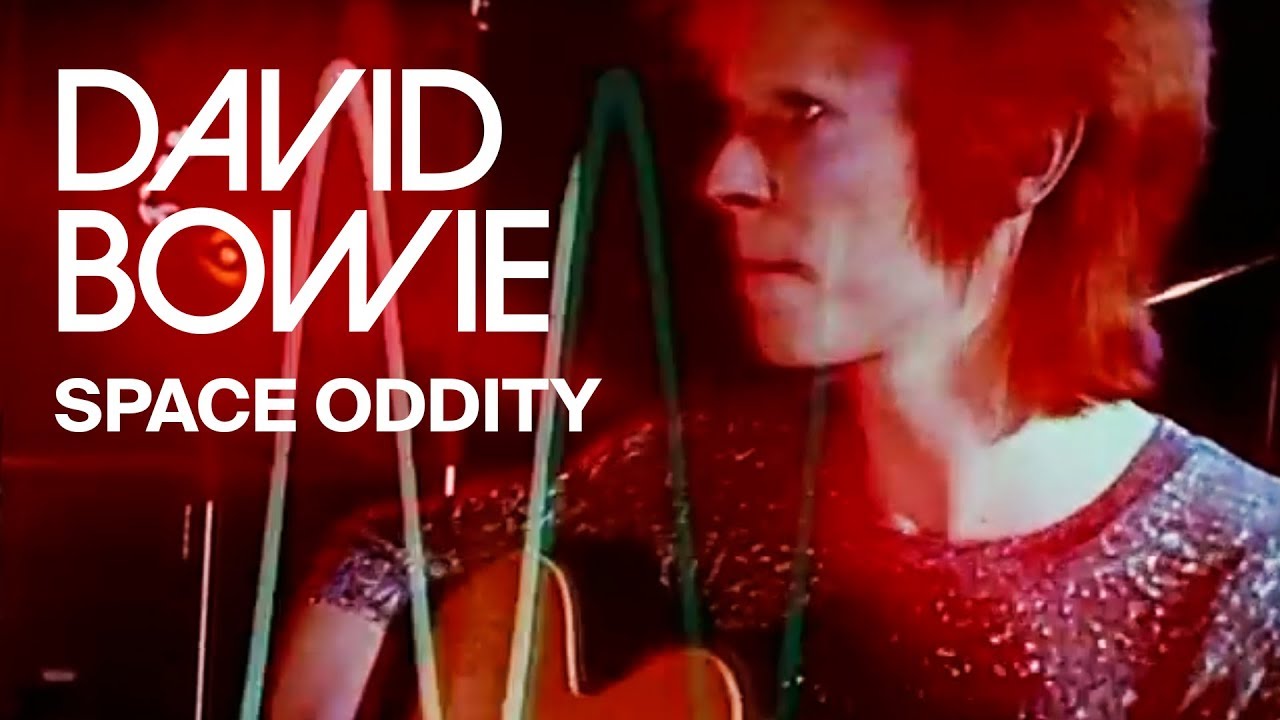
He reversed the order of some of the shapes and found something that felt brilliantly unique and yet hauntingly familiar. “By the time I’d finished,” he said, “it sounded nothing like Space Oddity.”
In a 2015 interview with The Guardian, the singer referred to the song ending up being a “psalm” that was “almost hymnal”.
“It’s about everything,” he explained. “From birth to death to eternity and God – whatever that is – and the eternal battle between fate and the human will. It contains the answer to the meaning of life. It’s my ‘to be or not to be.’”
Guitarist Will Sergeant said that in this early period Echo & The Bunnymen’s biggest influences were Bowie, Television, The Velvet Underground, Roxy Music, David Bowie, T. Rex and Dr. Feelgood.
Sergeant used a Vox Mark XII Teardrop electric 12-string guitar for the song’s intro and mid-section, though instead of being plugged in the instrument was mic’d up and recorded acoustically.
However, the guitarist prefers to use a copy made by Phantom Guitar Works for live performances, citing it as “a much better guitar” because “every time I did that dive bomb on the track, I had to retune”.
A Rickenbacker 12-string was also hired for the outro part, fed through either a Fender Twin Reverb or a Fender Dual Showman.
“We did The Killing Moon in Bath, in Crescent Studios,” Sergeant recalled. “The solo is just my Vox 12-string mic’d up; it’s not even through the amp. On the choruses I used an Autoharp with a reverse reverb, which is a groovy little technique that we used a lot.”
He continued: “We were also trying to emulate the pizzicato violins in an orchestra, and we’d stay up all hours with [orchestral arranger] Adam Peters working out little bits.”

In 2025, Sergeant told Guitar World how some of the song’s most iconic parts came down to pure chance and luck.
“The intro, which is something people often remark on, was just something I did without thinking before we recorded the track,” he revealed. “We went for a curry, and [producer] David Lord, who was putting the mix together, spotted that run and put it at the start of the song.”
As for the more exotic sounds heard on the track, some of the inspiration came Pattinson and Sergeant holidaying in Russia, where a band were playing balalaikas in a hotel foyer.
The Killing Moon peaked at No 9 in the UK singles chart and has also been used in a number of movies including 1997 black comedy Grosse Point Blank, 2001 psychological thriller Donnie Darko and 2004 rom-com The Girl Next Door.
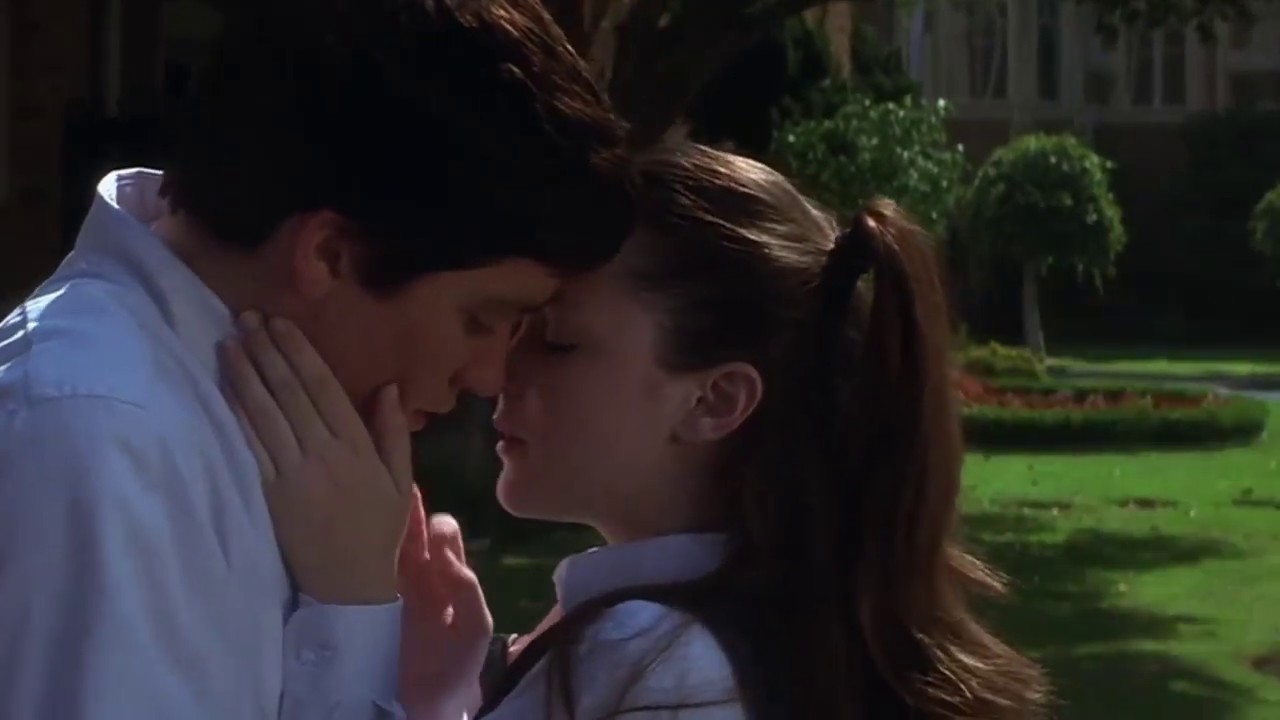
The song has also been covered by artists such as Pavement, Chvrches and Thea Gilmore.
Looking back on its success, Ian McCulloch stated: “I’ve been on the moon that is The Killing Moon. No one else has really been on that moon because I sing it as I wrote it.”
He continued enigmatically: “It’s my moon now. Not the one up in the sky, but The Killing Moon is my moon – I know everything about it. I feel it from day to day, but it changes all the time.”
