Given that one plays guitar and the other piano, Mark Knopfler and Bruce Hornsby might not seem like the most obvious musical “kindred spirits”, but Hornsby says that he’s always felt a stylistic connection to the Dire Straits frontman, and one of his songs in particular.
The revelation came during an episode of the popular Track Star YouTube show, in which musicians and celebrities are played songs in their headphones and asked to name the artist.
In Hornsby’s case, one of those songs was Dire Straits’ Sultans of Swing, which he not only quickly identified, but also compared to his own signature hit.
“I love Dire Straits,” he began. “I guess I've often cited that in the sense that, on Sultans Of Swing, Mark Knopfler – who's one of the great guitarists, with his own style – he's soloing kind of all through the record. And that's what I did, too, on [The] Way It Is.”
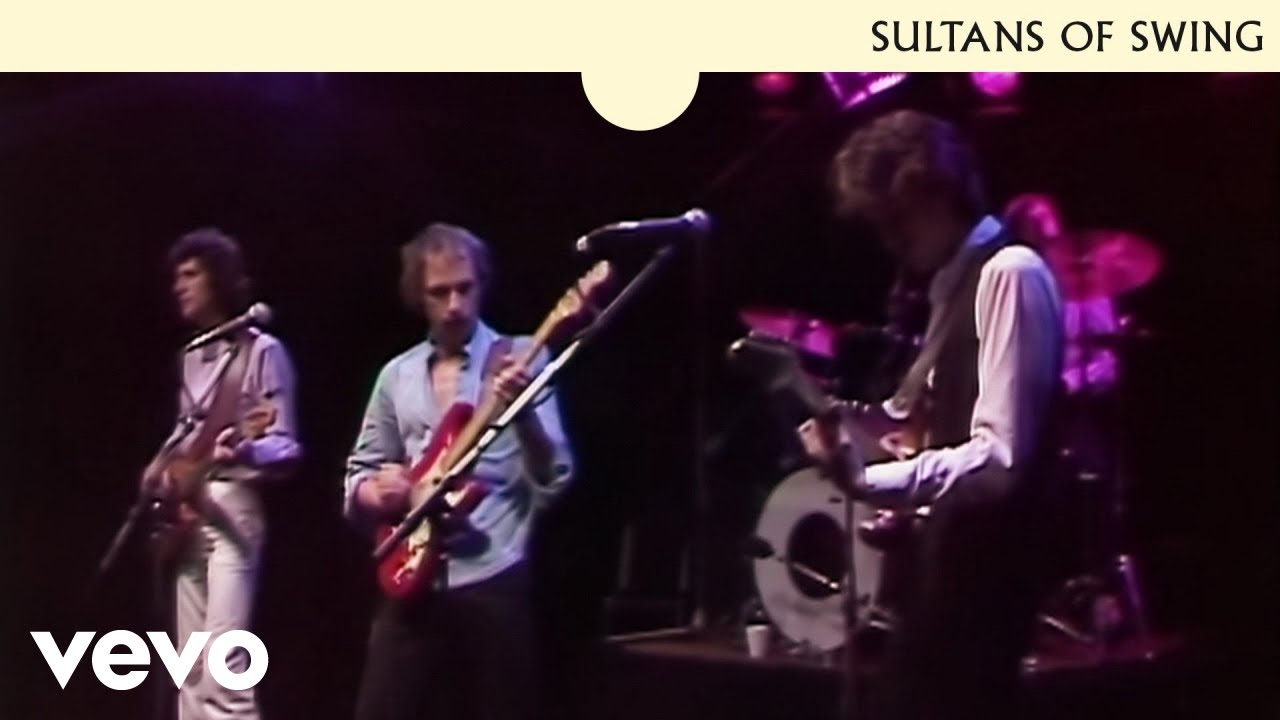
Recorded with his band, The Range, The Way It Is was Hornsby’s biggest hit by far, and reached No 1 on the US Billboard Hot 100 in 1986. It was unusual, though, in the sense that it leaned as heavily on his piano playing as it did his vocals – just like Knopfler on Sultans Of Swing, except with a guitar instead of a piano.
“I soloed in the middle, soloed at the end,” says Hornsby. “So I call them sort of stylistic kindred spirits on pop radio, because pop radio was never about improvisation at all.”
That’s as maybe, but The Way It Is continues to be a pop radio favourite, and has been interpolated on several hits since. Of these, Hornsby says that his favourite is Tupac Shakur’s Changes, which was recorded in 1992 and released in 1998, two years after his death.
“About a year after he'd [Tupac] been assassinated, out of the blue, I got a cassette in the mail of this song. They found it in his posthumous files. They send it to me, mostly to start the negotiations about publishing splits. And then a year and a half later it came out.”