


American recording engineer and producer Jimmy Douglass has enjoyed an illustrious career spanning more than five decades.
Known as “The Senator,” he began as a tape duplicator at Atlantic Records in the early ‘70s before working his way into the studio and mastering a 16-channel desk while honing his skills under the guidance of legendary engineers such as Tom Dowd and Jerry Wexler.
Over the years, Douglass has worked with an extraordinary range of artists, from icons such as Aretha Franklin and The Rolling Stones to Genesis, Roxy Music, AC/DC and Hall & Oates. Credited with bringing a heavy funk bass sound to rock music, in the ‘90s he pivoted to contemporary R&B and hip-hop, working on projects with Missy Elliott, Justin Timberlake, Ginuwine and Jay-Z.
Renowned for his innovative techniques and ability to transcend genre boundaries, Douglass has undoubtedly played a central role in shaping the sound of modern music. His long-standing collaboration with Timbaland and multiple Grammy Awards highlight his lasting influence, while in recent years he’s remained an active force in the industry, focusing on modern digital mixing and immersive audio formats.
Fresh out of high school, you started working at Atlantic Records. How did that opportunity come about?
“I lived in a town in the suburbs of New York City called Kings Point, Great Neck Long Island. Jerry Wexler lived there, and although I didn't know him, I met his daughter at high school and through that channel the family decided, hey, the kid's gonna need some money for college, give him a job!
“Originally, the job Jerry gave me was at the distributor warehouse in Long Island City. People would order the records and I’d go around with a cart. I didn't even know what the records were, but I knew they must be hot. I’d played in bands before that - I was a producer without knowing the title because I'd be the guy telling everybody what to do.”
Was tape duplication your first studio-related role?
“Tape copy was my job and I was at Atlantic when it was one building with two floors and everybody in the same space. I was tape copying in one of the offices up front and at the back there was a studio. I’d come in after school after most people had left, but didn’t realise that there was all this action happening because I’d never seen a studio before.
“The first time I did see one of the studios, Cream were cutting the album Disraeli Gears. I try to explain to people that there wasn’t any internet, news about studios or knowledge of any of this back then, so it was all brand new to me. Now, every kid that grows up knows everything about everything.
“One of the first records I saw being cut was Dusty Springfield’s Dusty in Memphis – they were making the record at night while I was doing my tape copies, so I’d run back and see what was going on. Cissy Houston and The Sweet Inspirations were doing backgrounds and I'm watching this whole thing without having any idea about how records were made. When all this came to my attention it was like, ‘wow, this is a whole other dimension!’”
When was the first time you recognised a big act?
“There was a back door to the studio that led out onto the street. The first time I went in – and remember I’m 16 and everything is weird and magical at that age anyway, I'm not kidding you, but this guy pops out of a trash can – I think he was trying to scare someone. He had ginger red hair and, I kid you not, it was Ginger Baker. I didn't really understand Baker until I went up and saw the band playing, and I was like, oh, that's who that was.”
Before you were encouraged to get behind the faders for the first time, were you what we in the UK might call a “runner”?
“It was much quicker than that because Atlantic was in the middle of its renaissance. They had all the rock and roll, they had soul, they had jazz - they had it all and were running really fast. Their whole thing was, you watch, you see, you jump in. And the answer was always ‘yes’ - even if you couldn't jump in. Because they really needed help, they would feed you as much as you could eat.
“I hear what you’re saying about runners in the UK taking three or four years doing horrible jobs to get somewhere, but we didn't have assistants or runners at Atlantic. When you did your session, you set it up yourself and if someone happened to be around and could help with a string section, somebody would come in from the office. It wasn’t until I started working with The Stones that we started getting assistants – up until then, you just did your own shit.”
So you jumped from tape duplicator to operating a mixing desk because somebody needed help?
“When I first came into a studio, I watched everything Tom Dowd was doing. This was in the days when eight-track was about to turn to 16, so he had a massive board, which was quite daunting. In the library they had a bunch of demo tapes and Tom would say that if I wanted to learn I could play with those demos, but not to touch the real masters from Solomon Burke or Aretha Franklin. But let me tell you this - the demos I got to play with on those reels were better than the best Idol winners of today, and that was the shit they turned down!
“I'm not putting anybody down - I'm just saying, that’s how things have evolved. Back then, singers didn’t have the tools to help them that they have now. You walked in, you sang and either it worked or it didn't. You had to give it your all because it wasn't like somebody was going to fix your voice for you, so my level of acceptance of talent was immediately on another dimension.”

How did you balance the confidence and nerves of working around experienced musicians and producers?
“So here's the deal. I would go in before school and after school and copy all the things that I saw Tommy do so I could get the sound working. I guess I had a pretty good ear, but here’s the rub. One day Jimmy Page came in the studio with his manager Peter Grant. They were doing the second Led Zeppelin album and none of the real engineers were there, but I was editing and doing tape copies, so I had the skill but the big people didn't trust me.
“Anyway, Jimmy came in with Ahmet Ertegun - the owner of the label who signed them, and he says, ‘I know you can't do this, but can you just take care of Jimmy till the real engineers come back?’ Thing is, I was enamoured by Jimi Hendrix – he was my god, so I wasn't really that scared because it was ‘just’ Jimmy Page [laughs].
“We go in a room and he has five reels of quarter-inch tape and is just shredding guitar solos, so we chopped them together, put a little reverb on and stuck it in the mix. That was the solo for Heartbreaker, and it gave them a little more confidence about me to say, oh, that kid can do stuff!”
At what point did you move beyond engineering to producing?
“Just to be clear about the atmosphere of the world back then - if a band came in the studio, they didn't know anything about any of this shit, so I’d take control and tell them what I thought should happen. If a guy didn't have the knowledge to play a chord, I’d grab the guitar and go, boom, what's that? I was always in the way of them and the machine, so why not just let me help make the record? You can call the title whatever you want, but I’m here to help you present a better product.”
Did you have to deal with budgets?
“I actually found an old budget that I put together for a band I was doing. I had all the parts and the musicians and we spent two weeks in a rehearsal studio writing the songs. You don't do that now – you put it all into Pro Tools at home and write the songs, but we had to do that because studio budgets cost a lot of money and money was limited. When you were the producer, they’d give you a number to spend and if you spent more you weren’t going to get your money back. So you had to learn how to be a real old-school producer.
“If I had strings coming, I knew it was going to cost me 10 grand - now I just sample them and it costs me nothing. But that's the new world. In the case of Missy Elliot and Timbaland, they were an unbelievable team. She would do her arrangements and the top line stuff - I call that production, but when a band came in and didn't have any idea how to do that, that's what I’d do for them.”
Did the likes of AC/DC, Roxy Music or The Rolling Stones need a lot of help?
“In those particular cases, I was more of the actual engineer reflecting what they wanted. They already knew where they were going, so part of my job would be to get out of the way. When you know a lot more than other people in the room, they tend to all look at you and think, ‘okay, what's next?’ But Roxy Music knew what they were doing; I just had to sit and make sure I got it sounding right. The Stones were just a whole other thing – they’d been making records forever and knew they were going to get there eventually. That's when you learn.”
Were there any bands who rubbed you up the wrong way?
“I didn't like a lot of the Foreigner records. They were massive, but they couldn't see anymore and I was the guy who was polishing it. Sometimes you create a symbiotic relationship that works, but many times it’s never going to work. Rock and roll had come and gone, and I was doing a lot of funk. I did all the Slave records and got to do Gang of Four over in London, which was interesting because they didn't want to listen to anything I had to say.
“They were a bunch of rich English kids that were political about everything – they did songs about the trains not running on time, and I'm like, ‘dudes, come on - we don't give a fuck about that in America; what are you doing?’ But they were a tight-ass fucking band, which is why we got together. Unfortunately, there were four of them and one of me, so I’d say, okay, we'll do it by vote as there can never be a tie, but the guitar player Andy Gill always won no matter what the book was.”
How did things change when you started working with hip-hop and R&B artists, particularly from the perspective of having to use a completely different suite of technologies?
“It changed everything and there was a period when I stopped going to the big studios because they weren't being paid for anymore. I built my own rig at home, which was an eight-track with an Akai MPC and started advertising in the paper for street kids to come and work in my studio because I was hungry to know what that stuff was.
“They'd come over and I’d have this record collection that was sick as fuck, and they’d sit and go through my records and be freaking out. I didn't understand why - they were just records to me, but I’d edit things in that machine and they’d go ‘oh man, you’re a dope producer’. It was very important to learn the new sonic reality from these guys. At first, it sounded like crap to me because everything was very second or third generation, but I also learned to stop judging and hear through their ears.”
How did that lead to working with the likes of Timbaland?
“The thing with Timbaland happened quite by accident. I was helping a guy in Rochester who wanted a black engineer to do some hip-hop with people from New York City. I spent a weekend doing all this crazy stuff, but I was a little older than everybody else and had been working with some of the greatest people on the planet, so I wasn’t trying to prove shit.
All that stuff became the new rock and roll. You’d go to studios, but suddenly there were no guys with rock guitars
“Out of that came an invitation to rent out a studio complex for three months and I was invited to work with a crew that included Jodeci, Timbaland and Missy Elliott. Timbaland, Ginuwine and Tweet were nobodies back then - they were just kids under the camp and I was there to make the Jodeci album, but everybody was making stuff on the side and that's when we interned.
“When I got up there, I had the new sound reference in my head, otherwise I’d have been useless to them. After that launched, Puff, Biggie and all that stuff became the new rock and roll. You’d go to studios, but suddenly there were no guys with rock guitars - it was hip-hop people and all they needed was a big speaker. They weren't even using the board because the digital technology came in, but that slowed me down a lot because everybody was kind of hanging out and participating but not really being paid properly.”
Is there a production session or body of work that you're most proud of?
“If there's one Justin Timberlake album I enjoy very much it’s the SexyBack album. I thought that was put together pretty fine, but if you want me to go way, way back, I’d go back to Hall and Oates’ Abandoned Luncheonette. I worked on that with engineer Gene Paul, who’s actually the son of Les Paul. We kept battling each other for the recording spot, but we shared that album and it’s one of the finer ones that I can still listen back to and go, ‘damn’.”
You have your own studio, Magic Mix Room. What was your vision for the space and how has that changed as technology has progressed?
“I’ve had it for almost 20 years, but the original vision for it was when the world was still using boards. I basically consider myself as one of the world's best users of the Neve VR console. In all honesty, I just didn't think I could be beat on it. I had two rooms with an SSL in one and I was going old-school until the world started to change.
“As you mentioned, you no longer needed the big board, so I got rid of that in 2016 and now I'm at the point where the last couple of records I've done weren’t even mixed at the studio - I did them in a hotel room or at somebody's house in the back room.
“Now, most engineers work entirely in the box with Pro Tools and the labels are trying to pay you less because they can get people to do it on computers, so it's a constant battle. The last thing I needed my studio for was Dolby Atmos.”
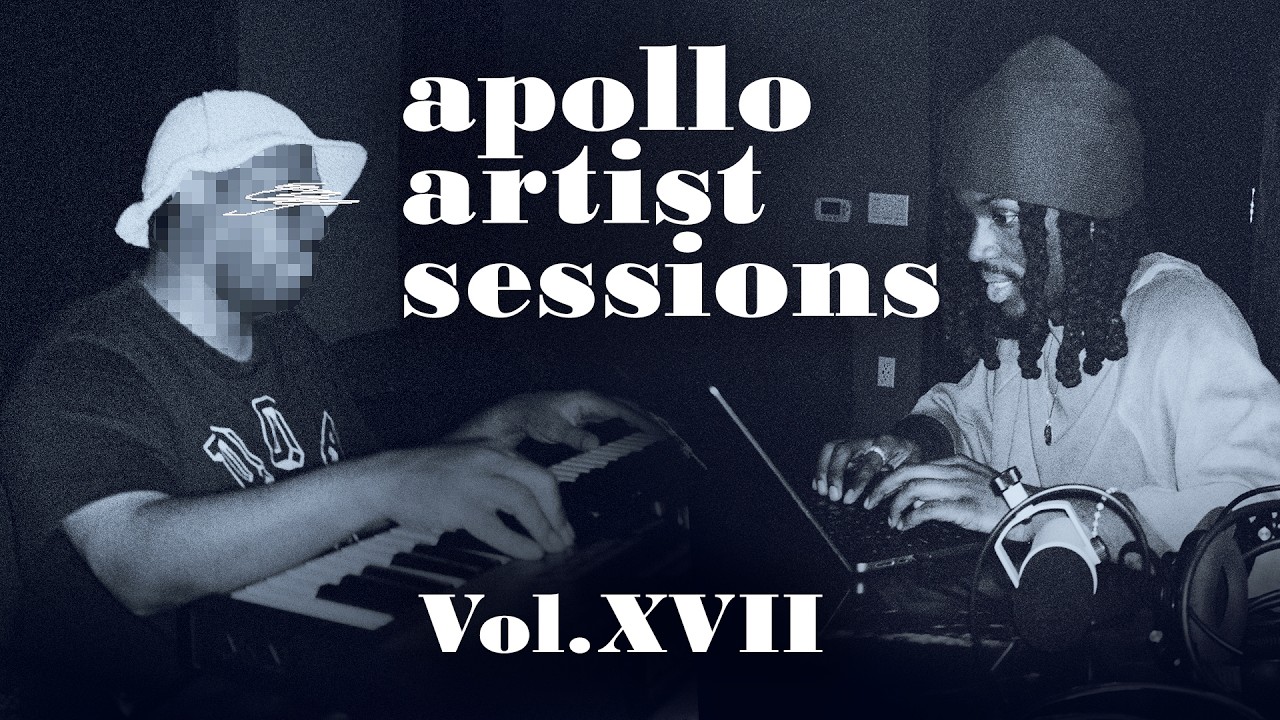
You recently produced a project with Saba and No I.D. where they started with a beat and turned that into an entire song, in partnership with Universal Audio. How did they get things rolling?
“They both had machines set up and No I.D. started doing a beat and Saba started doing his thing, but they had nothing to do with each other. Then one hears something and says ‘Oh, that's cool, okay, let’s start around this.’ From the moment they walked in the door, they had no idea where they were going but I knew they were going to get there.
“I was just basically collecting any sounds that they might have so they could hear them out loud and get inspired. Having a little drum machine ticking away on your phone versus the boom, bap, boom of speakers can make a big difference to your judgment.”
Is production about your relationship with people and being open to ideas, regardless of the technology used?
“Yes, it’s about sharing ideas until they start going off the rails or to the wrong side. If I say we're going the wrong way and they're like, ‘it doesn't matter and we're going to keep doing it’, then I might say I'm not the right guy to be doing this with you because it's not working for me. That doesn't really happen, but that's the end side of the way you just described it.
If you ask me what I really do, it’s having that ability to capture something. A lot of creators do something crazy and go right past it to something else, and I’m like, ‘whoa, hold it, what was that?’
“If you ask me what I really do, it’s having that ability to capture something. A lot of creators do something crazy and go right past it to something else, and I’m like, ‘whoa, whoa, hold it, what was that?’ There was a lot of that with Timbaland, because he’d be doing shit all day long and some of it was amazing and some of it wasn’t, but every now and then I'd spot something he did and he’d say he didn't hear anything.”
You also said you see elements of the mix like they’re characters on the screen. Did you learn that from somebody?
“I learnt that from Tom Dowd. When he was on the board, he used to talk to the faders. Every fader was a track, and he would talk to them because when you mixed back then it was all about organising what was going to happen. There was no automation - you just kept rehearsing until you got it right, and I understood that because it makes the process more human and gives the music animation.”
Today, we’ve learned how analogue and digital can coexist. Do you see AI fundamentally changing that or is it just another tool that we’ll learn to integrate?
“Well, you said everything, but it really depends on the guys in charge. I believe it's a great tool to integrate and use, but the greedy people in charge are saying, ‘why do I need you when this thing will do it all and I can take the profits?’ Altruistically, it's a great tool to integrate with the human element, but with AI there won't be the sorts of stories I’m telling you, and the listener will miss that storytelling because AI doesn't have that ability to do that.
“Maybe I'm looking too much into it and you don't need storytelling to make a really good product, but I believe it's the imperfections that make people interested in a song and stay with it. I'm not a scientist, but music is about imperfection - that's what keeps the brain alert. Otherwise, we just get lazy.”
Are there any artists you'd still love to work with today?
“Right now, I'm actually in the workshop of my mind looking for that artist I can make my swan song with. There are a lot of artists and some are very talented, for instance, Bruno Mars who represents the best of what there is right now, but there's nothing I would bring to his party that he doesn't already have.
“I'm looking for an artist where I can bring something in the same way that I did when I was younger and I was trying to make my mark on the world. That’s hard to do because, like we were discussing, technology makes everything so mediocre and disposable.”
“A swan song is when you take your bow - ‘thank you very much ladies and gentlemen’. What I mean is that I’m still looking for the next big thing so I can say, ‘beat that, bitches!’”