The drum fill in Phil Collins’ 1981 hit In The Air Tonight is deservedly iconic, but it’s not the only notable rhythmic element in the song. In fact, the beat is driven not by any live playing, but a pattern from the Roland CR-78 drum machine which plays throughout.
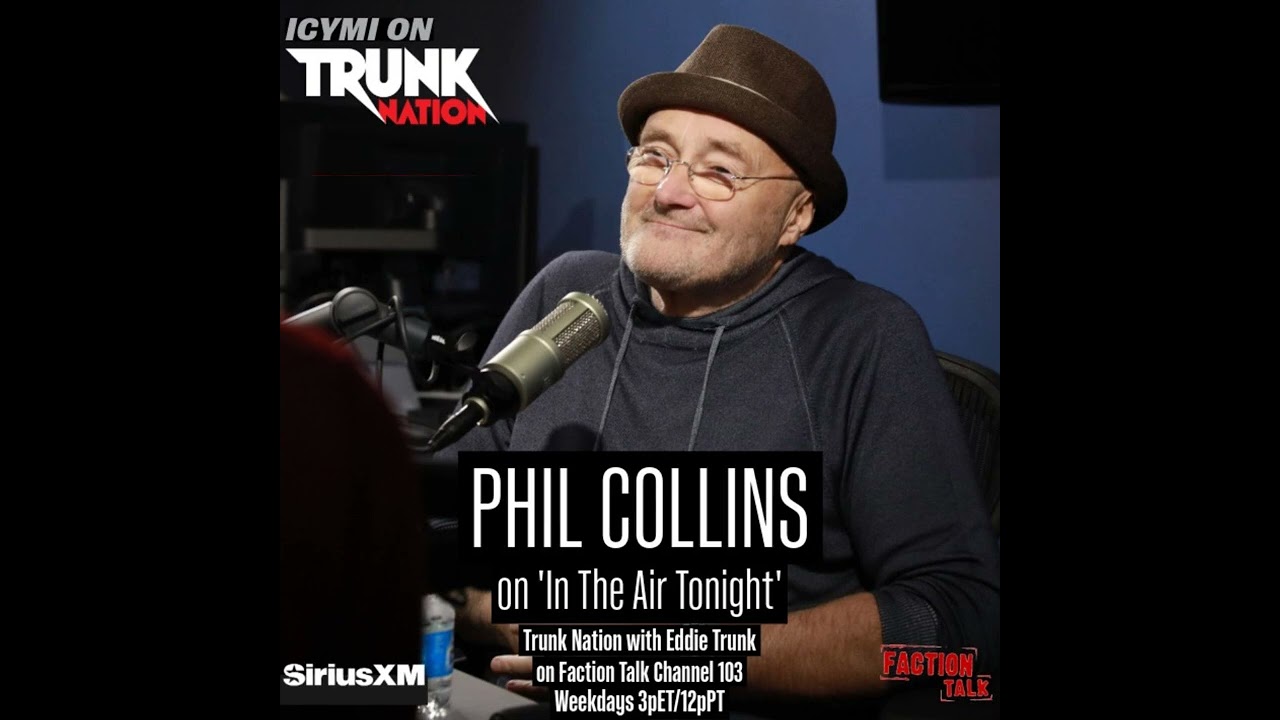
It’s fair to say, then, that without the CR-78, In The Air Tonight might never have existed, but in a new interview with Eddie Trunk’s Trunk Nation podcast, Collins says that, when he first brought his unit home from Japan, he thought he wouldn’t need it and so gave it away.
“We'd come back from Japan with Genesis with these drum machines, and being a drummer and thinking like a drummer I didn't think I needed a drum machine, so I gave mine to one of the road crew,” Collins confirms. He says that he realised that he’d make a mistake when he got back to his home studio and started making music on his own.
“I asked the road manager if I could get my drum machine back and he said ‘sure,’” Collins remembers. “So I got it back and I started to learn how to use it, how to program it. I mean, it was nothing like what you get today if you buy a drum machine – it was very basic. It was really a cocktail drum machine, you know, for people that play piano in bars, and I wrote this nice pattern which was kind of moody.”
Said pattern was a slowed-down, adapted version of the CR-78’s Disco 2 preset, and provided the perfect bed for Collins’ synth pad chords, which he played on a Sequential Circuits Prophet-5.
“I had a keyboard which had a couple of really nice sounds on it, and one of them was number 36, which was the In The Air sound,” says Collins. “That became the pad sound if you like, for the song. I went for some chords and the chords sounded great with the drum machine pattern. And then that was it, you know? I mean, it just went round and round.”
There was a little more to it than that, of course. The haunted vocal, for example… but even that was recorded spontaneously.
“I set up a microphone and I sang improvised lyrics,” says Collins. “That first verse is all improvised. It just came to me – I sang it and then I wrote it down. I didn't write it then sing it, you know? It was the other way round. So I felt something was going on, but I didn't really know what to do with it.”
Collins says that his attempts to get a good sound for the live drum overdubs at home were unsuccessful, so in the end, his demo multitracks were copied over to the 24-track system in the Townhouse studio in London.
It was here that Collins worked with producer Hugh Padgham to record that famous gated reverbed drum fill, but once again, this was something that just happened in the moment. “That was the fill I played on that particular take on that particular day,” Collins confirms.
In The Air Tonight may never have got to that point, though, if it hadn’t been for Collins re-acquiring and tinkering with that CR-78, a creative moment that kickstarted several others and resulted in a career-defining debut single.
“It wasn't thought out or choreographed, you know?” Collins insists. “Everything fell into place gradually, and it became the record that people think of when they think of me.”