
In 1986, Genesis were flying high with their record-breaking, multi-million selling album Invisible Touch – and yet, 10 years earlier, it looked as if the band might be finished after the exit of lead singer Peter Gabriel.
Genesis built their reputation in the early ’70s as an artful progressive rock band to rival Pink Floyd and Yes.
Among their many diehard fans in that era was future Iron Maiden bassist Steve Harris, who as a teenager had the Genesis logo from the classic album Foxtrot embroidered on his denim jacket.
Other landmark albums such as Nursery Cryme (1971) and Selling England By The Pound (1973) placed Genesis in the vanguard of prog rock, while Gabriel developed a theatrical stage persona wearing an array of costumes including a red evening gown paired with a fox’s head.
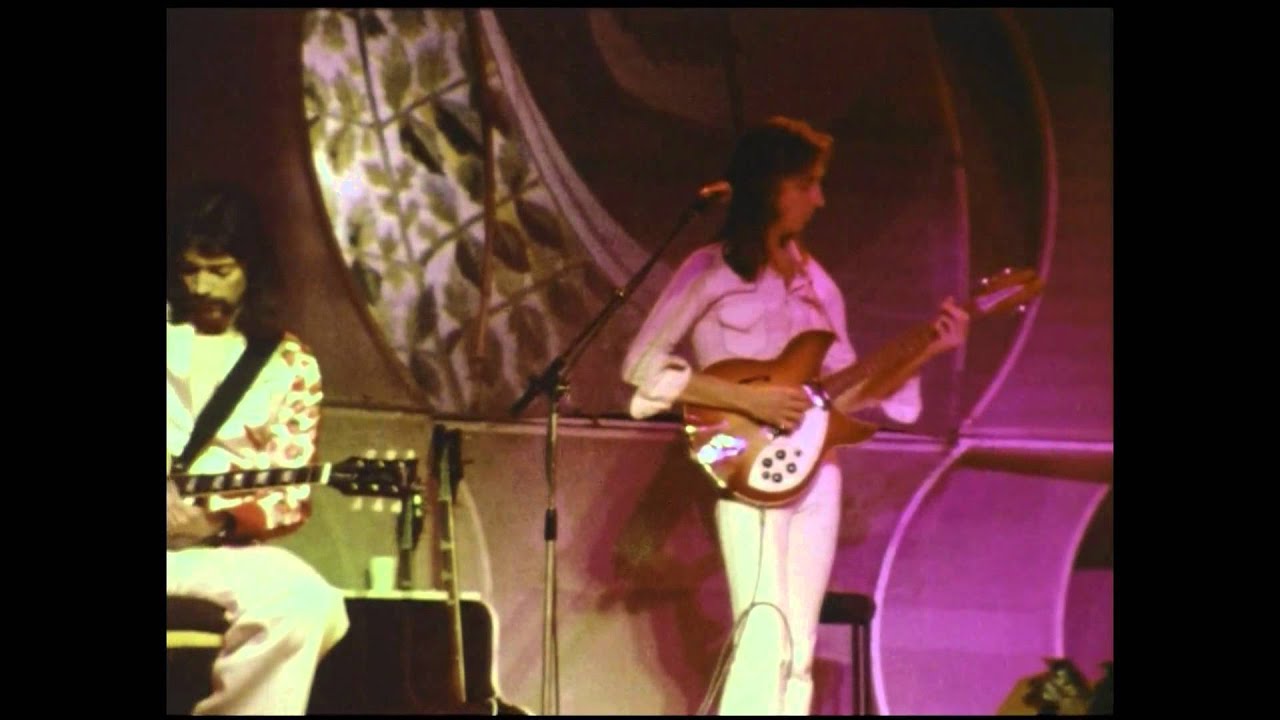
But after the group’s highly ambitious double album The Lamb Lies Down On Broadway was released in 1974, Gabriel announced he was leaving for a solo career. And with their talismanic frontman gone, it seemed that Genesis were in big trouble.
This turbulent period in the band’s history is the subject of a new feature in Classic Rock magazine, with recollections from Peter Gabriel and the musicians he left behind him in Genesis: keyboard player Tony Banks, bassist Mike Rutherford, guitarist Steve Hackett and drummer Phil Collins.
Banks says: “Some of the public found Genesis with Peter Gabriel a bit too strange.” But he admits: “There was a lot of fear about whether we could carry on without him.”
After Gabriel’s departure was announced in UK music paper Melody Maker, between 100 and 400 singers applied for his old job.
Only a handful ever got the chance to audition for the band, and none were deemed suitable.
The four musicians continued to make new music. As Mike Rutherford says: “We kept writing songs, trying to ignore the fact they’d be a bit boring without a singer.”
It was only after the band had begun recording with producer David Hentschel at Trident Studios in London that Phil Collins offered to sing on the new album in order to get it finished.
Collins had in fact sung lead on two previous Genesis songs: For Absent Friends (on Nursery Cryme) and More Fool Me (from Selling England By The Pound).
He was initially reluctant to fully embrace the role of frontman, figuring instead that another singer could come on board for live performances. But after some hesitation, his wife persuaded him to go for it.
“I’d always sung in my school band from behind the drums,” Collins recalled. “In the end, my wife said, ‘Why don’t you do it, Phil?’”
The resulting album, A Trick Of The Tail, was released in February 1976 and reached No 3 on the UK chart.
Featuring dynamic tracks such as Squonk and Dance On A Volcano, and subtle mood pieces such as Ripples and Entangled, the album was a critical and commercial success, proving that Phil Collins had been the perfect replacement for Peter Gabriel all along.

In a 1976 interview with Melody Maker, a bullish Tony Banks stated: “We had to prove we could do it without Peter.” He said of A Trick Of The Tail: “We think it’s the best album we’ve ever done.”
On the following tour, Gabriel attended a show at London’s Hammersmith Odeon and later reflected: “It was a very strange experience and I had mixed emotions. I always compare it to seeing your ex-wife with a new man.”
As it turned out, both Genesis and their former singer went on to enjoy far greater success than they had ever achieved together.
Gabriel’s star rose with the 1977 hit Solsbury Hill and the third of his four self-titled solo albums (aka Melt) in 1980. But it was in 1986, the year of Genesis’ biggest success, that Gabriel reached his commercial peak with the album So and the hit singles Sledgehammer and Don’t Give Up, the latter featuring Kate Bush.
Genesis, with Collins both up front and behind the kit, got bigger and bigger in the years after Steve Hackett’s departure in 1977 had reduced the band to a trio.
1980 album Duke – featuring the hit anthem Turn It on Again – was the first of four successive UK No 1s.
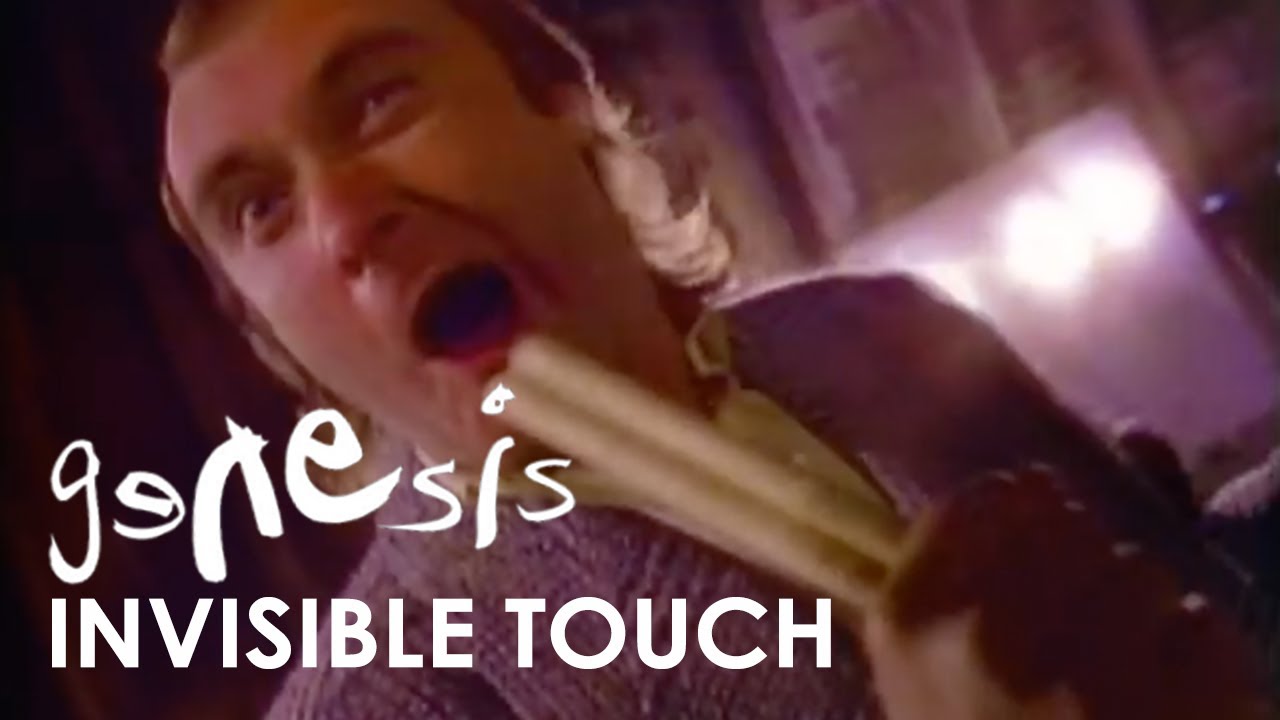
The last of the four was Invisible Touch, which peaked at No 3 on the US Billboard 200. And in an unprecedented feat for a non-American band, that album also yielded five singles that all made the US top five – the title track (No 1), Throwing It All Away (4), In Too Deep (3), Land Of Confusion (4) and Tonight, Tonight, Tonight (3).
Gabriel said he always believed that Genesis would be fine without him. When he left the band, the answer to their problems was right there on the drum stool.
