He might frequently be cited as one of the greatest keyboard players of all time, but on a technical level, Genesis stalwart Tony Banks doesn’t rate himself as highly as you might think.
In fact, in a new interview with the LA Times, Banks suggests that part of the reason for his success was that he was able to create workarounds in his keyboard parts so that any deficiencies in his playing weren’t exposed.
“I cheat, really,” he admits. “I’m not a great technical player at all. Because I was always writing for myself, I could avoid the things I couldn’t play.
“Rick Wakeman has a far better technique than me, but technique has never been my priority. I wanted to explore what you could do with the piano. It’s down to how you use it, what you play. And what I play is what I like.”
Banks may be being a little too modest here, but he does say that, in other areas of musicianship, he liked to push himself a bit more. Songwriting, for example.
“I avoided using regular chord sequences because I felt it was lazy,” he explains. “A lot of modern pop goes through variations of C, A minor, F and G, then wobble along on top of it. That doesn’t interest me as a writer. I was always trying weird things.”
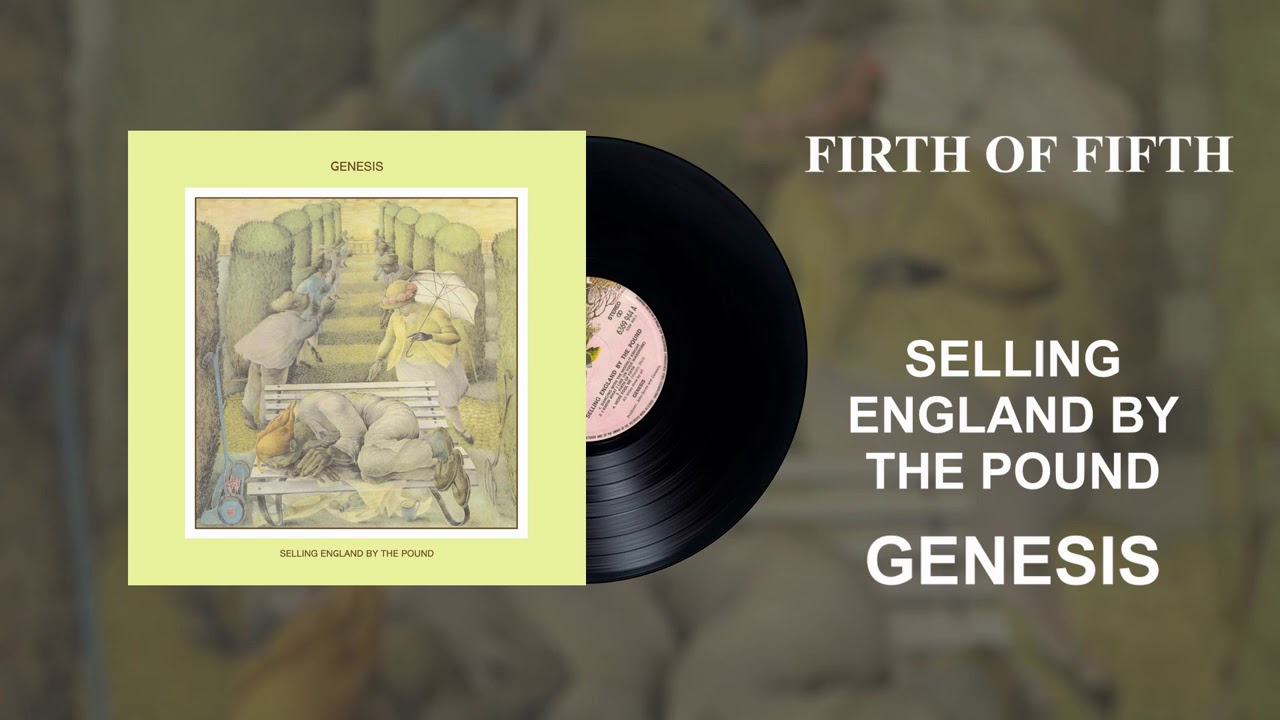
What’s more, he has some advice for the aspiring keyboardists who like to upload videos of themselves playing one of his most famous compositions - his piano intro to 1973 Genesis track Firth of Fifth, from 1973's Selling England by the Pound.
“A lot of people play it very well on YouTube, but they go too fast,” he says. “If you play it fast it just sounds tricksy.”
Reflecting on why Genesis managed to cut through commercially, despite their ‘70s prog material being pretty challenging at times, Banks says: “We were lucky that pop music hadn’t gone very far at the time. Obviously groups like King Crimson had tried a few things, but there was still space to go places that hadn’t been explored much.”
“In those days, we sort of got away with it. We managed to carry on enough of an audience to make it practical. I don’t think people’s attention span would go for that sort of thing today.”
Banks says that he still has musical ideas floating around his head, but doesn’t seem particularly motivated to act on them. “That would involve getting the whole machinery going again, and if it’s fine weather, I’m out in the garden,” he explains.
And the possibility of any kind of Genesis reunion with Phil Collins and Mike Rutherford seems even more remote: “Don’t hold your breath for any combination involving Mike or Phil," is Banks’ view on that.