


It is one of the most eccentric and insanely brilliant hit songs of all time, and it was inspired in part by The Beatles.
Hocus Pocus by Dutch progressive rock group Focus was a top 10 hit in the US and a top 20 hit in the UK. And as the band’s former guitarist Jan Akkerman says, it was the product of a whole host of influences – from the Fab Four to Frank Zappa and jazz icon John Coltrane.
Speaking in the new issue of Guitar World, Akkerman looks back on the period in 1971 when the band created Hocus Pocus and its parent album Focus II, AKA Moving Waves.
Alongside Akkerman in the line-up for that album were lead vocalist and keyboardist singer Thijs van Leer, bassist Cyril Havermans and drummer Pierre van der Linden.
Akkerman tells Guitar World: “In those days, even before Focus, I listened to a lot of John Coltrane, Django Reinhardt and all sorts of things. And with Hocus Pocus, I remember I was listening to a lot of the Beatles’ ‘White Album’.
“I loved the craziness of that album. I’d be listening to that with one ear while having the other fixed on the television while sitting on the floor with a guitar. I’d come up with a heavy lick, and through that sort of process, tracks like Hocus Pocus and that album came together. That album has a lot of different influences layered in.”
He cites a track from Zappa’s landmark 1969 album Hot Rats as a major influence on Hocus Pocus.
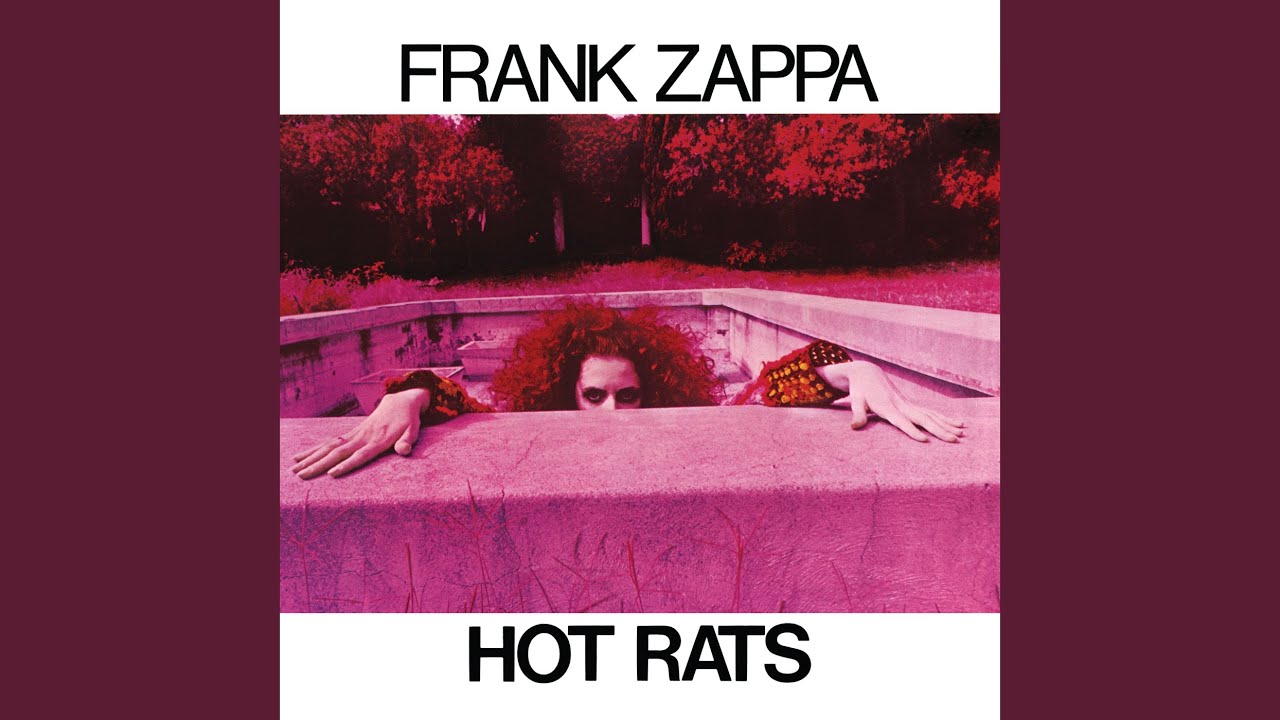
“I heard a song by Frank Zappa called Willie The Pimp,” he says, “which was in the same category as The Beatles or the Rolling Stones but more genuine. This triggered the old rock ’n’ roll feel in me, not realising how good it felt playing it, and of course, Thijs Van Leer started to yodel – with the result everybody knows now.”
Back in 2007, Thijs van Leer told Classic Rock magazine that Hocus Pocus – and his yodelling in it – were entirely spontaneous creative acts that happened during rehearsals in a castle ahead of a UK tour.
Van Leer recalled: “The guitarist suddenly played that riff. Then completely spontaneously Pierre threw in a two-bar drum solo and I started yodelling. It came from nowhere; a piece of pure improvisation, inspired by the fun of playing together.”
He also claimed he had never yodelled before that moment, stating: “I still think it came from heaven.”
Hocus Pocus was recorded in the spring of 1971 with Fleetwood Mac producer Mike Vernon. Reportedly the track was cut in as little as two takes, and completed with the addition of a flute solo, accordion and vocal overdubs.
The song’s title came about due to the fact it had no formal lyrics. They liked the idea of a title that rhymed with the group’s name. As van Leer told Classic Rock: “We even considered calling it Crocus for a short while.”
The album version of Hocus Pocus ran to 6:42. The single edit had a whole three minutes chopped out.
Many years after it was a hit, Hocus Pocus was covered by metal stars Iron Maiden and Helloween and fellow prog rockers Marillion.

Reflecting on the success of this famous song and the Moving Waves record, Jan Akkerman reflects in Guitar World: “It’s a funny album because there’s a lot of heavy rock on there, but also yodelling to the point where it’s almost half opera. It was kind of like a big opera-type story; the only thing missing was stabbing a knife in each other’s back, but that happened later anyway.”
He also admits that the popularity of this one song was somewhat overwhelming at the time.
“The thing with Hocus Pocus is that after playing it five million times, I got fed up,” Akkerman says. “For a moment I said, ‘No more Hocus Pocus…’ I felt there were other things in the world.”
