


When the teenage Jackson Browne was just starting out as a singer and songwriter, he received some blunt career advice from an older and wiser musician.
Monte Dunn was a guitarist who played with Canadian folk duo Ian & Sylvia. In the mid-’60s, after hearing some of Browne’s songs, Dunn told the young hopeful: “You know, they already got a Bob Dylan. And a really good one.”
Browne recalled this moment in an interview with MOJO magazine in which he looked back on his early years and his defining work created in the ’70s.
“It’s easy to talk about how records are made,” he said. “But what makes you write what you write, that’s just a big mystery.”
Browne was 14 years old when he started writing songs. It was 1962, and his family had recently moved from Los Angeles to nearby Orange County. His biggest influences were Dylan and other folk singers such as Mississippi John Hurt and Dave Van Ronk, and his first attempt at composition was inspired by a version of You’re No Good from Dylan’s self-titled 1962 debut album. Browne named his song Happy Woman Blues.
“It was not very good,” he said. “I think that was kind of a folk posturing stance. Most of my early songs were a little mawkish, and very derivative.”
Even so, there was one song from this early period that would stay with Browne for his whole career and define his signature style of sombre introspection. He was still only 16 when he wrote These Days, a world-weary lament which ended in defeat as he sang: “Don’t confront with my failures… I had not forgotten them.”
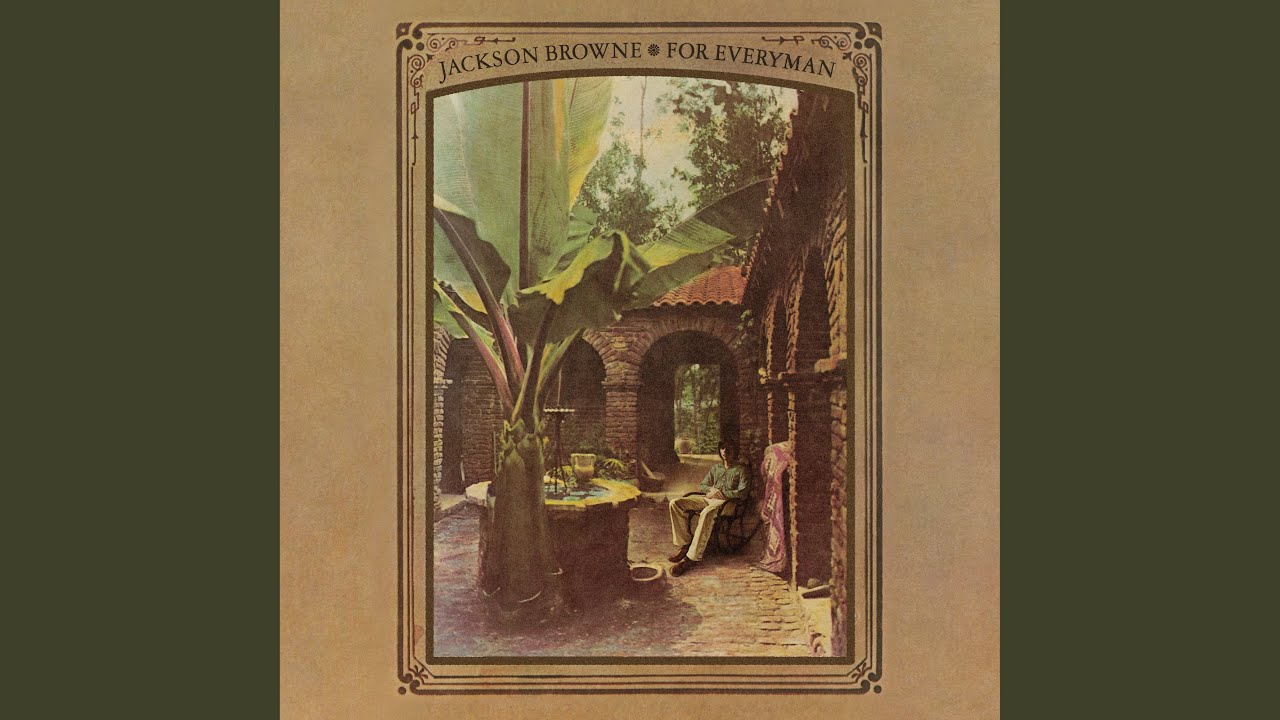
Browne explained: “I wasn’t a sad kid. It’s been remarked a couple of times by therapists: ‘What the hell happened to you?’ I can’t honestly tell you that there was anything that should have resulted in my feeling as if, to quote the song, ‘I’ve been losing so long.’ My entire life – all sixteen years of it! I don’t know where I got that. Maybe from The Beatles’ song, I’m A Loser.”
While still in high school, Browne was gigging regularly at an Orange County club called The Paradox. He was briefly a member of local ragtime group The Nitty Gritty Dirt Band, and signed a contract with Elektra Records as a songwriter.
After graduating in 1966, he travelled to New York City with the intention of making his name on the Greenwich Village folk scene. What he found there was a job as a backing musician for Nico, the German singer/model/actress who was then working with The Velvet Underground. After a brief affair between them, Nico recorded three of Browne’s songs, including These Days, for her 1967 solo album Chelsea Girl.
Browne had his songs recorded by a number of artists: another version of These Days, by Tom Rush, followed in 1968. It was only after Browne returned to California, however, that he established himself as a singer-songwriter.
He had felt burned when Elektra signed him as a recording artist and then quickly dropped him. David Geffen was different. He became Browne’s manager and then his label boss when he formed Asylum Records in 1971. Browne described Geffen as the perfect ally. “He was letting artists find themselves in the studio.”
Browne’s first two albums – his self-titled debut (1972) and For Everyman (1973) – peaked outside the Billboard 200. It was with his third album, Late For The Sky, that he achieved a commercial breakthrough in 1974.
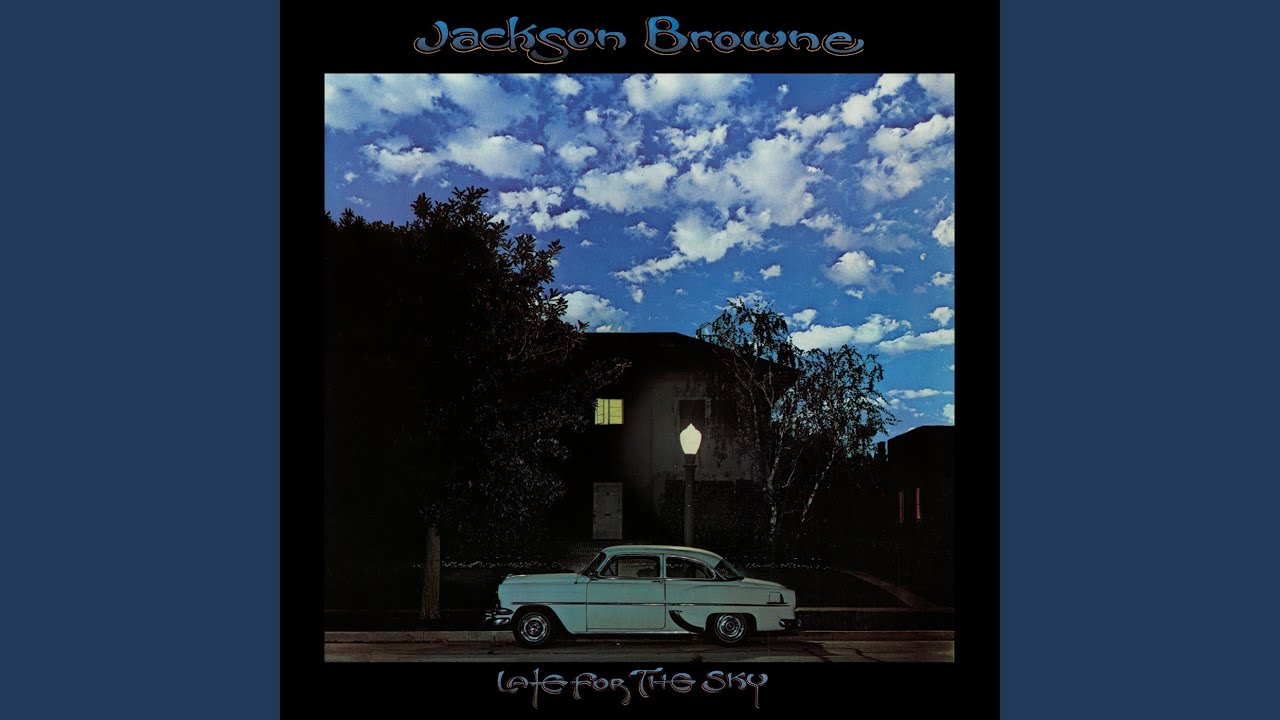
It was this album that Bruce Springsteen referred to when inducting Browne into the Rock And Roll Hall Of Fame in 2004.
“In ’70s post-Vietnam America,” Springsteen said, “there was no album that captured the fall from Eden, the long slow afterburn of the ’60s, its heartbreak, its disappointments, its spent possibilities, better than Late For The Sky.”
In 1976, Browne followed Late For The Sky with another masterpiece, The Pretender, recorded in the wake of a personal tragedy – the suicide of his wife, actress Phyllis Major.
In 1977 Browne delivered one of the most unorthodox records ever made by a mainstream rock artist. Running On Empty was essentially a concept album: the diary of a rock ’n’ roll star on the road, recorded in concert, at sound checks and in hotel rooms, with songs about women, songs about drugs, and throughout it all a sense of ennui encapsulated in the album’s title.
“Running On Empty was a rather imperfect banner to fly,” Browne conceded. “It’s not exactly what you want to tell people about your career or anything.”
The album’s title track was a driving rock song, but the lyric reflected Browne’s uncertainty about his life and where it was headed. “It was an admission,” he said, “that your ideals are changing. You’re still doing what you used to do, but now you do it for a different reason.”

Not every song on Running On Empty is autobiographical. Rosie is one of Browne’s most beautiful songs, and certainly the funniest. It describes a roadie losing a star-struck groupie to a member of the band – of all people, the drummer – and consoling himself through masturbation. “The story was true,” Browne said. “Just not of me.”
It was on Cocaine – a song originally written by bluesman Reverend Gary Davis – where Browne really let the audience in on what happened after the show. The track was recorded in a hotel room in Edwardsville, Illinois, by Browne, his guitarist Danny Kortchmar and his famous sidekick David Lindley, whose fiddle and lap steel had been a key tone on his previous records.
Browne recalled: “Danny and I were snorting a lot of coke while we made that recording, and Lindley was not.”
The track ends with the sound of the drug being chopped out and sniffed. “The commercial for cocaine,” Browne called it.
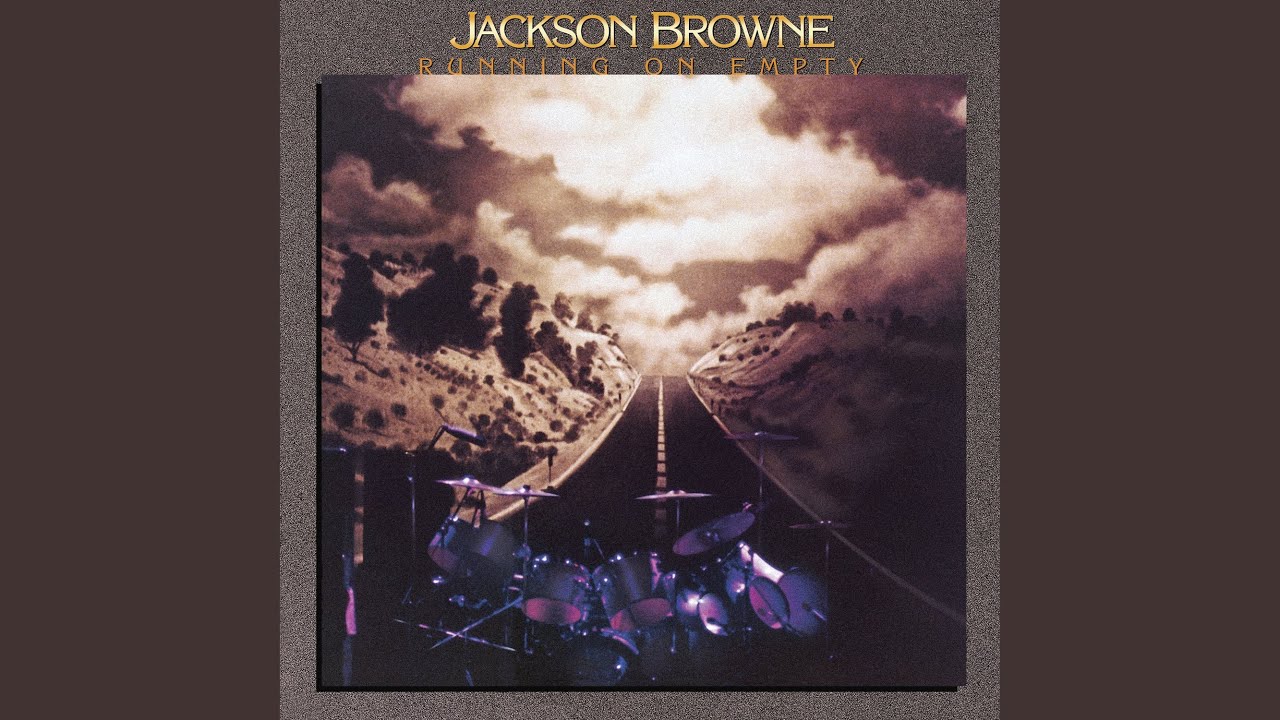
Running On Empty was a huge hit, reaching No 3 in the US. This was, however, Browne’s last album of the ’70s, and in one sense there was something of a self-fulfilling prophecy in Running On Empty. Browne wouldn’t make another truly great record until I’m Alive in 1993. He also knew that drugs were a problem.
“My whole generation took a lot of drugs,” he said. “And we went from thinking this is absolutely the best thing since nighttime softball to knowing that it was a trap.”
Browne’s first album of the 1980s, Hold Out, was also his first and to date only US No 1. It included the song Of Missing Persons, written in memory of his friend Lowell George, leader of Little Feat.
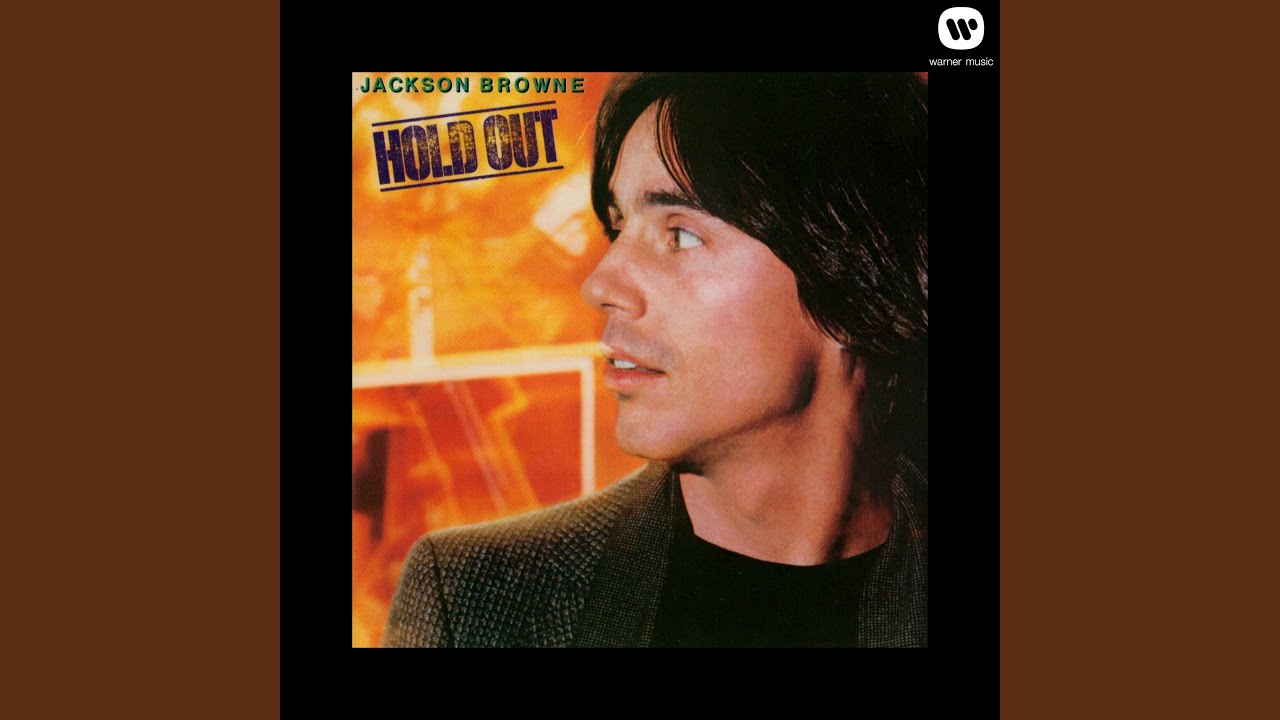
The following album, 1983’s new wave-influenced Lawyers In Love, also sold well. However, Browne’s popularity subsequently declined with two albums – Lives In The Balance (1986) and World In Motion (1989) – on which he explicitly criticised American foreign policy under the Reagan administration.
Since the mid-’90s, Browne’s working life has slowed to a leisurely pace. In the 33 years since the release of I’m Alive he has made just five albums: Looking East (1996), The Naked Ride Home (2002), Time The Conqueror (2008), Standing In The Breach (2014) and Downhill From Everywhere (2021).
As he said to MOJO: “I don’t know if I’m lazy. I’m just not in much of a hurry.”
He talked in that interview about the thing that connects every song he has ever written. “All these songs remain open questions,” he said. “Even if it comes around to some sort of resolution by the end of a song, it leaves the question intact, because that’s actually how we live. And as long as I’m writing songs, the questions continue.”

Browne also spoke of his pride in what his friend Bruce Springsteen said of his songwriting: “A condensed emotional power in each line of his great songs… the meticulousness of craft, always matched by the deepness of soul.”
As Browne saw it, nobody has ever captured the essence of his music better than The Boss did that night. “It was a great moment for me,” he said. “It was one of the few times that anybody has really been able to say in so many words what it is that I do.”
