


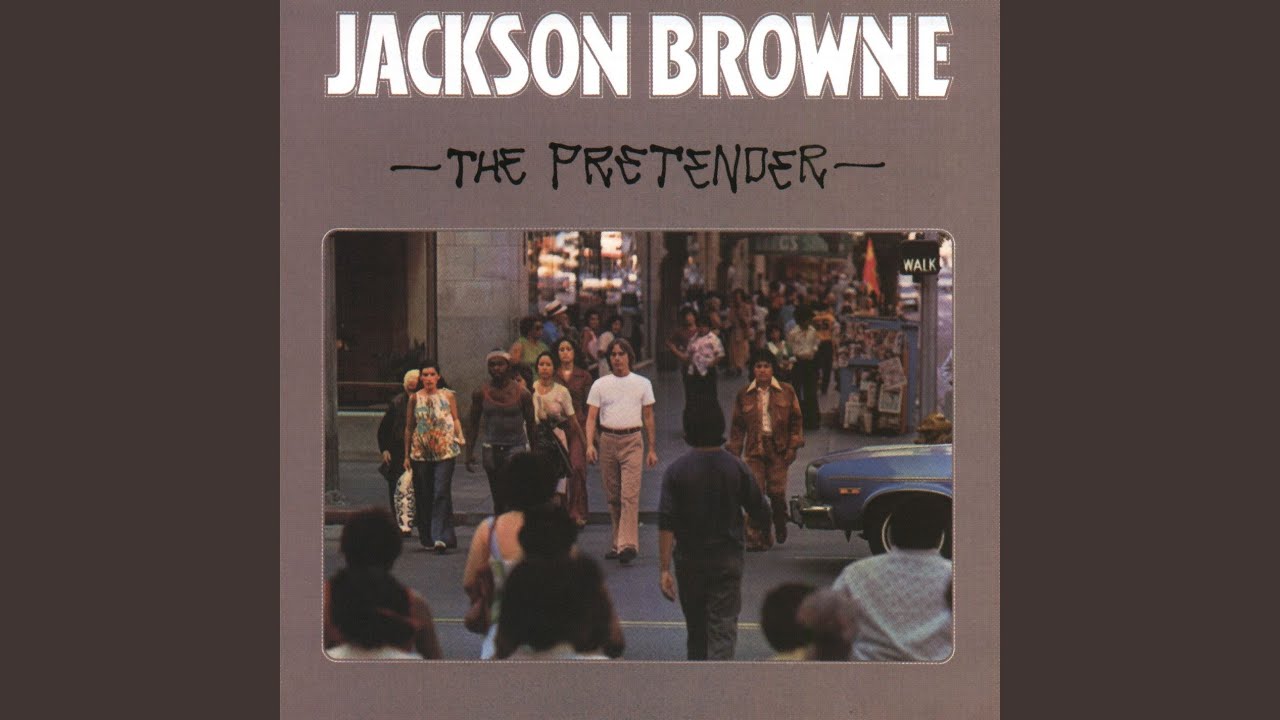
Singer-songwriter Jackson Browne’s fourth album, The Pretender, was a three million selling smash hit that reached No 5 on the US Billboard 200 in 1977. But this professional success came after a devastating tragedy in Browne’s personal life.
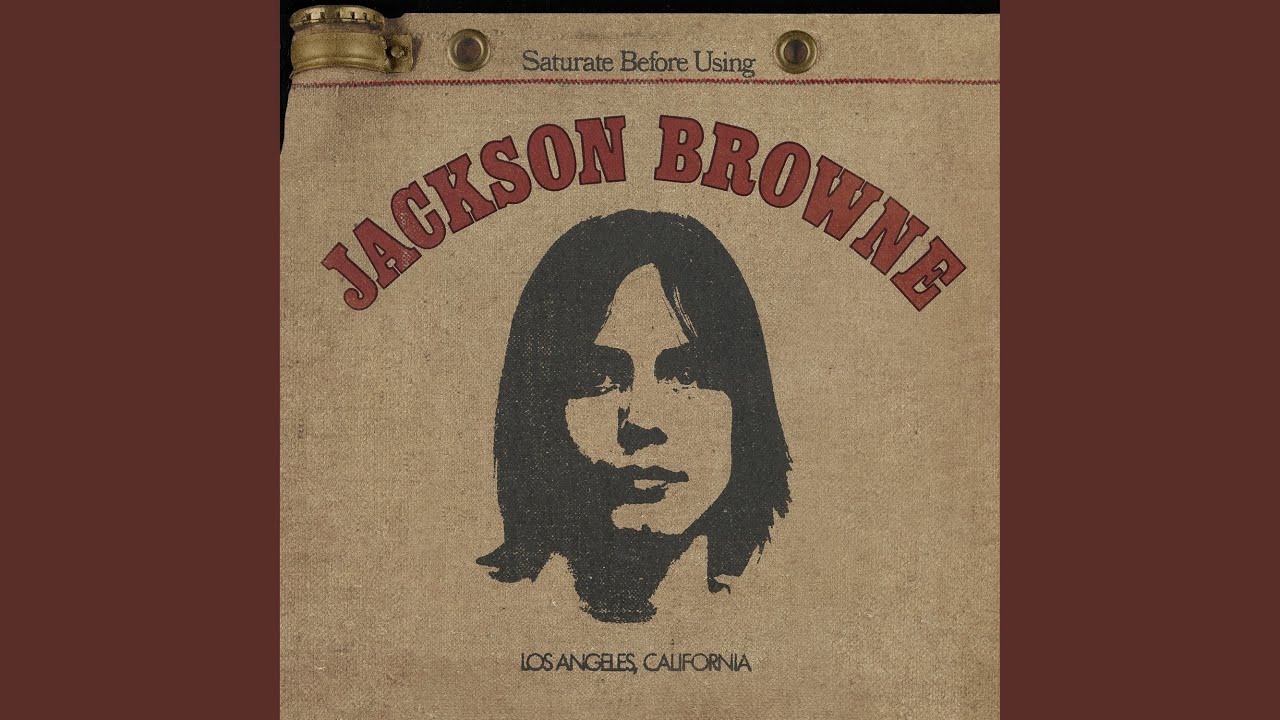
His career had been on a steady upward curve ever since the release of his debut album in 1972. Officially titled Jackson Browne, but also known as Saturate Before Using, that debut album yielded a hit single in Doctor My Eyes, an upbeat, piano-driven song later covered by The Jackson 5.
Also in 1972, Browne’s friends and Asylum Records label-mates the Eagles had scored their breakthrough hit with Take It Easy, a county rock song co-written by Browne with the band’s guitarist/singer Glenn Frey.
Browne subsequently recorded Take It Easy for his second album For Everyman, which also included Ready Or Not, a song he had written about Phyllis Major, a model and actress for whom he had ended a relationship with Joni Mitchell.
In 2015, in an interview with MOJO magazine, Browne spoke about his relationship with Major and recalled the events leading up to The Pretender.
He said of Major: “She had this almost old-world European thing about her. She had grown up in Greece and was kind of from another time.”
Major was pregnant with Browne’s child when he wrote Ready Or Not, and this was addressed in the song’s lyrics: ‘She’s gonna be a mother/Take a look in my eyes and tell brother/If I look like I’m ready… Next thing I remember, she was all moved in/And I was buying her a washing machine.’
When Major heard the song for the first time, she was furious.
“She hated that song,” Browne admitted. “She said, ‘I wasn’t having a baby to get you. And the bullshit about the washing machine is just insulting. So fuck you.’ And she was right. I should have said in that song, ‘Oh shit, I’m about to become a parent and I have no idea how to do this.’ But I was not emotionally mature enough.”
On 2 November 1973, one month after For Everyman was released, Phyllis Major gave birth to a son named Ethan. For Browne, who had been hailed as the boy wonder of rock by Rolling Stone, it was time to grow up.
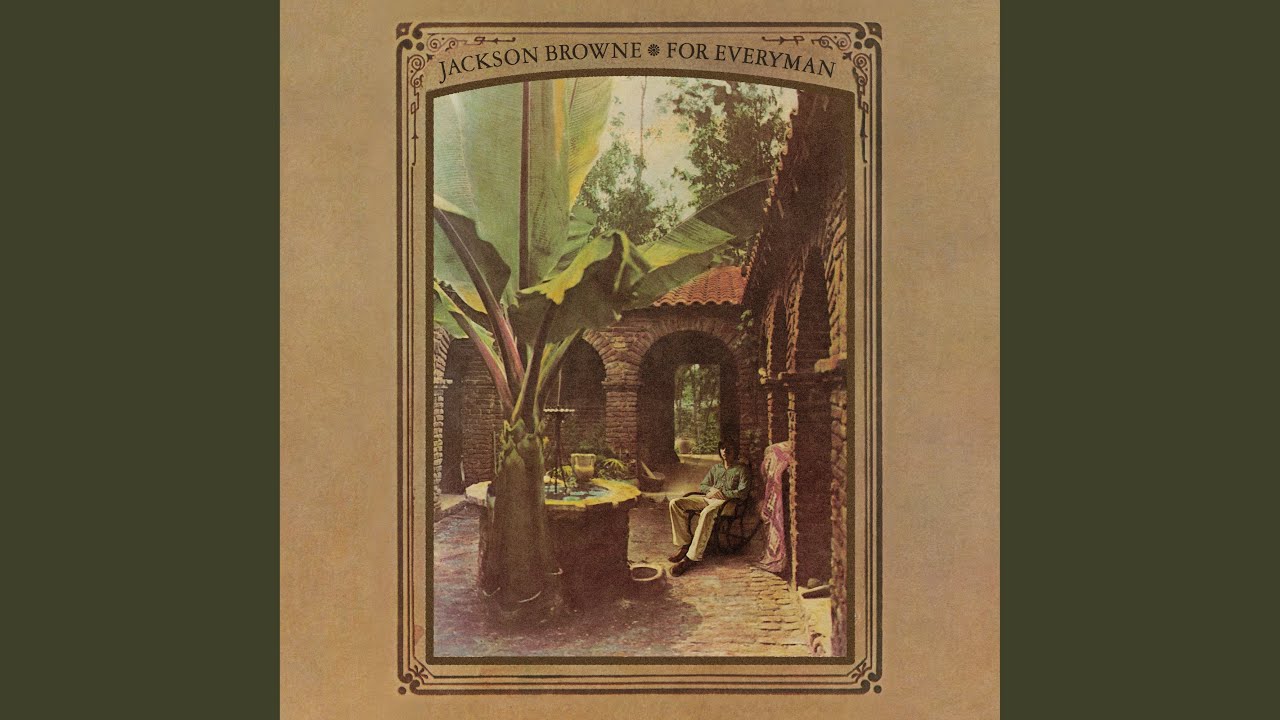
On the cover of For Everyman, Browne was pictured in the courtyard garden of a house in Los Angeles designed and built by his grandfather. The old man named it Abbey San Encino. Browne’s family had lived there during his early childhood and he made it his home again in 1974 – with Phyllis and Ethan – while he completed the writing of his third album, Late For The Sky.
Browne described Late For The Sky as an album based upon two related themes. “It’s about relationships and what you expect from them and what you hope your life will become,” he said. “And it’s also about what you expect from the idealism that I am a product of, having grown up in the ’60s.”
The two melancholy songs that began the album, the title track and Fountain Of Sorrow, had Browne ruminating on the slow break-up of a relationship. These songs were autobiographical, only this time more subtly so, and – lesson learned – they were not specifically about Phyllis Major.
“A lot of what I wrote on that record was about past relationships,” he said. “Intimacy was the coin of the realm. The people I admired as writers – Joni Mitchell, Leonard Cohen – they were willing to impart the truth, and that was so compelling. You couldn’t be glib about what you wrote. It had to matter. It had to cost you something.”
The broader context in Late For The Sky was a commentary on American society.
“I grew up in the crucible of the civil rights era, the free speech movement and opposition to the war in Vietnam,” he said. “This gave rise to a certain amount of idealism and energy and promise among my generation. But there was a certain feeling that floated around in the ’70s – of loss and having let go of those ideals.”
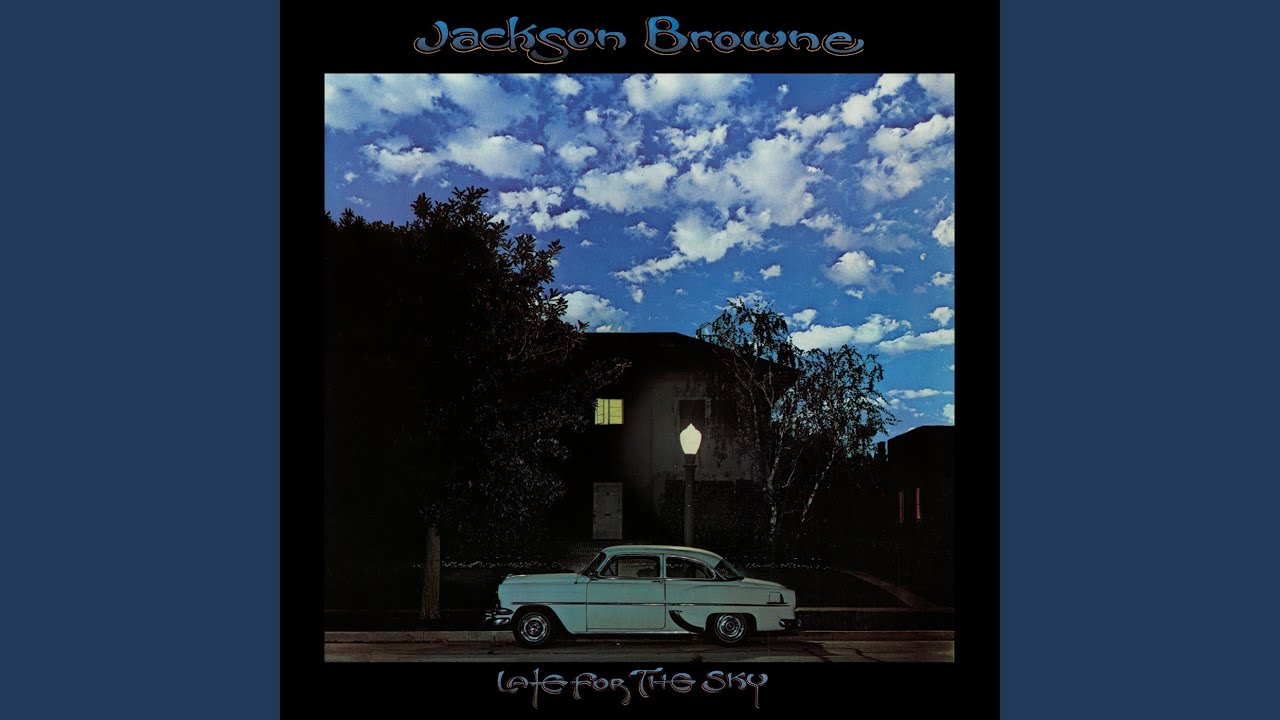
Late For The Sky, released in September 1974, was a coming of age for Jackson Browne as an artist. It was also his first hit album, reaching the top 20 in the US.
At the end of the following year, he and Major married and set up a new home in Highland Park, not far from Abbey San Encino. But on 26 March 1976, Phyllis Major was found dead at their home. At the age of 30, she had overdosed on drugs. The verdict was suicide.
It was later reported that Major had attempted suicide on at least two previous occasions. “Her death was a total surprise,” Browne said. “Maybe it should not have been, but it was.”
Left to grieve for his wife and to care for their son, Browne stopped work on his next album. “I can’t actually tell you how long for,” he said. “We just stopped until I was ready to resume.”
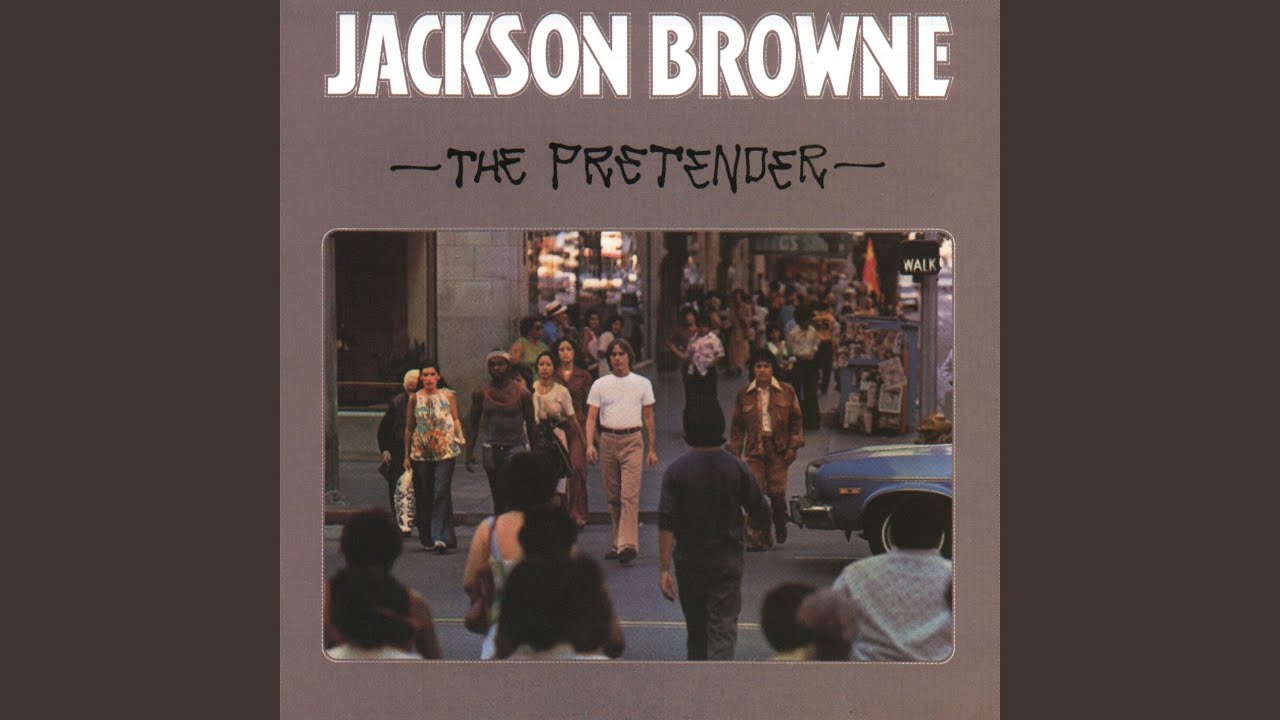
It was six months later, in November 1976, that The Pretender was released. As Browne explained to MOJO in 2015, this album was not an elegy for Phyllis Major.
“Many people think that if a record comes out after an event, that the event is somehow represented in the songs. But those songs were written before she died – with the exception of Sleep’s Dark And Silent Gate. That was written after.”
In this song, Browne wrote: ‘I don’t know what love has got to do with happiness… Oh God this is some shape I’m in/When the only thing that makes me cry/Is the kindness in my baby’s eye…’
He told MOJO: “I guess that could be considered cathartic.”
Despite circumstances in which it was made, The Pretender was, in terms of tone, brighter and punchier than Late For The Sky. The album opened with a dynamic rock song, The Fuse. Linda Paloma was a sunny love song with a warm Latin feel. And in the title track, which dealt with selling out and surrendering to The Man, there was resigned humour.
It was this last song that really resonated in the American psyche.
“It’s grappling with the question of whether the life you’re living is the life you thought you were headed for,” Browne said. “The Pretender is an open question: do you find life’s best qualities by having children and a job, or in tearing those things down?”
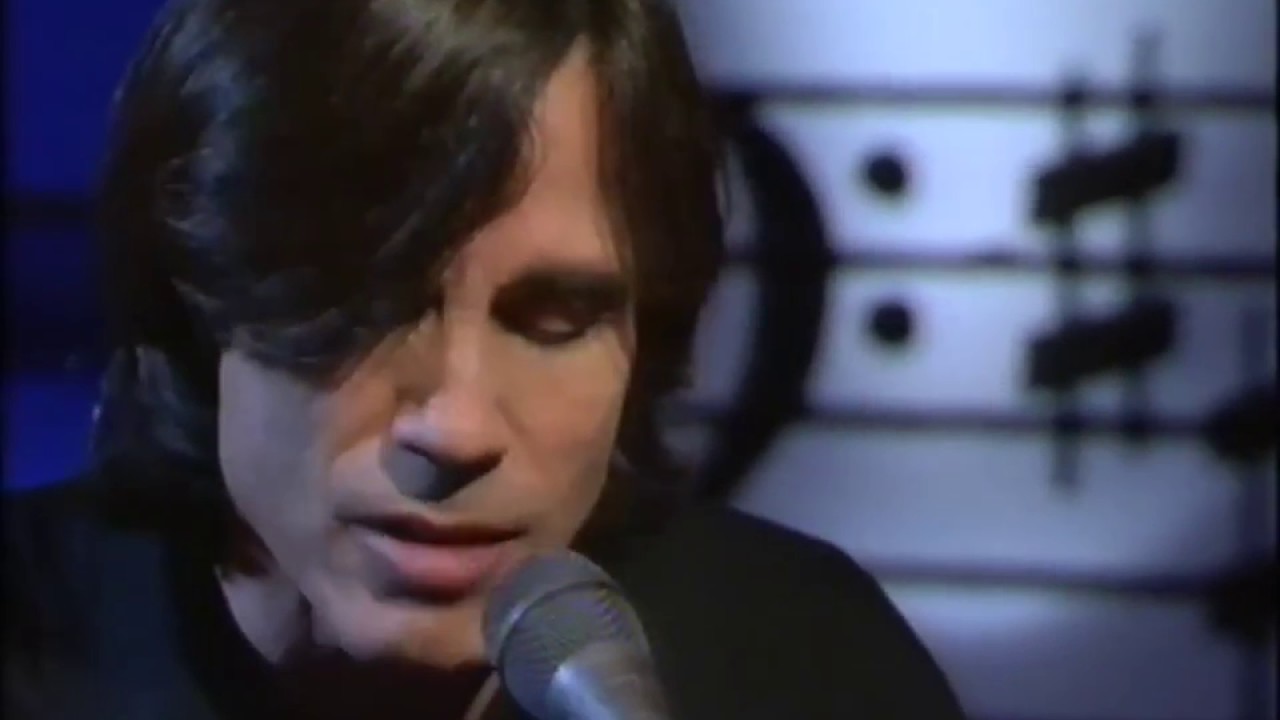
The album also included Your Bright Baby Blues, a song about drugs. Even after Phyllis Major’s death, Browne remained a recreational drug user. He had been since his early teens, when he discovered pot and acid.
As a rock star in the ’70s, Browne had moved on to a higher class of narcotics – principally cocaine and whatever new pills came on to the market. He spent many nights getting loaded with Lowell George, the leader of Little Feat, and Warren Zevon, the singer-songwriter for whom Browne produced two albums either side of The Pretender.
Browne recalled Zevon telling him that he had found an especially exciting new pill. “It’s the most amazing thing,” Zevon had said. “Nothing hurts. Everything matters.”
Your Bright Baby Blues had Lowell George playing slide guitar.
Browne said: “There’s a line in that song: ‘Close your eyes and try a few of these.’ That’s exactly the way we turned each other on and gave each other drugs.”
But in the lines that followed there was a grim confession: ‘I thought I was flying like a bird/So far above my sorrow/But when I looked down/I was standing on my knees.’
For Jackson Browne, at that time, no amount of self-medication was enough to block out the pain.
