


On 22 May 2017, UK-based filmmaker Max Weiland visited Elton John’s spectacular 1920s villa known as the ‘Yellow Palace’, perched high on the lush, forested hill of Mont Boron overlooking Nice, which has been the singer-songwriter’s main home on the French Riviera since the ’90s.
Weiland had been invited by John and his songwriting partner Bernie Taupin to show them the video he had created for their 1971 song Tiny Dancer, which was due to receive its world premiere at that year’s Cannes Film Festival.
Weiland was one of three filmmakers selected to create videos for a YouTube-supported competition called The Cut, which celebrated the 50th anniversary of John and Taupin’s songwriting partnership.
Weiland’s video for Tiny Dancer captures the free-spirited characters of LA and is a sun-soaked homage to the Golden State. It also evokes that city’s bohemian spirit at the time.

In a short film about the making of the video, John and Taupin can be seen sitting on a sun-dappled balcony at John’s villa, watching the video on a laptop as Weiland looks on.
“Love, it, love it,” beams Taupin as he turns to face Weiland when the video ends. “The humour and the pathos you’ve got going there is just fabulous.”
“It’s so brilliant, because it sums up the LA you were writing about,” says John to Taupin. “It’s absolutely beautiful,” he tells Weiland. “It’s cinematic, it tells a story… it’s just got the essence of the song.”
For all its status as a classic song from the rich vein of Elton John’s early ’70s back catalogue, the song Tiny Dancer was actually something of a slow burner.
Released as a single in February 1972, it was the opening song on John’s fourth album Madman Across The Water (1971) but reached only No 41 in the US and wasn’t even released in the UK.
The disappointing chart performance was partly due to its epic running time of 6:12. The radio edit for the single stripped the song of its subtleties, its slow, graceful build, Elton John’s inspired arrangement and his stellar performance in the studio.
But in the years that followed Tiny Dancer grew to become one of John’s best-loved songs, appreciated in its epic entirety when embraced by FM radio’s emerging AOR format in the mid- to late-’70s.
With its stunning melody, sweeping strings and country-pop tinges, Tiny Dancer would slowly sear itself into the public consciousness.
It was late 1970 when Bernie Taupin made his first trip to the US, an experience that inspired the lyrics for Tiny Dancer.
Taupin wanted to capture the feel and the vibrancy of California at the time. In particular, he was struck by the young women around the Sunset Strip, who appeared freer, more expressive, and very different from the women he had known growing up in England.
“We came to California in the fall of 1970 and it seemed like sunshine just radiated from the populace,” Taupin told Rolling Stone magazine. “I guess I was trying to capture the spirit of that time, encapsulated by the women we met, especially at the clothes stores and restaurants and bars all up and down the Sunset Strip. They were these free spirits, sexy, all hip-huggers and lacy blouses, very ethereal in the way they moved.”
He continued: “They were just so different from what I’d been used to in England. They had this thing about embroidering your clothes. They wanted to sew patches on your jeans. They mothered you and slept with you. It was the perfect Oedipal complex.”
In the interview, Taupin stated that the song was also inspired by his girlfriend at the time and future wife, Maxine Feibelman, referred to in the song as “seamstress for the band”.
Taupin weaved elements of the people he met into the emerging song, conjuring up the freewheeling essence, bohemian style and the optimism of early 1970s Los Angeles.
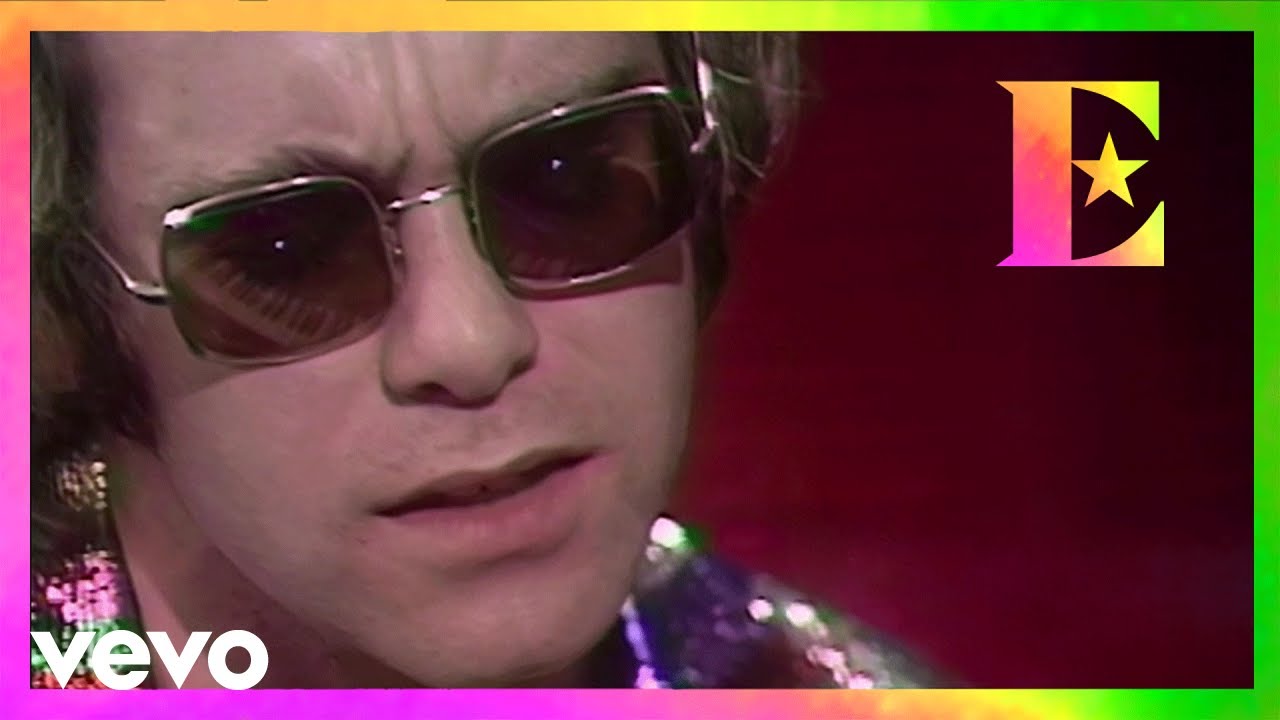
In a 1971 interview featured in the US TV series Our American Stories, Elton John explained how he transformed Taupin’s lyrics into the song Tiny Dancer. John is seen seated at a white upright piano, wearing an orange satin jacket with huge yellow polka dots. He is holding sheets of paper on which Taupin’s lyrics are written.
“These are all lyrics here and I just sift through them,” says John. “There’s one that I’ve sort of done the other day called Tiny Dancer… that was the one that I fancied writing, mainly because I knew Bernie would like me to do this one because it’s about his girlfriend.”
John then takes the lyric sheet and places it on the music rack in front of him.
“I mean, you look at it and the words ‘Blue-jean baby, LA lady, seamstress for the band/Pretty-eyed, pirate smile, you’ll marry a music man’. ‘Ballerina…’ as soon as you get to the word ballerina you know it’s not going to be fast, it’s got to be kind of gentle and quite slow.”
“The way it’s written here,” says John, pointing at the lyric sheet in front of him, “is a verse, a middle eight and a chorus, then another verse, and I just ran it through and put two verses together, then a middle eight then a chorus and then back to the verse sort of thing. It happens very quickly. It sounds long but it sort of starts off…”
And then John proceeds to play the new song, going straight in on the first verse. It’s a beautifully natural rendition.
At its core, Tiny Dancer is a love song, a heartfelt tribute from Taupin to his future wife. But what is striking is John’s stunning melodic prowess in imbuing Taupin’s words with such achingly beautiful and graceful melodies. The speed at which he works is also impressive.
“Reg has to write very fast,” said Taupin in the same Our American Stories programme, still referring to John by his real name, Reginald Dwight, “because he hasn’t got the patience to spend hours or days on something, you know.”
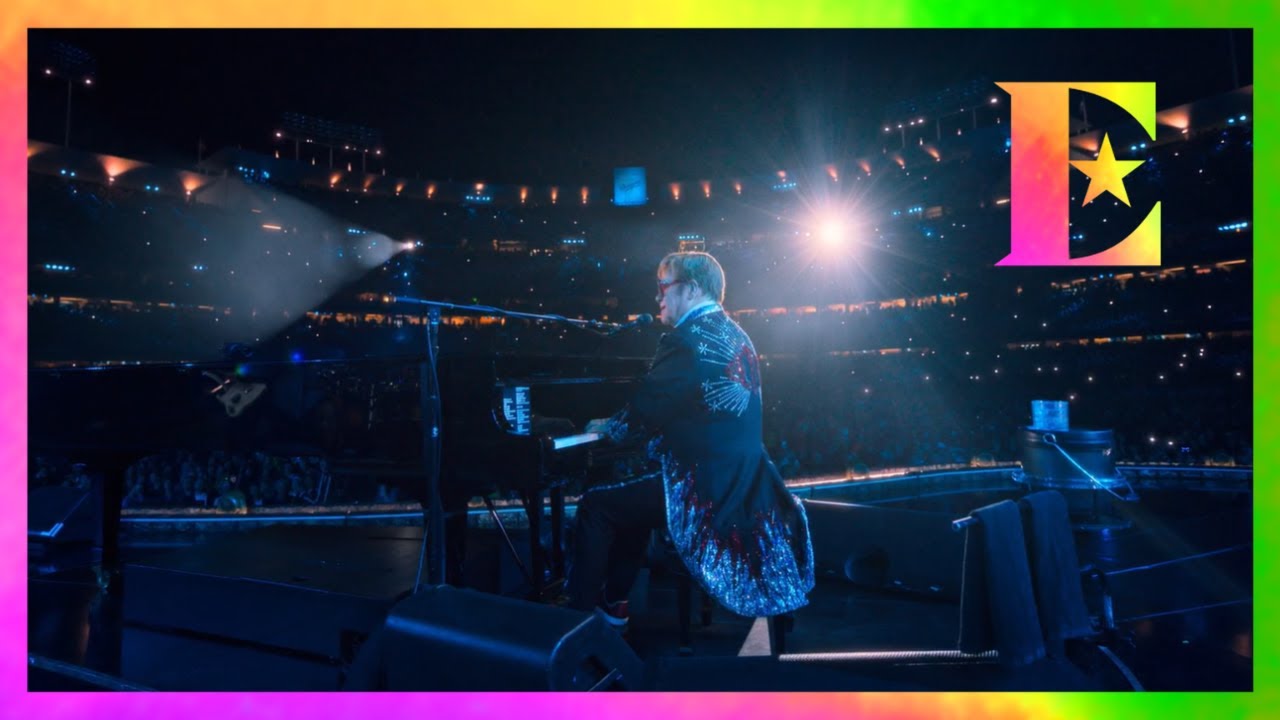
Tiny Dancer is written in the key of C major and is anchored by John’s iconic, arpeggiated piano riff, which carries the rhythm. Much of the power of Tiny Dancer stems from its slow build. The chorus doesn’t actually arrive until two-and-a-half minutes in.
Up until that point, the song meanders through a verse and a lengthy pre-chorus before looping back, while instruments are steadily added to the mix.
Trident Studios in the heart of Soho in London was the facility chosen to record Tiny Dancer and the Madman Across The Water album from which it came. Ever since The Beatles recorded Hey Jude there on 31 July and 1 August 1968, Trident had become the studio of choice for artists such as David Bowie, drawn by Trident’s relaxed creative ethos, its Ampex eight-track recorder and its 24-hour opening times.
John had recorded his eponymous second album (1970) and its follow-up Tumbleweed Connection (1970) at Trident, and on Tiny Dancer he would once again be playing Trident’s house piano, a handmade 1898 Bechstein grand which has since attained legendary status for its bright, distinctive sound.
“I have heard many pianos in my time but I have never heard a better ‘rock’ piano than that one,” wrote Ken Scott, in-house engineer at EMI Abbey Road Studios who joined Trident Studios in 1969.
Tiny Dancer was recorded on 9 August 1971 and was produced by Gus Dudgeon.
The song features English pedal steel guitarist BJ Cole. Cole’s pedal steel glides into the mix at 0:53, just before the final line of the first verse “And now she’s in me, always with me/Tiny dancer in my hand”, before the backing choir, acoustic rhythm guitar and the rest of the rhythm section fully join in.
Another notable feature of the recording is Paul Buckmaster’s sweeping, soaring string arrangements, which first really make their presence felt at 2:45 on the chorus and remain a lush, strident force throughout the rest of the epic track.
Then there is the choir of ten backing vocalists – including prolific session musician Tony Burrows, bassist Dee Murray and John’s touring drummer at the time, Nigel Olsson.
It’s a masterful arrangement from John, beginning with an intimate piano accompaniment, then each verse slowly building the emotional intensity right up to the chorus. John’s playing anchors everything. It is both elegant and tasteful yet gutsy as the track opens up and the melody ascends.
The strings soar but never overwhelm, while the backing vocals bring a communal feel to the song. Throughout it all, the emotional impact builds.
Tiny Dancer is a song that could so easily have sounded schmaltzy but John hits just the right tone vocally. There’s a wonderfully rich quality to his vocal take and he steers clear of oversinging, delivering instead a wholly natural and emotive performance.
Despite its disappointing chart placing in the US, the song would resonate across the subsequent decades, sometimes in the most unlikely of environs.
In 1990, John Frusciante of the Red Hot Chili Peppers performed his first impromptu performance of Tiny Dancer at the Pinkpop Festival in Holland and he has since performed the song at least 50 times during Red Hot Chili Peppers shows.
![John Frusciante - Tiny Dancer [HD]. - YouTube](https://img.youtube.com/vi/PPJo6KC2-Ik/maxresdefault.jpg)
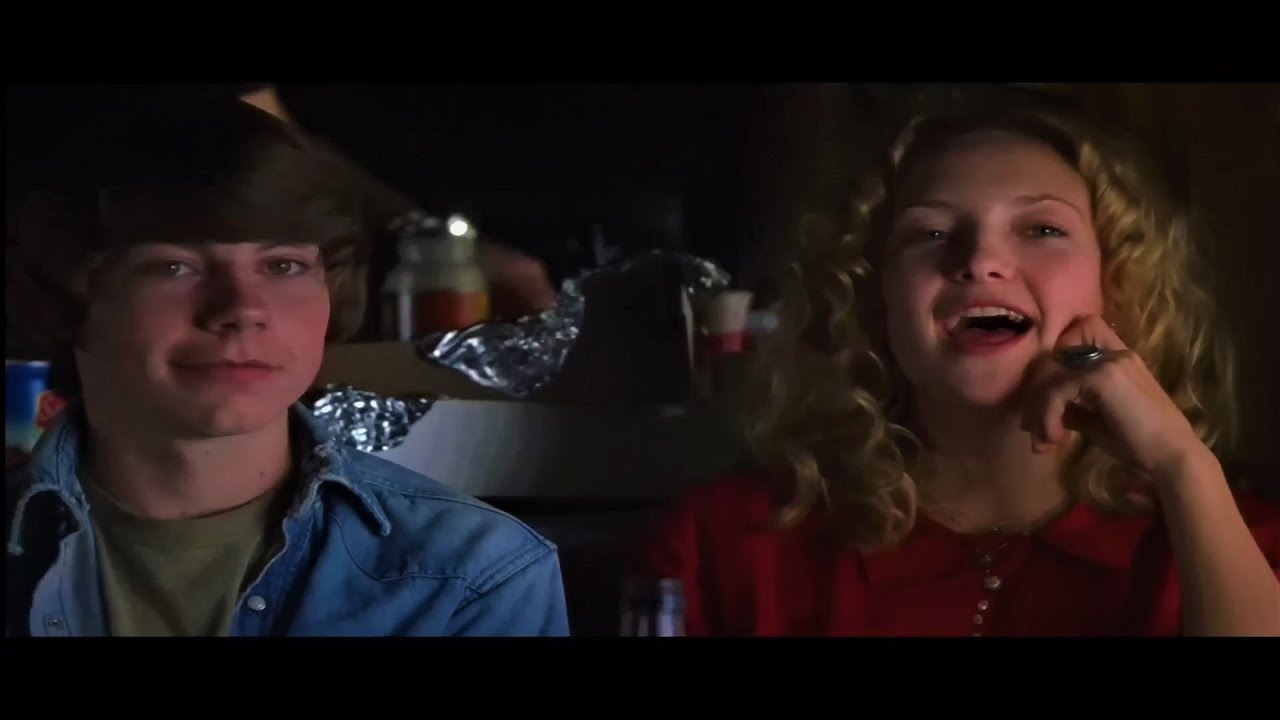
In 2000, Tiny Dancer received a significant renaissance when Cameron Crowe used it in his film Almost Famous, a semi-autobiographical comedy drama based on Crowe's experiences as a teenage writer for Rolling Stone.
John was pleasantly surprised by its inclusion and the subsequent renewed popularity of the track, as he recalled to Rolling Stone in 2011. “Jeffrey Katzenberg [film producer and media proprietor] called me and said, ‘There’s a scene in this film which is going to make Tiny Dancer a hit all over again.’ When I saw it, I said, ‘Oh my God!'. I used to play Tiny Dancer in England and it would go down like a lead zeppelin. Cameron resurrected that song.”
From that point on, Tiny Dancer was reinstated in John’s live setlist. In 2018, he performed the song with Miley Cyrus at the 60th Annual Grammy Awards and the following year, it was featured in the trailer for the film Rocketman, starring Taron Egerton. A few days after the trailer was released, John and Egerton performed the song live at John’s annual Oscars party.
For Maxine Feibelman, who inspired the song, hearing Tiny Dancer for the first time was a revelatory experience. In a 2019 interview with the New York Post, Feibelman recalled listening to the song for the first time in the control room at Trident Studios back in 1971.
“I knew it was about me. I had been into ballet as a little girl and sewed patches on Elton’s jackets and jeans. I had goosebumps.
“Elton was on one side of me and Bernie was on the other. That song was like having your really good friends give you the best gift you could ever receive.”
