
It is widely regarded as one of the most uplifting and emotive songs ever written, a soaring, spiritual anthem of hope and comfort for the dispirited and disillusioned.
Released on 20 January 1970, Bridge Over Troubled Water by Simon and Garfunkel spent six consecutive weeks at No 1 in the Billboard Hot 100, topped the charts in the UK, Canada, France and New Zealand and went top five in eight other countries.
The song is a stately and hymn-like lament for the political turmoil of the late ’60s – the killings of Martin Luther King and Bobby Kennedy, inner city race riots across the US, the Vietnam War and the Poor Peoples’ March on Washington DC.
By the end of the decade, the counterculture’s hopes for a more peaceful and equitable world lay in tatters.
Bridge Over Troubled Water conveyed a universal message of comfort and support for the dashed hopes of ’60s optimism. A “balm for a generation” as The Guardian put it.
Over five decades on from its release, it stands as one of the most powerfully affecting songs ever written.
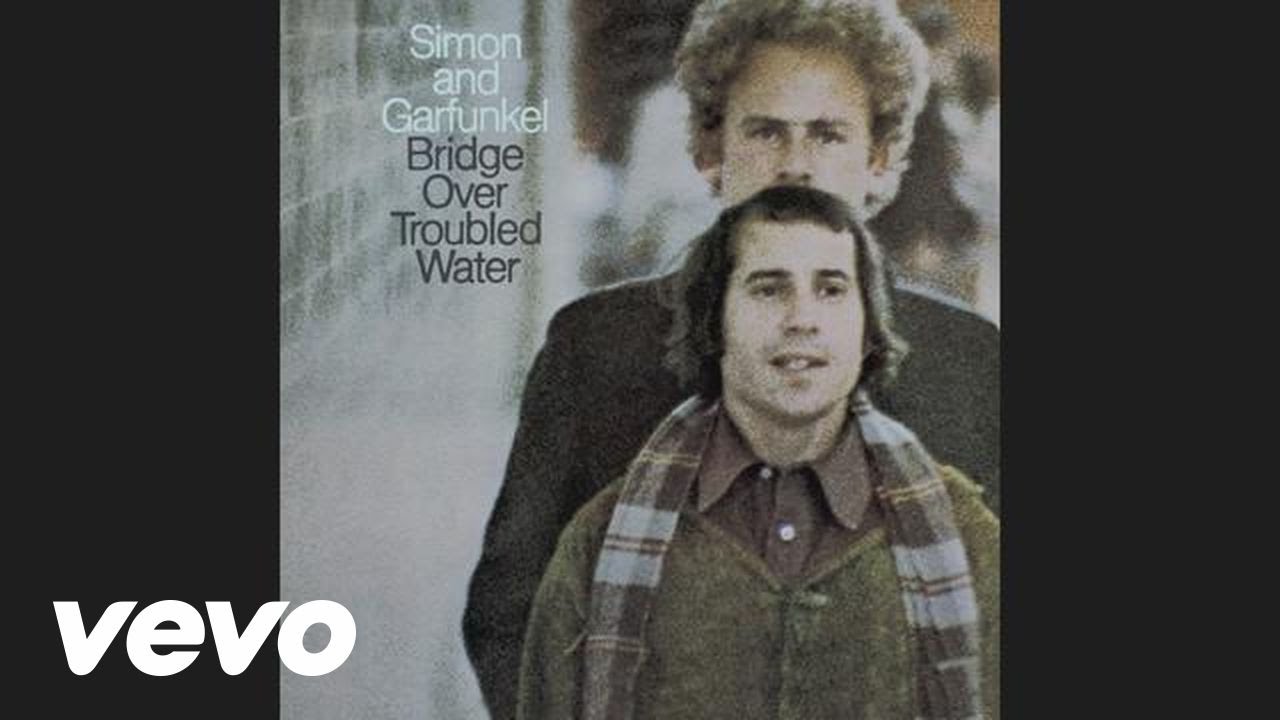
It was the spring of 1969 when the idea for Bridge Over Troubled Water came to Paul Simon as he worked on the fifth Simon & Garfunkel album in his Upper East Side apartment in New York.
The first stirrings of the song were the opening lines – ‘When you’re weary/Feeling small/When tears are in your eyes/I will dry them all’ – sung over a classically-inspired melody.
“That comes from a Bach chorale,” recalled Simon on the Dick Cavett Show in April 1970. “So that was in my mind, so that's how that part slipped in.”
For weeks, Simon was unable to come up with anything else to move the song forward.
“ I was stuck there,” he told Cavett. “That was all I had of that melody… everywhere I went led me where I didn’t wanna be, so I was stuck.”
Help came in the form of an album by Southern gospel group Swan Silvertones, which Simon had borrowed from the musician Al Kooper.
“Every time I’d come home, I’d put that record on and I’d listen to it. And I think that that must have subconsciously influenced me because I started to go to gospel changes.”
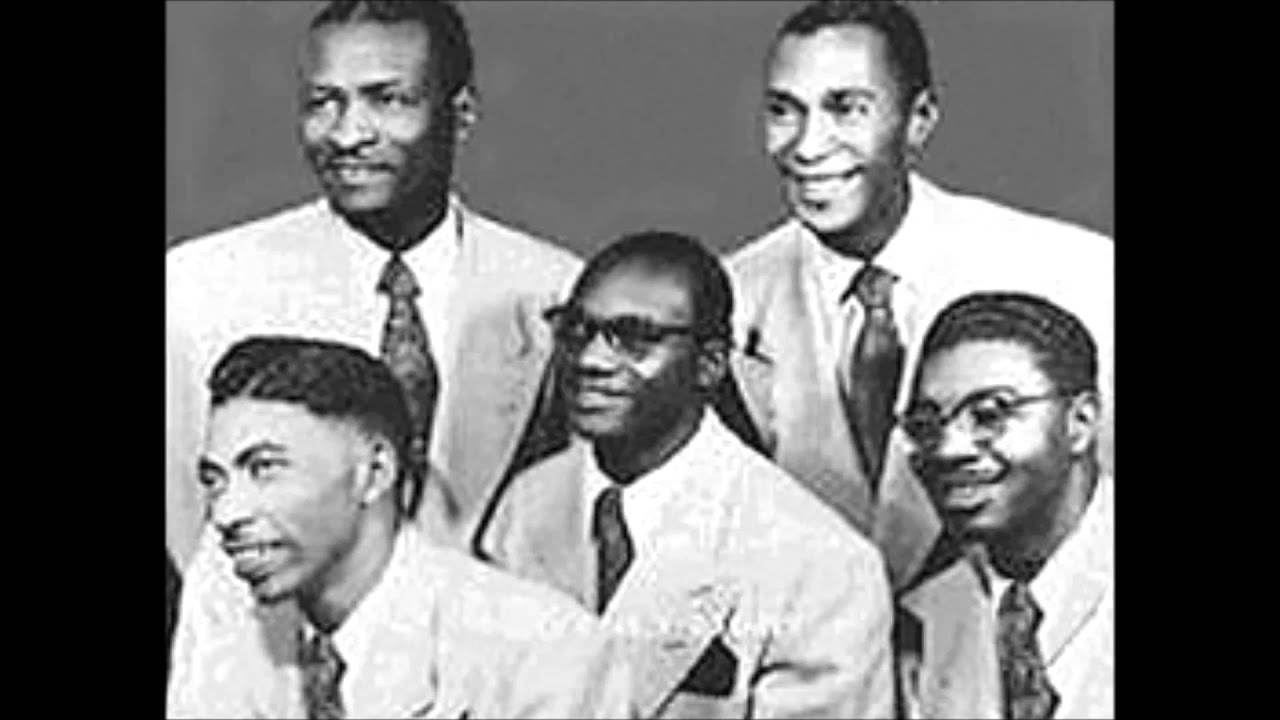
Simon was enthralled by the group’s version of the 19th century spiritual Oh Mary Don’t You Weep, and kept playing it over and over. He was particularly taken by an improvised vocal line by the group’s lead singer Claude Jeter:
“It was a very up-tempo thing and the lead singer was phenomenal… he was scat singing, and at one point he shouted out, ‘I’ll be a bridge over deep water if you trust in my name.’”
Two years later, Simon was introduced to Jeter and allegedly wrote him out a cheque on the spot.
There is a strong spiritual flavour to Bridge Over Troubled Water, which evokes an almost biblical tone.
It was a point highlighted by influential New Orleans R&B musician and songwriter Allen Toussaint, as noted by writer Dorian Lynskey in a feature for the BBC in January 2020.
“That song had two writers,” said Toussaint, “Paul Simon and God. Fortunately, God wasn’t registered with the American Society of Composers, Authors and Publishers.”
Simon started writing the song on guitar but then shifted to piano to reflect the gospel influence and to suit the voice of Art Garfunkel, who Simon had decided should sing it. Simon believed that Garfunkel’s choirboy-pure voice would be ideal for the song, with its sweeping melody and long sustained notes.
But Garfunkel had other ideas.
“He didn’t want to sing it,” Simon told Rolling Stone in 1973. “He couldn’t hear it for himself. He felt I should have done it. And many times I’m sorry I didn’t do it.”
In Marc Eliot’s 2010 book Paul Simon: A Life, it is reported that Garfunkel felt the song was not right for him. He liked Simon's falsetto version on the demo and suggested that Simon sing it.
Garfunkel had intended this suggestion to be a compliment but it was reportedly interpreted by Simon as a snub.
“Such was the state of their partnership in 1969,” observed Dorian Lynskey.
Garfunkel remembers it differently, as Bill DeMain reported in Classic Rock in 2023. “Now, the famous story is that he took offence and that became a thorn between us, as if I was rejecting the song,” recalled Garfunkel. “That’s nonsense. I don’t remember him having a hard time with my grace. He said: ‘No, I wrote it for you.’ I said: ‘Thank you, man,’ and got into singing it.”
Within a week of this discussion, in August 1969, the duo were in Columbia Studios in Hollywood, where the song was being recorded by three elite session musicians known as the Hollywood Golden Trio.
This trio consisted of Hal Blaine on drums, Joe Osborn on bass and Larry Knechtel on piano and keyboards. Together they made up the rhythmic backbone of the revered studio collective known as The Wrecking Crew.
Paul Simon had always envisaged Bridge Over Troubled Water as a “little hymn” but Garfunkel and producer Roy Halee reportedly insisted that the song should be immense. They decided that it needed a third verse and Simon created one in the studio, using the phrase “Sail on, silver girl” to refer to his fiancée Peggy Harper, who had been alarmed to notice her first grey hairs.
Garfunkel wanted the song to begin quietly before building to an intense and transcendent finale, in the same vein as Phil Spector’s ‘Wall of Sound’.
“We modelled it after the Righteous Brothers’ Ol’ Man River,” recalled Garfunkel in Bill DeMain’s 2023 feature about the song in Classic Rock, “where Phil Spector holds back his production until the last line. What a neat thing, to save it, save it, save it, then give ’em the kitchen sink.”
Simon had specifically hired pianist Larry Knechtel as he wanted a gospel sound. Knechtel didn’t disappoint and his sublime playing takes the song to a whole new level.
Knechtel begins quietly using flowing arpeggios and church-style block chords before increasing intensity as the song progresses.
It’s a stunning performance and one that sounds as immense as it does intimate.
Bassist Joe Osborn played two separate bass parts, one high and one low, while Los Angeles session player Gary Coleman contributed vibraphone.
A string section enters in the third verse and the strings were arranged by composer and arranger Jimmie Haskell.
Haskell allegedly misheard the lyrics on the chorus and thought the song was called Like A Pitcher Of Water. This is the title he allegedly wrote on the sheet music, which was later framed by Paul Simon.
There is a sublime sense of space in Bridge Over Troubled Water. The first verse consists only of Garfunkel’s stunningly beautiful voice and Knechtel’s mellifluous piano.
It reportedly took three days to record the core instrumental rhythm track and a further two weeks of post production for the sweeping string arrangements.
Art Garfunkel recorded his showstopping vocal for the song at Columbia Studio B in New York over a week in November 1969. At his insistence, he reportedly ensured that Paul Simon wasn’t in the room.
Garfunkel recalled that it was the intimate hushed delivery of the first verse that really took the time.
“The last verse I nailed because of the thrill of pole-vaulting over the high notes,” he said in Classic Rock magazine in 2023. “Getting the middle verse was pretty easy too. But the first verse, in its delicacy, was the Devil’s business. That took a lot of sessions.”
The end result was a stunning tour de force, which as Bill DeMain noted in Classic Rock swelled “from a cathedral-like hush to a deeply moving finale that left all who heard it teary-eyed”.
At almost five minutes long, Bridge Over Troubled Water seemed an unlikely choice as a single. But from the moment Columbia Records head Clive Davis heard the song during the first album playback, he was adamant it would be a hit.
“I felt Cecilia would be a hit but Bridge was something more,” he told Simon’s biographer Robert Hilburn. “It was a landmark record.”
Davis also recalled to the New York Times: “Yes, it was a ballad; yes, it was lengthy. But you’ve got to know when you have a home run. You can’t play everything by the rules.”
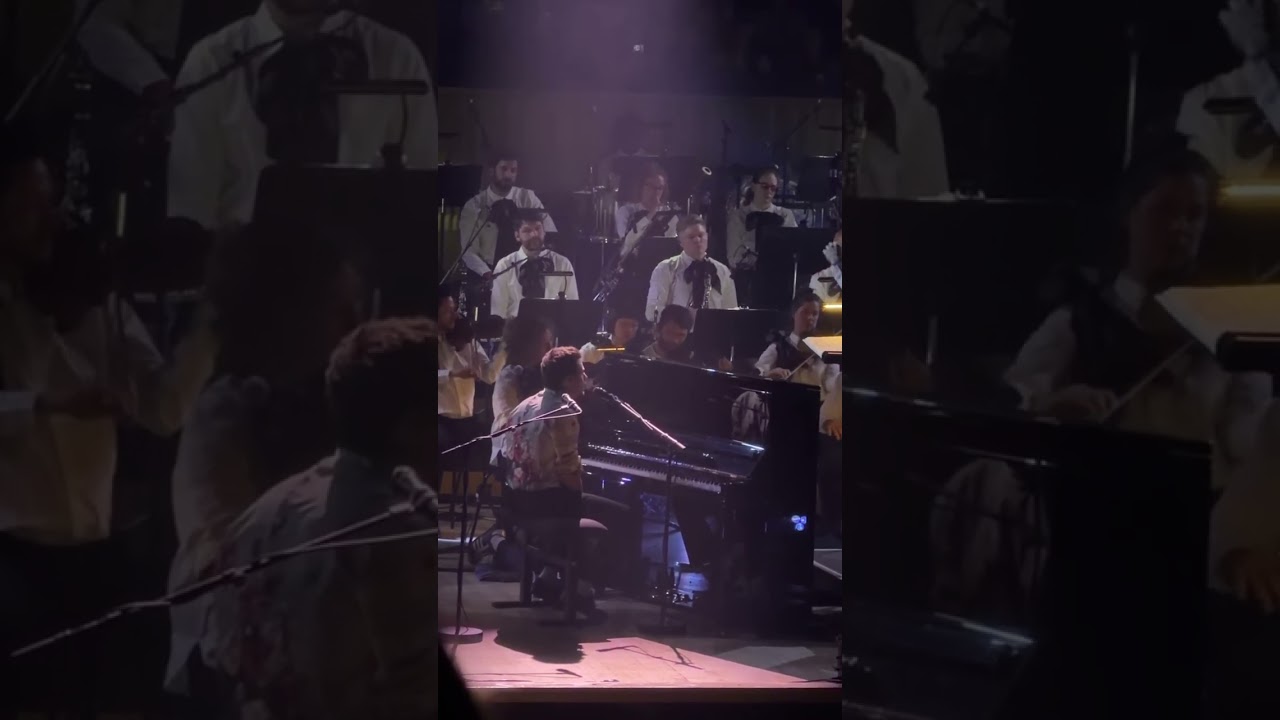
Davis’s instincts were right, as they often were. Bridge Over Troubled Water went on to sell 25 million copies and it became one of the most performed songs of the 20th century, covered by artists such as Elvis Presley, Aretha Franklin and Johnny Cash – and most recently in June 2026 by Harry Styles at the Meltdown festival in London.
Bridge Over Troubled Water documents the end of an era but it would also mark the beginning of the end for Simon and Garfunkel, who split up in 1971.
Paul Simon always recognised the strength of the song he had created.
“I have no idea where it came from,” he recalled in the 2011 documentary The Harmony Game. “It just came, all of a sudden… I remember thinking, ‘This is considerably better than I usually write’.”
As Dorian Lynskey notes, Simon reportedly said that he had written “my greatest song” and even called it “my Yesterday”.
Sadly, the success of the song, particularly when they performed it live, would eat Simon up.
Simon told Rolling Stone in 1972: “Many times on stage, when I’d be sitting off to the side, and Artie would be singing it, people would stomp and cheer when it was over, and I would think, ‘That’s my song, man. Thank you very much. I wrote that.’ In the earlier days, when things were smoother, I never would have thought that, but towards the end when things were strained, I did.”
Of course, the duo would partially reconcile and perform together again across the years and decades that followed, but their relationship remained complicated.
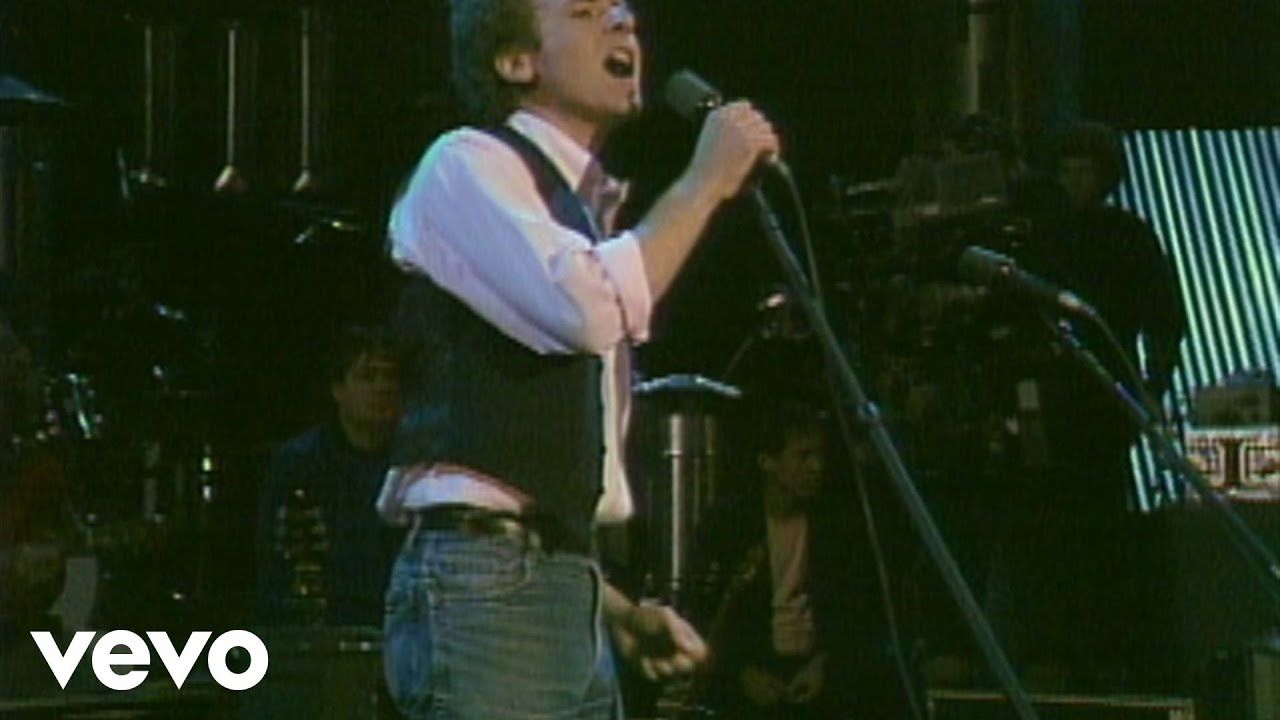
For Art Garfunkel, Bridge Over Troubled Water is a song that he reportedly feels privileged to have sung and one whose emotional impact has never worn thin.
“I’ve sung it 6,400 times,” he said in Classic Rock in 2023. “And every time, I get a little visitation of the power of a great song. To say: ‘Whoever you are, if you need some solace, I will try to be a moment of sweetness for you’, this kills me. To be the lucky one to express that, it moves me every damned time.”
