


People often speak about left and right-hand technique but for Carlos Santana playing the guitar is an act of mind, body and soul.
He made his bones in the San Francisco music scene of the late ’60s, his cresting genius consecrated with a legendary afternoon performance at Woodstock, whereupon he leaned into the psychedelic dimensions of an ill-timed acid trip to deliver a jaw-dropping set, bejewelled by a helter-skelter jam during Soul Sacrifice that opened up rock’s third eye to musical possibilities beyond blues-inspired sounds.
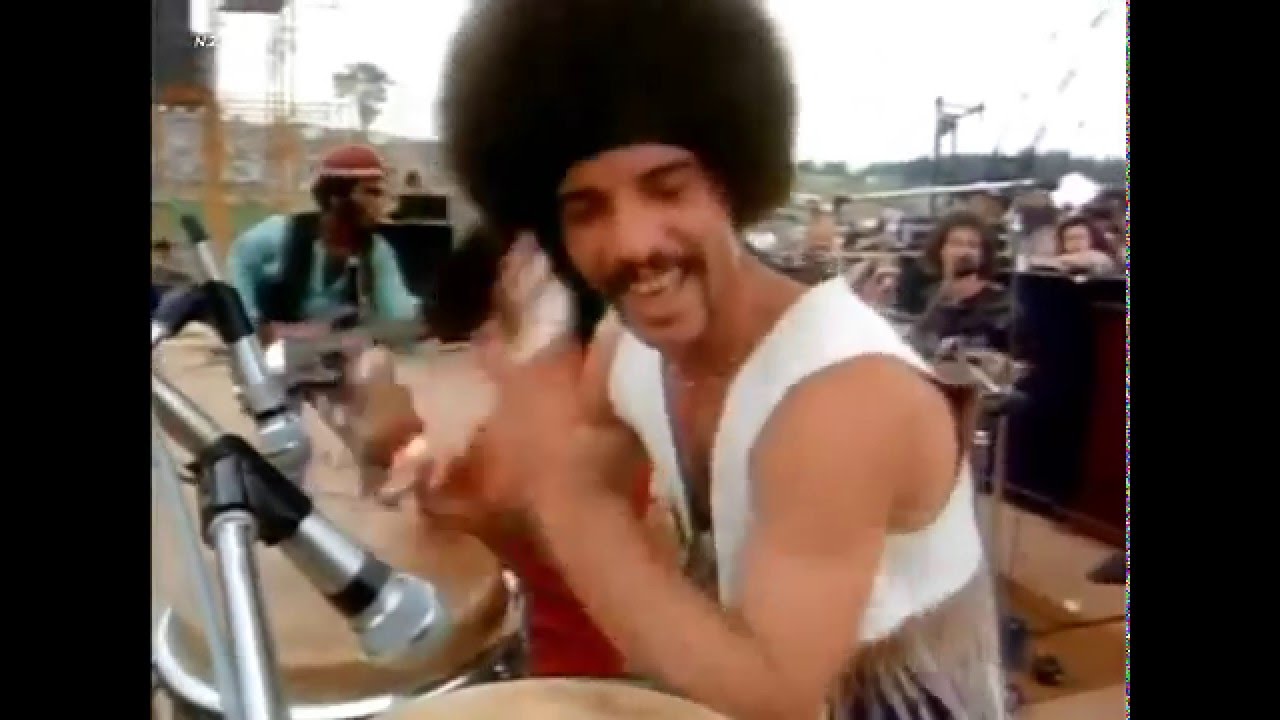
You can spot his guitar playing within seconds – the warm, quasi-horn tones of saturated overdrive, the conversational phrasing and instinctive modulation between major and minor. And yet it it somehow accommodates all who collaborate with him – a trick he pulled off to brilliant effect back in 1999 with the star-studded, multi-million selling Supernatural.
African rhythms, Spanish guitar, Miles Davis and John McLaughlin, Hendrix and Beethoven – for Carlos, it is all one continuum.
A true artist, he says, takes inspiration from it all. “As a musician, you have the nutrients and ingredients of many things in one note. In one note, you hear infinity’s breath.”
He might speak in spiritual allegories but the inference is clear. If you can put your heart and soul into one note you can do it with all of them.
In a 2021 interview with Total Guitar, he discussed his singular approach to music and life.
Collaboration is a spiritual thing
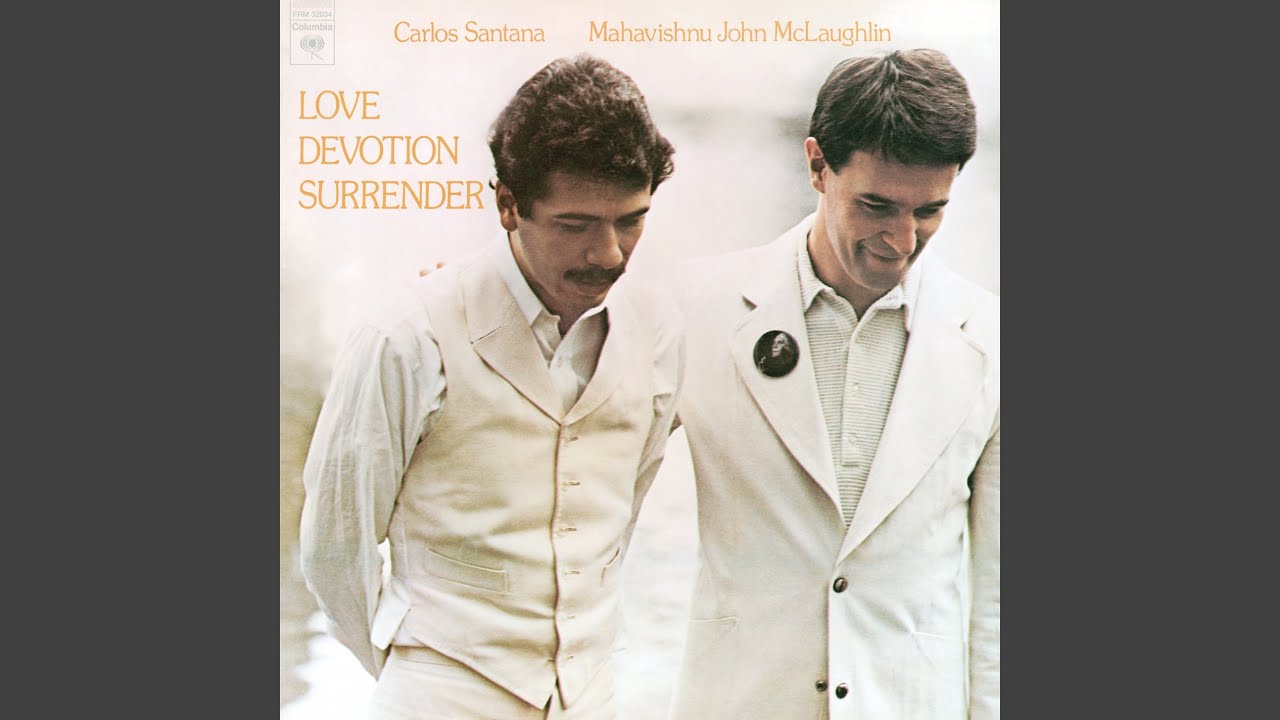
“When I was in the studio, in 1972, with John McLaughlin doing Love Devotion Surrender, it dawned on me that he trusted me, and he saw something in me that I was trying to see in myself. He saw something in me that Miles Davis saw in him.
“So there is a spirit in you that can complement anything that gets in front of you. It seems that the intangible becomes the tangible around me.”
Learn to take inspiration from all art, not just music
“Some people might scratch their heads and say, ‘What the hell’s he talking about!?’ But the best music that I ever heard is outside of time. Whether it is Beethoven or whether it is Jimi Hendrix or John Coltrane, time and gravity disappear when you hear that frequency, sound and vibration from those musicians.
“And you can’t practise that. You can only get out of the way and let the spirit take over your fingers and your mind, and articulate a language of light.”
Look beyond the guitar
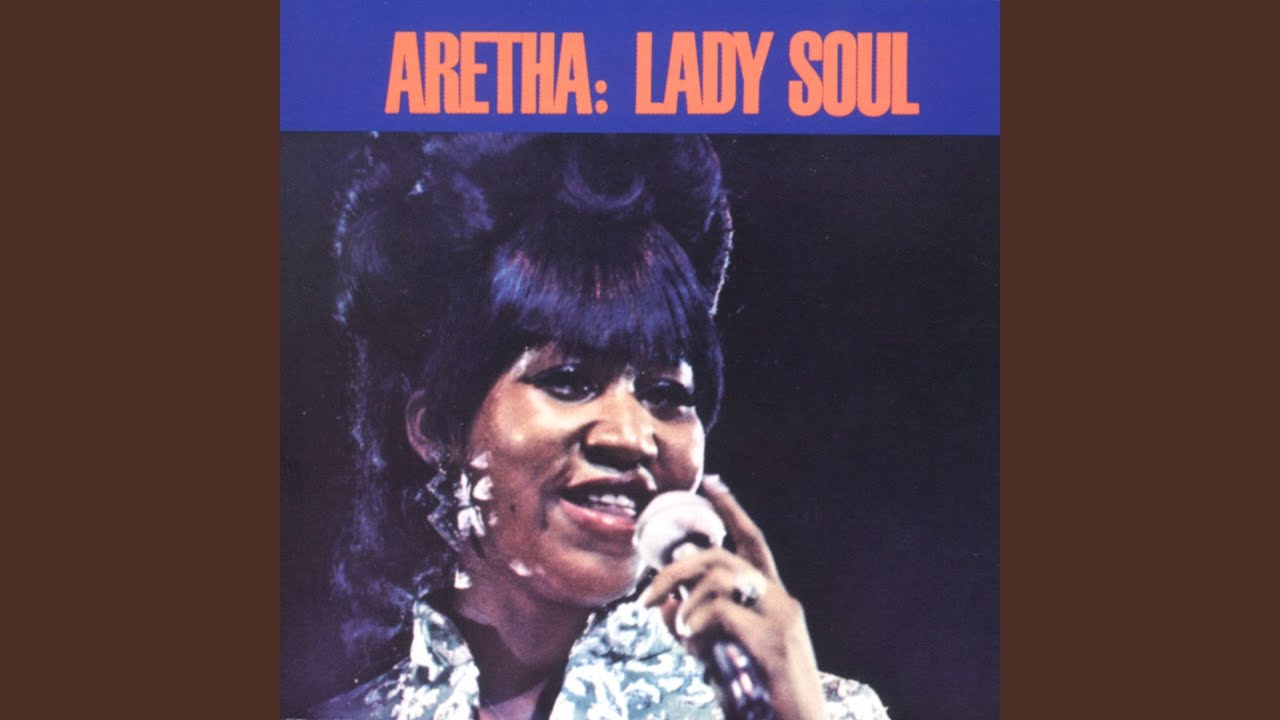
“While everybody was experimenting with pedals I was getting closer to Aretha Franklin. I was playing my guitar to [Aretha’s classic album] Lady Soul, or Mahalia Jackson, or Billie Holiday, or Dionne Warwick. I wanted it to sound like a female. I wanted my guitar to sound like the voice of my favourite singers – Nina Simone, Etta James, or Tina Turner.”
Do what Miles Davis tells you
“One day, I was in an elevator with Miles Davis, and he said, ‘Hey, do you got a wah wah yet?’ ‘No, I don’t play a wah wah.’ He says, ‘I got one!’ I say, ‘You’ve got a wah wah pedal?’ ‘That’s right! You gotta get a fuckin’ wah wah!’ Miles is the one who told me to get a wah wah pedal.”
Chase melodies if you want to your music to last
“That comes from following and learning African music, call and response – y’know, like church music. ‘Somebody say Amen… Amen! Hallelujah!’
“So, yes, I learned to respect the singer, never to step on the phrasing of the vocals. While some people practise what they want to practise, which is either chords or theory, or harmony, I practise making melody become eternal, because when you go home after a concert, what you are going to remember is how that melody made you feel.”
Talent borrows, genius steals
“There are times when I hear my brother Sting quote Spartacus: ‘Do-dee-do/do-dee-do/do-dee-do-dee-do-dee…’ And that’s because the theme from Spartacus is very, very haunting. Great musicians quote other melodies that make time stand still.”
Free your mind and the rest will follow
“I grew up in San Francisco around ground zero for consciousness revolution! Which was Jerry Garcia, The Grateful Dead, Quicksilver Messenger Service, and a lot of bands like that.
“Me being a teenager growing up in San Francisco, I also discovered Mongo Santamarìa, Miles Davis, Bola Sete. The way that Michael Bloomfield and Jerry Garcia articulated East-West by Paul Butterfield, this was like hippie music, like The Doors. It was like discovering Ravi Shankar and Ali Akbar Khan, and blending it with John Lee Hooker.
“And so I thought, this is fascinating! This is like alchemy – combining John Lee Hooker with John Coltrane? What a concept!
“Discovering Spanish music, or discovering Segovia, Paco de Lucìa, and many more of course, there is something very masculine about Spanish music. It is very masculine! Which, for me, is a perfect blend because I grew up listening to Aretha and Dionne Warwick, and so the perfect blend of feminine and masculine is very sexy!”
Find a guitar that works for you
“Paul Reed Smith convinced me that he was on the crest of creating something. At that time, there was only two, maybe three guitars that I liked – Gibson, Fender, and I never, with all respect, got into the Gretsch guitar sound. I didn’t feel like I wanted to create melodies with that, but it was easier for me to articulate with Gibson and Fender.
“Paul convinced me that he was creating another element, that it was a different voice, and God bless his tenacity to pursue something with such passion because he became, right there, in the middle of those three – Gibson, Fender, Paul Reed Smith, Gretsch. There are other guitars, such as Yamahas, but the top three are Gibson, Fender and Paul Reed Smith.”
Bruce Lee was right – you’ve got to be like water
“The more you focus on your spirituality, the easier it is for you to complement anything that gets in front of you. I don’t want to be anything but water, like [martial artist and actor] Bruce Lee said, because water quenches the thirst and it goes with everything.
“Sooner or later, you’ve got to drink water. You can drink whisky, bourbon, Scotch, tequila, but sooner or later you’ve gotta drink water. Water is pure and is life.
“Living water is spirituality, so with John McLaughlin we both focused on spiritual discipline. It is more exciting to become happy and forever young – like Bob Dylan says! – with purity and innocence, pursuing The Doors, and pursuing John Coltrane, and pursuing John Lee Hooker. If you stay like that then you will achieve your goal to be eternally relevant.”
Not everyone can play at high volume
“I was looking for a sustain like Peter Green on Supernatural. I was looking for a voice. It always comes down to a voice.
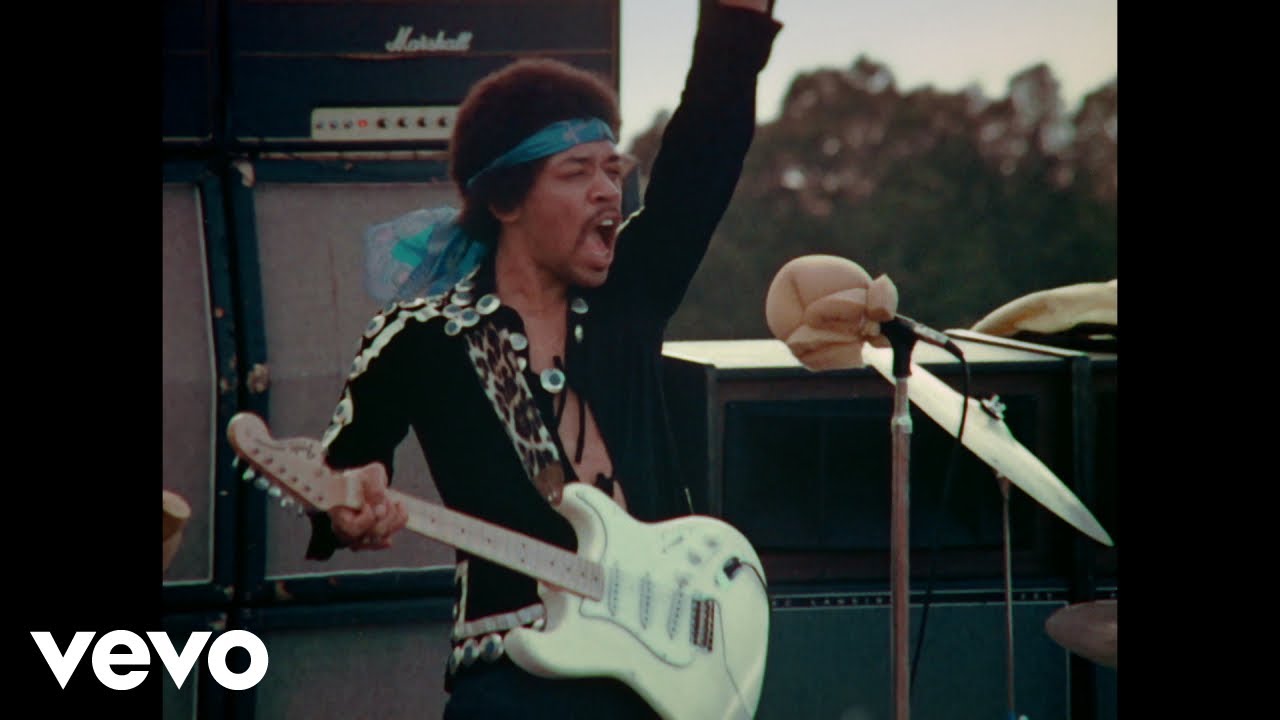
“I have only heard one person outside of Jimi Hendrix that could play with that volume with Marshalls. Cream was there. Led Zeppelin was there. Jeff Beck was there. But with respect to all my brothers, only Jimi Hendrix and Stevie Ray [Vaughan] found another way of articulating with this galactic sound!
“It’s not easy to sculpt beauty at that volume. It’s kind of like John Coltrane, when he starts scaring people, with sheets of sounds. Sometimes, it’s almost like it’s too much for your brain to take in. That’s why they say, ‘It blew your mind.’ That’s where that came from. Jimi Hendrix blew everybody’s mind.”
Use the energy in the room
“Tension is always a good thing, especially when you create vibrant energy. Vibrant energy gets rid of boringness, and predictability.
“Only boring people are bored. All the people who are bored are boring people. People I know are never bored because they are always striving and searching for a new way to enter the unknown and unpredictability.”
To thine own self be true
“What I have learned is that I am always teaching what I need to learn, and what I need to learn is always honesty. Be truthful, be sincere, be authentic, be individual, and play music to bring hope and courage.
“Anybody can learn from books, scales and chords and all kinds of things, but the thing you cannot teach is something that you have already but you have to learn how to bring it out. It’s like John Lee Hooker said, ‘It’s in you and it has to come out!’”
A good example of what Carlos Santana means when he alludes to Bruce Lee and being like water is the ability to inhabit different musical styles at the same time, taking a magical mystery tour through electric blues, through Latin and jazz styles. One way he does that is augmenting traditional blues and rock pentatonic scales with the Dorian mode, and using this to inform his chord progressions and solos.
You can hear how he uses this in action on his signature cover of Tito Puente’s Oye Como Va and Evil Ways.
Santana will often use a I-IV minor to major chord progression; for instance, in A minor, he might play an Amin7 then follow it with a D major.
Indeed, grab your guitar and alternate between those two chords and you’ll start to make sense. Or as Carlos says, the spirit will take over your fingers, and will hopefully do the rest.
Santana’s rig is pretty simple and yet pretty much impossible to replicate. Even if we had the money, there’s no guarantee we could find the amplifiers, because he runs his signature PRS into some bona-fide unicorn amps – a Dumble Overdrive Reverb, Bludotone Universal Tone heads, not to mention his original Mesa/Boogie.
Typically, there’s not much on his pedalboard, maybe a Real McCoy Custom RMC4 wah pedal – in case Miles is checking in on him on from on high – and a custom line driver from Pete Cornish.
It’s all about the sustain. How can we replicate this?
Well, the guitar is not too much of a problem. The PRS SE Carlos Santana is widely available for around 700 bucks, and it is superb.
Amp-wise, we’d say get an affordable tube amp such as a Laney Cub-Super12 (we’re talking £399 street) and stick a boost or overdrive pedal such as a Fender Santa Ana (£149) in front of it until you have just enough saturation for that warm, trombone-like sustain.
Don’t forget a decent tuner. Santana is meticulous about his, and uses Peterson Strobe tuners.
