


It sounded like a song from a bygone era – and that was exactly how the band had planned it.
I Believe In A Thing Called Love was the breakout hit for The Darkness in 2003, and as rhythm guitarist Dan Hawkins recalled: “We just tried to write the most ’80s song we could.”
This was the third single lifted from the band’s debut album Permission To Land, and it rose all the way to No 2 on the UK chart. It was also a top 10 hit in Sweden, New Zealand and Ireland, and achieved heavy airplay in the US.
I Believe In A Thing Called Love was written by all four members of the band’s early line-up: Hawkins and brother Justin (lead vocals and lead guitar), Frankie Poullain (bass) and Ed Graham (drums).
Speaking to Total Guitar in 2020, Dan Hawkins described the making of this classic rock anthem.
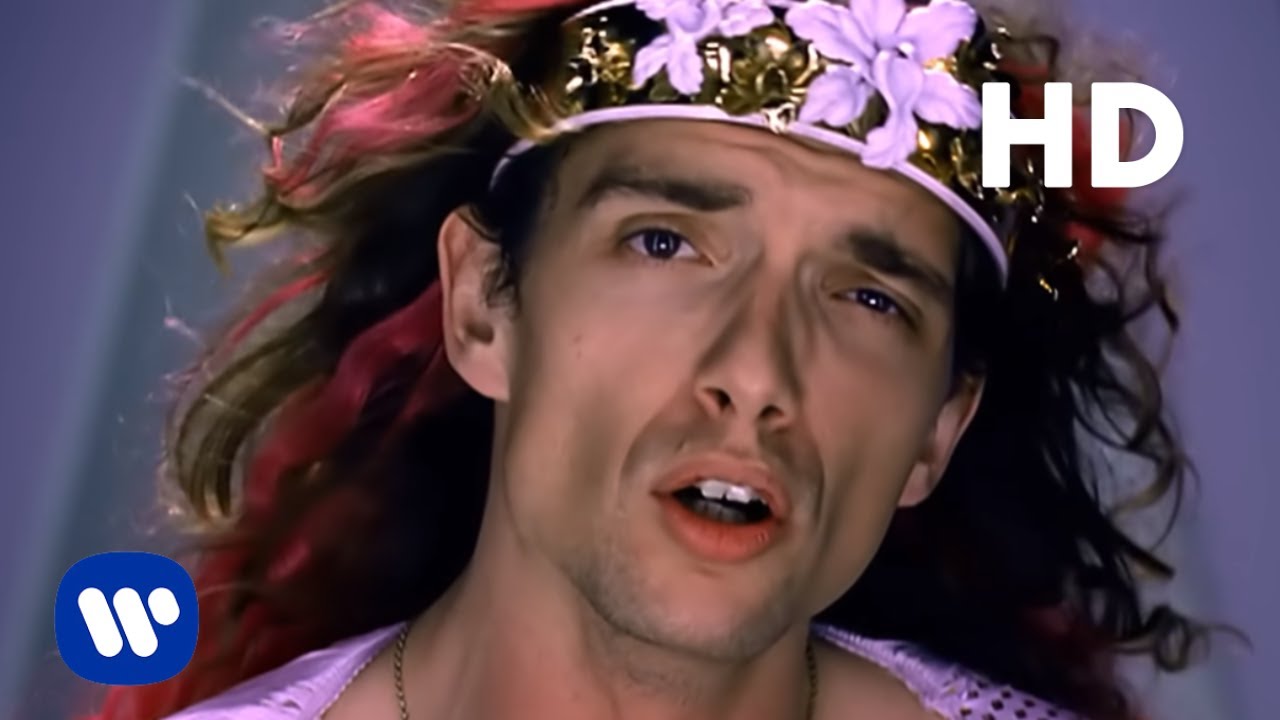
“I Believe In A Thing Called Love was such an important song for The Darkness, but when we wrote it I really wasn’t sure about it,” Hawkins admitted. “The chorus is so stupidly catchy, I thought people were just gonna take it as a complete joke!
“Right from the start, this song stuck out like a sore thumb. It’s at the Def Leppard/Queen end of what we did, whereas 90% of our stuff was inspired by 1970s AC/DC. And Aerosmith. And Thin Lizzy. Oh, I could go on!
“Writing it was a real collaborative effort. Me and Frankie shared a top-floor flat in Primrose Hill in London, which sounds posh, but trust me, it was a shithole! Justin would come over and the three of us would write in this flat, jamming on an acoustic, because we couldn’t afford to write in a rehearsal room.
“We started with the riff, which Justin came up with. It sounded really great right away. But when he sang the chorus for the first time, I just said, ‘No, you can’t do that – it sounds ridiculous!’
“I really thought people would just laugh at us when they heard it. So for the rest of the song, I tried to make it sound cool, more ‘rock’. The rest of the song is all in minor key.”
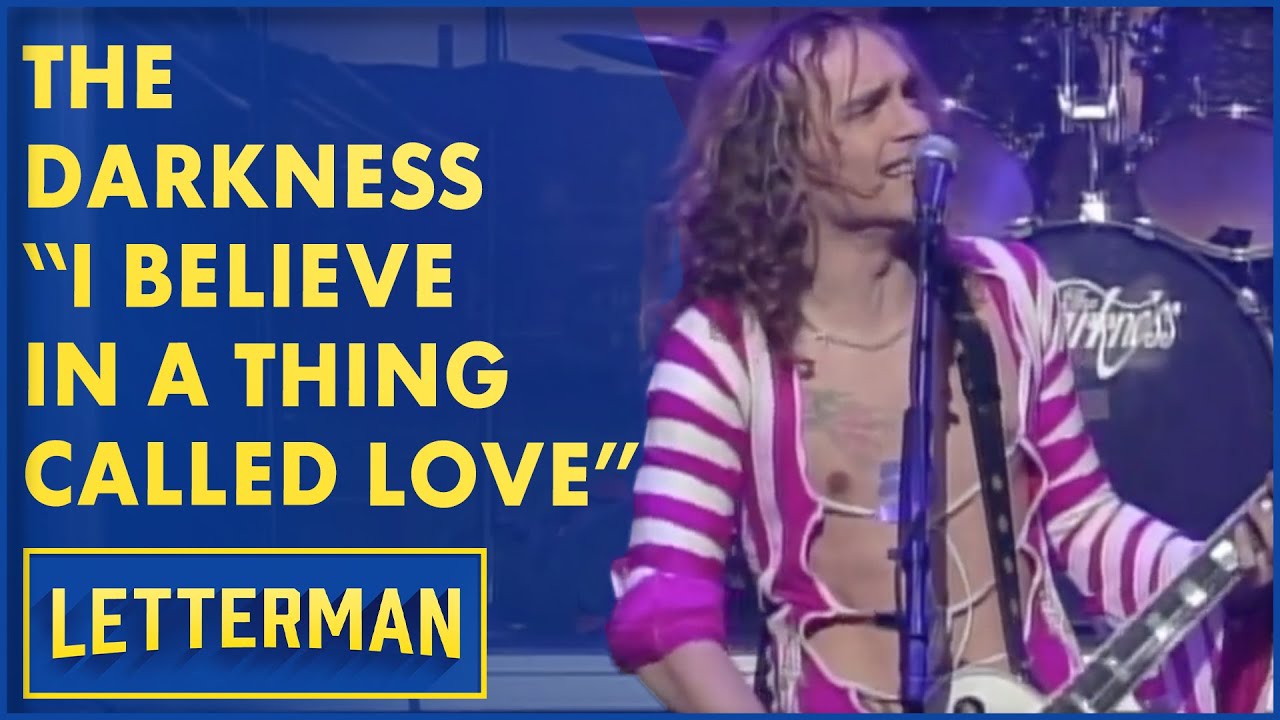
He continued: “Back in 2003 when I Believe In A Thing Called Love was released as a single, you never heard a guitar solo on the radio. But this song was designed to have guitar breaks in it. It was built towards the solos as much as the chorus.
“I was so unsure that we debated about playing the song live. But as soon as we did, people loved it. It’s party music, and it just gets people going.”
As a perfect pair of guitar-toting siblings, much like their heroes Angus and Malcolm Young were in AC/DC, Justin and Dan Hawkins have very different personalities both in person and on guitar. I Believe In A Thing Called Love saw them go head-to-head over the song’s two main solo sections.
It’s younger brother Dan who first steps up to the challenge after the second chorus, running through some E major pentatonic ideas around the bottom of the neck before heading up higher for some octave bends and bluesy ideas around the ninth fret – which would be the relative minor pentatonic three frets down from the major position found at the 12th fret.
Dan is typically known as the less flamboyant persona out of the pair, and his contributions are more country-leaning and laidback than Justin’s solo, which begins after the final chorus and lives in more of a bluesy world.
Justin starts his solo with a minor seventh to octave bend up at the 15th fret, also harmonised up a major third before some minor pentatonic lines around the twelfth fret. Then there’s a climbing run on the high E, fretting notes from the E major scale while pedalling against the open string, starting down at the fourth fret and eventually ending at the very top of his black Les Paul Standard’s neck on the 22nd fret where there’s one final whole tone bend up to the root.
This kind of single string idea can also be heard on rock classics like AC/DC’s Thunderstruck and Iron Maiden’s Wasted Years, and is an effective tool for making something sound a lot more complicated than it actually is, allowing guitarists to incorporate some wide intervallic leaps against what often tends to be the key centre.
For the outro of I Believe In A Thing Called Love, the band head back into the main riff – which is built off the first six notes of the E major scale, also known as the Ionian scale, and then there’s one final flurry of notes from Justin using hammer-ons and pull-offs before its closing stab.
In this song, neither solo would sound quite as good without the other, which is what makes it such an enduring celebration of their contrasting yet perfectly complimentary personalities as musicians.
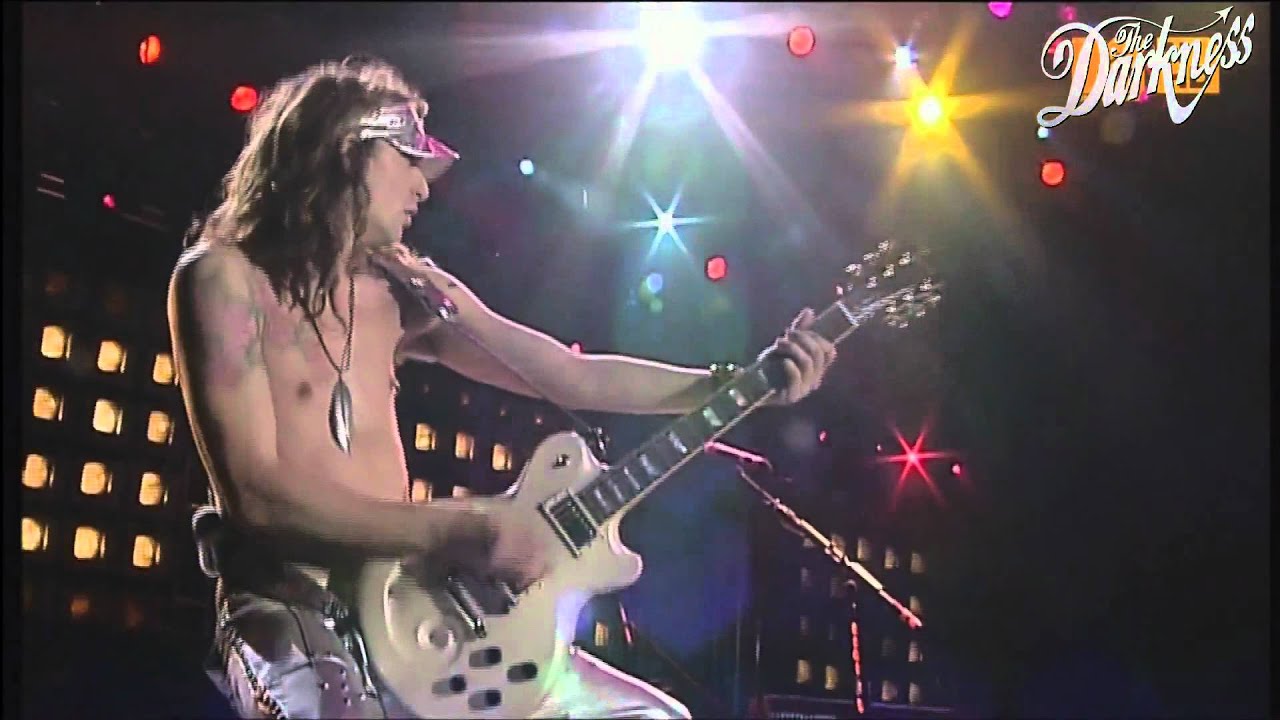
As Justin Hawkins told Total Guitar: “I enjoy listening to Dan’s lead work because he does things that I’d never think of. He probably likes my stuff for the same reason.
“We know how to enjoy each other’s playing and not see it as a competition. It’s all about whatever’s best for the song – and it takes a while to learn that, but it’s the most important thing. Make sure the song works, otherwise nobody will listen and it might be totally pointless.”
