
“The physicality of hardware and making mistakes are important elements in my process,” says electronic producer James Adrian Brown. “I have some broken seventies synths but I’m not getting them fixed, they make these incredibly unique sounds and that’s part of their beauty. I don’t even know what some of my synths will do until I turn them on - and I love that.”
Previously guitarist with Leeds band Pulled Apart by Horses, James released four much-loved records and toured the world with the group before opening up this latest electronic chapter.
His debut album, Forever Neon Lights, revolves around his infatuation for synthesisers and music production hardware - an obsession he’s poured into the record’s bold instrumental tracks alongside memories of time spent in the seaside town of Blackpool as a child.
Initially, James had started writing from a dark place of mental health struggles but, as he worked his way through the music, he discovered a new sense of optimism.
“My dad used to take me and my sister to Blackpool when we were kids for the illuminations on the promenade,” he says. “I remember being really young and thinking that Blackpool was the greatest thing I’d ever seen. It was almost like this symbol of hope and I had this idea to go back and see if I could put together an album inspired by the town - after a few visits, I realised I could.”

The music that forms Forever Neon Lights came through numerous trips to Blackpool with James taking in the amusement arcades littering the town’s seafront. He roamed around the town capturing recordings with a newly-acquired Photon Smasher from Clip Sound.
“A friend introduced me to this solar panel device with a synth oscillator, it creates rhythms with different frequencies in response to light sources,” says James. “I spent a week running around the city with a Zoom field recorder and the [Photon Smasher] recording everything I could.”
Rather than the geography itself, James’ inspiration took in the penny machines and grabbers alongside the illuminations. Being in Blackpool out of season also showed off a different side to the town, removed from the stag and hen parties it’s often associated with.
“I was there at the end of 2024 and it had this David Lynchy-vibe to it, everything was closed and the streets were empty,” James explains. “It was a really eerie ghost town, although they had just turned the illuminations on. It was strange but let me absorb the flip side to the grittiness of a Saturday night. It does get a lot of bad press which is a shame but the front with the lights is pretty magnificent.”
Once the Photon Smasher’s recordings of the sea and arcade were archived, then James set to work tuning and layering audio. By compiling different files, James was able to build pads and sound beds, then went back to Blackpool again to record with them.
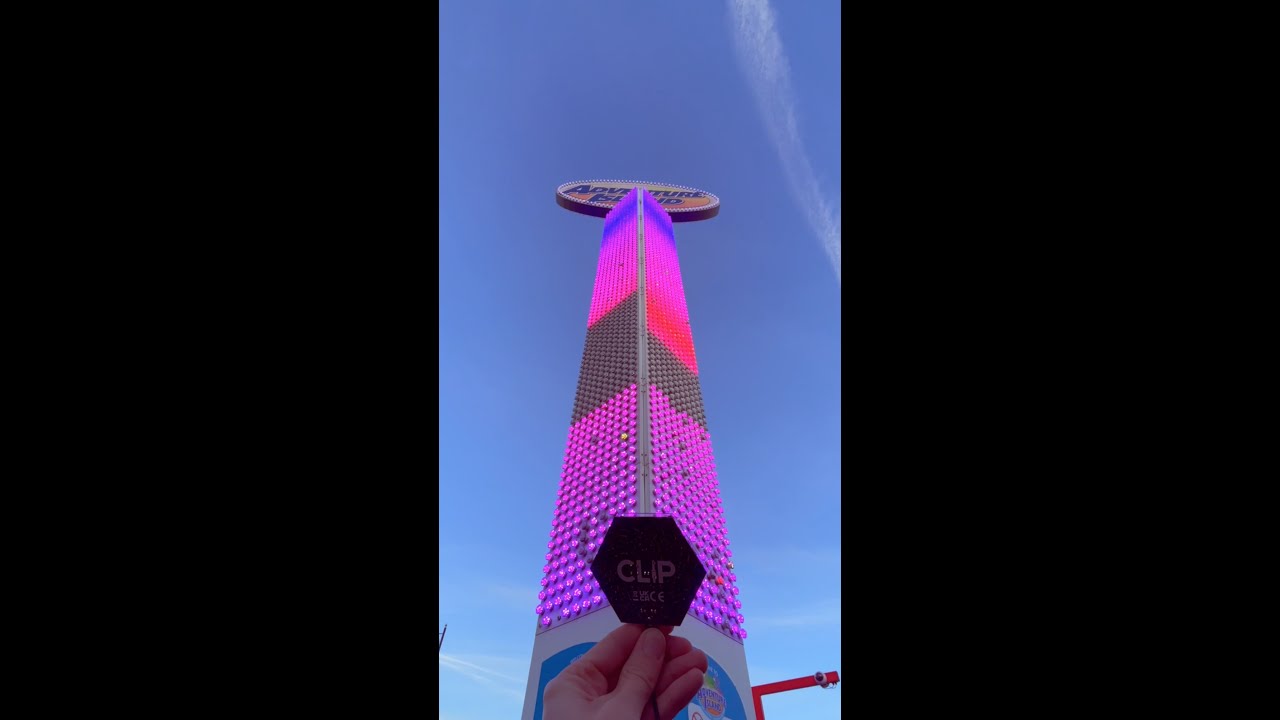
“I set up shop in the Showtime Museum that had this amazing huge window with these views of the coastline and the lights,” he says. “I just started performing live on top of these sound beds.”
“It took some time to create all the pads, then at that point, just being in Blackpool was so inspirational. I can find it difficult to sit and write my own music in a studio, I've now worked out that I need to see and experience things to come up with good stuff.”
The world around him now plays an important role in shaping James’ music, a contrast to his time in Pulled Apart by Horses when responding to other band members would light musical chemistry.
He’s now looking to realise the potential of recording as a solo artist with music veering between the ethereal soundscapes to sheer synth abrasion.
“I’ve noticed that when I work alone, I’m slow, I’ll sit and over-think,” he says. “If you take yourself out of your comfort zone, the way you think changes. It plays a massive part in my electronic music, otherwise I just spiral and spiral.”
James sees the eponymous title track of Forever Neon Lights as one of the record’s musical highlights. Featuring only one synth, there are layers of field recordings stacked on top of each other and was one of the earliest recorded pieces.
“The idea was to avoid using too many instruments and introduce listeners to Blackpool,” he says. “It was one of the first tracks I put together and it was only when I went back to it that I realised it had actually worked. It really surprised me, it didn’t need much mixing or production.”
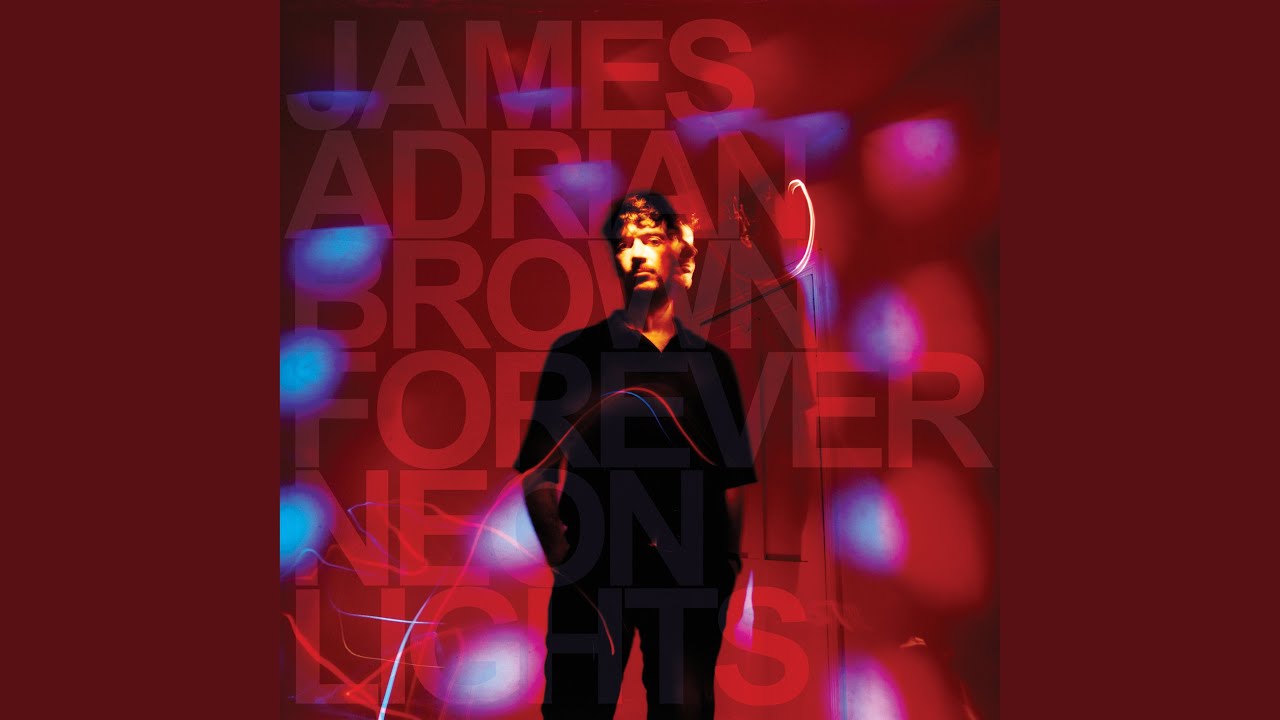
The final song, Remember, came on the last day of recording in Blackpool, and is made out of a chord progression inspired from watching the tide coming in.
“Six months later, I dug it out and was really surprised again,” James says. “It’s just not easy for everyone to have the luxury of time but I find it so important when it comes to making music - you need to be able to write and record without any pressures.”
James’ approach to music-making is to try and be as creative as possible - save any recorded material, then return to mould and add shape to his ideas.
“I try not to be too precious on anything to start with,” he states. “A lot of my Blackpool time was about recording ideas, then having time away before returning with a fresh approach. You can come up with a nice synth sound and immediately want it to be a song - but it doesn’t really happen like that for me.”
James is also a self-confessed gear nerd, a music-maker constantly seeking out new pieces of kit to introduce to his studio. Various tape machines, pianos and pedals are at play within an immersive ambient world reminiscent of a giddy Rival Consoles or Boards of Canada.

“It’s like an addiction, I still love guitar music, but I feel like I can express myself more in electronic music,” he laughs. “I can’t go on Instagram, my reel is all hardware and I get sucked in.”
The Korg MS-20 is James’ main synth, and a piece of kit that features on every track on the record.
“It’s a force to be reckoned with, it’s the MS-20 reissue and such a solid workforce,” he says. “It’s really easy to get lush sounds once you know how to. I’ve also got an Arturia Beatstep Pro Sequencer, that’s my other main weapon, you can sequence anything with it.”
James works out of his Manchester studio where he hoards outboard gear and hardware. Rather than having all of his equipment switched on and ready to go, he builds a rig in the middle of the room to play with before pressing record.
“It could be the MS-20 going into a reel to reel, then a Korg delay, I also have an ARP Odyssey with a bass sequencer,” James explains. “I set up the rig and experiment with it, I love being able to grab and change things until something sounds right or makes me feel something.”
James has spent years in bands and is now making a name for himself as a solo artist. There are different learnings surrounding how he approaches this creative studio process now he is operating on his own.
“There’s much more work to do and it feels more intense with the record coming out,” James says. “At the same time, I have creative control, there’s no one else to argue with and I feel free. There are no limits, which is perhaps the best part, if you feel inspired you just do it - nothing can stop you other than yourself.”
He’s also cautiously optimistic about the current musical landscape he’s operating in with music fans growing more aware of the need to support artists on their endeavours.
“It’s a tricky time but it’s definitely not a bad time, I think people are growing more frustrated by inflated ticket prices, and more aware of how much effort goes into albums by indie musicians like myself,” James says. “I never thought I’d be able to sell out vinyl and CDs on Bandcamp, it’s an amazing feeling to see this.”
Prior to his solo release, James also worked with Benefits’ Kingsley Hall and Robbie Major on producing their record, Constant Noise. The follow up to debut Nais, it’s a departure from the wall of noise, guitars and synths on their early musical releases.
“It was only when Kingsley sent over the demos that it became a concept record, and when I came to realise what he wanted to achieve, I was over the moon, it was right up my street,” he says.
Part of the process involved tracking down collaborators including Pete Doherty. Proving to be elusive, James and Kingsley located him at a show at Salford’s White Hotel.
“We’d been speaking to his management and agreed we’d turn up to the show and record his vocals there,” James says. “We did it in the dressing room, it was just the strangest experience - his vocals were improvised and you can hear all the atmosphere from the venue which we kept in the final version.”
While James is finding his way through electronic music, 2026 is looking to be full of excitement following the album’s release in late January. More touring is anticipated and recording for a follow up is expected soon too.
“The number one rule for me as a producer is to take time,” he says. “When I first started producing electronic music, I would try so hard to get fully-formed tracks written and produced. But my best output doesn’t come from speeding through it.nYou need to know when to stop, park it and walk it away no matter how desperate you are to get a track done.”

Despite his love for musical hardware, gear and equipment, James is also wary of falling down too many technological rabbit holes too.
“I always need to find the chord progressions and sequences first,” he says. “My advice is to get on a synth and just work on that for your ideas before sculpting sounds. It’s too easy to get sidetracked by flashing lights and new pieces of gear."
