
Neil Diamond was already a major star by the mid-’70s when he hooked up with influential musician and famed Bob Dylan associate Robbie Robertson. But this was a partnership that inspired one of Diamond’s greatest and most adventurous albums.
The New York-born singer-songwriter had racked up a host of hit records since the late ’60s, with a series of US top 10 singles including Cherry, Cherry, Sweet Caroline, Holly Holy, Cracklin’ Rosie, I Am… I Said, Longfellow Serenade and the No.1 smash Song Sung Blue.
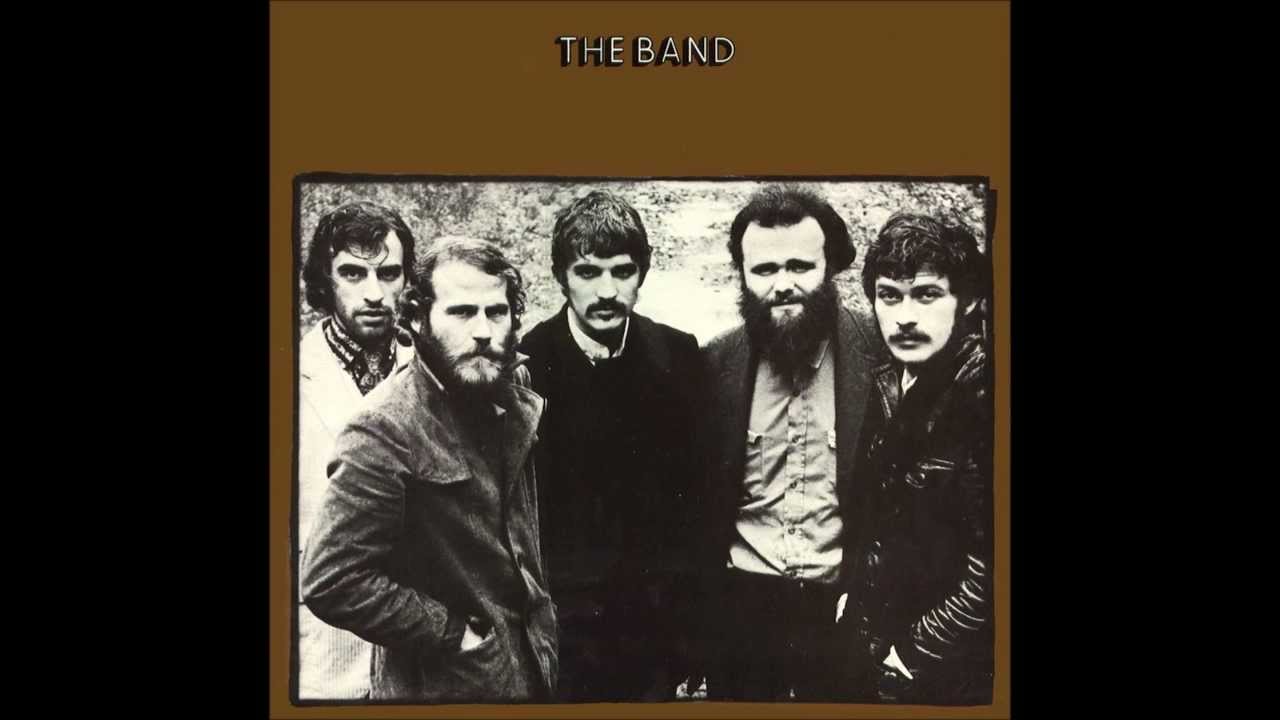
In the same period, Toronto-born Robbie Robertson had played lead guitar in Dylan’s backing group and had also led The Band, whose debut album Music From Big Pink and self-titled follow-up were landmarks in the development of roots-rock and Americana.

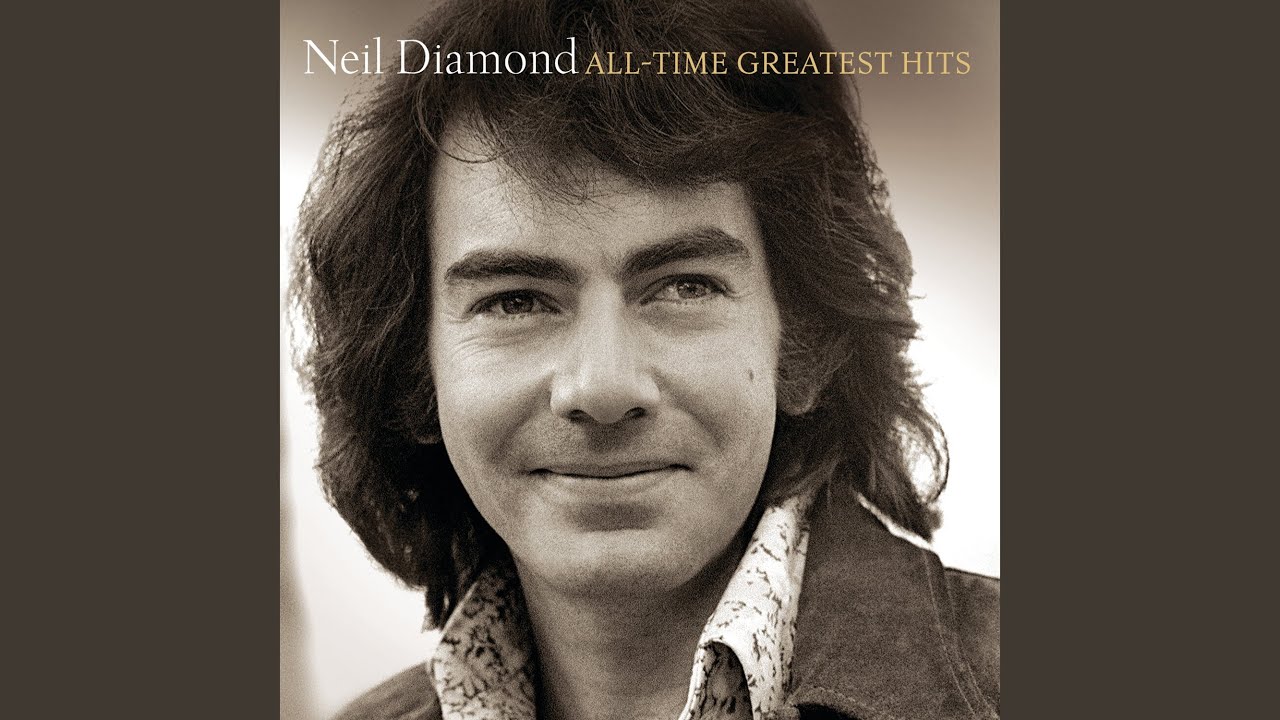
In a 2008 interview with Q magazine, Diamond talked about the album he made with Robertson as his producer – titled Beautiful Noise.
He began by explaining how he and Robertson first became acquainted.
“We’d only known each other peripherally,” Diamond said. “We lived in the same neighbourhood in Malibu. We had a lot of things in common, like kids the same age, and our wives were friendly.
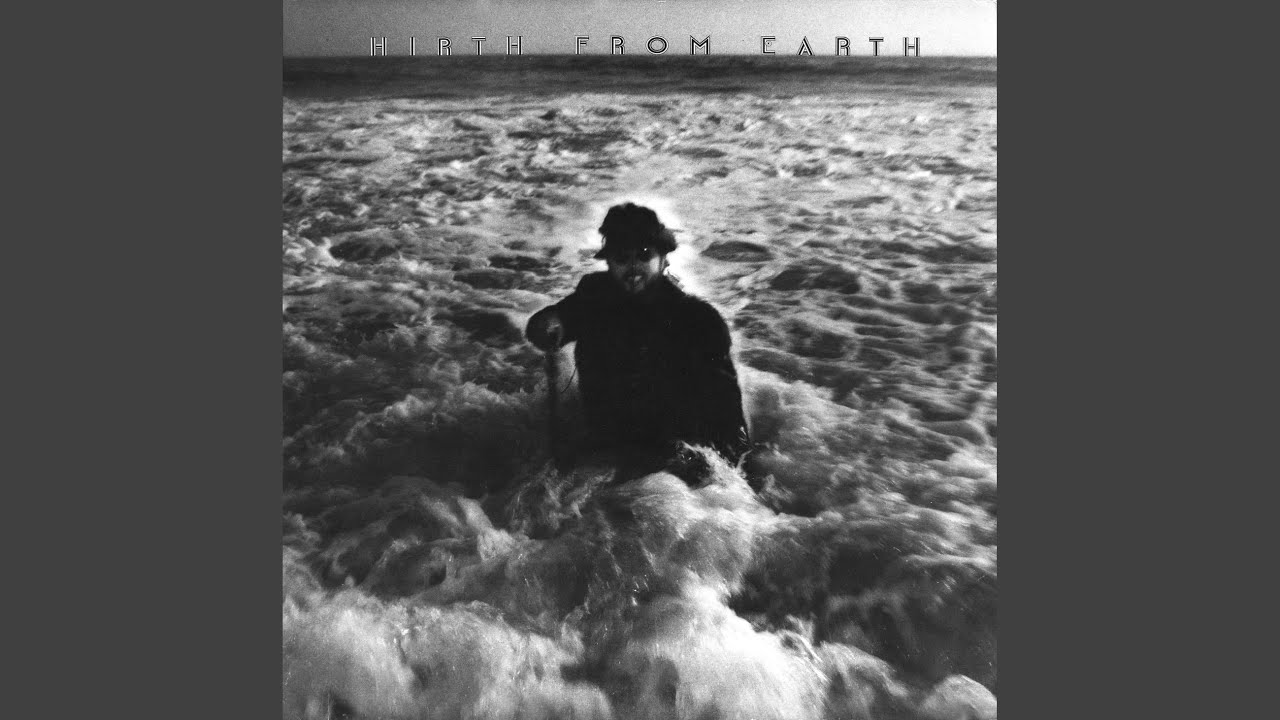
“So Robbie and I would chat every once in a while. And I didn’t know he was a producer, but I found out he’d produced an album by an artist named Hirth Martinez.
“I was pretty impressed with that album, and I thought, well, maybe he’d be interested in working with me. So we talked about it. And I said, ‘Let’s talk about it some more!’”
Despite his star status, Diamond felt the need to prove himself to Robertson, and so undertook a form of audition.
“I really wanted Robbie to do this album,” he said, “and I wanted to write a song to convince him, so that he would say, ‘Yeah, I’ll do an album with you.’ So I wrote that first song, I played it for Robbie and he did like it.”
That song was the album’s title track, and it came to him during a trip with his young daughters from their home in Los Angeles to the city where he was born and raised.
He recalled: “We were at a hotel in New York, I was with my two little girls, and we we were on the fourth floor. The kids were playing with colouring books in the living room and the windows were wide open, and right beneath us on Fifth Avenue there was a parade going by – a Puerto Rican Day parade. There’s always some kind of thing going on in New York.
“The music was amazing! It was full of rhythm and joy. And Marjorie, my daughter, was just struck by it. She stopped what she was doing and said, ‘What a beautiful noise, daddy!’
“Just the combination of those two words, beautiful and noise – boom! I picked that up. I had to write a song with those words. These things happen, but you have to have your antenna up, and I did.”
This song would be one of three singles lifted from the album along with Don’t Think… Feel and If You Know What I Mean.
The album was recorded at three LA studios – Shangri La, Kendun Recorders and Village Recorders.
Among the many high profile musicians backing Diamond were drummers Jim Keltner, Jim Gordon and Russ Kunkel, guitarist Jesse Ed Davis, future Toto mainstay David Paich on Fender Rhodes and piano, and both Dr. John and Robertson’s buddy from The Band, Garth Hudson, on Hammond organ.
In return, Diamond would perform this album’s final track, Dry Your Eyes, with The Band at their farewell show at the Winterland Ballroom in San Francisco on 25 November 1976. The concert was filmed by Martin Scorsese for the documentary The Last Waltz.
Beautiful Noise, Diamond’s tenth album, was released on 11 June 1976.
Diamond told Q: “The album was one of my best all-round efforts, I think. I like the variety of material. I like the various moods. I think Robbie did an exceptional job producing it. And I was able to fulfil a couple of dreams and ambitions with that album.
“When you start writing songs you start very simply, a few chords. And then, as you progress, the chords become a little more convoluted, and the lyrics and the melodies. You’re always moving forwards.
“And then I reached a point where I thought, ‘Wouldn’t it be great to write a song with just one chord?’ And I did. It’s one of my favourite songs on the album. It’s called Street Life, and it’s only got one chord in it.
“Of course it had a brilliant arranger, a jazz musician named Bob James, to keep it interesting – but I used every trick that I knew in the book to keep it interesting as far as melodically, going to crazy, nutty places. And in the restriction of writing with one chord I found a freedom that I’d never found before, where you have to follow the sounds and the emotional content.
“I could do anything – anything – in that song. Even when I was writing it, I said, ‘Well, let’s see what would happen if I’d just make one chord change.’ But no, it was wrong. That song had to stay on that one chord to maintain the tension of the whole thing. So that was a little kind of inside thing for myself as a writer that I had fulfilled. The song, I think, was good.”
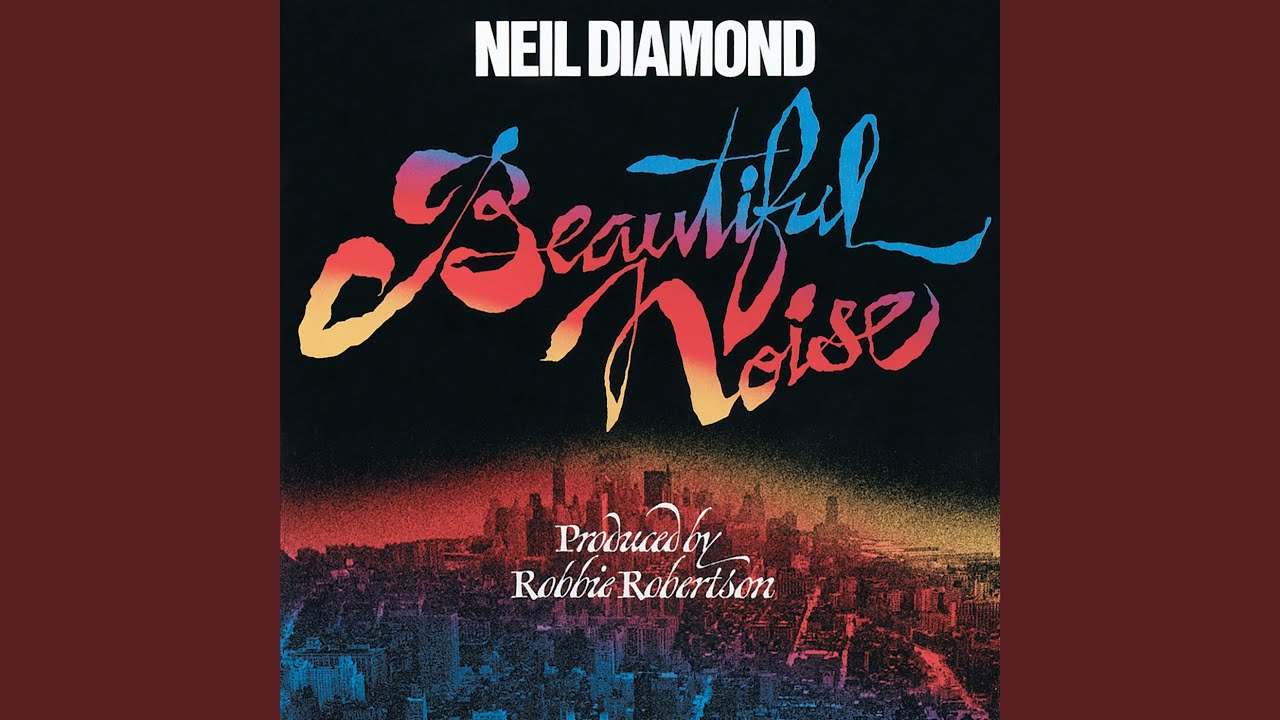
Such was Diamond’s satisfaction with that album that Robbie Robertson’s producer credit was on the front cover.
Diamond explained: “I thought he’d produced a brilliant album and I thought he should get starring credit. He didn’t ask for it, he didn’t even know, it was probably a surprise, but I felt he deserved it.”
Diamond insisted he was not using Robertson’s name for its credibility value.
“No,” he said, “it was just a way to thank him. He’d spent a year and a half of his life, just like I’d spent a year and a half of my life, every day, working on the music for that album. It was just my way of saying thank you for giving me that year and a half and putting your talent out there for me.”
He said in conclusion: “It’s still one of my all-time favourite albums that I’ve ever made.”
