
By the early 2000s, Neil Diamond had already sold more than 120 million records in a career spanning over 40 years – but it was with famed producer Rick Rubin that Diamond created his first US No.1 album.
Their first collaboration was on the singer’s 2005 album 12 Songs, which reached No.4 on the Billboard chart. But the follow-up Home Before Dark hit the top spot in May 2008, making Diamond the oldest artist ever to have a No.1 album in the US – a record he held for just one year until Bob Dylan took that title with his album Together Through Life.
Prior to working with Diamond, Rick Rubin had reinvigorated the career of another American music legend, Johnny Cash. The title track from Cash's 2000 album American III: Solitary Man was a cover of Diamond's classic 1966 single.
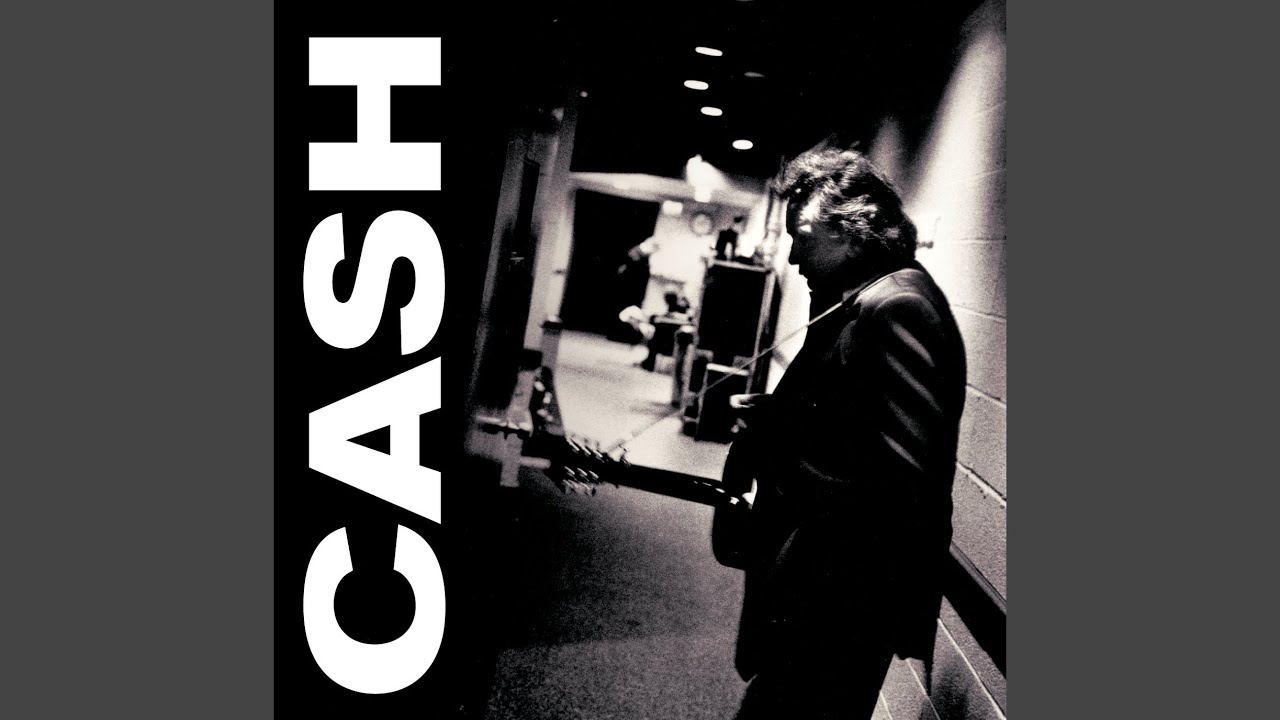
In a 2008 interview with Q magazine, Diamond explained why he had chosen to work with Rubin.
“I heard a few of those things he did with Johnny Cash and I was impressed,” Diamond said. “And I suppose that that was one of the reasons that I was interested in working with him.
“There were some interesting things that I heard on those Johnny Cash albums, so that was one of the reasons, certainly, that I wanted to at least sit down and meet him.
“I didn’t really know too much about him. I heard his name a few times, some artists that he’d worked with.
“So we met, and he turned out to be just another music lover, just like I was. Very sweet guy, very nice, not intimidating, all about the music, all about getting excited about music, just talking about it.”
According to Diamond, he and Rubin had no set plan when they began work on the album 12 Songs.
“We went in to make demos,” he said. “We didn’t go in to make a record. I had a bunch of songs and I said, ‘Hey, let’s go and make some demos and then we’ll listen to them and see if maybe they should be a record or not.’ So we were recording and we still didn’t know what kind of record we were gonna make.”
12 Songs was both a commercial success and a critically acclaimed artistic statement that solidified Diamond’s reputation as one of America’s great singer-songwriters.
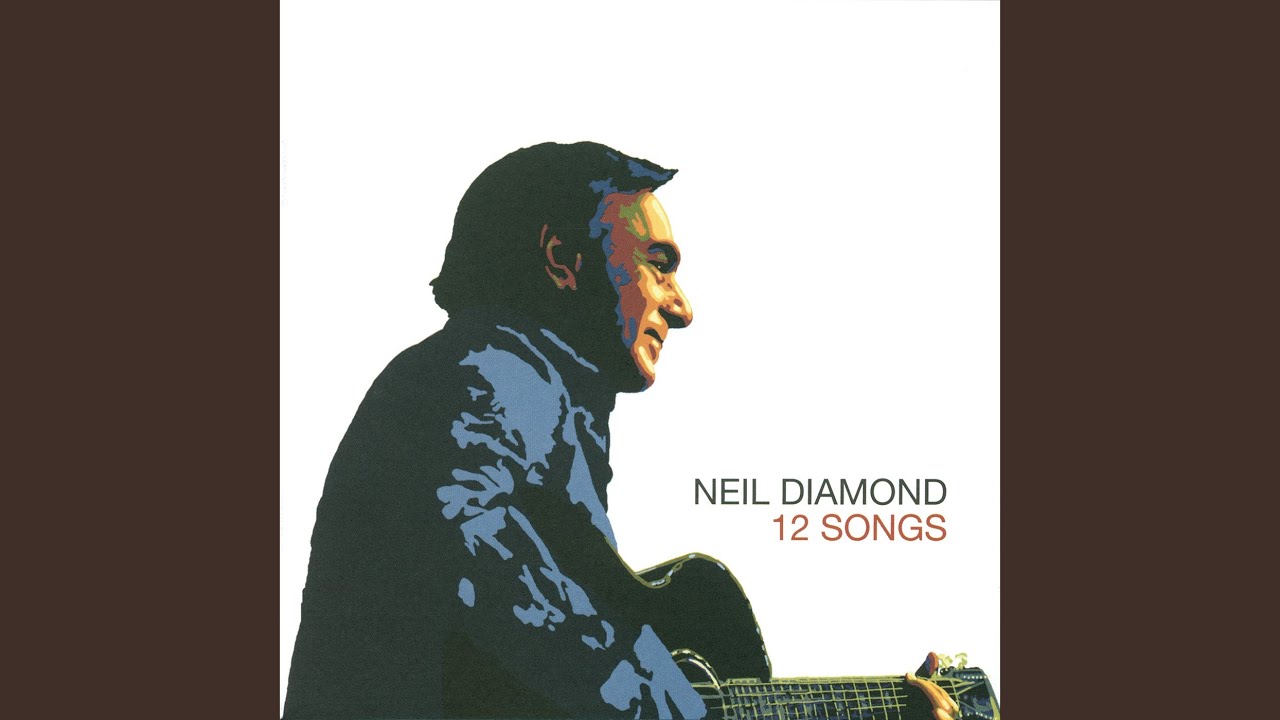
In terms of production, Rubin took a similar approach with Diamond as he had done with Johnny Cash, with a stripped-down sound in which little mistakes or ambient noises are audible.
Diamond said of Rubin’s methods: “I don’t know if he does it intentionally. I think he just considers it part of the presentation.
“He’s not compulsive about neatening things up, and getting them all nice and in order, and cleaning out all those extraneous sounds that human beings make when they make music. I don’t think he cares very much about those sounds. So, great, you get those things.”
Diamond also said that the majority of tracks on 12 Songs and Home Before Dark are first takes: “We did 20 takes to learn it but one take to record it.”
Diamond also talked to Q about the key songs on Home Before Dark.
He said of the album’s opening track If I Don’t See You Again: “It was very interesting song to write. It was stream-of-conscience. I had no idea what it was about until I finished it.
“People respond to it, but there was no intellect involved on my part at all, it was all emotion and passion. I still don’t know what it’s about intellectually, but every once in a while in that song I get struck like a thunderbolt. And that’s what music is supposed to do.”
He had similar feelings about the album’s title track.
“I’m still trying to understand a lot of these songs myself,” he admitted. “Home Before Dark has a very special kind of meaning, but I don’t really know what that meaning is. My feelings about it are… it’s just something that moves me, it tells my story, my journey, my search a little bit.
“It was the last song. It came out of just a little note I wrote. My girlfriend was coming home and I wrote a note: ‘Just make sure you get home before dark.’ I don’t know why I wanted her to get home before dark. I guess I didn’t want her driving at night or something.
“I saw the note the next day and I saw those three words – home before dark – and it just rang an enormous bell in my mind. So the title came first and I said to Rick, ‘I think I have the album title.’ He liked it. He didn’t say he liked it, but he didn’t say he didn’t like it!
“I thought, ‘I just can’t have a title out of nowhere, it’s gotta come from one of the songs on the album.’ So I wrote a song called Home After Dark. I started playing these chords that I’d never used in a song before, it was fun, it was different.
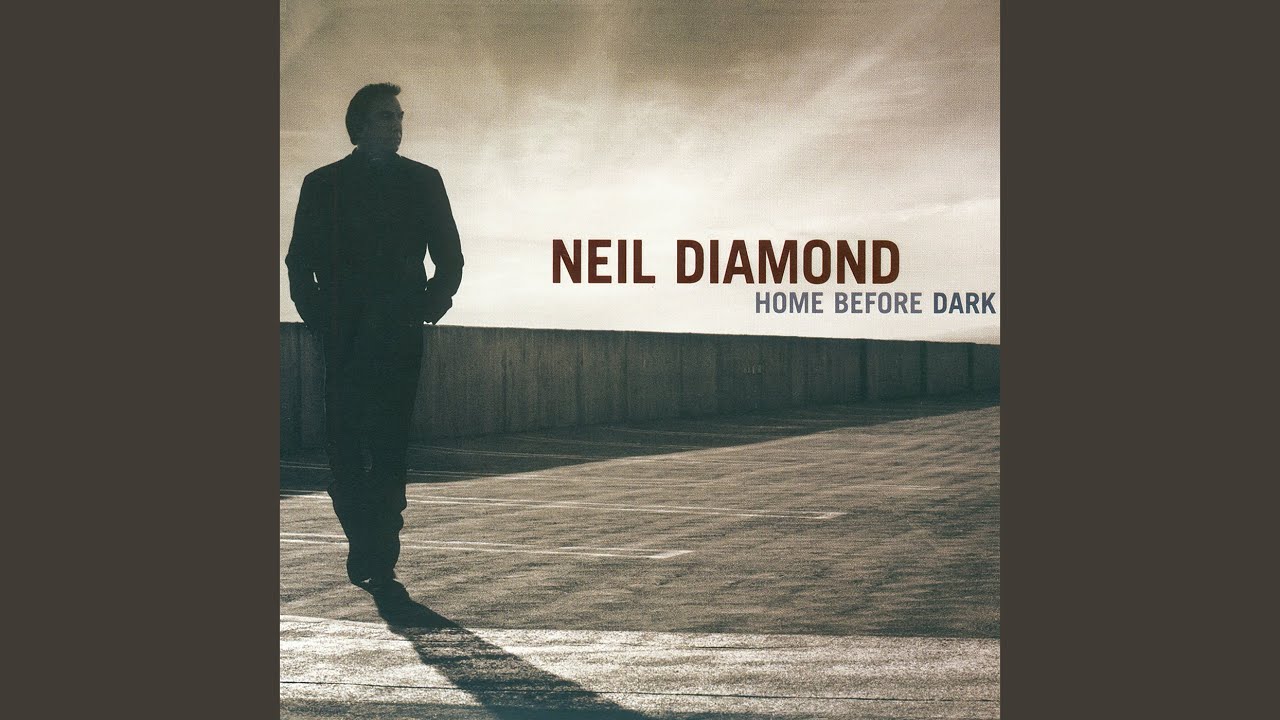
“It was the last song I wrote and I knew it was gonna be the last song on the album. It had to be a kind of anchor, to ground the album. It’s an anchor on a stormy sea of songs that precedes it.”
In contrast, another song on the album, Act Like A Man, was a humorous take on Diamond’s life as a performer.
“It doesn’t seem like the kind of profession that you’d want to take as seriously as a lawyer or a brain surgeon or a physicist,” he laughed. “You can’t take it serious. You know, grow up! Find a life and get a job! But I never did…”
