


In April 1977, as The Clash broke into the UK top 40 with their incendiary debut single White Riot, and the punk revolution threatened to overthrow the ruling elite of so-called ‘dinosaur’ rock bands, one seasoned English musician remained detached from such unpleasantness – sequestered in a chalet high in Switzerland’s Jura Mountains.
A bearded sophisticate, soon to turn 30 and still hung up on The Beatles, Jeff Lynne was leader of smart-arse rock/classical fusionists Electric Light Orchestra.
He was precisely the kind of boring old fart the punks had come to bury.
But in that moment, Lynne wasn’t worried about The Clash and other upstarts. He had more pressing concerns: specifically, to write, from scratch, a double album – that great symbol of ’70s rock excess. And he had just four weeks in which to do it.
His mood wasn’t helped by the fact that outside his mountain retreat it had rained for two weeks solid. But in the end, his luck changed.
As Lynne would recall: “One day I got up and the sun was shining, all the mountains were lit up, and I came up with Mr. Blue Sky.”
Eureka. Lynne had the first song and the touchstone for the album.
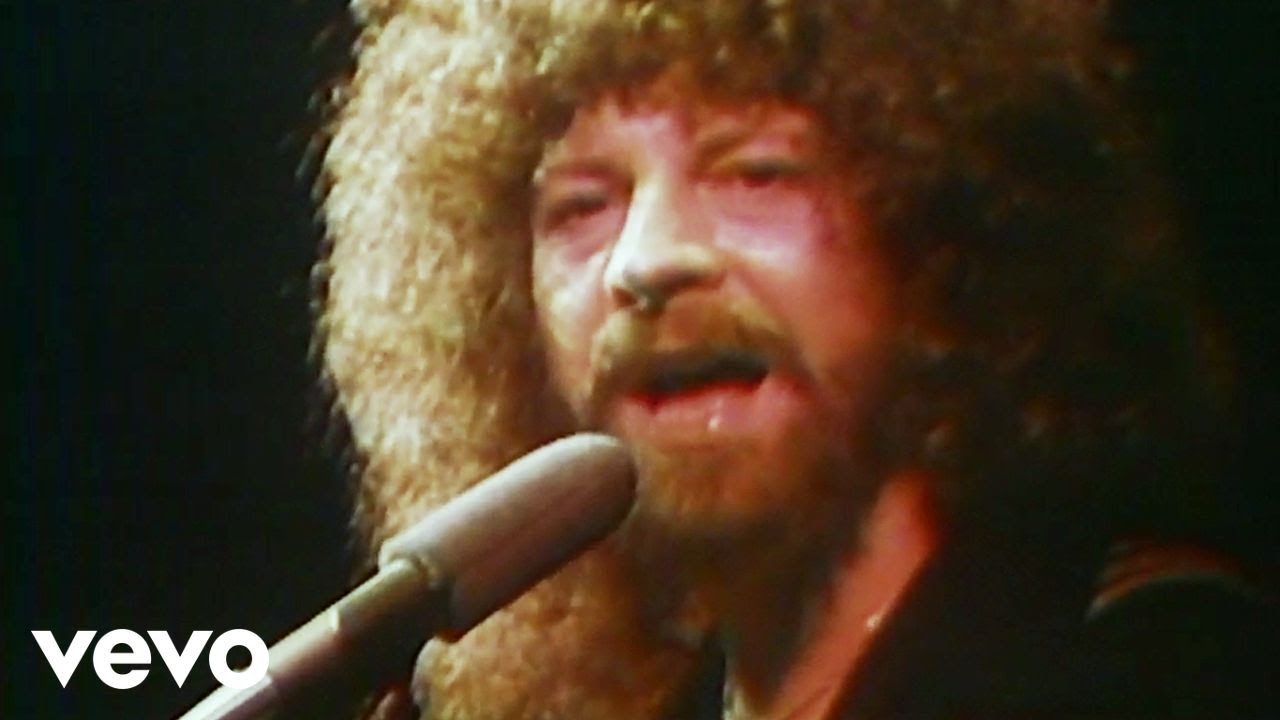
Duly inspired, he wrote a new song every day for the next two weeks, and on 22 May he and the other members of ELO entered Musicland studios in Munich to record their magnum opus.
It had come, quite literally, out of the blue. And it would stand tall as a monument to grand ambition.
This clever, showy, deluxe rock odyssey was the very antithesis of punk, and yet, in its own eccentric, fanciful way, it was every bit as thrilling as anything punk had to offer.
For all the hot air about Anarchy In The UK, Britain was not in a state of revolt in ’77.
Reigning monarch Elizabeth II's Silver Jubilee had prompted flag-waving and street parties of a kind not seen since the war. And the general public still loved a good tune.
The year began with Starsky & Hutch heartthrob David Soul at No.1 and ended with Paul McCartney selling two million copies of his campfire singalong Mull Of Kintyre.
It was the age of disco and the Bee Gees’ Saturday Night Fever. ABBA ruled the pop charts. Meat Loaf’s Bat Out Of Hell defined album-oriented rock.
To the majority of people who bought those records, punk was an irritant. It was not ‘proper’ music. But ELO was.
For the generation still mourning the loss of The Beatles at the start of the decade, the Fabs-worshipping ELO were the next best thing – better, even, than McCartney’s own Wings.
ELO began 1977 on a roll. Their sixth album A New World Record had sold five million copies – vindication at last for Lynne’s singular vision.
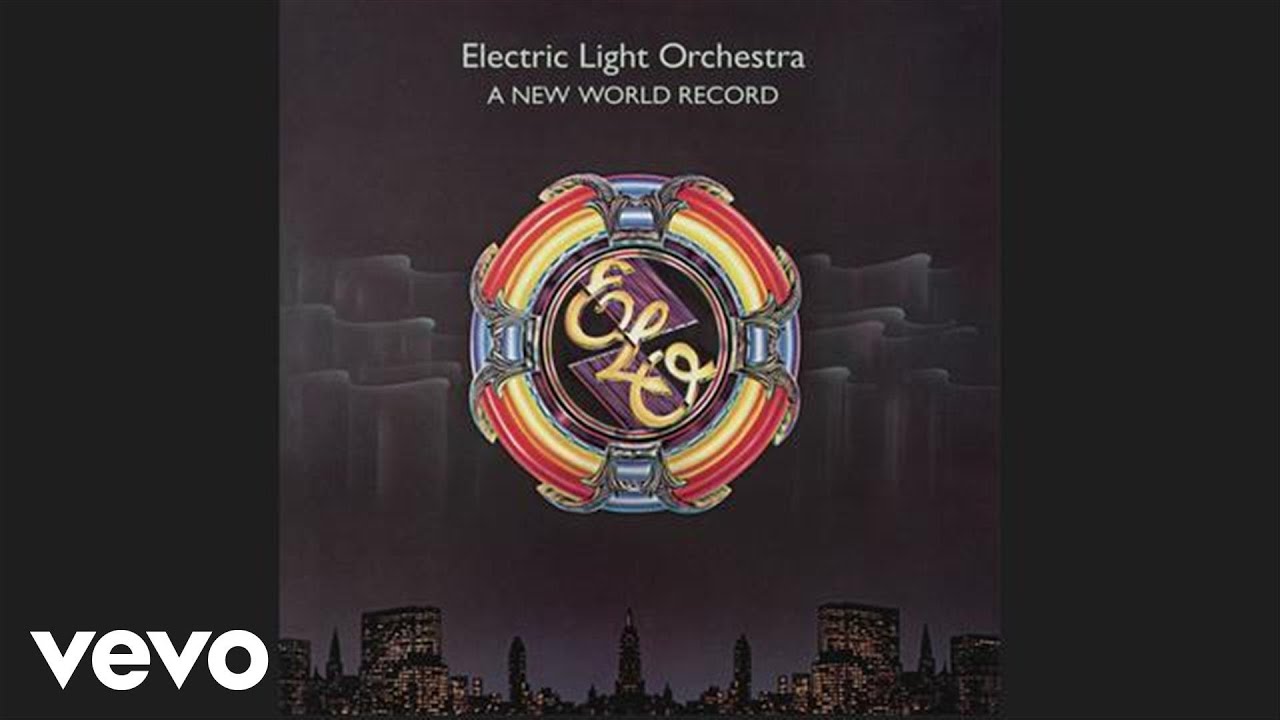
Since forming the group in 1970 with Roy Wood after the pair split from psychedelic pop act The Move, Lynne’s high-concept music – a hybrid of progressive rock and pop with neo-classical flourishes – had produced a handful of hit singles, scattered over five years.
But in 1976, with Wood long gone and the band expanded to a septet, A New World Record secured ELO’s place in the big league. Their record company was still pulling hits off that album as Out Of The Blue was being mixed.
ELO’s time had come. Advance orders for Out Of The Blue totalled four million. Within a year of its release in October 1977, it had sold more than twice that number.
The pure air in the Swiss mountains had done wonders for Lynne’s creative thinking. He’d written great songs before – Evil Woman, Livin’ Thing, Telephone Line – but on Out Of The Blue he hit his peak.
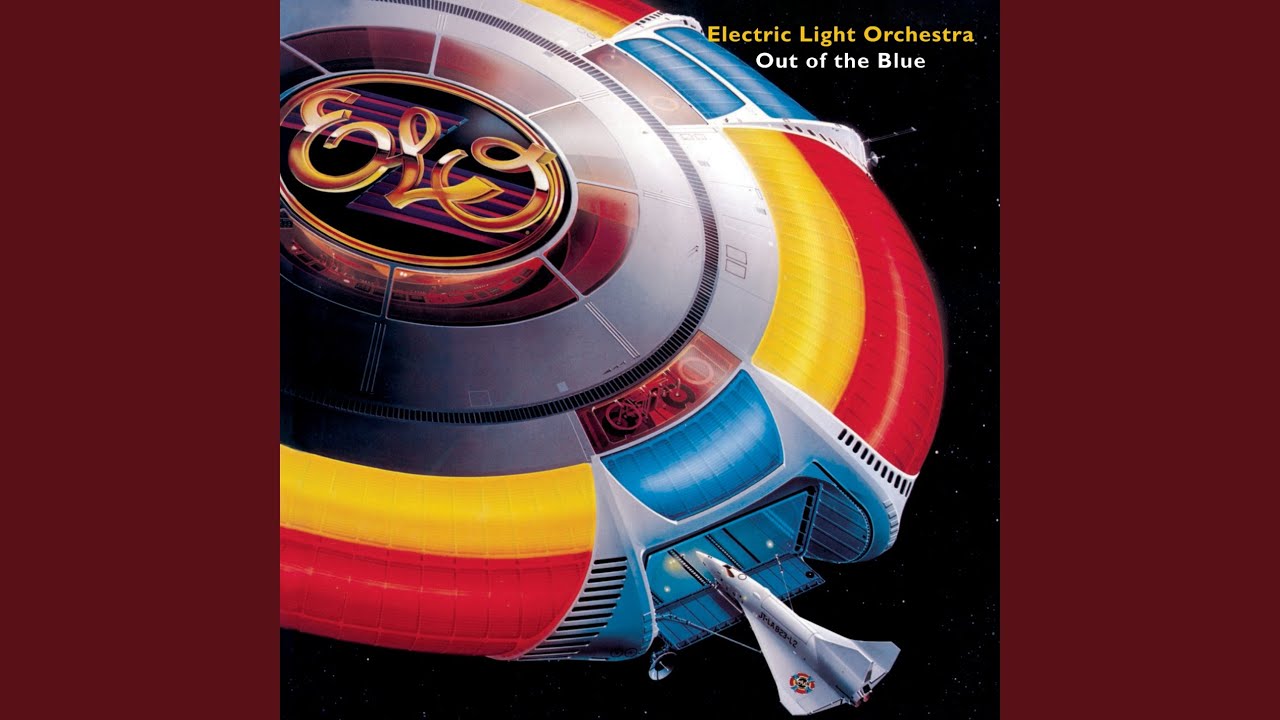
The album’s space-age cover art portrayed the band as intergalactic boffins in keeping with the studio wizardry at work. Their virtuoso musicianship dazzled. But the real genius was in the songwriting and wonderfully unorthodox arrangements.
The album begins and ends with a hit single: first Turn To Stone (funky Moog riff, Queen-trumping vocal trickery, woozy, Beatles-referencing orchestral climax) and to finish, Wild West Hero (heartbreaking melody, childlike lyrics, surprise barroom-boogie interludes).
There are other lesser-known yet wonderful songs – Steppin’ Out, Sweet Is The Night – that could have been hits.
There is even a departure into electronica on The Whale. And there is, of course, the song that started it all.
Presented as the concluding part of the brilliantly realised 18-minute, four-song Concerto For A Rainy Day, Mr. Blue Sky is Lynne’s and ELO’s crowning glory. Daring, complex, silly and euphoric, it is, as Lynne put it, “exactly what I imagined ELO to be.”
Out Of The Blue is not perfect. It has a couple of weak tracks: the daft Jungle, the plodding Birmingham Blues. Yet Jeff Lynne was aiming higher than most. He could be forgiven for not hitting the target every time.
Lynne reached for the stars with Out Of The Blue, and he would never hit such heights again. The following album, 1979’s Discovery, sold well, but bordered on self-parody. ELO went into a steep decline, and in the mid-‘80s they quietly disbanded.
In the years that followed, Out Of The Blue influenced acts as disparate as Daft Punk and Def Leppard.
Lynne, meanwhile, worked for many as a producer for other artists. In the late ‘80s he fulfilled a boyhood fantasy by playing with an actual Beatle, George Harrison, in the all-star Traveling Wilburys. In 1994 he went one better, producing actual Beatles songs (Free As A Bird and Real Love) for their Anthology series.
But on a deeper level, in creative terms, Out Of The Blue was as close as Jeff Lynne ever got to his heroes.
