


In 1971, John Lennon recorded his most famous song, Imagine, in the home studio recently installed at his country estate, Tittenhurst Park. Nine years later, in the first days of a new decade, the old house reverberated to a rowdier type of music.
By this time, Tittenhurst had become home to another Beatle, Ringo Starr. And the noisy band creating a career-defining album in Lennon’s former workplace was Judas Priest.
As Priest singer Rob Halford recalled in an interview with MOJO magazine, “We had so much inside us that we wanted to get out. We were on fire!”
The first incarnation of the band had formed in Birmingham in 1969 with a different singer, Al Atkins. Named after the Bob Dylan song The Ballad Of Frankie Lee And Judas Priest, they played blues-based heavy rock in the style of Cream and the early Fleetwood Mac.
In 1970, guitarist Kenny ‘K.K.’ Downing and bassist Ian Hill were incorporated into a new line-up. But it was after Atkins departed in 1973 that the real Judas Priest was born, with Glenn Tipton as second guitarist and Halford a far more dynamic singer with a multi-octave range.
On the band’s first three albums, each featuring a different drummer, there was a rapid development into full-blown heavy metal: screaming lead vocals, duelling guitars, crunching riffs, and songs about death and destruction.
In 1978, with the arrival of drummer Les Binks, they delivered two classic albums in Stained Class – later hailed by Metal Hammer magazine as the birth of ‘pure metal’ – and Killing Machine.
It was also at this time that Priest defined heavy metal’s visual aesthetic, as displayed on the cover of their 1979 live album Unleashed In The East – regulation leather and studs, and Halford accessorising with peaked cap and handcuffs.
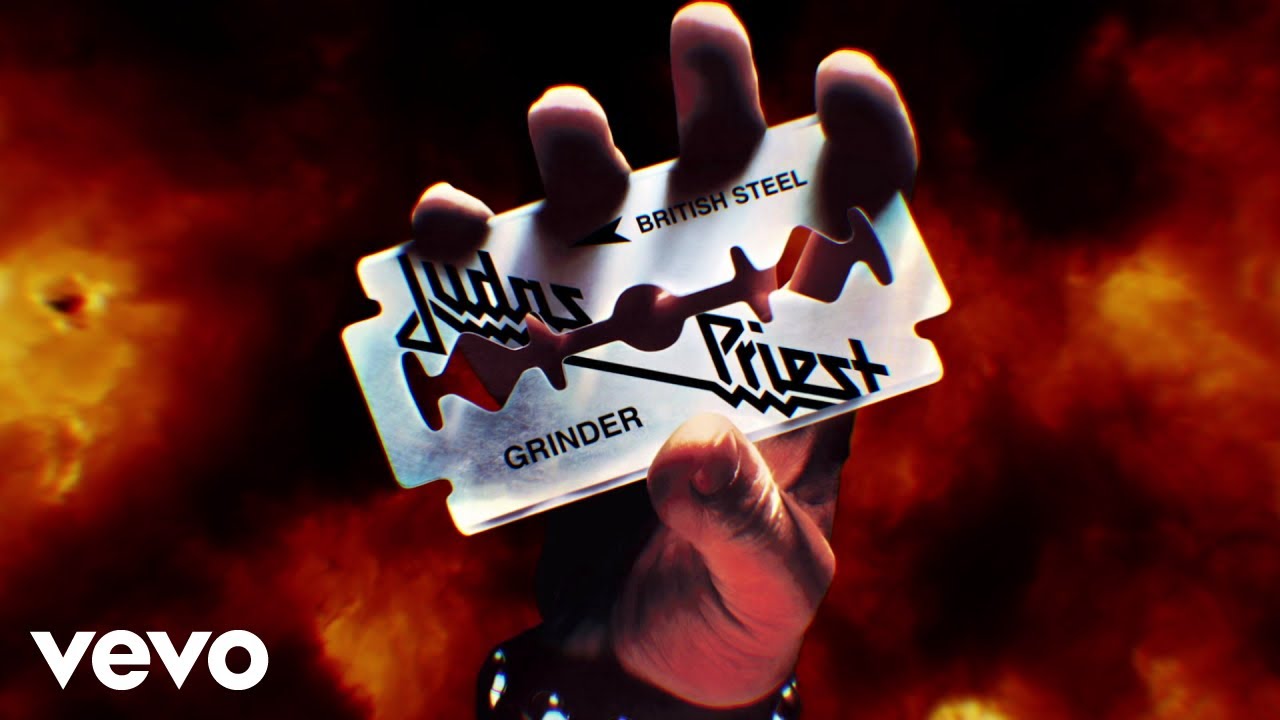
Unleashed In The East was Priest’s first top 10 album in the UK, and by the end of ’79 the band were busy at Tittenhurst laying down the album they would name British Steel.
“The title of the album was a statement in itself,” Halford said. “We should all be proud that British musicians are responsible for this force in music called heavy metal. Black Sabbath and Judas Priest invented heavy metal – true heavy metal music. And British Steel is classic Priest metal – intense, angry and fierce!
“With every Priest album you know you’re going to get intensity, but we always tried to do something new. And what I love about British Steel is that it’s so spontaneous, so fresh and so immediate. The sound is just remarkable, very pure and organic.”
Halford acknowledged the key role of producer ‘Colonel’ Tom Allom, who continued working with Priest throughout the ’80s on classic albums including Screaming For Vengeance and Defenders Of The Faith.
“It’s a very stripped-down sound on British Steel and Tom Allom was the catalyst for that,” Halford said. “We just let the songs do their job. At the end of the day, it’s all about riffs.
“In those days, it was album/tour/album, an endless cycle. We had to get in there and bang it out, because of the pressure we were under. In all honesty, we had no time to think.”
That said, there was some experimentation during the recording of British Steel. The band roamed around the old country house in search of new sounds. For added resonance, guitars were recorded in tiled bathrooms, and drums set up in the enormous marble entrance hall.
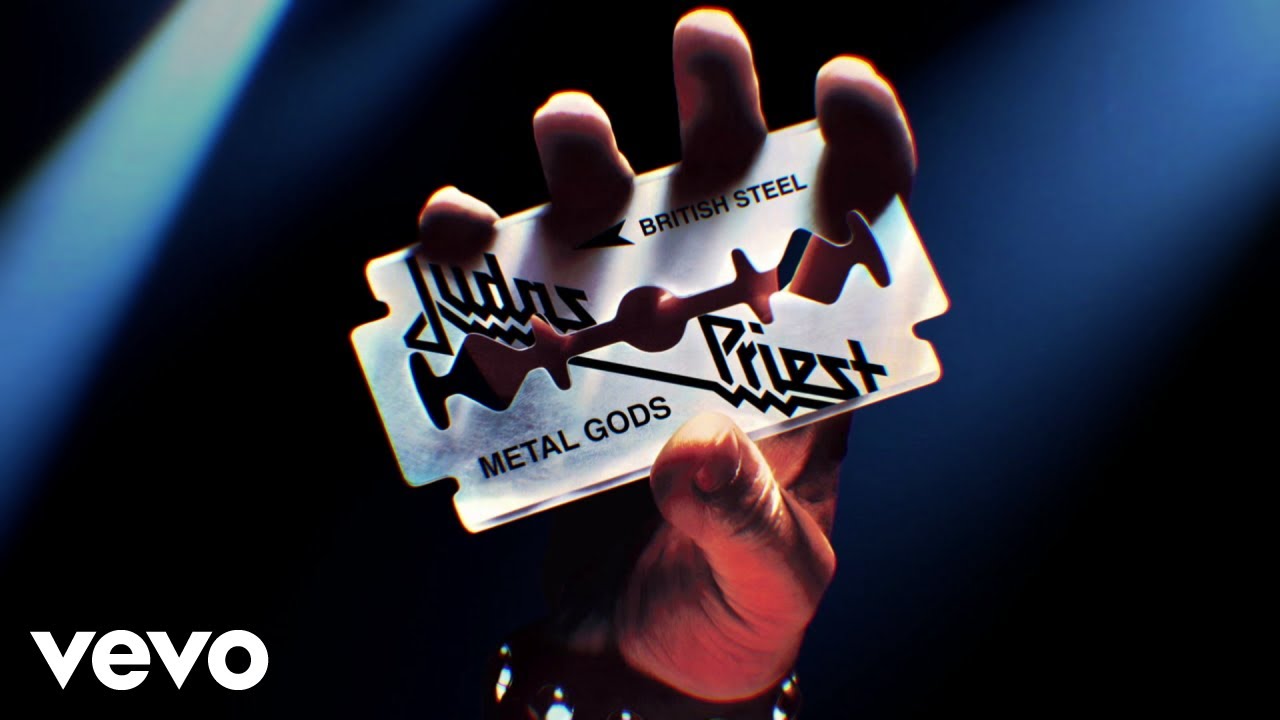
There was also novel use of improvised sound effects. For the track Metal Gods — Halford’s sci-fi vision of robot monster invasion — steel trays filled with cutlery were banged on the kitchen’s stone floor to create the sound of “dragging iron feet”, and a billiard cue was swiped through the air to punctuate the line “reaped by robot scythes”.
Halford was also growing as a lyricist.
He told MOJO: “There has always been a strong fantasy element to Priest songs, going back to Tyrant and Sinner, and Metal Gods was another fantasy song, about these metal robots taking over the world.
“I just wrote it on the fly, and it was the same thing with Rapid Fire, when I came up with a new word: desolizating. I’ve been making up new words for years. I was just trying to express the emotions I was feeling.”
British Steel was released in April 1980 and became a major commercial breakthrough for the band, peaking at No.4 in the UK and yielding three hit singles in Breaking The Law, Living After Midnight and United.
As Halford said, “British Steel was definitely a highpoint for Priest.”
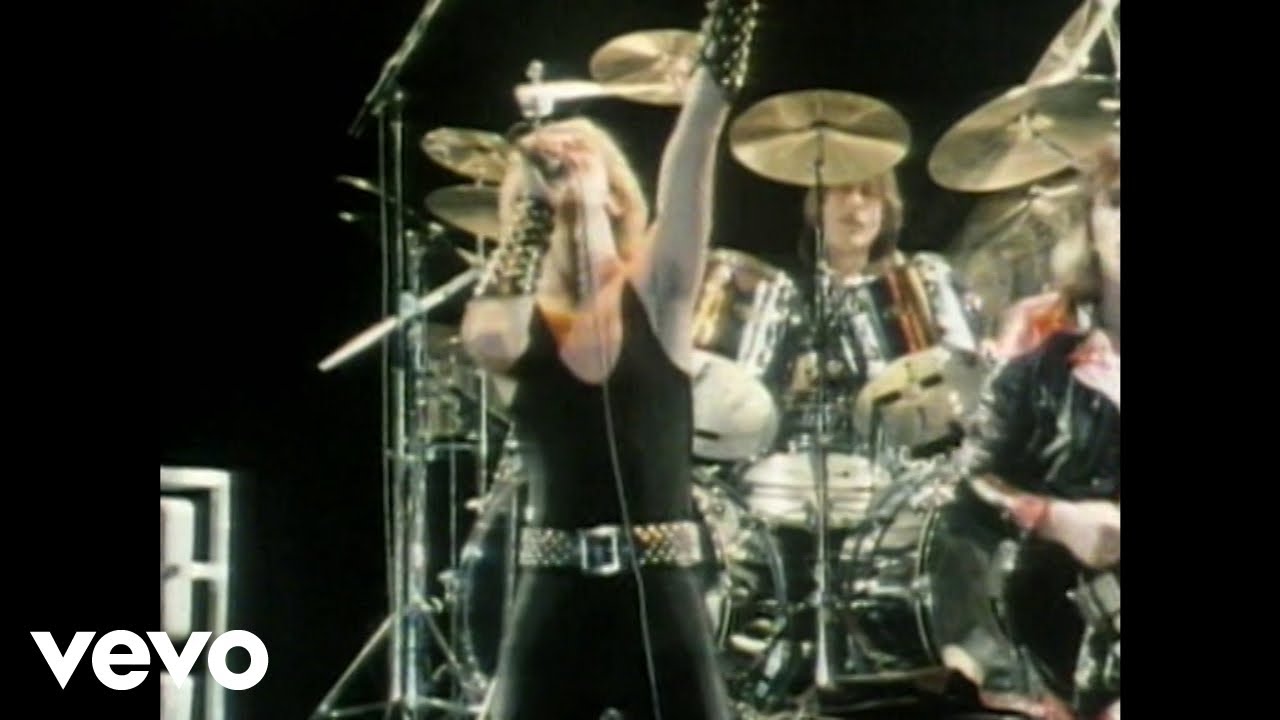
Another highpoint came on 16 August 1980 when they appeared at the inaugural Monsters Of Rock festival at Donington Park in Leicestershire. Priest were second from top on a bill headlined by Rainbow and also featuring Scorpions, Saxon, April Wine, Riot and Touch.
“For Priest it was a very exciting moment,” Halford recalled. “We were thrilled to be a part of that day. There was, and is, a unique atmosphere at Donington. And for us, it was very special – a British band playing to a British crowd.
“We tore the place up! We got an incredible reception from the Donington crowd.
“Festivals are very important for metal bands, and Donington was the first all-metal festival. I remember being backstage, pissed out of my brain, and brandishing the old whip.
“It wasn’t very glamorous backstage. All I can remember is little trailers and hundreds of bales of straw that had been put down because it was a mudbath. That was a bit of a reality check – but once I got onstage, in front of that huge audience, I was a different person.”
All told, 1980 was a landmark year for Judas Priest and for heavy metal as a whole. The New Wave Of British Heavy Metal was at its peak, with an array of exciting young bands on the rise – most notably Iron Maiden, Def Leppard, Girlschool and Diamond Head. And for Rob Halford, it was a magical time.
“Priest were not a part of the New Wave Of British Heavy Metal,” he said. “We were already established in our own right. But it was thrilling to see these new bands emerging – Saxon, Iron Maiden, Def Leppard.
“For Priest, it felt like we were not alone in flying the flag for metal. These new bands reinforced our movement against punk and new wave. It made us all feel strong.
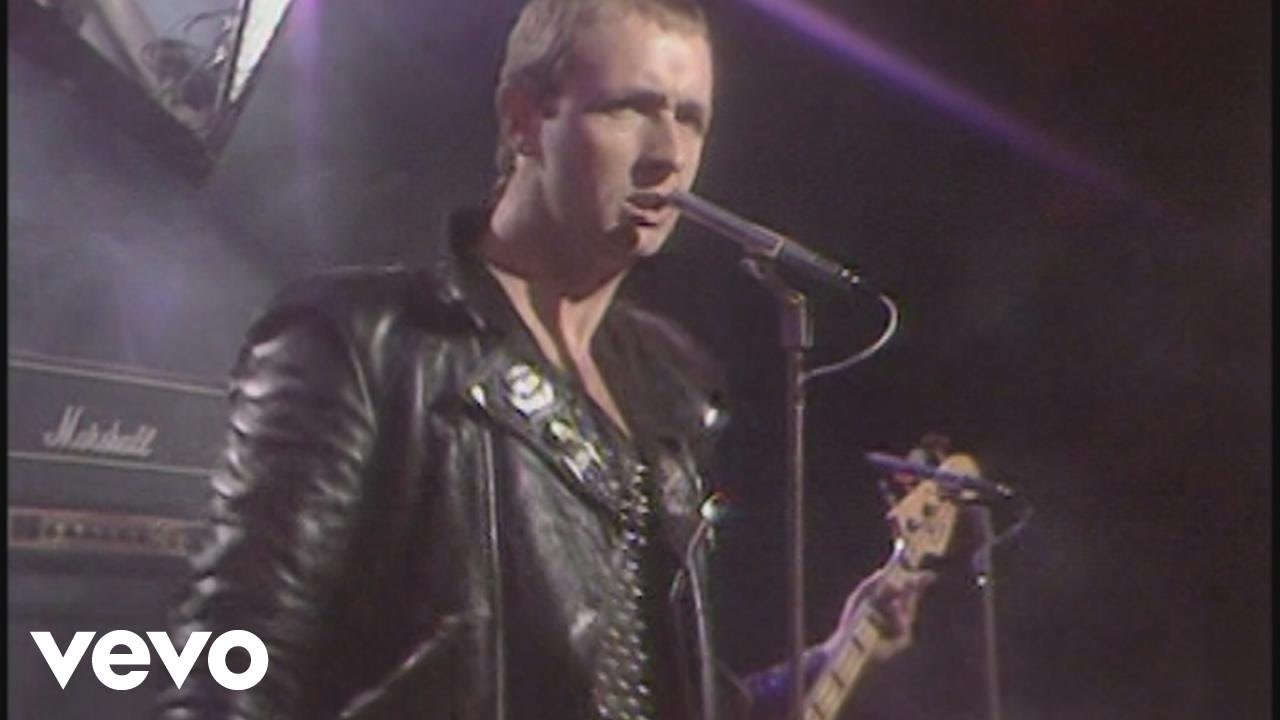
“It was a feeling of unity more than competition. A great feeling of strength. All these bands were out there doing so well, and you’re glad to be a part of that.
He added with a flourish: “Priest were part of a unified metal front – and the metalheads all over the world were loving it!”
