


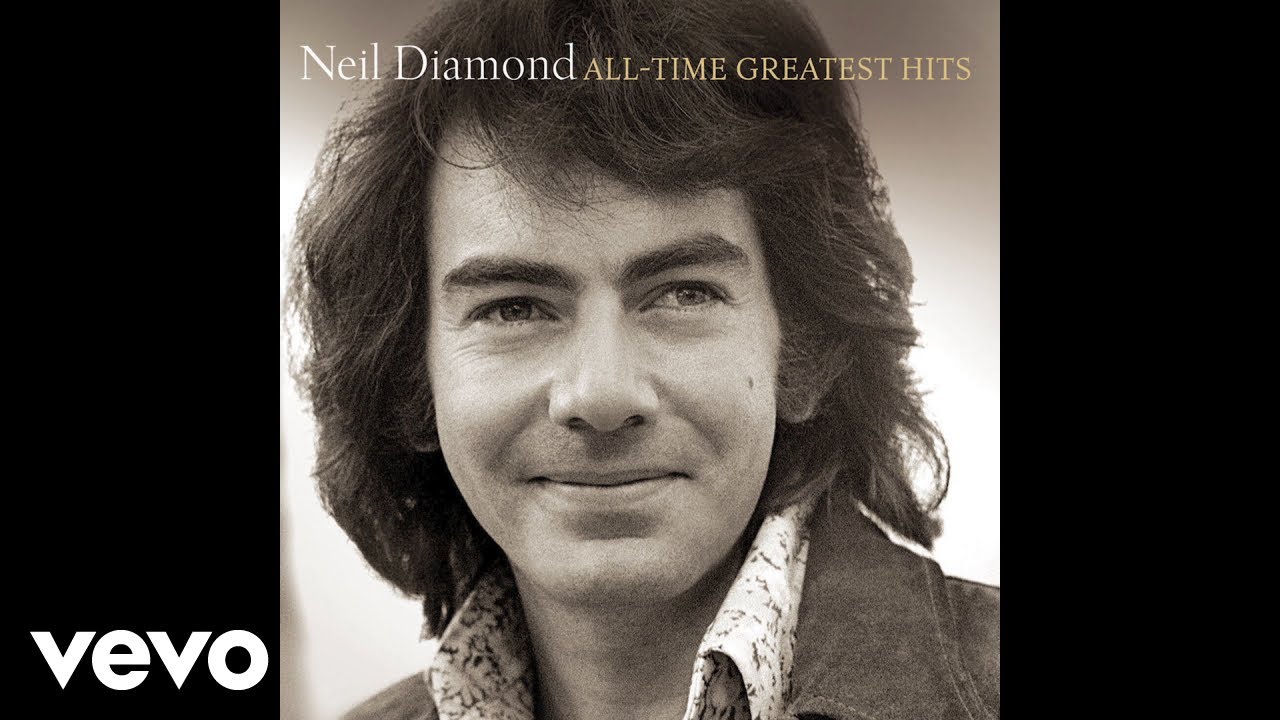
In a career dating all the way back to the ’60s, Neil Diamond has made plenty of good decisions. After all, he’s sold more than 50 million records in the US alone.
But there are a couple of decisions he came to regret – when he turned down two of the biggest names in the entertainment industry.
In the mid-’90s, Diamond refused permission for his song Girl, You’ll Be A Woman Soon to be featured in the movie Pulp Fiction, directed by Quentin Tarantino.
Diamond’s original recording of the song was a hit in 1967, reaching No.10 on the US pop singles chart.
Following Diamond’s rejection, Tarantino enlisted another act to record the song for the movie soundtrack – Chicago-based alternative rock band Urge Overkill.
In a 2008 interview with Q magazine, Diamond explained why he snubbed Tarantino – and why he ended up regretting that decision.
“I loved the movie,” Diamond said, “but when Tarantino first sent me the script I hated it. It was brutal.
“I didn’t know what the movie was about. It sounded like it was some kind of sensationalistic picture. It involved cocaine, and I didn’t want my music associated with that. So I said, ‘No, you can’t use it.’”
Diamond eventually gave his blessing for Tarantino to use Urge Overkill’s version of the song, but only after his publisher convinced him that Tarantino was a highly talented director and Pulp Fiction was potentially a classic movie.
As Diamond remembered it: “My publisher called and said, ‘This guy is the real thing, he’s an artist, and this is not a b-movie – this is a really important movie.’ So I said, ‘Alright.’ But I didn’t learn my lesson…”
Diamond revealed to Q that he also rejected an approach from Jay-Z at the end of the ’90s. The rapper was working on his album Vol. 3... Life And Times Of S. Carter, which was eventually released in 1999.
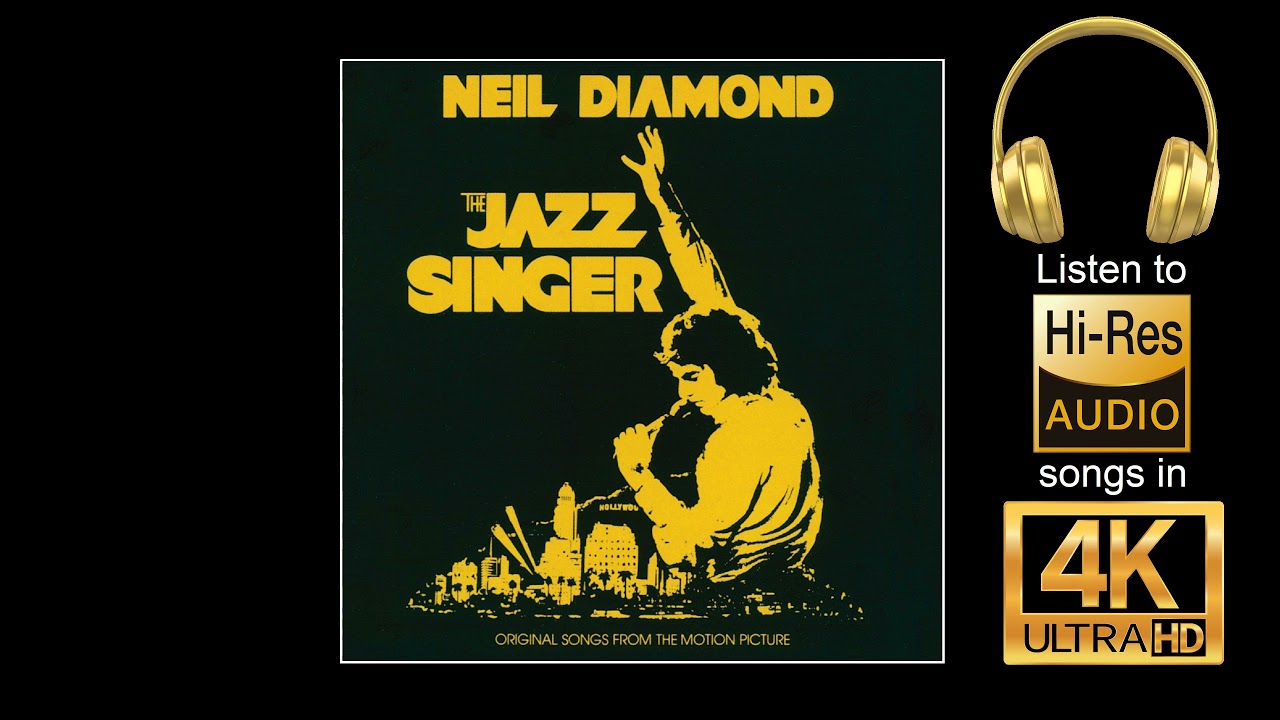
For the track Dope Man, Jay-Z wanted to incorporate a sample of the song America, from Diamond’s 1980 album The Jazz Singer, the soundtrack to the movie of the same name, in which Diamond starred in the lead role.
Diamond told Q: “Jay-Z called and asked to use America, a sample of it, in one of his tracks called Dope Man. To me, dope was always drugs. Turns out that’s not what it means these days in the black community – it’s something like the top guy.
“I didn’t let him use it,” Diamond shrugged. “I should have asked more what the intention was.”
He did, however, grant permission for another song from The Jazz Singer to be used in a cult classic ’90s movie.
That song was the ballad Love On The Rocks, which featured in Donnie Brasco, the 1997 crime drama starring Al Pacino and Johnny Depp.
“Frankly, I didn’t think anybody would notice it,” Diamond said. “It wasn’t front and centre. But they asked me if they could use it and I said, ‘Absolutely!’”
Diamond also spoke in the Q interview about his acting role in The Jazz Singer, and what he learned during the making of that movie from his esteemed co-star, Laurence Olivier.
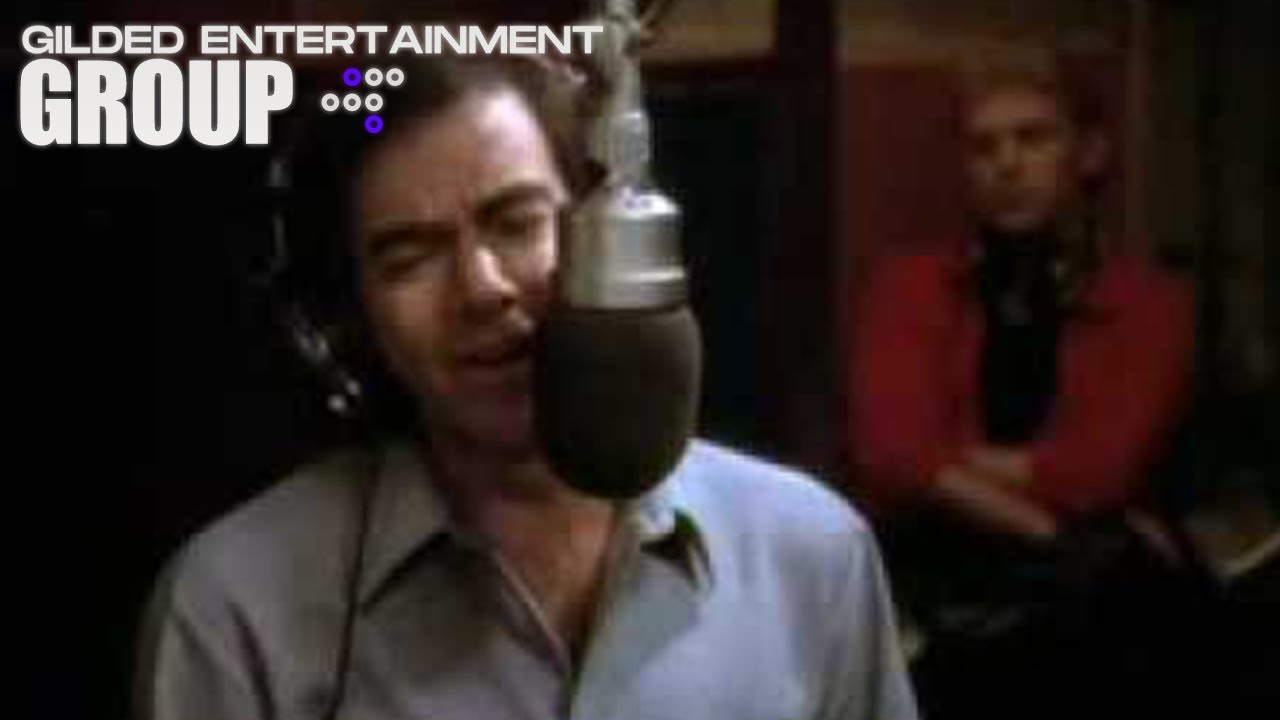
“The acting was a nightmare,” Diamond admitted. “I had no idea what it entailed before I got involved and accepted it. It’s very, very hard work.
“I don’t think I’d ever been on a movie set before, so I knew nothing about it. I met Olivier the night before we started shooting, and I said, ‘Am I supposed to memorise the entire script?’ I wasn’t used to memorising things, and not only did I have a starring role but I was in almost every scene. There were 69 or 70 scenes shot, and I was in every one of them except one.
“As it turned out, Olivier was a great guy. Or Larry – first of all, he tells you to call him Larry. He was my teacher. When I had a problem I went to him, and he was very generous. He was my advisor, so it made it a little less frightening for me to have Laurence Olivier giving me some advice.
“He was very open with me, and I had no hesitation about asking him about a method actor who was in this scene and was doing stuff that was throwing me off. I said, ‘How do you handle that kind of stuff?’ And Olivier would tell me, ‘Just ignore him!’ And, OK, I ignored the guy! I did my lines and didn’t think twice about what the other guy was doing.
“Olivier was in his 70s and I was in my late 30s, and every day when I got home I was basket case. I’d never been that exhausted in my life. And Larry would go back to his hotel, swim laps in the pool, and then go out and have dinner with his friends. He knew exactly what he was doing. He never wasted a moment that was not on screen.”
Summing up the whole movie-making process, Diamond said: “It was a fascinating experience, but it was a completely different planet to music and I found it very hard.
“I had one day off in the entire filming – and interestingly enough, on that day off I went down to where they were shooting and watched them shoot. I couldn’t stay away.”
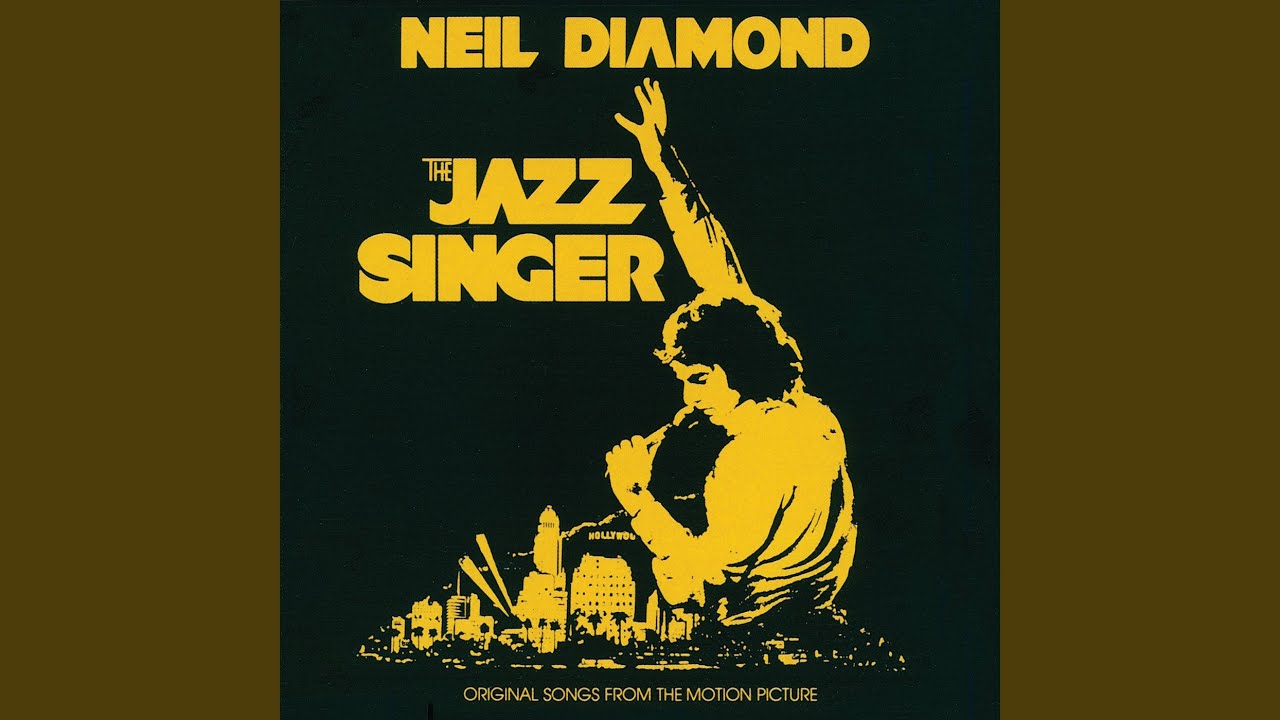
Reflecting on the movie soundtrack album, he added: “A number of the songs were very successful, and also very different. I was able to do the Kol Nidre, a piece of it, which is one of the most famous pieces of religious music in Judaism – written by a Christian, by the way. I was able to sing that. So for me, being Jewish, it was like coming out.”
He said in conclusion: “On those afternoons or on weekends when I got to work with my band, that was my freedom. I had such a great sense of relief – to be back working in music, and coming away from this other planet.
“Making the music was a respite for me. Making the movie – I was very happy when it was over.
“There was no audience,” he said, “and I like playing to an audience.”
