
Carly Simon was at a party at her sister Joanna’s New York apartment when the person who would become the subject of her most famous song sashayed through the door.
It was 1971, and the 28 year-old singer-songwriter was on the cusp of recording her landmark album No Secrets.
Simon had already written the lines for the song’s chorus – “You’re so vain/You probably think this song is about you” – one year earlier.
“I had that written on a piece of paper a year before I got the rest of the song,” Simon told Steve Chagollan of Variety magazine in April 2012. “I thought, ‘that’s kind of funny, it’s sort of a nice twist’, so I put it down in my notebook.”
But it wasn’t until that day at her sister’s party that more lyrics began to present themselves.
“A man walked into the party with a big long scarf,” continued Simon, “and he looked at the mirror, which was right as you entered the front door, and he whisked his scarf around his neck as he saw himself and he tilted his hat slightly to the left. I thought, ‘Wow, he’s really vain.’”
It’s a scene that would inspire the line: “You had one eye in the mirror as you watched yourself gavotte.”
“A gavotte is a French dance,” Simon explained to Variety. “I thought I would use a word that was slightly presumptuous. It rhymed with what I needed it to rhyme with. He’s gavotting because that’s what a pretentious, vain man would do. But he’s not at the French court, he’s at my sister’s house.”
But it was another guest at the party who inspired the opening line of the song. “A friend of mine who was standing next to me said, ‘He looks like he’s walking onto a yacht.’ So I put the two together – the line that I wrote with this very vain person whom I knew. So I started writing the song about the vain man.”
You’re So Vain was released as the lead single from No Secrets, Simon’s third album, on 8 November 1972 and went to No 1 in the US, Canada, Australia and New Zealand.
It became Simon’s signature song – and the identity of the person who inspired it would become a source of fascination for music fans for decades to come.
Carly Eisabeth Simon was born on 25 June 1943 into a wealthy and prominent family. Her father Richard L Simon was the co-founder of publishing powerhouse Simon & Schuster.
She began performing as a duo called the Simon Sisters with her sister Lucy in 1963 and had minor success, but she really came to prominence with her self-titled solo album in 1971, which yielded her first top 10 single That’s The Way I’ve Always Heard It Should Be.
Her second album Anticipation spawned two successful singles with the title track and Legend In Your Own Time.
But it was No Secrets which brought her international success and reached the top of the Billboard 200 chart in January 1973, where it stayed for five consecutive weeks.
Simon emerged during the singer-songwriter era of the early ’70s, but unlike some of her contemporaries, hers was a polished pop-rock sound.
You’re So Vain and the No Secrets album were produced by Richard Perry, who was riding high after working on Harry Nilsson’s Without You, a massive hit which reached No 1 on both sides of the Atlantic in January 1972.
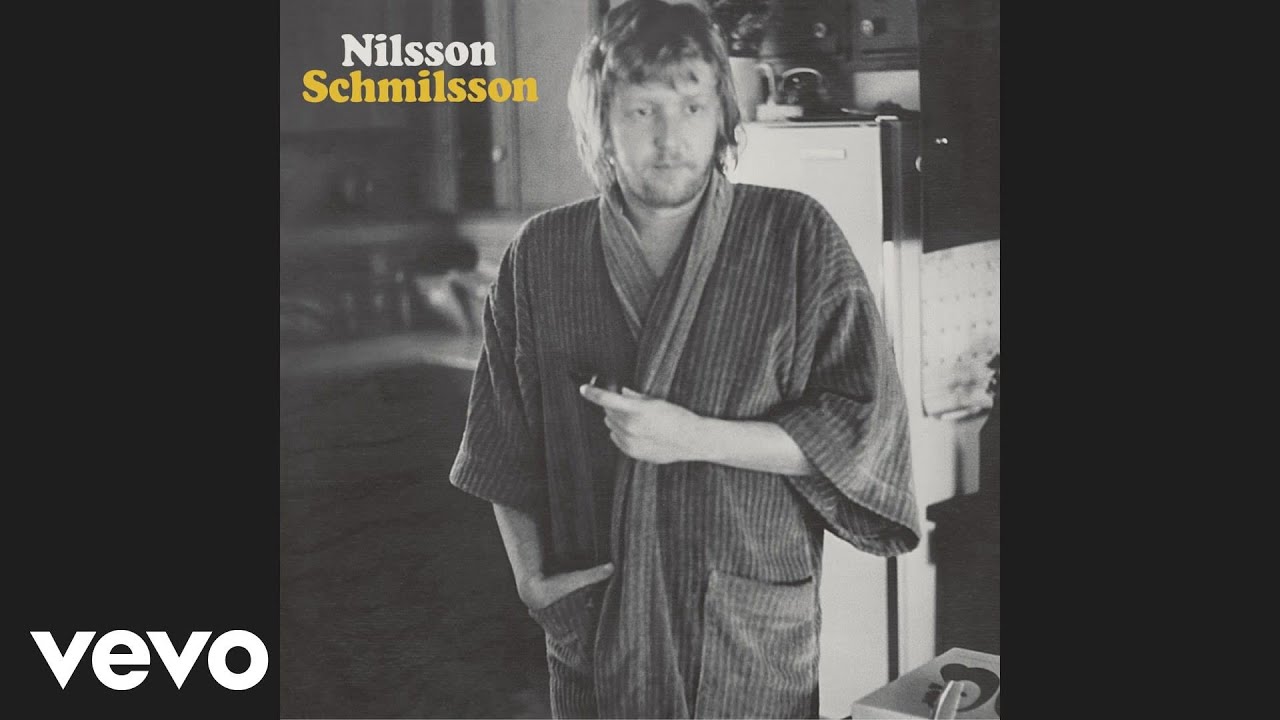
Nilsson’s hit had been recorded at Trident Studios in the heart of London’s Soho, and this was the studio chosen by Perry for the recording of No Secrets.
Trident had opened in March 1968 and its relaxed, creative ethos and eight-track Ampex recorder quickly made it the go-to studio for artists.
Six months after its opening, on 31 July and 1 August, The Beatles recorded Hey Jude at Trident, and by the early ’70s it had become the studio of choice for artists such as David Bowie, Elton John and Lou Reed.
Trident boasted a house piano – a hand-made 1898 C Bechstein grand – which had a rich and distinctive sound. Producer and engineer Ken Scott famously said: “I have heard many pianos in my time but I have never heard a better ‘rock’ piano than that one.”.
The formidable list of songs this piano was used on includes: Hey Jude, Martha My Dear and Honey Pie by The Beatles; Changes and Life On Mars? by David Bowie; Your Song, Candle In The Wind and Tiny Dancer by Elton John; Perfect Day and Satellite Of Love by Lou Reed; and Without You by Harry Nilsson.
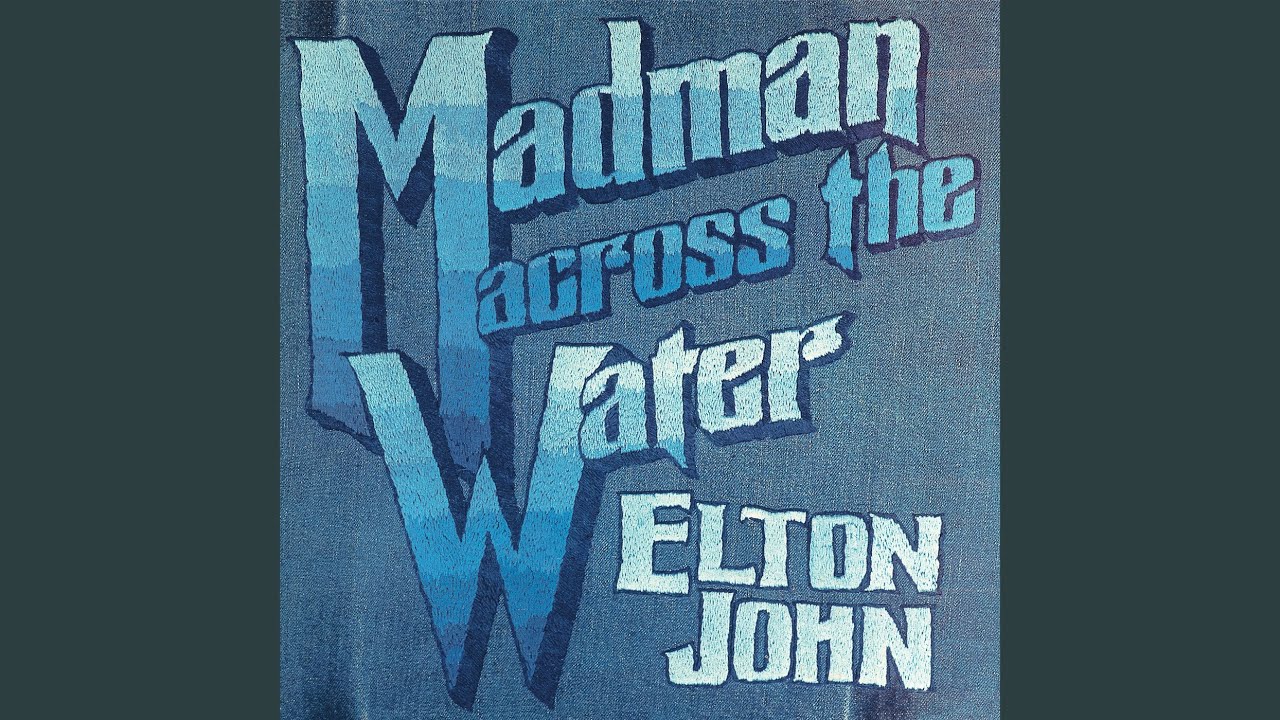
It was also the piano used by Carly Simon on You’re So Vain.
Perry and Simon assembled a crack team of musicians at Trident, including Beatles associate Klaus Voormann on bass and revered LA session musician Jim Gordon on drums. Strings were arranged by Simon and orchestrated by Paul Buckmaster. There was also an uncredited appearance by Mick Jagger on backing vocals.
Jagger would become one of the people widely speculated to be the subject of the song. His appearance on the track came about by sheer chance.
“He happened to call the studio,” Simon is quoted as saying in Classic Rock magazine in 2014. “I said, ‘We’re doing some backup vocals on a song of mine, why don’t you come down and sing with us?’”
It was an inspired decision and Jagger’s distinctive Dartford-meets-Dallas drawl can really be heard when he drops down to the low harmony at 1:55 on the lines: “I bet you think this song is about you/Don’t you, don’t you?”
In the six months since coming up with the idea for the song at her sister’s party, Simon had crafted You’re So Vain into a powerful and distinctive composition, using elements from another song she had been writing.
“It was called Bless You Ben,” Simon told Steve Chagollan of Vanity Fair in 2012, before proceeding to sing it down the phone during the interview: “Bless you Ben/You came in/When nobody else left off/There I was/By myself/Fighting up in my loft/Talking trouble/Took my time/Singing some sad songs/I had some dreams they were clouds in my coffee…”
“That last line was the one that stayed but I liked the melody,” said Simon. “So I started replacing the melody with, ‘You walked into the party…’ It went with that phrasing exactly.”
You’re So Vain is an impeccably crafted pop-rock song, with strong hooks and lush, crystalline production that bolster the empowering lyrical sentiment. It’s a biting, witty missive in which Simon calls out a former lover for his arrogance and self-absorption.
Simon allegedly wrote the track as a folk song, but producer Richard Perry had a much bigger vision.

One of the song’s highlights is Voormann’s bass line, which opens the track with a looping arpeggio motif, before gentle offbeat acoustic guitar strumming and Simon’s lilting piano enter the mix.
“Klaus came in on the first day of the session and I was overwhelmed by his appearance,” recalled Simon in an interview published on YouTube. “He was just strikingly handsome and he was very, very modest. I don’t know if he’d just been noodling on his bass but he started playing this [sings Voormann’s intro part]. And I said ‘son of a gun’ in reaction to his playing… and it led the way for that song to come to life.”
Voormann and Gordon laid down a strident, swinging groove, with dynamic accents and pushes, all of which is accentuated by guitarist Jimmy Ryan’s nifty riffs and the percussive heft of Simon’s assured piano work.
Two minutes in and Ryan’s soaring slide solo enters the mix.
But the real highlight of course is Simon herself. Her voice is full, warm and resonant on this elegant take-down of the narcissistic former lover. “Well I hear you went up to Saratoga/And your horse naturally won/Then you flew your Lear jet up to Nova Scotia/To see the total eclipse of the sun.”
The tone is biting but not embittered. As writer Tom Breihan put it in Stereogum in 2019: “A funny thing about You're So Vain: it’s not an angry song. Instead, it's a protracted, theatrical eye-roll. Simon doesn’t hate the man (or men) of the song. She just finds them faintly ridiculous, even if she can admit that she’s been attracted to them, that she maybe still is. Simon also depicts these men as being terribly glamorous figures. And because she shows that she can see through all their bullshit, she makes herself more glamorous than them. It’s a power move.”
Over 50 years on from its release, You’re So Vain sounds as powerful and pertinent as ever and its legacy endures.
For decades, Simon chose not to reveal the identity of her inspiration for the song, but in 2015 she told People magazine that part of You’re So Vain is about actor Warren Beatty.
“I have confirmed that the second verse is Warren,” said Simon, during an interview to discuss her memoir Boys In The Trees.
Simon went on to explain that while the track's other verses are about different men, Beatty “thinks the whole thing is about him”.
You’re So Vain propelled Simon to global success and it has remained a staple of her repertoire ever since.
She would enjoy continued success with singles such as Nobody Does It Better, the Academy Award-winning song for the 1977 James Bond film The Spy Who Loved Me. But You’re So Vain remains Simon’s signature song. It also stands as a landmark composition within the canon of 1970s confessional songwriting.
