


“Things got louder,” Don Henley says of the moment when guitar hero Joe Walsh joined his band.
It was 1975, and the Eagles were riding high with the success of their fourth album One Of These Nights, which had topped the US Billboard 200 chart and yielded three huge hit singles with the title track (also No 1), Lyin’ Eyes (No 2) and Take It To The Limit (No 4).
However, not every member of the group had been happy with the way their music was developing – a shift away from their country-rock roots to a more mainstream rock style with R&B influences.
Guitarist Bernie Leadon had quit the Eagles in dramatic fashion after growing tired of the way the band was run by its two principal songwriters and lead vocalists, Henley and Glenn Frey. Backstage at a show at the Orange Bowl in Miami, Leadon signalled his departure by pouring a beer over Frey’s head.
With Leadon gone, an approach was made to Joe Walsh, who was enjoying a successful career as a solo artist after a stint leading power trio the James Gang.
Walsh’s reputation was further enhanced by his 1973 album The Smoker You Drink, The Player You Get, which included the swaggering anthem that would become his signature song, Rocky Mountain Way.

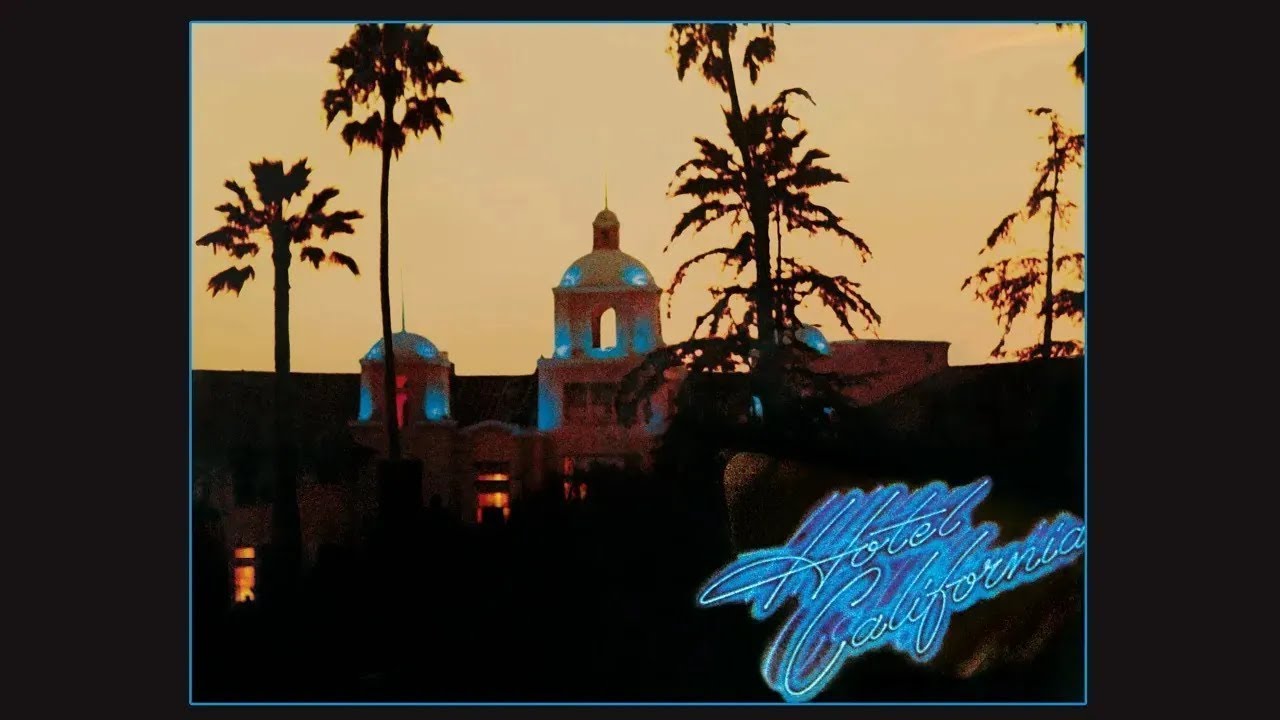
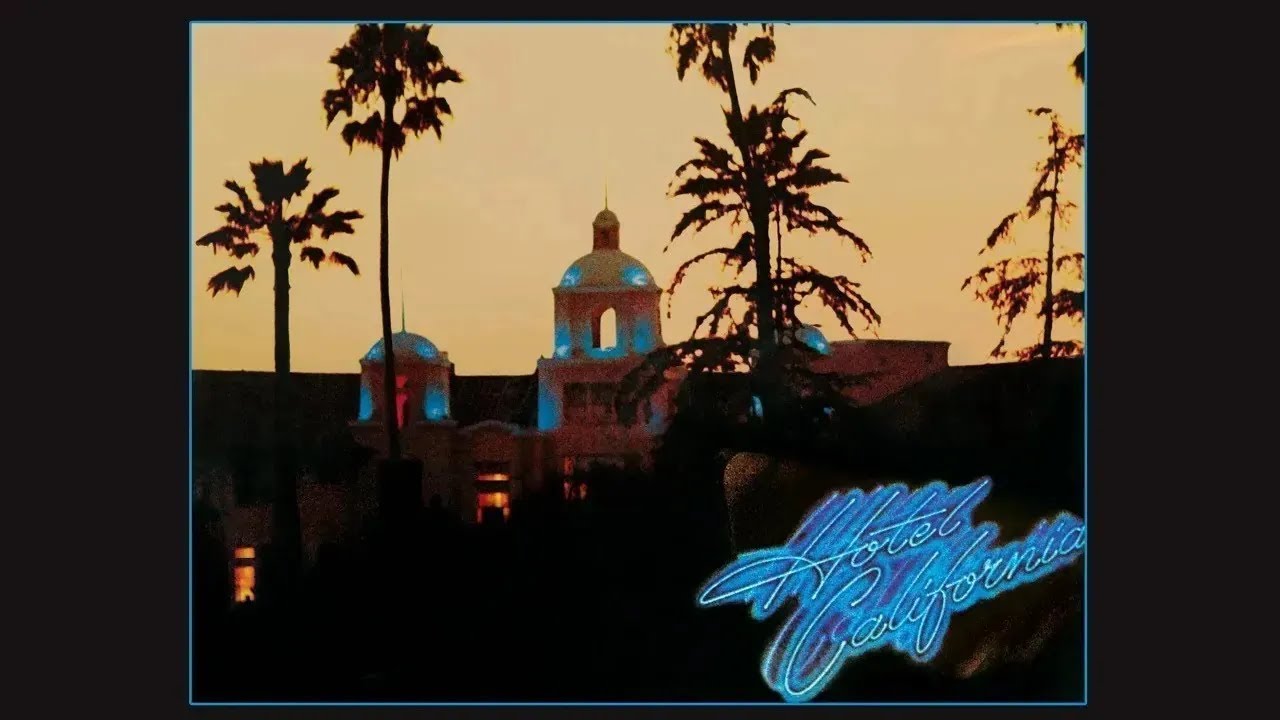
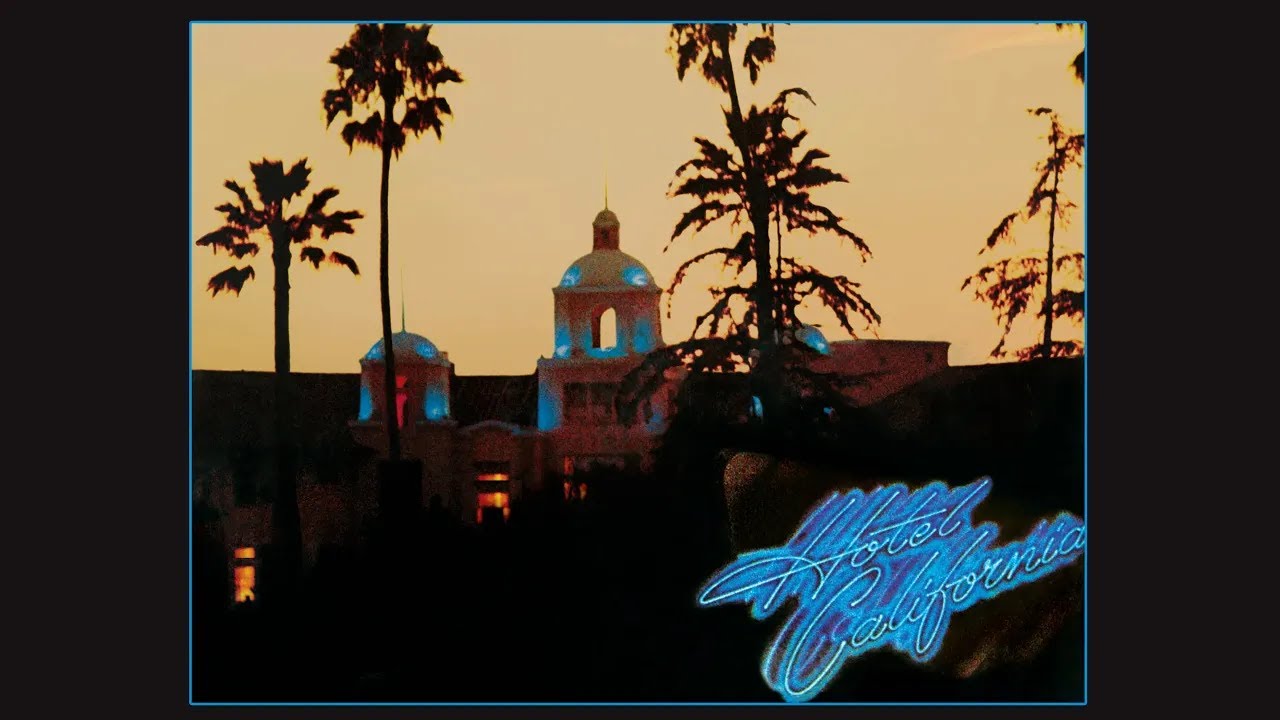
It was Bill Szymczyk, producer for both Walsh and the Eagles, who recommended that the guitarist and the band join forces. What followed was the Eagles’ masterpiece: Hotel California.
The story of this legendary album is told in the new issue of Classic Rock magazine – featuring new interviews with Don Henley and Bill Szymczyk.
The Eagles’ line-up for Hotel California was Henley on drums, Frey on rhythm guitar, Randy Meisner on bass, and Walsh and Don Felder on lead guitar.
While vocal harmonies were an Eagles trademark, it was Henley who handled most of the lead vocals on this album. His nickname in the band was Golden Throat.
Frey sang lead on the album’s flagship single New Kid In Town. Meisner sang lead on the song he’d written, Try And Love Again, and Walsh did the same on Pretty Maids All In A Row. The odd man out was Don Felder, who gave it his best shot at singing Victim Of Love before Henley pulled rank and sang it himself.
The first recording sessions for Hotel California began in March 1976 at The Record Plant in Los Angeles.
One month earlier, the band’s first compilation album, Their Greatest Hits (1971–1975), was released. It would eventually become the biggest selling album of all time in the US.
During those initial sessions at The Record Plant, most days saw the band working from 2pm to 2am, with a break for dinner at 7pm.
The first song in the can was Randy Meisner’s Try And Love Again, a bittersweet number from the high-singing bassist who had previously written Take It To The Limit.
Recalling how the band operated back then, Henley tells Classic Rock: “We did everything intuitively, including vocal harmony arrangements. First we would decide who was going to sing the lead vocal, and then assign harmony parts around that, depending on the key of the song and where the melody sat within the chord progression.”
Henley acknowledges the role of JD Souther on this album. Prior to the Eagles forming in 1971, Souther had performed alongside Glenn Frey in country rock act Longbranch Pennywhistle, which disbanded after one poorly received, self-titled album.
Souther co-wrote the Eagles’ first US No 1 song, Best Of My Love, and was involved in two tracks from Hotel California.
Henley says of New Kid In Town: “That one was mostly JD, with some essential input from Glenn in terms of words, melody and arrangement, and a few lyrical contributions from me. It’s a great piece of work.”
The other track for which Souther earned a credit was Victim Of Love. And if it was awkward telling Don Felder that the other Don would be singing that song, there was nothing difficult about nailing the backing track. According to Henley, the band cut it in one take, with no edits.
In his interview with Classic Rock, Henley explains how the acquisition of Joe Walsh transformed the Eagles.
“Joe, being a bona fide rock ’n’ roll guitar slinger, was the perfect foil for Don Felder,” he says. “We had upped our horsepower.”
This was most evident on the hard-rocking Life In The Fast Lane – its intro riff derived from a lick that Walsh played to warm up for shows. As Walsh once remarked: “We knew it was going to be the most rock ’n’ roll thing the Eagles had attempted so far. They turned me loose on that one.”
Famously, the album’s mythic title track originated with Don Felder, who created the main riff when strumming a 12-string Martin guitar during downtime at his beach house in Malibu. Felder then made a rough demo on a four-track reel-to-reel with a drum machine samba rhythm and sent the tape to Frey and Henley to work on structure and lyrics.
Henley says now: “The hotel concept came first, and then the melody.”
In the summer of ’76, the Eagles moved operations to Criteria Studios in Miami. Among the many landmark songs previously recorded there were James Brown’s I Got You (I Feel Good), Derek And The Dominos’ Layla, Grand Funk Railroad’s We’re And American Band and the Bee Gees’ Jive Talkin’.
When the Eagles were working at Criteria, Black Sabbath were in the adjacent room, banging out tracks for their album Technical Ecstasy.
The first version of Hotel California – the song – was tracked at Criteria and given the working title Mexican Reggae. A second version was cut in LA at The Record Plant, but this turned out to be in the wrong key for the vocals.
As Henley explains: “There was often a schism between what key was best for guitars and what key was best for the lead vocal.”
It was only after they returned to Criteria that the track was completed.
Henley says: “We ended up cutting the final track in Miami in the key of B minor with the choruses going to G major.”
According to producer Bill Szymczyk, this final version of one of the most iconic rock songs of all time was compiled from “33 separate tape edits from five different takes”.
As for the song’s legendary guitar outro, Szymczyk tells Classic Rock: “Felder and Walsh were in the control room with me, one to the right, one to the left, like gunfighters!
“Felder was the ultimate technician, always a tad on top of the beat. Walsh was the ultimate ‘feel’ guy, always a tad behind it. Together they were phenomenal.”
The Hotel California album was released on 8 December 1976 and was certified platinum for one million sales within the first week. It has since sold more than 42 million units worldwide.
50 years on, Don Henley says: “Hotel California was obviously our creative peak. Every band, every artist, has one.”
