


In 1983, The Cure’s frontman Robert Smith made a rather strange decision. At the same time that his band made a big breakthrough with their first top 10 single in the UK, Smith elected to go on tour playing guitar for another band – Siouxsie And The Banshees.
And as it turned out, that decision almost proved disastrous.
The Cure’s epic career is the subject of the cover story in a newly published one-off magazine The History Of Goth.
In this feature, the band’s early days are portrayed as difficult and often chaotic.
The story begins in 1978, when the trio of Robert Smith, drummer Lol Tolhurst and bassist Michael Dempsey performed as The Cure for the first time at a venue named The Rocket in Crawley, West Sussex.
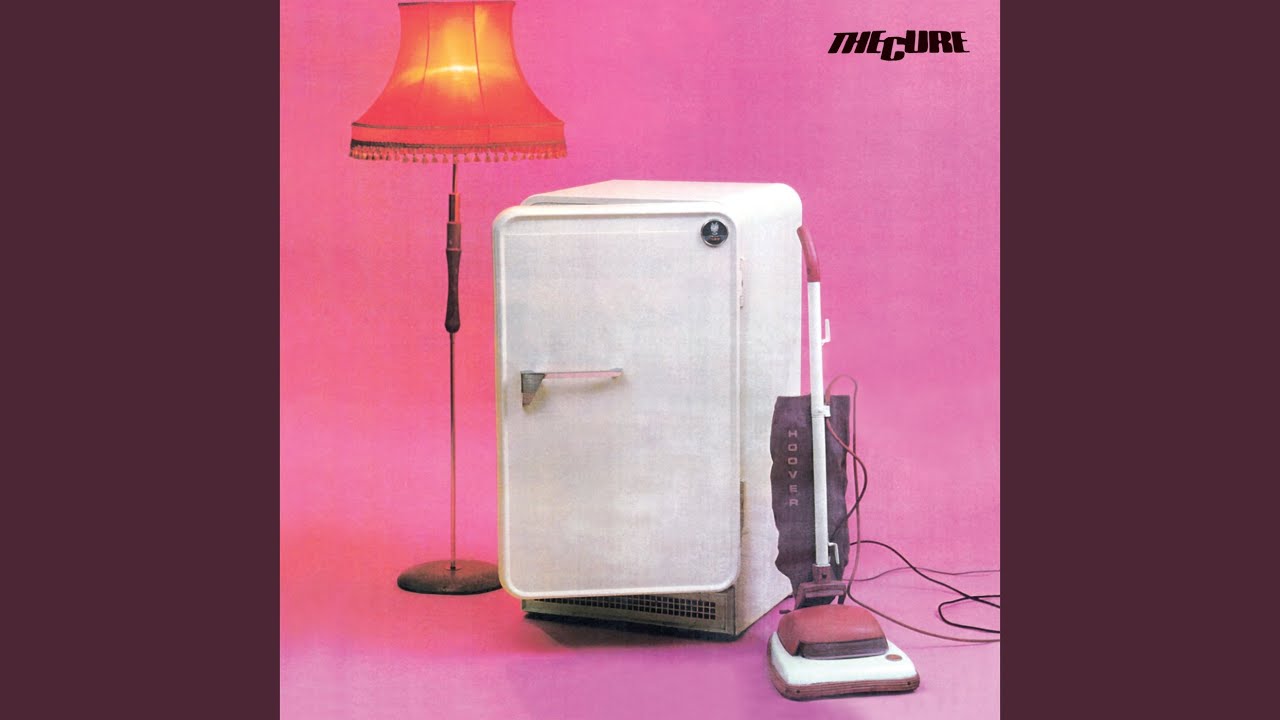
The band's debut album Three Imaginary Boys was released in 1979 and featured an early classic in 10.15 Saturday Night.
It was also in 1979 that Smith first acted as stand-in guitarist for Siouxsie And The Banshees during a UK tour after Banshees guitarist John McKay and drummer Kenny Morris had abruptly quit the group.
Many years later, in an interview with Uncut magazine, Smith later praised the stage presence of singer Siouxsie Sioux while admitting that in 1979 his own band were very much second best to the Banshees.
As he recalled it: “The power of Sioux walking out to the front of the stage and screaming at the audience made me realise just how weak The Cure were.”
The Cure’s second album 17 Seconds (1980) saw the band expanded to a quartet, with Michael Dempsey replaced by Simon Gallup and the arrival of keyboard player Matthieu Hartley. The album included the band’s first top 40 hit, A Forest.
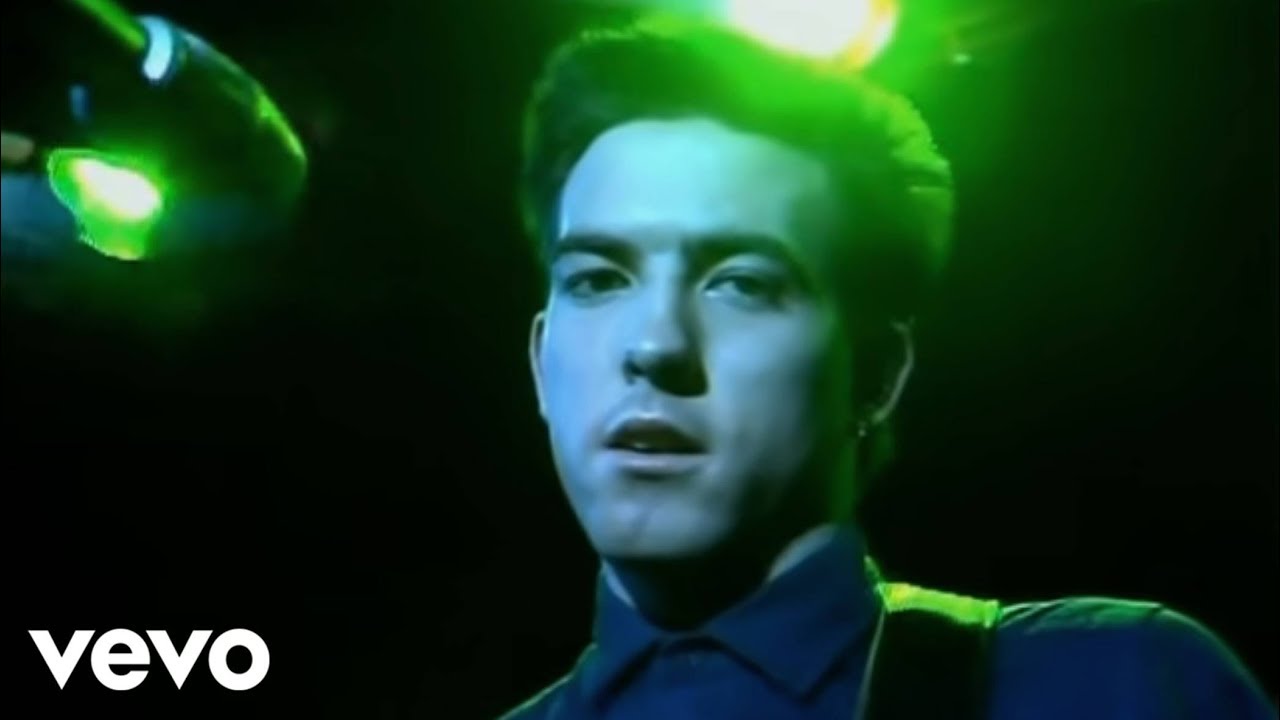
17 Seconds was also the first part of what would become known as The Cure’s ‘Doom Trilogy’ – as completed by 1981 album Faith and 1982 album Pornography.
Faith was recorded in a bleak period for Smith, whose grandmother had recently died, and Tolhurst, whose mother was terminally ill.
Smith would later reflect in The Guardian: “Faith was the sound of extreme desolation because that’s how we felt at the time.”
Heavy touring and an unhealthy lifestyle contributed to tensions within the band.
As Lol Tolhurst recalls to writer Julian Marszalek: “Over the period of about a thousand days we played a show every other days as well as making three albums.”
Tolhurst previously told The Quietus: “To make that kind of music it had to be an inferno. And we ended up pouring gasoline on that inferno.”
By 1982 The Cure was not so much a band as a duo, with Smith multi-tasking and Tolhurst handling keyboards. The single Let’s Go To Bed got some traction on MTV in America. Then, in 1983, The Walk reached No 12 in the UK before they got that first top 10 hit with The Lovecats.
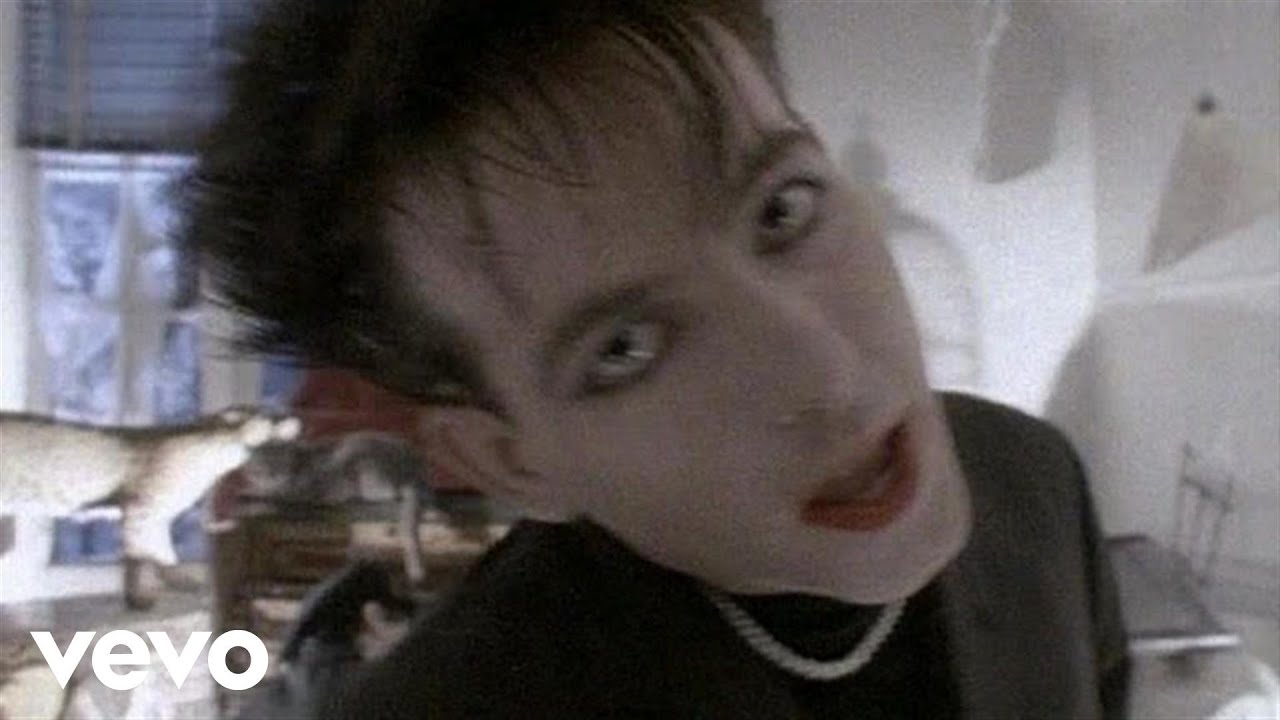
It was in that moment that Robert Smith accepted another invitation to tour with Siouxsie And The Banshees after they had parted ways with another guitarist – the hugely influential John McGeoch, who also played with Magazine and Public Image Ltd.
In addition to this tour, Smith made an album of psychedelic rock with Banshees bassist Steve Severin under the name The Glove.
In a hectic period, Smith also played and co-wrote songs on the Banshees’ album Hyæna while also creating The Cure’s fifth album, The Top.
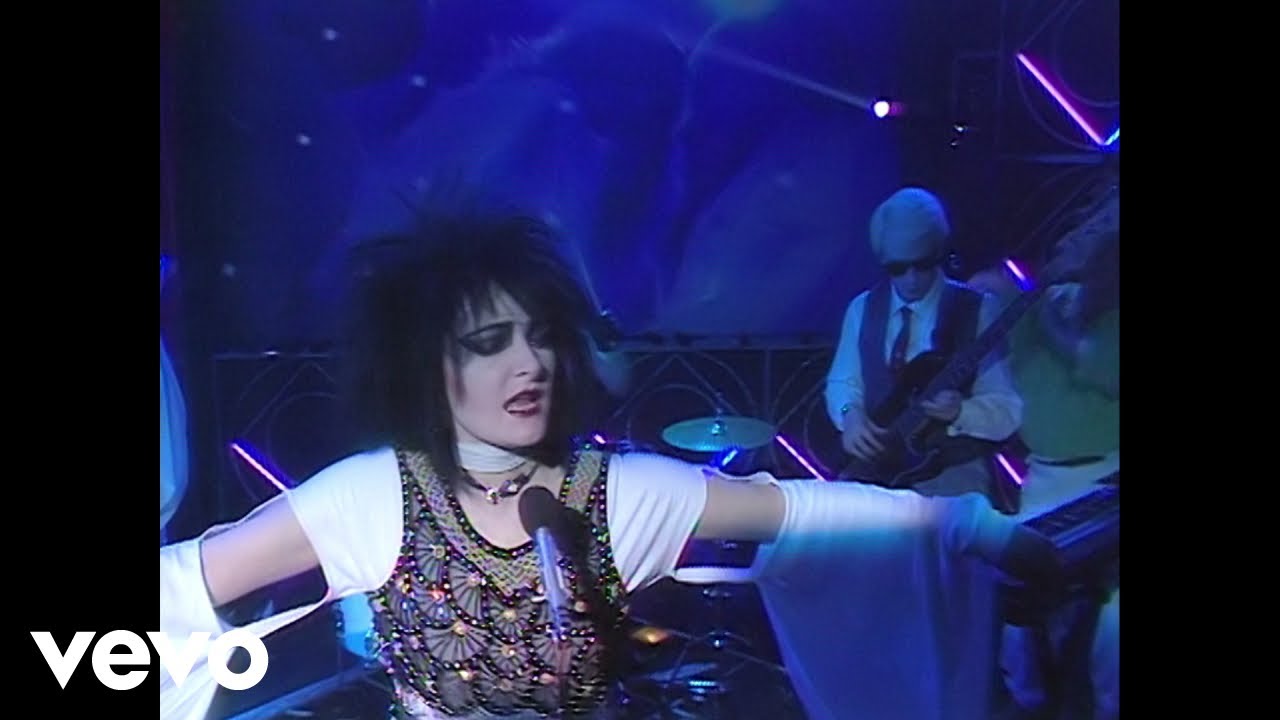
Eventually it all got too much for Smith, who later explained to Uncut his reasons for departing the Banshees:
“I quit because I told them I was dying and they didn’t believe me,” he claimed. “I could tell by the look on my doctor’s face that there was something very, very wrong with me. I knew that if I went out on another tour with them, I wouldn’t come back.”
It was Smith alone who provided much of the instrumentation on The Top, although for the subsequent tour he and Tolhurst were joined in a new band line-up by drummer Andy Anderson, multi-instrumentalist Porl Thompson and bassist Norman Fisher-Jones.
However, it was only with the next album, 1985’s The Head On the Door, that Smith achieved the kind of stability he craved with the return of Simon Gallup on bass and the acquisition of an accomplished drummer in Boris Williams.
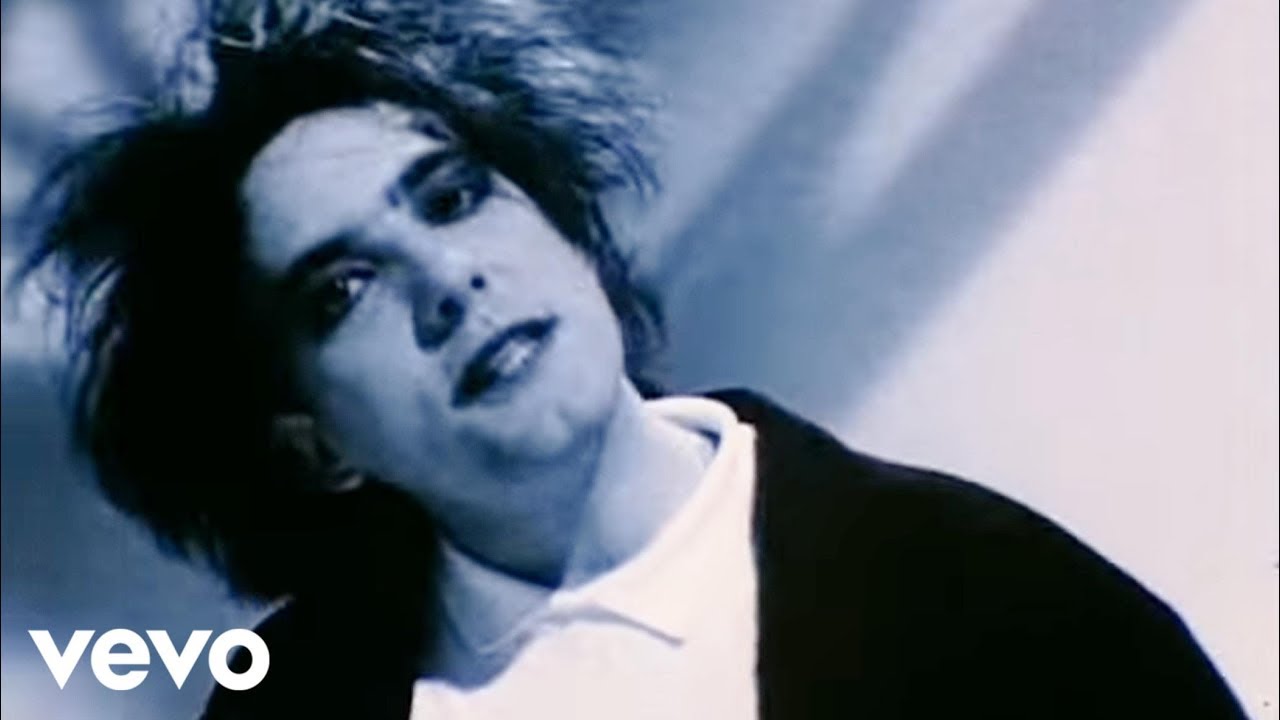
The positive energy in the band was reflected in the hit single In Between Days, one of The Cure’s best-loved songs.
As Smith said: “I at last felt that we had a genuinely happy and very musical group. It totally changed my idea of what The Cure could be.”
