


Gaining viral success via videos of them busking classic rock favourites on the streets of Belfast, Northern Irish duo Dea Matrona have since enjoyed a rapid ascent.
Writing and producing an increasingly captivating songbook themselves, Mollie McGinn and Orláith Forsythe have maintained a proudly independent stance when it comes to control of their career trajectory.
The pair, who first formed at school in 2018, boldly shunned a major label deal offer in favour of self-releasing their debut album For Your Sins in 2024. We’ve previously spoken to the pair about their background, and their songwriting influences in a lengthy interview back in 2022.
Last year, the duo signed with AWAL (Artists Without a Label) - an independent recording business that serves as an alternative to the traditional record label dynamic. It offers its artists creative independence and strict ownership of their released music - ideals that aligned with Mollie and Orláith’s ethos.

Next month, the pair tour with the legendary Sting, with a further stint backing Wolf Alice in Belfast capping an extraordinary run of support slots, which has previously seen them open for the likes of The Corrs, The Darkness, Bryan Adams and Shania Twain.
Impressive stuff for the still-young partnership who first met each other during Scór na nÓg singing contests at their Belfast school as teenagers.
With a tantalising, darkly-hued second album, Hate That I Care released in a matter of weeks (June 5th), and vibrant new single My Own Party stuck in our head, we took a detour from our conference agenda at this year’s Great Escape festival to catch up with Mollie and Orláith in a Brighton whisky bar ahead of their show later that evening at Brighton’s Komedia…
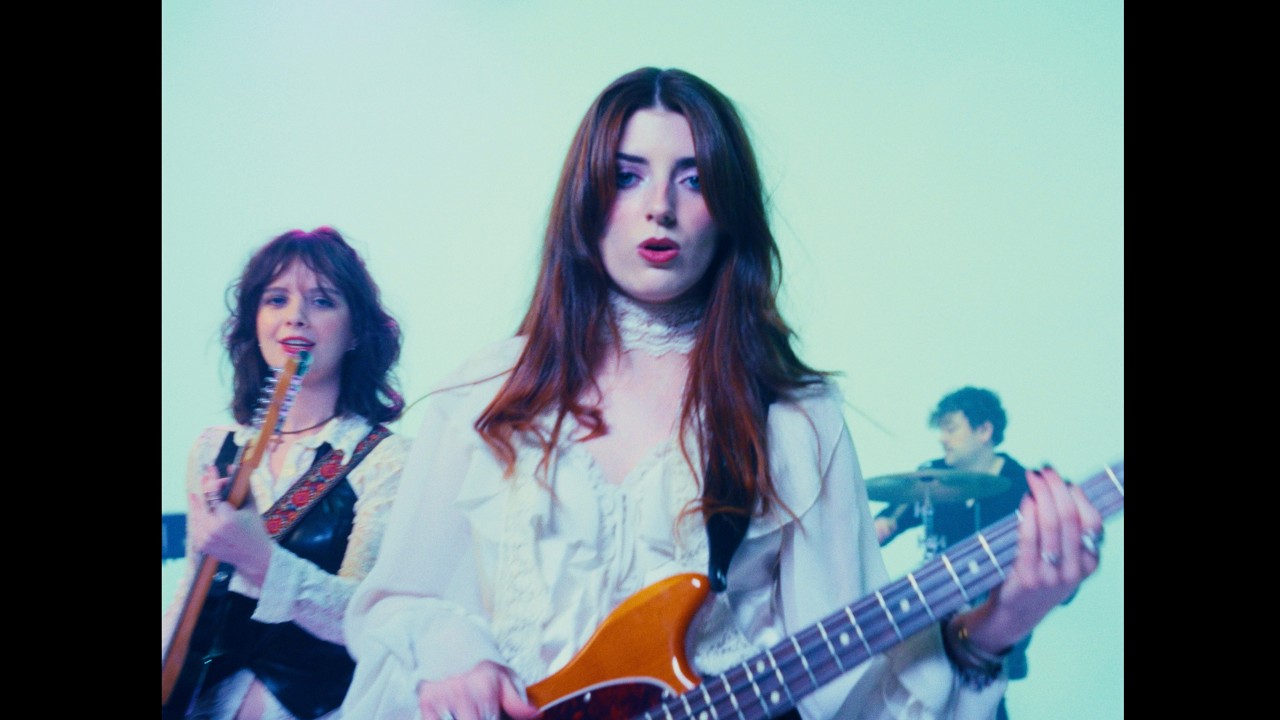
MusicRadar: Let’s start by talking about your latest single, My Own Party. To my ear, it seems to be about the feeling of being invisible and isolated…
Mollie McGinn: “In some ways, but it was almost more about the sense of relief [when you realise] people aren't watching as closely as you think. A lot of it was about using alcohol to control public anxiety in social situations, and feeling like you don't fit in sometimes. It’s kind of a reminder that, you know, people aren't watching you as closely as you think. It’s kind of celebrating that.
“Sometimes it’s celebrating that, and other times it’s more ‘I wish you were’”
MusicRadar: Did that theme/motivation spur the song, or did you have the music in the works already?
Orláith Forsythe: “I feel like [when we were] writing that song, it was kind of all at the same time, the music and the lyrics came together.”
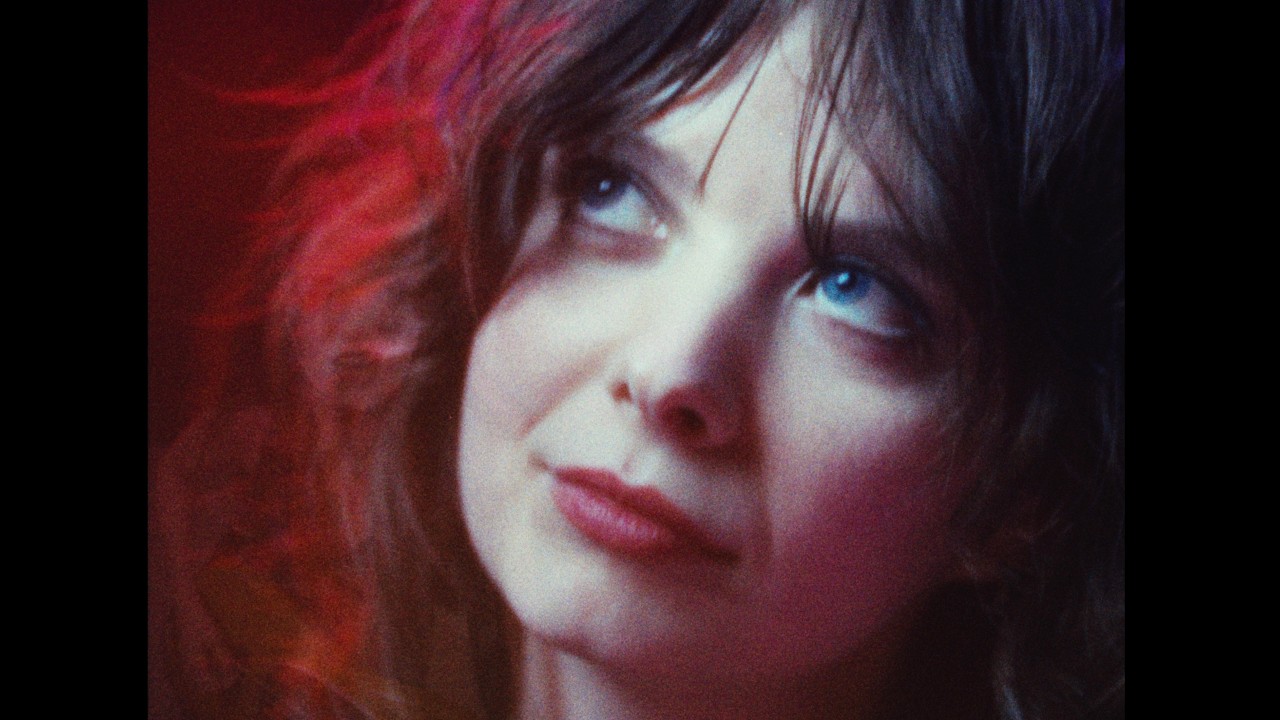
MusicRadar: I suppose it’s quite an apt theme - I think a lot of young bands are working hard to get exposure and be ‘out there’, but then there’s the dichotomy of wanting that attention for their music but also feeling self-conscious about it. The title track of your new album (Hate That I Care) feels like it explores a similar theme?
MM: “Lyrically it’s definitely a similar theme. but it came about in a different way. It was one of the longer ones to write. We had the pre-chorus and chorus idea, and then we worked on different verses for it and stuff. We tried some different arrangements for it, and it was one that we didn't have very direct influences for. I don't think.”
MusicRadar: Does the music tend to lead the way when it comes to songwriting and building the arrangement?
OF: “Yeah, sometimes the arrangement can be the part that just takes really long. There are songs like My Own Party that came about pretty quickly, and it was written as chords and vocals, but Hate That I Care was one that we were trying different sections for.
“It came in the middle of writing the album. The earliest one we wrote was Magic Spell, which really set the tone for what we wanted to do. We were actually hoping to create a more like ‘mythical escapism’ album this time. That’s what we first set out to write with Magic Spell - it's almost one that is a little bit more ‘fantasy’.
MM: “We were [initially] kind of hoping to go for more of that vibe with the album - but then just life events progressed the album [changed]. It ended up being quite emotionally intense and personal.”
OF: “Which was nice, because I think it reflected what we were feeling at that time. The first album was written over a longer period of time. It was from when we were maybe about 18 until about 23. So, five years of writing and this one was about six months, so it was maybe a bit more reflective of how we're feeling at the moment.”
MusicRadar: You signed with AWAL last year, was the album already in the works before that happened - and did getting signed affect the album in any way, creatively?
MM: “It was [in development] and no, getting signed didn’t really affect anything. They’re all about giving artists freedom. That’s what they’re about so we really like working with them. We like having control over our own music.”

MR: Prior to being signed you were already a growing band and had some extremely impressive support slots behind you - and I know you’ve got the tour with Sting next month - how much did and do those support slots help you in gaining and growing and audience?
OF: “Of course, I mean, the opportunities that we've had, with acts like Sting, and other artists as well have really helped us to build in different countries. We played with Sting last summer in Luxembourg, and we did Glastonbury. So, I mean, we're very lucky in that regard, getting to have these opportunities.”
MM: “We’re lucky to be in a position where we can tour to build our career because it is something now that most bands are losing money trying to do. Social media is really one of the only free ways, you know, for artists to promote. A lot of people will give advice like ‘Oh, just tour and get press and do this’ – but that's expensive.
“Most people have a phone and can film themselves, but obviously there's a lot of, like, negative effects to it as well. People slag it as well. People say ‘It’s cringe to be posting on social media’ but it’s the only way for people who don’t have money to get heard. It’s accessible to everyone.”
MusicRadar: Which I guess goes back to that theme which you’re exploring in My Own Party - that balance between being on one level seeking attention, but in another way not…
MM: “Cool, trendy people will say ‘Oh yeah, you have to gig to get a crowd’ – but that’s just isn’t actually accessible anymore. It’s so hard for bands to get shows and tour. Touring abroad with bigger bands costs loads of money, and we’re lucky now to be in a position where we’re making money and can fund it from our own things. We have a label, but for bands starting out, social media is something that you have to do.”

MR: And are you still monitoring the stats - like your audience demographics/locations and that kind of thing?
OF: "Oh yeah, we enjoy doing that. We like seeing people connect with our music. But it definitely helps having label support. It’s tough out there being independent.”
MM: “We value being an independent band, though. We chose to go independent with our first album. We had a major record deal offer that we turned down. It was important for us to have control over everything we were doing and making sure it felt right. That was something that was a kind of big decision for us with the first album, to turn that down and decide to go independent and just do things ourselves.
“It’s mad, the splits now - the major labels own your masters. They want 88% and that's standard across the board, so every act who signs to a major is not making money.”
OF: “Also we produce our own music as well, and AWAL has really respected our vision for music-making. We write it, record it and produce it. It’s important to us and they’re respectful of that.”
MM: “I do think more majors should give far more ethical deals to artists. Especially when you consider in the current climate of [streaming], record deals are not the predominant way to get income from your music.”
OF: “There was a great podcast [on the subject of signing to majors] with one of the members of Hudson Taylor [How to Break an Artist, Ed] which we listened to when were considering signing. It was a really good listen.”
MM: “We heard all these podcasts, and were researching when we had the offer. We were just like ‘No, we’ll go our own way’. The contracts are crazy, you know. You don’t get out of them - like ever.
“There’s a lot of stories - like Raye for example - where they don’t even release your music. So there’s definitely like unethical things that have been happening.”
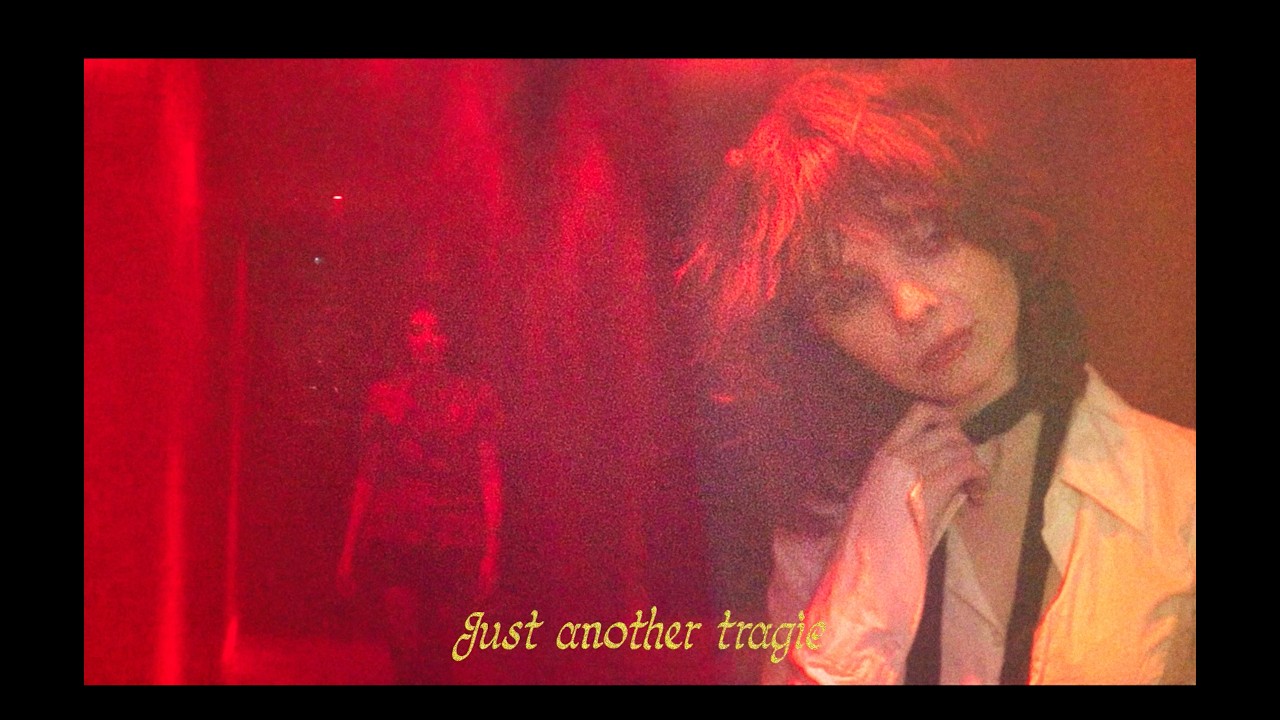
MR: I guess your initial surge in audience engagement came from the clips of you busking those classic rock-leaning tunes. I suppose that’s part of this conversation too - that artists can seize a moment themselves, and find something that just kind of hits. But it’s hard to recommend that as an obtainable objective for everyone, right?
MM: “It’s luck as well unfortunately, trying to crack on social media. But we have been lucky to have a few clips that have done well for us which has obviously helped us to get our deal. It’s not what you want to recommend to people all the time, but to be transparent, that is what helped us.
“It’s a double-edged sword. It’s bad for your mental health. But it’s where the industry is at in a lot of ways.”
MR: And do you think you consciously instilled some of these concerns into the themes of Hate That I Care?
MM: “In some ways, there’s a song called Wait that’s inspired by the sort of negative elements of modern life - comparing yourself to people online etc. Just frustration at stuff like that, and social media. Feeling like you’re [being boiled down to] a number or a statistic. I think it’s bad for everyone how much we’re on our phones now. It is bad for artists, having to be on social media.”
OF: “Even the way that statistics inform your taste on Spotify - and the way it has ruined physical music.”
MM: “We love supporting and paying bands - especially modern bands. We started off with classic rock but I really love finding new bands and trying to support the new music scene. That's like the best thing you can do. If you want your band and other bands to be able to make a living, and you have to try and discover new bands as much as you can.
"We’ve got an extra day here at the Great Escape to just kind of wander around [watch new bands] and see who we can find.”

MR: You mentioned that you produce your own music, where do you guys do that - do you have a home studio?
OF: “Not yet, we don’t actually have much. We have a laptop, a Focusrite interface and a pretty cheap mic we use. We record literally anywhere we can. We would like to get a studio going eventually.
“We have a guy who does drums and he has his own setup which is pretty handy. We program all the drums and fills and then we send it to him and we’re like ‘Can you play this exact fill?’
“Our drummer said that it’s actually quite tricky to learn some of this stuff - because it’s programmed a lot of the time. But then the drums are [eventually] real on the track. We’d like to record our own drums, but we don’t have the setup or anything. We need a good drum room.”
MR: You used to swap instruments around quite a bit - is that still the case?
MM: “We were actually talking about that last night in our gig in London. The reason we started doing that was because we were busking…”
OF: “My first bass was a really heavy, heavy bass!”
MM: “So, we had to keep switching, to share the load. It just kind of stuck. We don’t really overthink it, but everyone kind of says, ‘Why do swap them?’ For us it’s just like putting on a pair of socks.”
OF: ”We were sort of saying yesterday that we both prefer playing the bass.”
MM: “Bassists look the coolest too. I know the industry favours guitarists but there’s something about a bassist. Just hearing a bass come through a P.A. When you’re on stage you can hear that low rumble. Less pedals to hit, too!
"Playing guitar and singing is hard, but it's hitting the pedals that can be the most tricky…”
OF: “I can see her doing like the Riverdance during some of our songs!”
MM: “Some of our songs have five different effects. It can sometimes throw you off vocally when you’re actually having to hit pedals and sing.
Dea Matrona’s new album, Hate That I Care is released June 5th, check out their official website for more information and tour dates.
