


The opening track on side two of Pink Floyd’s 1973 bestseller The Dark Side Of The Moon made history as their first big hit in the US, climbing up to No 13 on the Billboard Hot 100.
Money was written by lead vocalist/bassist Roger Waters and sung by guitarist David Gilmour. And while the song’s lyrics might sound like a celebration of financial wealth and all the luxuries that come along with it – not least the line, “Money, it’s a gas” – this was, typically of Waters, a sarcastic take on capitalist consumerism and human greed.
One line in particular – “share it fairly, but don’t take a slice of my pie”– takes aim at champagne socialists, those who hypocritically advocate for left-wing and progressive policies while also enjoying affluent lifestyles that are ostensibly in conflict with their democrat beliefs.
For The Dark Side Of The Moon’s 20th anniversary, Waters looked back and admitted “money interested me enormously” and though he was “still keen on a general welfare society”, he ultimately “became a capitalist” and had to “accept it”.
He confessed: “I remember coveting a Bentley like crazy. The only way to get something like that was through rock or the football pools. I very much wanted all that material stuff.”
Somewhat ironically, the song and the album did very well for the band commercially, giving them their first taste of international stardom and success.
Waters was responsible for the sound effects heard at the very beginning of the track. He recorded the jangle of coins, the tearing of paper, the ringing of a cash register and the snapping of a mechanical calculator to create the iconic loop that sets the scene.
His bass then comes in with the 7/4 riff that stands today as one of Pink Floyd’s most recognisable ideas. The song is in the key of B Minor and performed at around 122bpm.
“It’s Roger’s riff,” Gilmour told Guitar World magazine in 1993. “Roger came in with the verses and lyrics for Money more or less completed. And we just made up middle sections, guitar solos and all that stuff.”
He continued: “We also invented some new riffs – we created a 4/4 progression for the guitar solo and made the poor saxophone player play in 7/4. It was my idea to break down and become dry and empty for the second chorus of the solo.”
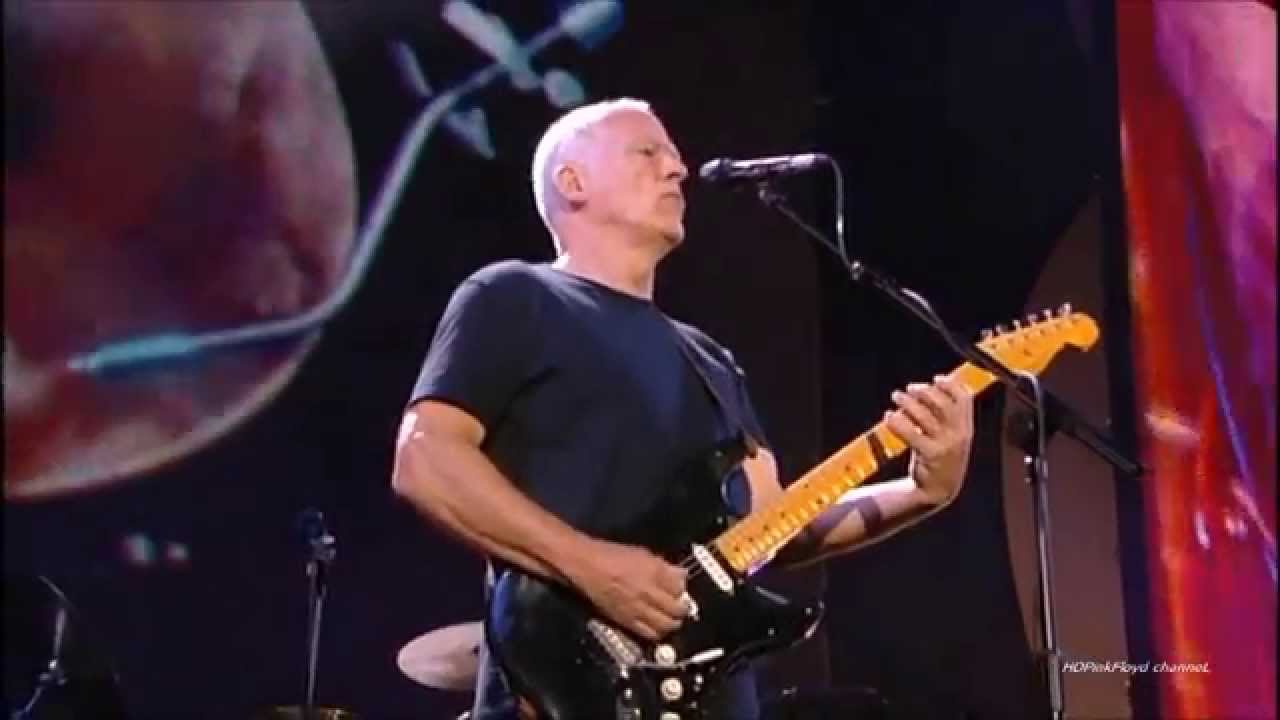
Waters used a Fireglo Rickenbacker 4001 in the early days of Pink Floyd, but by the time they arrived to The Dark Side Of The Moon sessions at Abbey Road in the summer of 1972 he’d switched over to a Fender Precision bass in black.
The band produced the album themselves, but recruited Alan Parsons are their engineer. Parsons had recently worked on two albums by The Beatles, Abbey Road and Let It Be, thus cementing his name into legend via the biggest band on the planet.
Parsons later praised both The Beatles and Pink Floyd for using “the studio to its fullest” and “always looking for new effects and new sounds” – admitting “that was the beauty of working with those guys, there were always new horizons to discover in sound”.
Chris Thomas was hired as a mix supervisor, which Gilmour even admitted was a role created to “essentially to stop the arguments between me and Roger about how it should be mixed”.
The guitarist “wanted Dark Side to be big and swampy and wet, with reverbs and things like that”. Waters, however, “was very keen on it being a very dry album” which was supposedly influenced by John Lennon’s debut solo full-length.
Gilmour added: “We argued so much that it was suggested we get a third opinion. We were going to leave Chris to mix it on his own, with Alan Parsons engineering. And of course on the first day I found out that Roger sneaked in there. So the second day I sneaked in there. And from then on, we both sat right at Chris's shoulder, interfering. But luckily, Chris was more sympathetic to my point of view than he was to Roger’s.”
As for the guitarist’s rig, he once explained that he “did the first two solos on a Fender Stratocaster, but the last one was done on a different guitar – a Lewis, which was made by some guy in Vancouver”.
He also said the guitar was being notable for having “a whole two octaves on the neck, which meant I could get up to notes that I couldn’t play on a Stratocaster”. It was fed into a Hiwatt or a Fender Twin Reverb via a “Fuzzface fuzz box and the Binson echo/delay”.
Money has been covered by an array of artists from Velvet Revolver, The Michael Schenker Group, The Flaming Lips, Of Mice & Men and Gov't Mule to even Waters himself, when the estranged Floyd frontman decided to re-record the album without any of his former bandmates for The Dark Side of the Moon Redux in 2023.
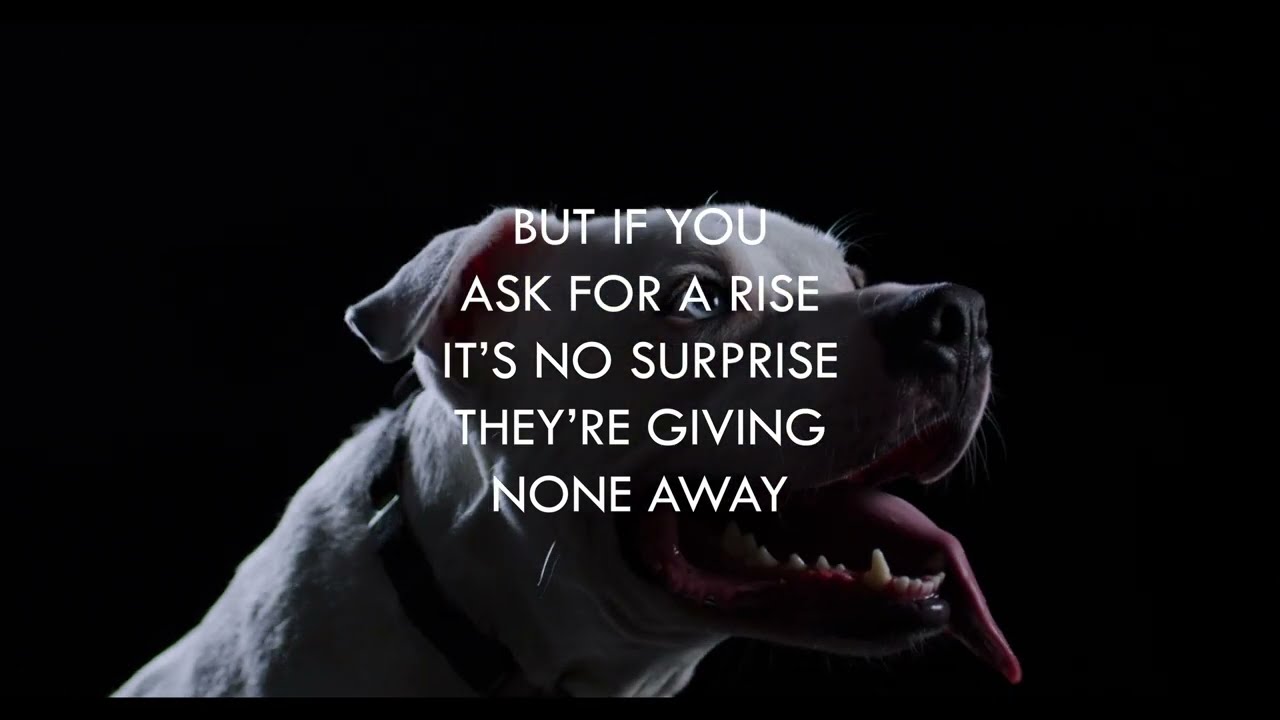
The slowed-down and longer arrangement was notable for its spoken-word vocals and surrealist interpretation of the song he wrote 50 years prior.
When Gilmour was asked by Uncut in 2015 if there’s a song that reminded him of Waters, the guitar legend replied: “Money. I’m not talking about the lyric. Just the quirky 7/8 time reminds me of Roger. It’s not a song I would have written. It points itself at Roger.”
