


As one of the greatest guitarists of all time, David Gilmour has inspired and influenced countless musicians – and in 2022, a number of famous players paid tribute to the Pink Floyd legend in the pages of Total Guitar magazine.
To coincide with the release of Pink Floyd’s final single Hey, Hey, Rise Up! – an anti-war protest song created with Ukrainian musician Andriy Khlyvnyuk – Total Guitar profiled Gilmour’s long career and invited various guitarists to nominate and analyse their favourite Floyd songs.
Stu Mackenzie of King Gizzard & the Lizard Wizard chose Echoes, the landmark 23-minute track from Floyd’s 1971 album Meddle.
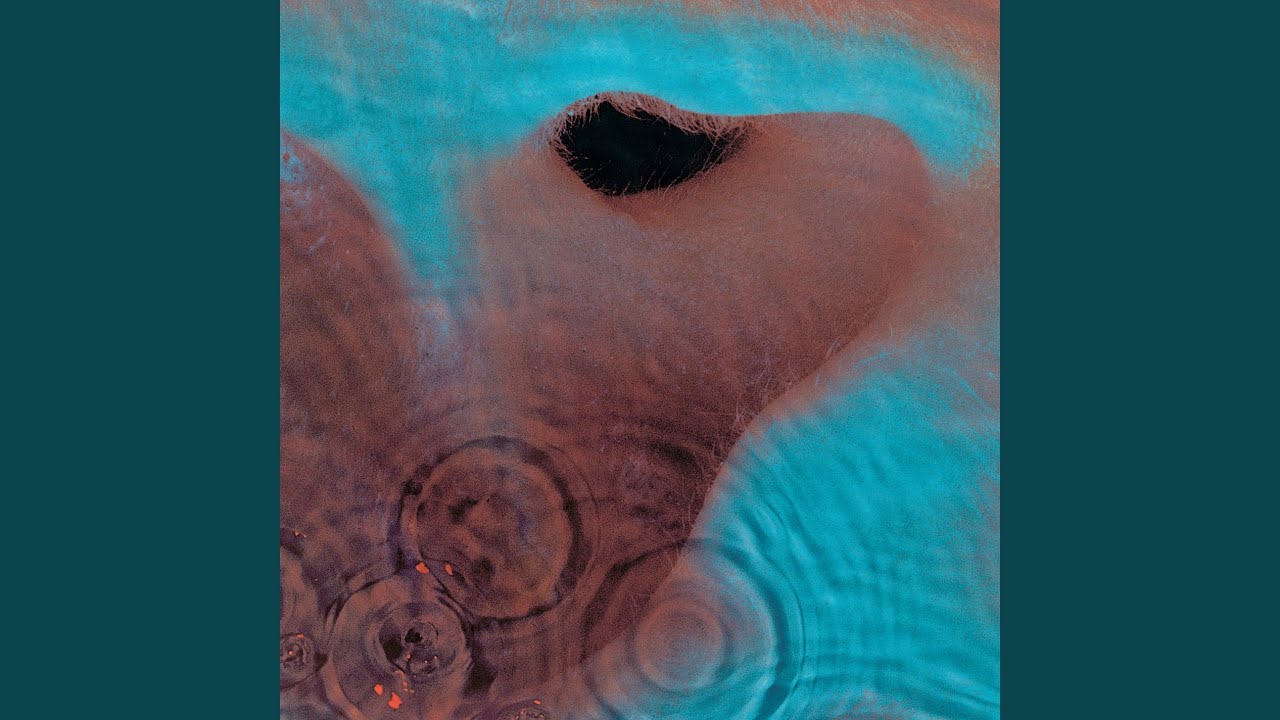
“The whole of Pink Floyd’s catalogue has aged very well, but I think Echoes has aged particularly well,” Mackenzie said. “It’s 50 years old now, but it’s still so modern sounding. It still feels like a leap of faith, an experiment. I'm not sure how much other music feels like that.
“Echoes has got all the noisy, delay-based stuff I always thought was really cool. My favourite section and, to my mind, the climax of the song, is when it gets into that 4/4, almost half-time groove. In the Live At Pompeii video, the camera’s slow-panning past all of the gear, and Dave’s doing these guitar squeals with his whammy bar. I always thought that was the coolest thing I've ever seen!
“I used to go to bed thinking about it. It was a visceral moment that encouraged me to keep playing the guitar and to keep trying new things.”
Mackenzie concluded: “Echoes is a song that makes you feel like the guitar can do anything, that it's not just an instrument that's limited to one tonality or one effect. And that's pretty inspiring.”
Marillion guitarist Steve Rothery chose Breathe (In The Air) from Floyd’s most famous and celebrated album, The Dark Side Of The Moon.

“It’s such an important album, so masterfully arranged, and very few albums take you on a journey like that,” Rothery said. “It's the first time everything came together [for Floyd] in terms of the songs, the sonics and the special effects. It shows an additional level of maturity in the songwriting, and especially the lyrics.
“The opening chord progression of Breathe (In The Air) [the Em to A] is such a lovely movement. Many people have used it since, and will do so for years to come! It’s just so right for the song. And you can hear [Floyd keyboardist] Rick Wright’s influence on the chords – these more jazzy voicings he comes up with add a great additional colour that’s used throughout the album. He was a master of that.
“Dave’s guitar playing has such texture. Take the vibrato pedal at the front. I have something similar called a Mojo Vibe [by Sweet Sound], based on a pedal Hendrix used [the Dunlop Uni-Vibe]. Vibrato’s a modulation pedal but it’s got a different character to tremolo or chorus. Dave’s got great tone here. If you use effects, the trick is to be tasteful with them like this, to enhance the natural tone of the guitar without swamping it.
“His pedal steel playing’s an important part of the song too, both melodically and texturally. That has very much informed my playing over the years, which is funny because one of my pet hates is country music!
“I tend to think less in terms of scales and more about moods – if it sounds good, then it works. We're all born with this innate sense of melody and the harmonic relationship just between two notes as it changes and shifts against a chord. You can teach yourself a lot of that without having to get bogged down in the technical aspects, and again, that's what I love about Dave’s playing. It’s got that heavy blues influence but he's still got a great melodic sensibility.
“There’s an emotional purity to Dave’s approach – the choice of notes, the expression – that I try encapsulate myself at times.”
Geordie Greep, then leader of Black Midi, chose two contrasting tracks from Floyd’s 1977 album Animals – Sheep and Pigs (Three Different Ones).
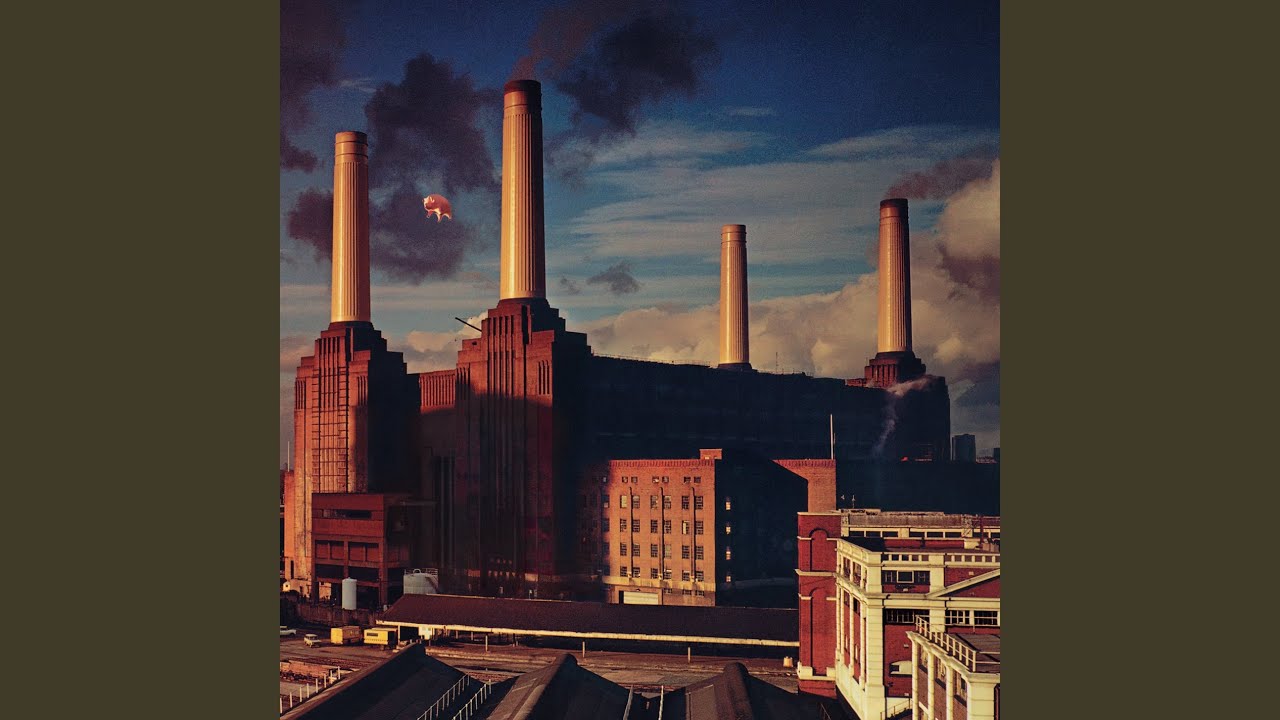
Greep stated: “David Gilmour has got the same sort of thing as Angus Young, where he’s not doing anything particularly headline-grabbing in terms of technicality, but just has a wonderful kind of ‘singing’ way of playing. He's got great feel. Anyone can play the things he's playing, but the way he plays them is brilliant.
“Pigs (Three Different Ones) is where David has the talk box of course, and it’s probably the best use of that ever. I can’t think of anyone who uses it for that natural and emotional effect, rather than just a gimmick or a trick. On this it comes across as something totally sincere and in keeping with the context of the song. And in terms of the guitar solo, he just keeps going! You think, ‘Okay surely it’s time to wrap it up?’ But no, he keeps going and it’s just great.
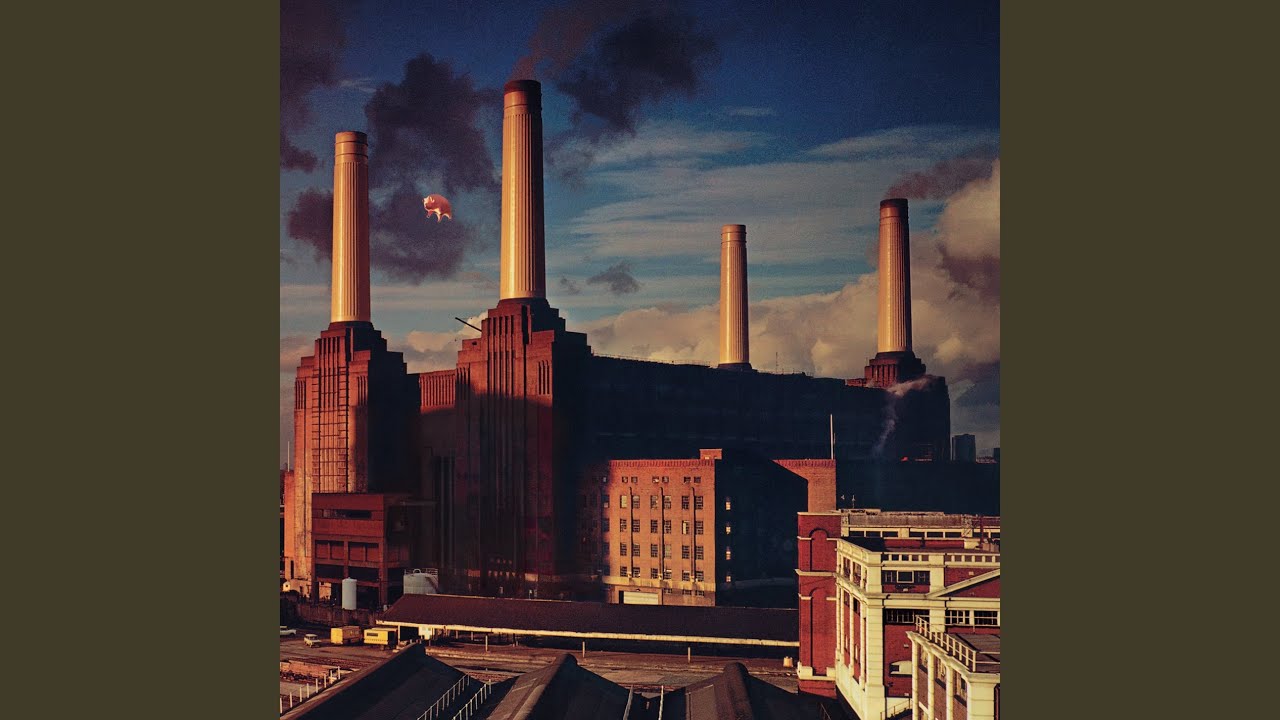
Greep added: “The outro riff on Sheep is probably one of the best riffs they ever did. It’s the same sort of thing as on Run Like Hell [from The Wall], but on Sheep it’s particularly excellent, it feels ‘of the moment’. He’s got a very classic guitar sound on there, and that’s another great thing about David – he never used too much distortion. He used Hiwatt amps at that time and got these huge sounds, but they were never saturated and over the top. His natural touch still comes through.”
“On Animals and throughout, he never played more than he needed to, his playing was always very considered and soulful. For me he’s the only guy to do the proper blues thing in a rock band where’s it not a bit ‘white boy playing the blues’ and naff. He’s just got his own style.”
Metallica’s lead guitarist Kirk Hammett chose Shine On You Crazy Diamond, the atmospheric masterpiece that bookends the 1975 album Wish You Were Here.
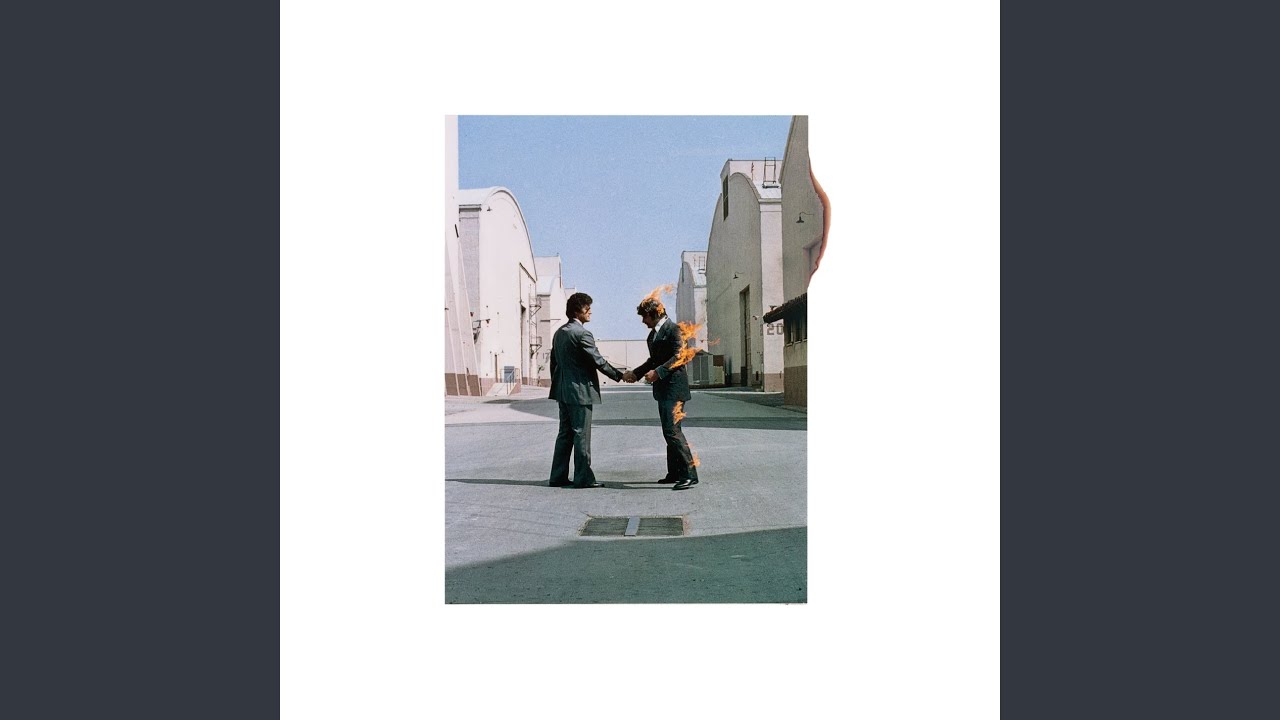
“I love Shine On You Crazy Diamond because there is a riff in that song, but it’s so sideways and so around the back,” Hammett said. “When you listen to that song, it’s actually a blues. It’s a freaking blues progression but it doesn’t sound like it, and that in itself is a real accomplishment.
“So I really think that song is just amazing. With the opening to it, that weird ringing opening chord, Shine On You Crazy Diamond is just epic, and there’s so much that I love about that.
“I love how understated David Gilmour’s playing is. If anything, I could be more understated, but sometimes I just regurgitate a ton of notes. I can’t help it – it’s just how I am! But David is very, very understated and that, in itself, is a real, real beauty to behold.”
And for Muse guitarist and vocalist Matt Bellamy, the perfect example of the brilliance of Pink Floyd and the genius of David Gilmour is in another classic track from The Dark Side Of The Moon…
“For the three of us in Muse, hearing The Dark Side Of The Moon for the first time was a massive deal,” Bellamy said. “For our second album, Origin Of Symmetry, we were working with [producer] John Leckie, and he was kind of blown away by our lack of knowledge about the history of rock and music in general. He would show us some artists like Captain Beefheart and explain how that transitioned into Tom Waits.
“Obviously we’d heard of Pink Floyd, but we’d never really listened to them properly, or at least the way John wanted us to. So in 2001, he made us turn the lights out in the control room and he played The Dark Side Of The Moon a few times. It was such a mind-blowing experience.
“That was the first one that really hit us. It led to us making our fourth album, Black Holes And Revelations, in the south of France in a place called Miraval – an old chateau where [Pink Floyd] made parts of The Wall… which was the main factor in us deciding to record there!
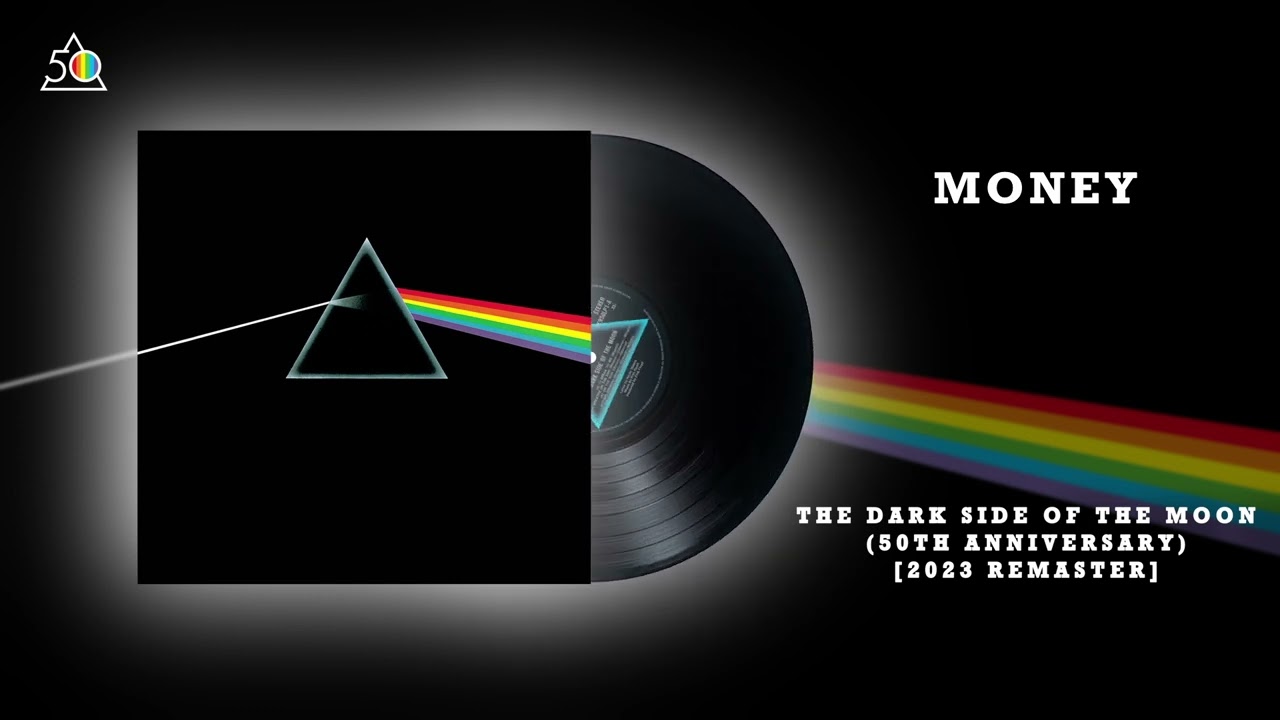
“Picking out the best guitar moment on The Dark Side Of The Moon is a tough one,” Bellamy admitted. “But I have to say Money stands out. That riff is super cool and there’s a whole message to it – they were tapping into this anti-corporate and anti-war sentiment. It was so influential in terms of what music can stand for.”
Bellamy said in tribute: “David Gilmour is such an amazingly expressive and emotional player. He somehow makes you feel like you’re hearing a human singing at times. He plays with a degree of expression that’s very, very rare.
“There’s no real technical trickery or showing off with him, unless it’s there for an emotional reason. That tends to be my favourite kind of guitar playing – where emotion and expression are number one.
“If that takes you into a place of technical ambition, then so be it. But more often, it’s his note choices and feel that take you away… they’re evocative of infinite landscapes, things like Antarctica or the desert or roaming around the skies of Mars.
“You get this feeling of floating around indefinitely when you’re listening to David Gilmour play. I don’t think anyone else has done that, for me, or at least to that degree. You feel so elevated and out of everyday life when listening to that band and his leads. It’s incredible.”
What is Pink Floyd's finest hour?
Speak your brains and let us know in the comments below
Think you know your Floyd?
