
If Mark Tremonti is feeling any jet lag from flying into London for a round of press interviews for Alter Bridge’s eponymous new studio album, he isn’t showing it.
Here in a well-kempt west London hotel, it could be the coffee doing its thing, or it could just be that Tremonti and Alter Bridge frontman/guitarist Myles Kennedy are still basking in the afterglow of getting to make an album in 5150 Studios, the Los Angeles recording facility that the late Eddie Van Halen built from the ground up.
It felt like a once-in-a-lifetime opportunity, tracking with their favourite producer, Michael ‘Elvis’ Baskette, in a studio both describe as a “sacred” space, all thanks to an invite from long-time friend and now owner of the studio, Wolfgang Van Halen.
“We’ve had such a long relationship. We love hanging out,” says Tremonti. “We’d go to 5150, he’d come hang out with us, we’d go out have dinner with him, and he’d let us into his sacred studio.”
Inside there was all kinds of stuff. There was a 5150 III tube amp that made converts of both Kennedy and Tremonti to the merits of the 50-watt head. There was some other stuff that you might call “sacred” too. Tremonti says they knew where the limit was. They didn’t actually play Eddie Van Halen’s instruments on the record. “No, no… We didn’t want to push it! ‘Can we play this on the record!?’ No, we respected the space,” he says. “It wasn’t something that we deserve.”
But there was everything they needed. Tremonti’s electric guitar tone has never sounded so good, and that was the platform he needed.
Tracks such as Silent Divide (where you really hear that 5150 III cook) and the wah-squawk of Playing Aces, both shared ahead of the album’s release on 9 January, are Tremonti pushing the envelope – because, as he admits here, in an interview in which he reveals his most underrated player, soloing strategies and discusses his Dumble addiction, he feels he is “yet to arrive” as a player.
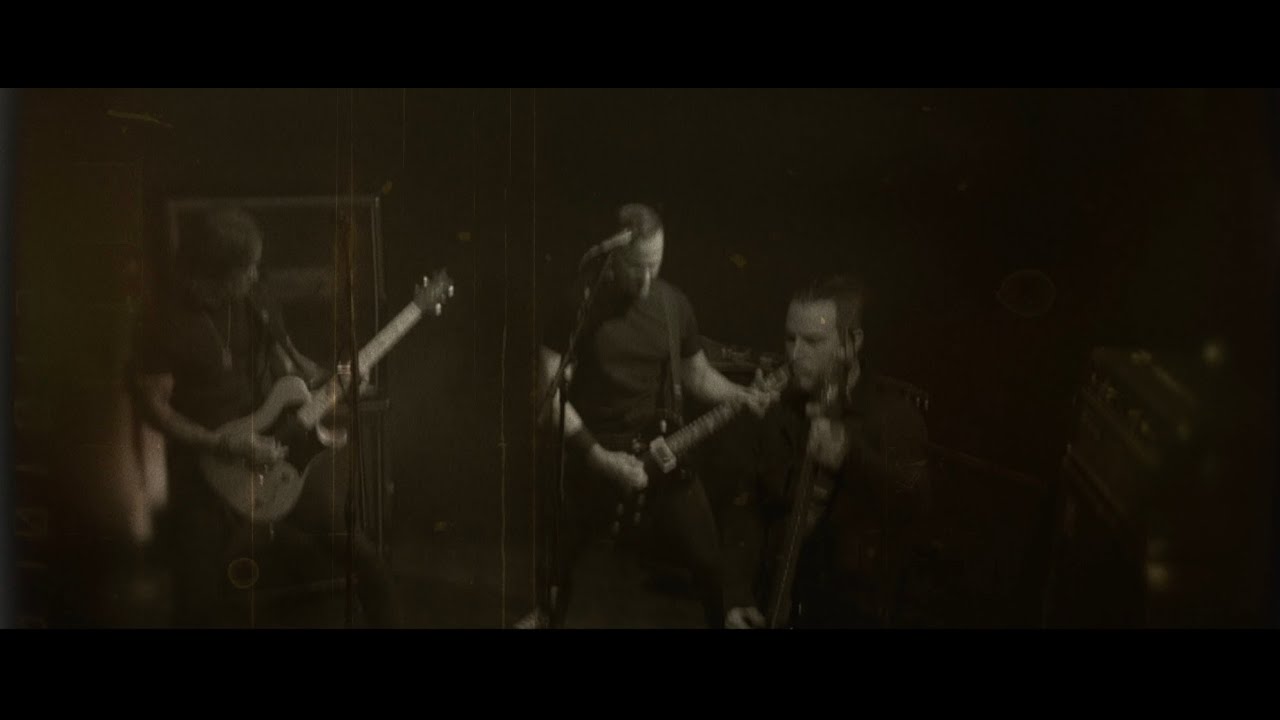
Tremonti insists he is learning new things all the time – he's right now in the process of reinventing his picking style – and that is making him feel like a kid all over again. Is that so bad?
What guitar did you learn on?
“Well I had two older brothers who were huge music fans. My brother Mike was into KISS and Ace Frehley had this black, awesome Les Paul that I thought that was the coolest. A black Les Paul was something that I was just obsessed with. That’s when my friend, Geoff Blake, back in middle school, maybe sixth or seventh grade, he had said, ‘I’m buying a nicer guitar. I’ll sell you mine. Ten bucks.’
“It was black Les Paul imitation called Tara. I can’t remember how it played. It was so long ago. But to me it was amazing. [Was it a bolt-on?] No, it wasn’t! And I sold it for a hundred bucks and made ten times my investment on it. I wish I had kept that sucker but, y’know, I betcha I could put my eye out to find one just to reminisce.”

Was there a moment where you felt you had arrived as a player?
One of the most fun times as a player is after you’ve recorded a record, and then it’s like, ‘I don’t have to worry about the songwriting. I can just play fun lead guitar stuff’
“I don’t. I feel like there is so much to learn, all the time, that I have just scratched the surface, but I have always focused more on songwriting. The guitar playing has kinda come along for the ride.
One of the most fun times as a player is after you’ve recorded a record, and then it’s like, ‘I don’t have to worry about the songwriting. I can just play fun lead guitar stuff.’ But my main focus has always been on songwriting so the lead guitar thing is fun but it’s not my number one.”
You never feel like you make it. There’s always something else to learn. The guitar humbles you.
“Oh it does, yeah. Every time I learn something new I feel like I’m a kid again. ‘Urgh! I suck at this.’ It takes a while to get it. And I have learned something about my playing that I have just given in to; I lean heavily on upstrokes, when probably 90 to 95 per cent of players are downstrokes.
“You see a lot of players who almost exclusively play downstrokes. My upstroke, when I am learning a lick that someone is playing, I’ve got to reinvent it for myself, because I’m a different player.”
That is a good thing, though, because sometimes these foibles give you the style that makes you you.
“Yeah. One of the biggest compliments you can get as a guitar player is when somebody says, ‘When I hear you play, I can tell it’s you.’ Because you can fall into the trap of learning, say, I’m obsessed with Steve Vai, and I learn all Steve Vai’s stuff. ‘Oh, you sound like Steve Vai!’ No, I want to sound like myself, but at the same time I wish I could play some of those Steve Vai licks as well as some other people!”
I think what threw me off initially was I was trying to play like Frank Gambale or Eric Johnson
This is related. What is the technique you tried hardest to learn?
“Well, I am learning new techniques all the time. Right now I am trying to incorporate more economy picking into my playing because I used to think alternate picking is the way I want to play. I want to hear that snap of the attack. But more and more I just figure out patterns where I can get that attack and aggressiveness with the economy picking.
“I think what threw me off initially was I was trying to play like Frank Gambale or Eric Johnson. Like Eric, I would guess has got a light approach to his pick, and I have a very aggressive approach, so some of his lines wouldn’t necessarily work – it would work when I am sitting at home with the guitar on my lap but when I am onstage and have the adrenaline going, all that stuff is out the window, so I had to figure out ways to make it work for me.
“There is a lick I learned from a Zakk Wylde solo when I was younger that has some more aggressive economy picking, and I was like, ‘Okay, this can work for me. I just have to find the right avenues.’”
There is too much heartbeat going on when you are up onstage. That makes you you. You are so clean with that picking. And it jives with your amp choices. The Dumbles especially have a really fast attack. You like that immediate note transfer.
When I do guitar clinics, the first thing I start out with is improvisation. I tell people that that’s my warm-up
“I like a very quick attack. And a lot of people have said that about the Dumbles is that it’s uncomfortable because it’s such a quick response, but the quicker the better for me. I love it. And the reason why I like Dumbles is that it makes me play differently. If I sit down with a Dumble, the last thing I’m going to do is do any kind of fast techniques.
“I just want to express with a Dumble. You want the amp to sound good, so you are playing chord voicings, doublestops, things that bring out the best tones out of the amplifier – it’s not the shreddy techniques. It’s the bloom.
“It’s an addiction. I love it. Dumbles are definitely my addiction, and they’ve gotten so pricey it’s tough. The only reason why I can keep on buying and selling is because I can trade one.”

What do you play when you are just relaxing with the guitar?
“I’ll improvise. When I do guitar clinics, the first thing I start out with is improvisation. I tell people that that’s my warm-up. I just put on a backing track, pretend that grandma is in the room, and then I’ll play something sweet, start with a limited range of notes and then develop it, build up.”
Who would you say is the most underrated guitarist out there at the moment? And is he in your band?
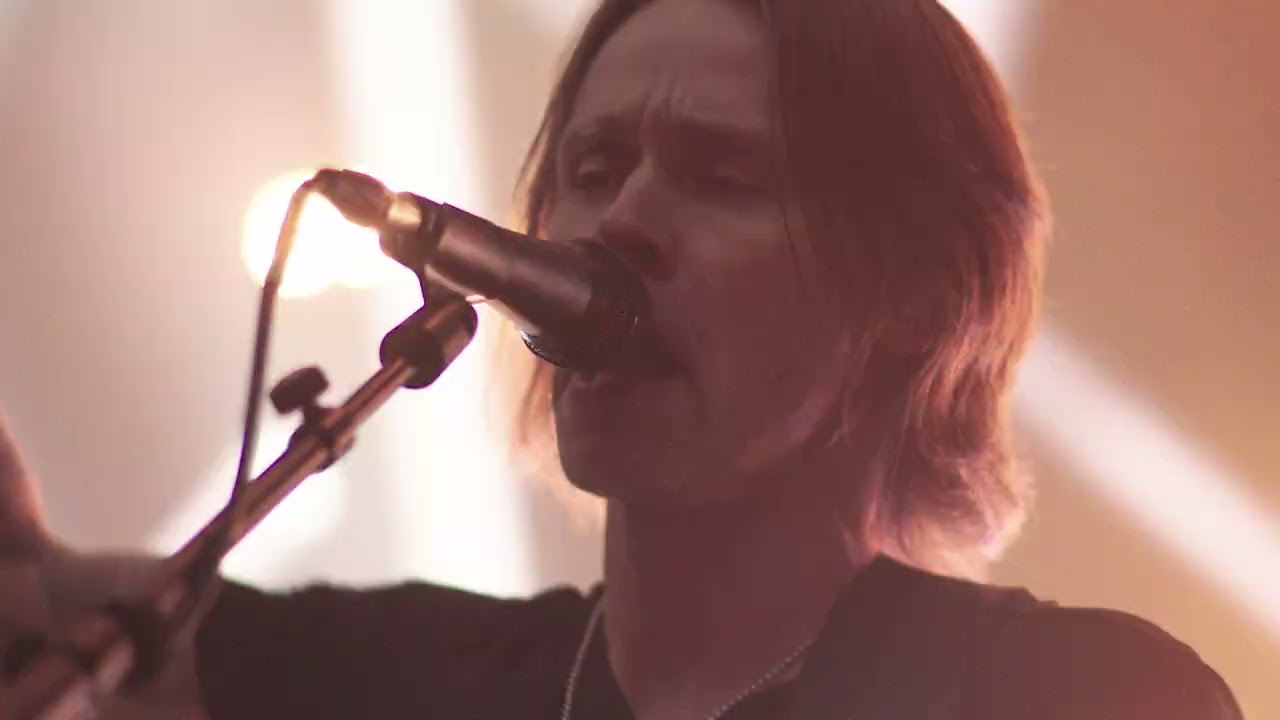
“Myles! Like, when we first started in this band, I had no idea that he was that good on guitar. I remember walking down, he wasn’t even recording guitar on this record, I was walking by the room he was staying in at my house, and I remember hearing all this jazz guitar coming out. I opened the door to see what he was doing and he had the guitar in his hands; it was him playing the jazz. It was like, ‘You sonofabitch! I had no idea!?’ So that became our new secret weapon.
Because me and Myles’ styles have gotten more similar on the songwriting side of things but as guitar players we have different styles. I think Myles’ vibrato and feel is some of the best I’ve ever heard.”
It’s because he is such a great vocalist it pulls focus. Okay, here’s one: what is the greatest solo of all time?
“Greatest solo of all time? I’d go back to Comfortably Numb as something that you can’t ague with. It’s just the most emotive piece of music. [Both solos?] Yeah, actually right through the entire song. Another song that I think is a beautiful piece of music is Lenny… Like the point you make, it’s not the 20-second solo because there is solos throughout the song.”
I love writing in alternate tunings because you are not going to use the same patterns that you normally would
This is something you do in Alter Bridge. Lead guitar is often this thread through the song rather than always just being the solo.
“Yeah, a lot of the solos on this record – and a lot of Alter Bridge records – are written in alternate tunings. I love writing in alternate tunings because you are not going to use the same patterns that you normally would.
“If I am playing a song that’s in standard tuning, I’ll rely heavily on pentatonics and diatonic scales that I am familiar with, but in an alternate tuning, I have to dive in and go, ‘Woah! What am I gonna do!? What open strings work? What little patterns can I remember quickly?’ And I have always been a pattern player to begin with, so with alternate tunings, you take that to my younger self, say, ‘Okay, these picking patterns work. How can I use them?’”
Which young guitarist should we be listening to right now? Who is blowing your mind?
“[Without hesitation] Oh, Matteo Mancuso. He is blowing everybody’s minds. And it’s not the kind of style you can just go and learn. His fingerstyle, it [takes] years and years.”
