
“As a demo, Cruise Ship Designer sounded so weird, I would have been scared if you’d said it would ever become a single,” laughs Dry Cleaning drummer Nick Buxton. Alongside guitarist Tom Dowse and bassist Lewis Maynard (vocalist Florence Shaw is sadly absent), Nick is explaining the recording process that has resulted in the band’s latest album, Secret Love. Released last month (January 2026), the record was made at France’s Studio Black Box with producer Cate Le Bon.
“But Cate heard the initial demo, realised there was gold in it, and really pushed us to finish it and make it happen. She was so instrumental in the process.”
Secret Love collects the fruits of Dry Cleaning’s collaboration with producer Cate, a magnificent record of sharp, eclectic guitar sounds that has been skilfully moulded into the band's arguable masterwork.
Following previous releases New Long Leg (2021) and Stumpwork (2022), this most potent statement from the South London band comes in the wake of extensive touring. That hasn’t prevented them from reaching something of a creative zenith…
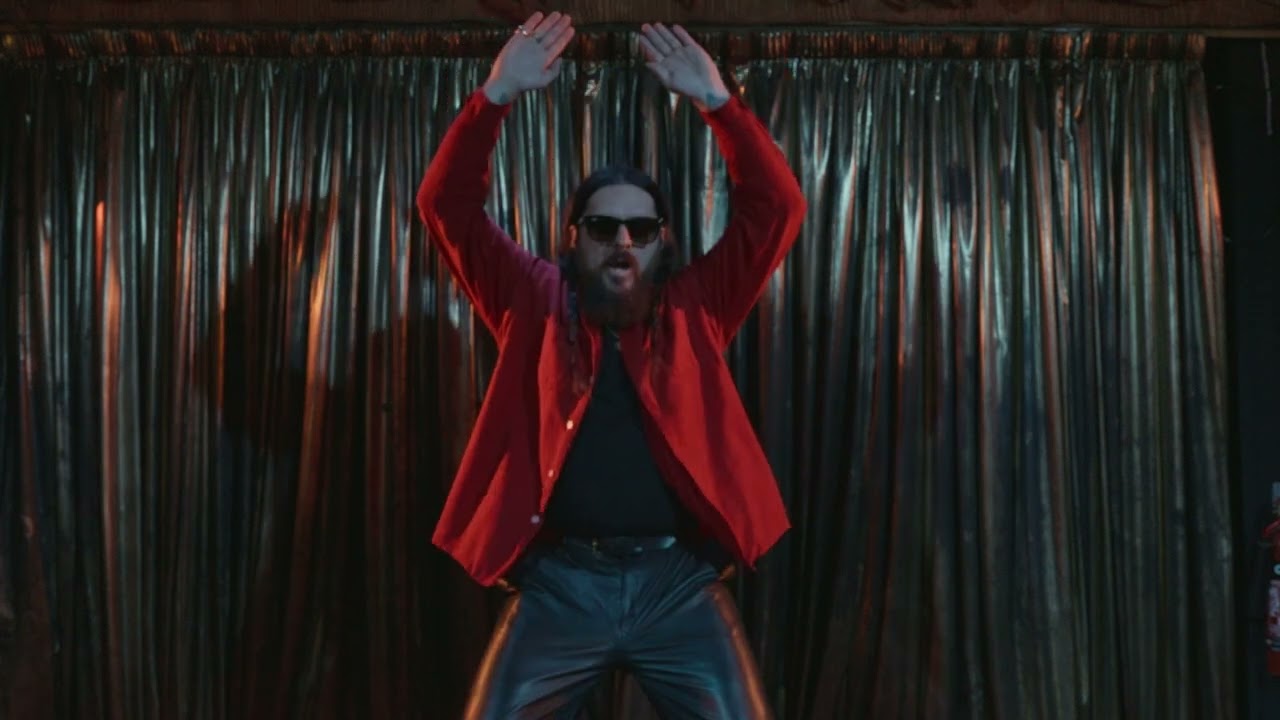
Released on 4AD, Secret Love is part punk, part funk (opener Hit My Head All Day has a lop-sided groove that gloriously sets the tone), with the band effortlessly twisting their instrumentation around Florence’s oblique lyrics.
Mysterious, rough-hewn, often spoken melodies run amok amongst the rugged musical landscape they’ve created. As she intones on Cruise Ship Designer, the band is currently ‘striking while the iron is hot’.
“Our studio approach is very loose, anyone can play any instrument,” says Lewis. “On Hit My Head All Day, Flo was playing harmonica because there was one in the room. It’s a free and trusting process, there are no expectations that something will become a song. We just like to see where ideas go and where we can get to from playing together.”
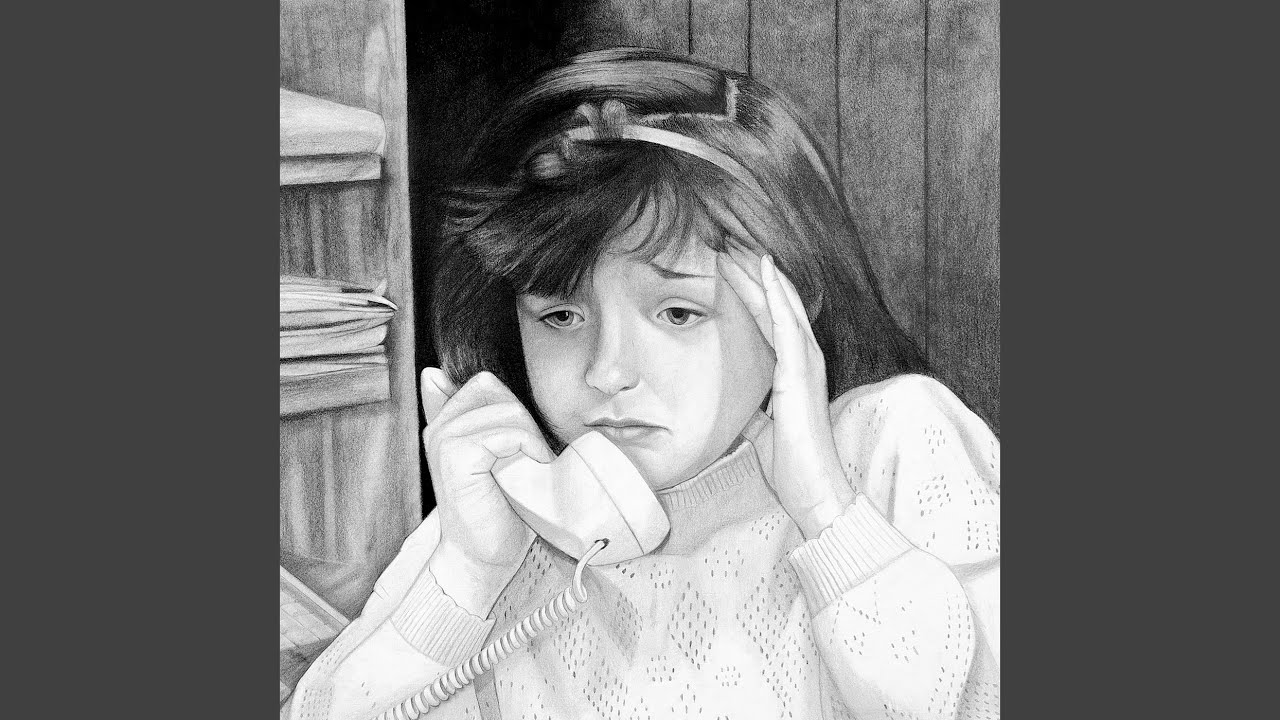
Speaking to us together on Zoom, Tom, Lewis and Nick are candid and almost self-deprecating about the magic of the recording process.
“I think it’s surprisingly hard to tell if it’s good when you’re in the midst of it,” says Nick on their musical process. “The actual way we write hasn’t evolved too much between albums. Certain songs you have to work hard at, others are almost instant and that’s always been the case since we started. Others you want to give up on, but they can end up sounding amazing.”
At this stage in the band’s career - signed to 4AD with a solid fanbase around them - there were more resources to dedicate to their music making and to exploring different styles and palettes, an approach that can be heard in the final 11 tracks.
A huge amount of music was demoed at five different studios before they decamped to Black Box with Cate to choose their favourites and capture what became the final versions.
“We’ve always wanted to make albums that are so varied, it’s just that the opportunity to record like this at the start is much smaller,” says Tom.
“This time, we had over 100 different demos in various stages of evolution - some were finished, others were loose. Cruise Ship Designer was like a sketch when we went to Black Box. When you draw from a broader palette, you have different styles and that meant we could cherry pick a range of songs.”

It also leads to a different element to the album-making process too, where returning to past versions to review and edit music became a key part of the journey to the released takes.
“It connects a large part of the writing process to listening,” says Lewis. “Rather than just writing an extended chorus or making do with what you have, you have all this music to go through so you can pick what works. That’s a big part of Dry Cleaning, a big part of the writing is in the listening back.”
Dry Cleaning’s creative bond with Cate came through performing at the Pitchfork Festival in 2022 where Jeff Tweedy from Wilco introduced them.
Then on their next visit to the US, they met Cate in Jeff’s Loft studio while working on Wilco's Cousin. This was another stage in their relationship which placed her front and centre of the band’s mind when contemplating who they wanted to record with on Secret Love.
“It’s really hard to decide what’s what when you speak with potential producers. You talk to a shortlist and it’s hard to know what might happen; you have to go off a vibe and she just seemed great,” says Nick.

“Cate put a lot of listening into our demos,” Lewis continues. “She was emotionally involved in the tracks which was exciting. We loved working with John Parish on our first two records but we were just really curious to find out what working with someone else would bring out of us.”
According to the band, Le Bon focused on specific sounds, adding extra layers to the recording, knitting the different instrumental and lyrical contributions of the group together.
“She has a secret weapon, a piece of processing gear which she likes to run a lot of things through,” Nick says. “And Cate is constantly adding layers and effects too.”
“The big difference between John Parish and Cate was how she trusted us completely with the performance and would experiment with sounds while he was focused on the take,” Lewis adds. “With Secret Love, you’d come to listen back and your signal might have gone through a slightly different chain - there was more of a focus on the sonics.”
Located in the Loire Valley in France, Black Box studios offered Dry Cleaning a residential recording experience, which added an additional influence to the making of the album.

“It’s a gorgeous studio in a gorgeous part of the world,” says Lewis. “A big part of the residential experience is how you stay as a unit for three weeks, so you decompress as a unit in the evenings too. It keeps everyone in tune more rather than being divided by commutes across London.”
Alongside Flo’s often surreal lyricism and spoken word delivery (has existential alienation ever been explored through the perspective of a cruise ship designer before?), Tom’s guitar sound is a pivotal part of Dry Cleaning’s sound, with his pedal board a constant work in progress. It cuts right through many of Secret Love’s tracks.
“What I like about the recording process is how after a week, a particular pedal becomes a feature,” he states. “With Death By Audio, I’ve got this Rooms pedal, it’s like a reverb pedal that features on so many little things on the album. Death by Audio makes such weird pedals specific to them.”

Secret Love’s title track is a musical highlight for Nick and the way in which Cate added samples using Flo’s voice to carve out a distinctive and mesmerising moment within the record.
“There’s no more special timbre than the human voice, it just brings something completely unique to your music,” he says. “I love it and the way Cate brought this airy, breathy synth sound to the song really elevated it for me.”

“We’re definitely not boring or overtly traditional,” Lewis adds. “We never think it has to be this vintage set up with all this stuff - what we’re looking for are interesting ideas, not recording something in what’s seen as the right way.”
All three band members have words of wisdom for emerging bands working with producers in studios for the first time. For Tom, he believes that bands need to realise that not every take has to be perfect or the best thing that they have ever performed.
“I try to now look at it like a sketch and what’s usable for a recording rather than labouring under this impression it has to be a stellar performance,” he says. “You’re trying to get a bit of a vibe going and need to relax and enjoy the process. Which is something I struggled with when we first started recording like this.”
Lewis is in tune with Tom’s perspectives, with musicians needing to be malleable over how their music is interpreted. Sometimes songs change, on other occasions they fail to fit with the rest of an album’s aesthetic and can work later down the line.
“Things do shift in the studio so be prepared for songs to change,” says Lewis. “I remember learning quite quickly that some songs that sound great live but just don’t work on record.”

Nick believes that if you are a musician unused to the trappings of a studio, then recording yourself and being honest with the results will help equip you to make the most of this opportunity.
“The studio is great and can be used as a compositional tool but it’s not a magic wand so if you want to sound good - you need to do as much prep as possible,” says Nick.
“Just hone in and get to know your equipment really well so you can make the most of it. I love the Prophet 6 which I use a lot with Dry Cleaning, then there is the Yamaha DX7 which I likely know better than anything else but don’t use at all in this band.”
When we speak, Nick is in the midst of taking his drum kit apart, then refinishing it so he can get to grips with the best ways to tune his instrument.
“Take your instruments apart and get to know what’s inside it,” Nick advises. “Tuning drums is such a dark art and the only way you can get better at it, is to do it all and do it as much as possible. The last thing you want is to be making your first record in the studio, you have a week to make it - and someone is like, this doesn’t sound good.”

