


“And now we're all here, we've moved to New York, we've found a nice little rental near a sweet little school,” are the hopeful words that open Lily Allen’s West End Girl. An initially optimistic title track, the song sets the scene for what soon dissolves into a devastating tale of betrayal.
Across 14 tracks, the album exposes - in frank detail - the breakdown of its singer’s marriage to Stranger Things’ actor David Harbour. A story that has gripped the world's attention.
At times savage in its lyrical recriminations, and at others wounded and vulnerable, Allen is never anything other but starkly honest about her experience, and how she navigated this emotional whirlwind.
West End Girl dispenses with the typical ‘break-up’ album tropes, and illuminates the self-contradictions and flawed psychology underpinning the deception portrayed in its narrative. Its themes resonate far beyond the specifics of its real-world inspiration.
For those who’ve followed Allen’s career, her lyrical prowess is no surprise, and a natural evolution of a long-recognised talent. It’s an aptitude first demonstrated on 2006 debut Alright, Still and perfected across a run of dazzling records including 2014’s Sheezus and 2018’s No Shame.
But, after a seven-year break from music, Allen’s return is both a charged reminder of her fortitude as a songwriter, and re-defines her identity as an artist in the mid 2020s.
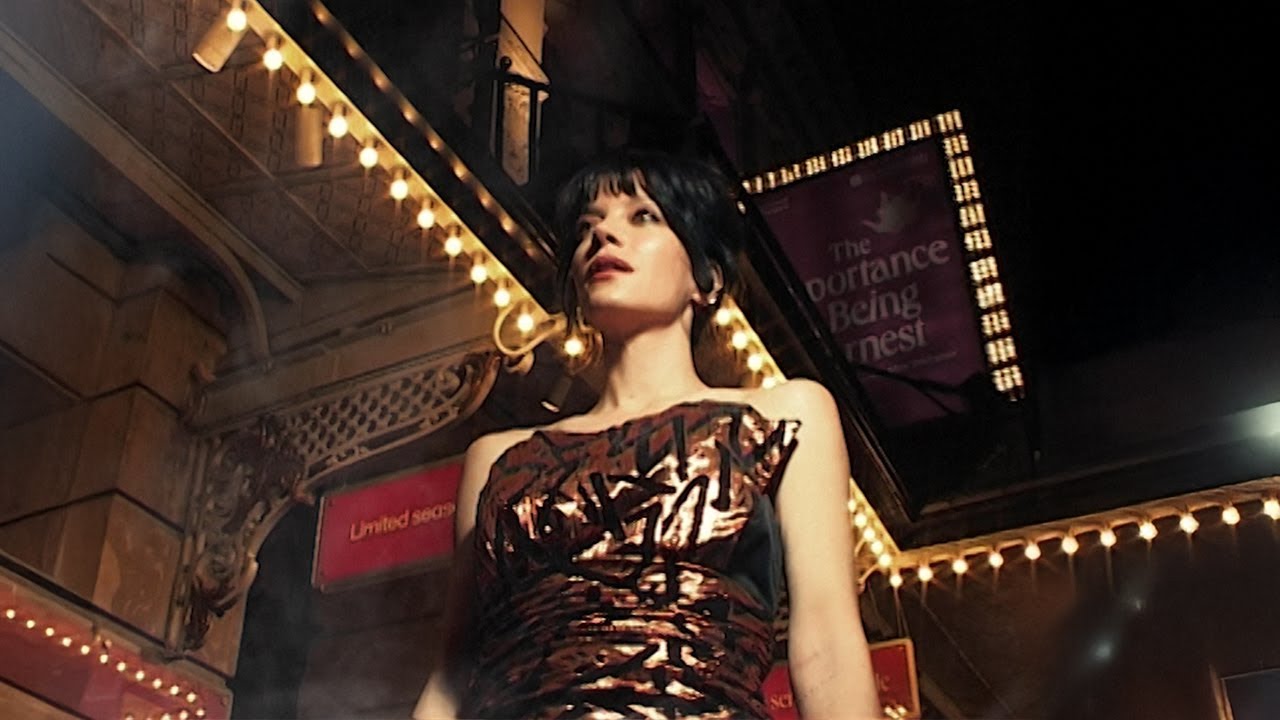
Oh, and did we mention, Lily’s lyrics are enmeshed with some of the most hook-laden and musically captivating arrangements we've heard all year.
This genre-hopping journey takes in the blurry hyper-pop of Ruminating, the irresistible, child-like melody of Tennis, the shimmering synth textures of Pussy Palace and the stately acoustic guitar and string-based classicism of Just Enough and Let You W/In.
It’s surprising to learn then, that the album (lyrics, music and arrangements) was all penned within a remarkable 16-day period, largely at the Los Angeles home of its executive producer, Blue May
With credits to his name including Kano, Sudan Archives and Joy Crookes, May originally hailed from Britain but subsequently moved to Hollywood, Los Angeles. Blue first encountered Lily when he served as the director for her 2018 No Shame tour.
We sat down with Blue to learn more about the making of West End Girl, to explore some of its key tracks in more technical detail and discover just how Allen's accelerated creative drive fuelled this astonishing turnaround.
MusicRadar: I understand that yourself and Lily first began working on a very different album a few years back which never came to fruition. How did that lead to West End Girl?
Blue May: “My relationship with Lily goes back to 2018 when I was the director for her No Shame tour. So that's where it started out. When we came through to the end of that process, we started a conversation about perhaps working together on music. What ended up being West End Girl was the result of [this] four or five year conversation between Lily and I. Not regularly but at different moments. We both wanted to do it.
“We made an initial attempt to work together in 2022 when I went to New York for about six weeks. For all sorts of different reasons, it was not a very productive process. But, you know, at the end of that when I eventually went home, I said to Lily, ‘There were all sorts of reasons why this might not have been the perfect time to do it right now. But, I’m still really keen, Whenever you feel inspired or you feel you want to try this again then I’m always all in for doing that.’
“That then resulted in summer 2024, when she came through to my house in LA and we had dinner. We were just catching up really, but by the end of that dinner she sort of expressed an interest in maybe trying again. She was feeling a bit more ready to make music.
“A month on from that, I got a text from her just saying, ‘I want to do it.’ I offered her the chance to come here to me [in Los Angeles] as opposed to going to New York, just because I thought it might be a better environment to do this.
“The other thing I [asked] at that moment, was ‘Are you ok with me getting a bunch of other people involved?’
“One of the lessons of those 2022 sessions was just that us [two] in a room could maybe feel a bit too intense. I had this sensation that working in a way I’ve never really worked before, and Lily’s never really worked before, might actually be beneficial.
“It needed a sort of expanded group of people that are throwing ideas out in order to get things started and get her feeling comfortable.”
MR: At what point did Lily share that she wanted to make a concept, or at least narrative-driven, record - particularly such a personal one?
BM: “On the first day she came to the studio. All the way through our five-year conversations leading up to it, there was never much talk of a narrative running through.
“It was really important to me that on this record we sort of stepped back to some of the DNA of her earlier work. If you look back over Lily’s work, there’s a few elements that are distinctive. She tends to operate best over major keys, and there’s, generally speaking, a kind of playful melodicism, and the music is kind of theatrical. A major point was like the fact that we wanted to make a pop record. We didn’t want to make a mid-career record, she’s a pop star.
“She’s been through such an extreme version of [pop stardom] already in her life, so mostly for me it was about saying, ‘There’s something in your early music that is so specifically you’, [so we] made an attempt to connect that sort of DNA and attempt to utilise it in a new way again.
“The counterpoint to that was that you absolutely want to hear from Lily at this point in her life. I said to her ‘I don’t expect you to be singing about the same subject matter or pretending to be funny again’ but I said ‘I think if we get this right, I think the world will be interested.’
“These were the initial conversations. The sort of concept, and the idea to even do a chronological conceptual record, was only ever presented on the first day when she in.”

MR: And what songs came first in that initial session? Was anything pre-existing?
BM: “No, everything was absolutely from scratch. There was no existing material beforehand. Lily had written 18 song titles the night before she came in, that charted the narrative.
“The first song we wrote was Just Enough, on the first day. Straight after we heard the concept we wrote the song.
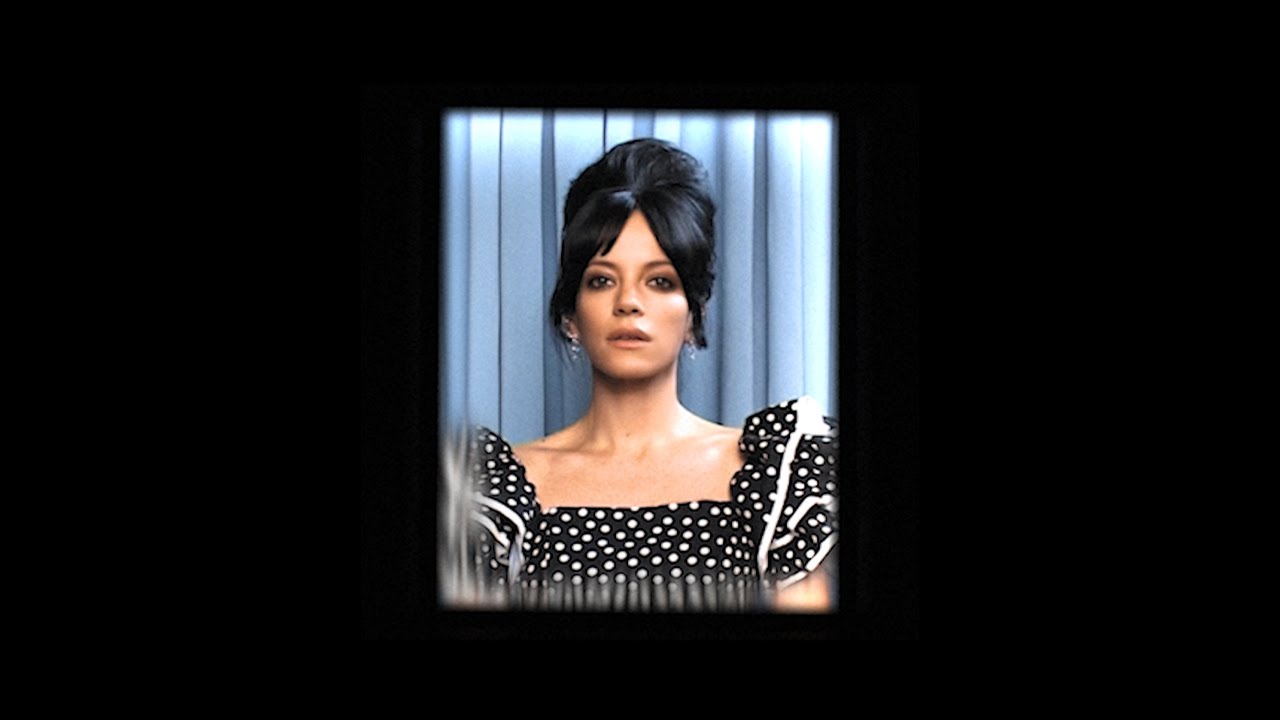
“It’s one of the most outwardly somber, and kind of ‘broken’ songs. On that first day we also wrote and produced Tennis. So by, the end of day one we had the two extremes of the record.
"We had sort of like a single-esque, kind of ubpeat and very Lily-coded track (Tennis), then we had the opposite, this sad gut-punch, on-the-edge, song (Just Enough).
“We knew where we were [song]writing for at every point, every moment, and we never changed that. But it wasn't like we were like, ‘Oh, it would be really better if this song came after this song somehow.’
"We managed to sort of write a chronological album out of order. So we didn't start writing it at track 1 and end at track 14. We wrote it completely out of order. But somehow we managed to kind of like, make a bunch of music that also flows really naturally into each other.”
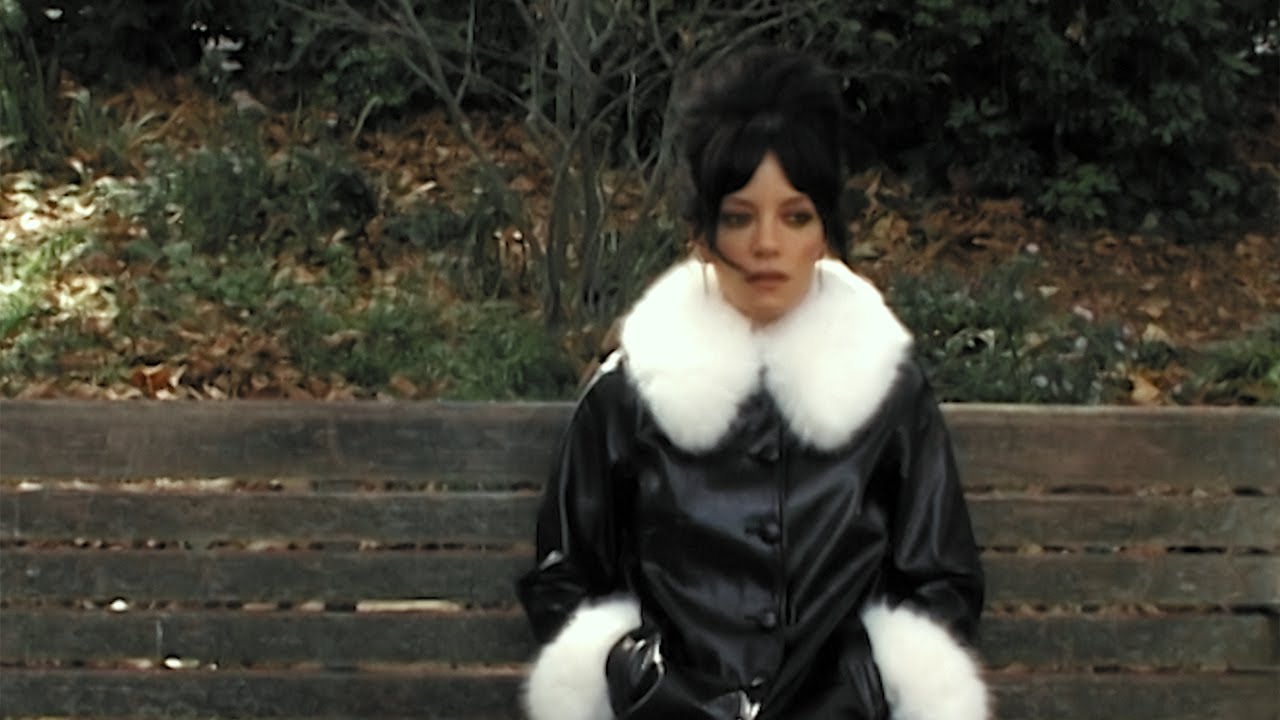
MR: With regards to the ‘Lily-coded’ reference and your earlier comments about trying to steer the record into being almost self-referential. That’s particularly noticeable on the record’s finale Fruityloop, where Lily repeats ‘It’s not me, it’s you’ in the song’s chorus (the name of her second album from back in 2009). Do you think re-connecting with her identity as a music artist was an important objective of Lily’s when writing the record?
BM: “When I think about Fruityloop as an ending, I think I can’t deny that subconsciously we were all kind of making a sort of finale - or a kind of ‘coming to terms’ with [the situation] as like a resolution.
“In terms of that specific lyric, nothing is really contrived - so it’s not that we came up with sort of ‘punch-lines’. But, that’s where Lily is brilliant and what sets her apart from your average kind of thing. She just has an instinct to do things the rest of us wouldn’t think of.
“So, when she started [singing that lyric] it took me about 20 seconds to connect the dots, that it was a self-reference. I wasn’t expecting her to, but she’s a genius.
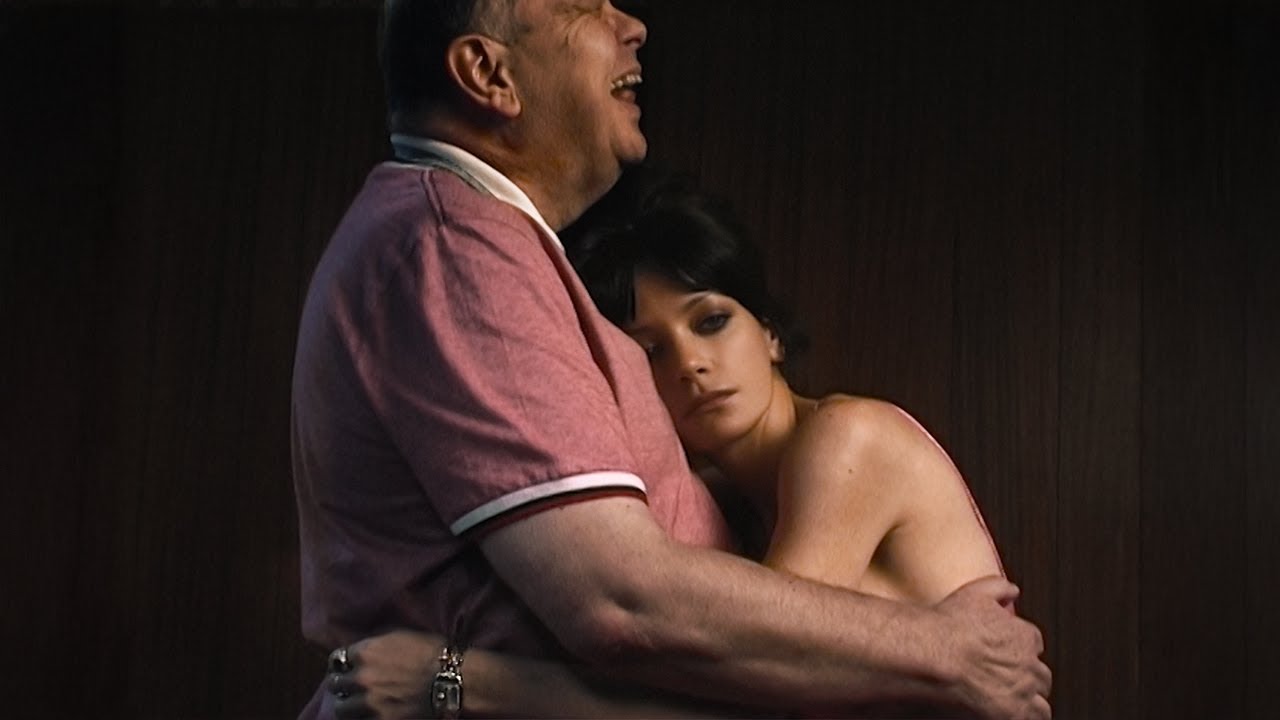
MR: In terms of the specifics of the setup at your place, as you mentioned there were quite a few other people involved, from songwriters, musicians and producers. On the songwriting front it seems like Hayley Gene Penner, Chloe Angelides and Violet Skies were pretty central figures. How did you work out who was going to work on what?
BM: “It was all separated. So those three people are all top-liners, and they never worked on a song together. Although, on one of the Hayley songs I did have Chloe come in and do some revisions with Lily. I think that decision to have Chloe come in was just [practical] - we needed to change something, and Chloe [just happened to be] with us at the time.
“Also, full credit to Kito who co-executive produced this album with me. She’s a good friend of mine.
"I’m not someone who [typically uses] writers rooms, I don’t tend to approach records that way. So, when I knew I wanted to set it up like that, the person who immediately kind of came to my mind of who would have the best ideas on who to bring in to [run] these rooms was Kito.
“She brought in Chloe, and the Chloe room is sort of what I’d call ‘Room A’. She also brought in (additional songwriters) Leroy Clampitt and Jason Evigan. I then set-up another room. These weren’t all running in parallel, we’d do one day here and one day there, or do the first half of the day in one room and the second in another. My house was kind of like the main studio, and that was mostly me, Kito and Chloe with Leroy Clampitt joining us sometimes.
“Then I set up another room at my friend Jeremy’s (aka Chrome Sparks) studio, which is not far from me. In that room the key personnel were Jeremy, Violet Skies, myself and Lily, with (multi-instrumentalist) Micah Jasper joining us sometimes as well. The only other room was me, Chloe and Kito going to Jason Evigan’s with Lily.”
“With this line-up, we wrote 14 songs in the first ten days, and we still had a few titles that we wanted to try out and work through. We came back in February of this year for two weeks. I didn’t want to be overconfident as there was no way we’d have the same momentum as we had in the first 10 days.
"But as it happened, the first two days when Lily came back we got the final two songs. So, I pulled the rest of the writing sessions and we went straight into post-production.”

MR: That’s extraordinary. Do you think that intensely rapid writing process informed the urgency of the record?
BM: “Yeah, I think it played a massive role in that record. There’s no way I can walk away from the making of this record and expect the same from the next record I work on. It would be a ridiculous thing to promise that this [kind of thing] is possible every time.
“But, there are lessons to be learned from it as well. I’ve always believed that on every project I’ve worked on, the number one creative force when making music is momentum and flow.
“I think whatever you can do environmentally-wise, or personnel or gear-wise that can speed up that creative confidence or flow is vital.
"If I was to break a record down into thirds, there’s the initial stage, there’s the middle phase and there’s the ending phase. I always try and engineer this slightly heightened finishing stage in every record I ever do. When we’re getting to the last two weeks, and doing some final edits I try to engineer this intensity, which can be presented in so many different ways.
“One of the most simple ways that I’ve tried over the last few years is to say ‘Right, we’ve all got to wear suits’ or ‘You’re not allowed in the studio unless you’re wearing Gucci Loafers!’
“With [West End Girl], it basically began with a finishing process. We didn’t intend for it to be like that, but in the first couple of days it was such a mad rush and flow. Everything we sat down to write we wrote in our first attempt.”
“After that first 10 days when we started planning the next phase in February, it was kind of like me and Lily going to each other ‘Well, fuck, I guess we’re just going to finish this, right?’ We only had a couple of songs left to do at that point. But there were loads of other bits and pieces we needed to do.
“I had to get strings on a few songs and get some additional production. I had to get my string arranger (Amy Langley) out from London to write the string arrangements, then we flew back to London and recorded the strings, then I got my friend Ben Baptie to mix, so we went straight into the mix after the string session. We planned to do the mix in just five days; that’s half the amount of time it should be.
“You don’t want to stress anyone out just for the sake of it, but it kind of goes down to all of the contributors and creators around it. It’s like, I’m looking for a sort of heightened energy from everyone. When people are in that sort of instinctual energy, that’s where you get people’s best work.
"[That being said] I never want to do that in an unreasonable way that kind of puts people under strain or stress. My job is to work out how to both stoke your fire but keep the flames from burning the house down."

MR: I was going to ask if there were any alternative arrangements of some of these songs, but it sounds like the end result was envisioned from the outset?
BM: “I think on every record there's always one or two [tracks] that are a little bit more sticky than others. For Tennis we had the essence of the production right from the start. I just kept on tinkering. I [tend to] do that when I’m not quite happy, but I don’t think I’m ever fully happy with songs.
"I think about the ones I’ve overworked a little bit, and sometimes the earlier versions are better. I listened to an early version of Tennis on my phone the other day, and wondered if it was actually better. I would never put anything on a record that I wasn't happy to let go of. But it's funny, you have these little battles.
MR: Turning to some of the tech employed during the production process, what gear was heavily in play in your studio during the West End Girl sessions?
BM: “It was very varied, depending on how I ran these sessions. We had different producers coming in, people like Leroy or Kito or Oscar Scheller. Because I was the executive producer it felt sensible to me to let those people work in their native setups.
“If I was only getting a day or two from one person, I’d rather get what they do best out of them, and then I’ve got as much time as I need to sort of do what I do.
"It also freed me in a way I’ve never been free before to just jump around and play things. Normally I’m sat behind a computer and there’s a bit more of a [barrier] before you go and reach for a piano or a guitar. So I was freer to play more instruments.
“In terms of DAWs it varied per-person, Jeremy works in Ableton Live, Leroy worked in Pro Tools and Kito works in Logic. She’s incredible with how she integrates Splice into her work, she’s a ninja with Splice [She's also worked with Splice on numerous sample collections], I’ve never seen it used like an instrument before.
"Everything would ultimately end up with me, I’d take the session or take the stems and everything past that point was just in my setup. I tend to move things into Logic because I like programming things a lot and it’s a more creative space for me. At a certain point I always move things over to Pro Tools, when it gets to doing the final pass kind of thing.

MR: What about some of the specific instruments used on the record, were there any particular guitars or synths you kept coming back to?
BM: “I’ve got an old nylon string guitar which is an old Hagström from the 1950s. It’s not particularly posh but it just has a great sound. We used that on Just Enough and Sleepwalking and a few other tracks. That was really the first instrument we picked up as a writing instrument.
"I’ve got a 1958 bass which is fucking incredible and a really beautiful old grand piano in my house that played a part in songs like Ruminating, the chords were written with that.
“I’ve got a stack of synths, just three synths that are my home from home in terms of programming. There’s the 1974 Minimoog, an Oberheim Matrix-6 and a Korg Triton.
"Other than my drum sounds which are in Logic I rarely use any software instruments. Out of my live room in my living room area I’ve got a Wurlitzer and a Yamaha YC-25D. But yeah, I’m sure I’ll buy more keyboards at some point but the way those three synths can cover everything is crazy. "
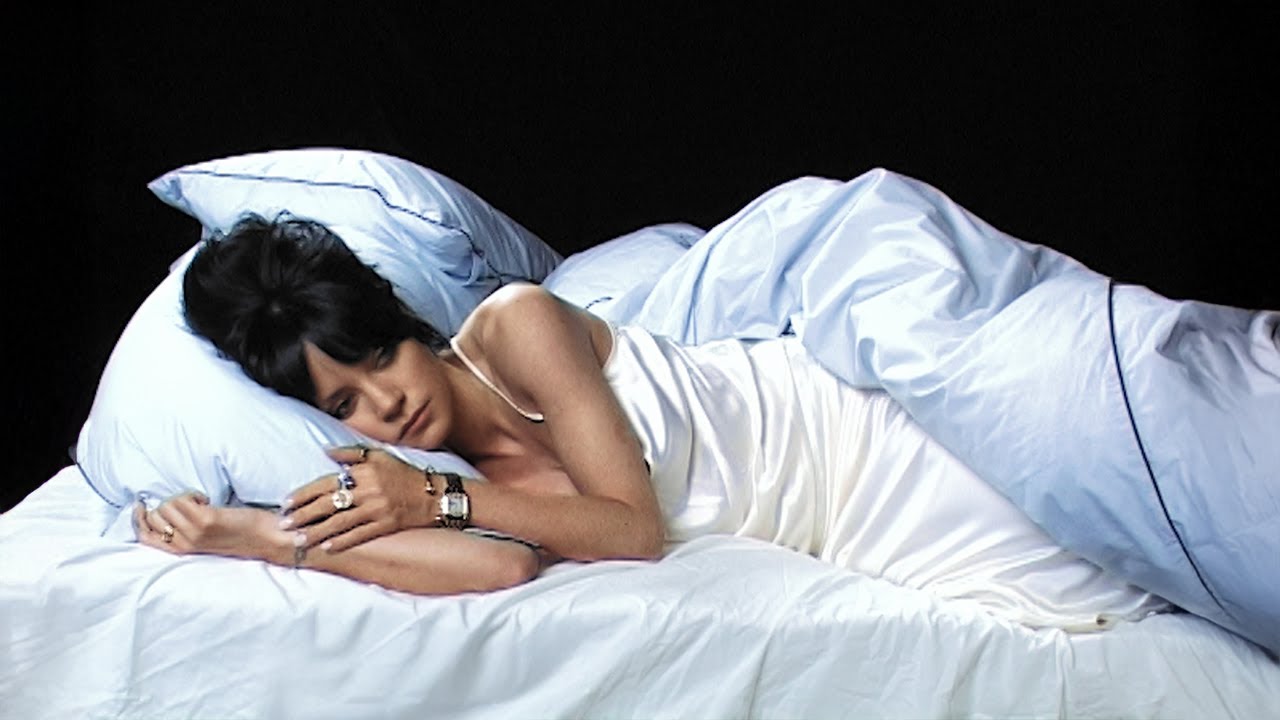
MR: Were those synths used for the dense, enveloping pad sounds on Pussy Palace?
BM: “They were integral to Pussy Palace. Lily gave us the story and inspiration behind the track and I thought of this sound that I’d been playing with previously on the Minimoog that could maybe work for it.
"You can tune all the oscillators in a saw wave to a major chord or a minor chord. In this case I tuned it to a major triad, and you can get something enormous. It was written musically in about two seconds.
“I was trying to tap into the feeling that [Lily] expressed in her lyrics, that kind of sinking feeling when you open the door and your life starts suddenly changing. I was sort of thinking, sonically, about that sort of rush of the blood leaving your body. That was it, we were away. Leroy made the drum beat in seconds, too.
“So you just tune each oscillator to 1, 3 and 5 of the chord and its instantaneous. Obviously there’s no recall on the Moog so when you tune the oscillators to a major third, you’re fixed in whether it’s a major or a minor thing.
"So that, I think, makes Pussy Palace really interesting as a song, if I was experimenting like that then normally, on the fly, I’d change the tuning of the oscillator to move to the natural minor of the major or whatever, but on Pussy Palace I’m pretty sure it’s three major chords in a row on every round of the chords. It’s kind of modulating in every round, which again you wouldn’t naturally do, so the limitations of that one keyboard does something interesting.”
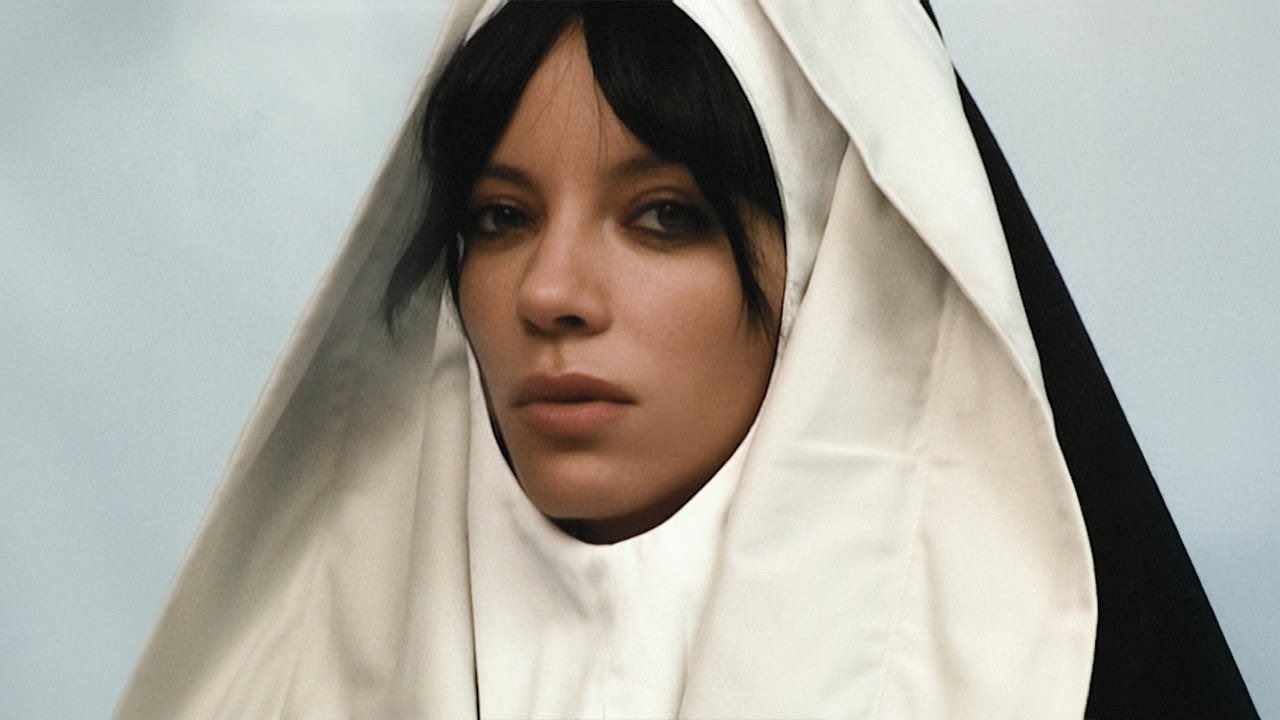
MR: During this intense creative outpouring behind the making of this album, did you kind of have a feeling that you might just be shaping something that could potentially turn into a pop cultural phenomenon?
BM: “I think there’s three ways to answer that, the first is that obviously I've been pursuing making a record with Lily for five years. My request of her was to have to have the confidence to make something sort of mainstream again.
"My opinion to her through that was to say that we could do it so well. However it would be a lie to say that I could protect her from everyone who sort of wants to detract from [that]. But, if we make something amazing I really believe that the vast majority of the response would be absolutely positive.
"I said to her, ‘I think people love you and root for you more than you know or believe, I think people see themselves in you, especially women.’ So on a manifestation level of what I believed in, I was going for something which would [cut through].
“Then there’s the fact that the quick process of making the record, the flow we were in, it was incredibly intense but also incredibly beautiful and fun. Despite the heaviness of the story and the subject matter we were interpreting, there was a lot of excitement.
"Whole songs were getting written and recorded in as short as 45 minutes. Pussy Palace took about 45 minutes to write and produce. At the very longest we’d take about six hours to write and produce a song.
“You get to the end of [one of those] processes and we’re just thinking ‘can we do it again tomorrow?’ y’know, and we were thinking ‘surely we’re going to have a bad day soon’.
“When we finished the album properly in like April time, I listened to it and I thought, ‘I think this is a really good record, and I enjoy it’. Everyone I played it to who wasn’t in music, I noticed they responded well to it. I wasn't sure how much of that was attributed to the fact that it’s Lily Allen and that people are interested.
“There’s also a weird thing that between making a record and it coming out you kind of forget about it. We knew it was coming, but the more time passes the more you start to second guess yourself. There wasn’t one moment where I thought ‘Oh God, it’s not good’. I’m sure Lily was worried about it and/or excited about it or whatever. But I wasn’t thinking about it much.
“The third part in response to that question would be to say you can’t ever fucking prepare yourself for a response like West End Girl has got. Not in my wildest dreams.
"I had a really high hope it’d do well and I thought people would be interested in it. But I think, especially in this era of entertainment, and consumption of art and culture, that we’re all kind of expecting something we’ve slaved over for a long time to basically be here today, gone tomorrow. But, with [the response to this] record it was like quite intense [on the first day], then day 2 it was even more intense. I think we’ve reached a point now where it’s calmed a little bit, but for the first two weeks, every day just got more intense. It was incredible.

MR: It’s fantastic that an album that’s so human and honest has done so incredibly well, it’s a testament to Lily as an artist and to the creative team involved. Also it sort of serves as a massive riposte to those in some quarters (particularily those advocating for AI) saying that people aren’t really that interested in the human artists behind the music they’re listening to
BM: “Yeah totally. One part of the album-making process I can absolutely say is that at not one point did me or Lily or anyone else involved in that record have it in our sights to do something that would have people telling us that we’ve ‘changed the game’, or that record companies are thinking about things differently. Ultimately I take all that with a pinch of salt. But we never said ‘We’re going to revolutionise the music industry.’
