
There are perfectionists, and then there is Tom Scholz – leader of rock band Boston and mastermind of the biggest selling debut album of the 1970s.
A graduate of the Massachusetts Institute of Technology, with a degree in Mechanical Engineering and a creative vision born of manic obsession, Scholz has been portrayed as a kind of mad professor of rock. And in 1976, on Boston’s self-titled first album, it was his appliance of science that elevated arena rock to an art form.
The Boston album became the biggest selling debut of that decade – bigger, even, than Meat Loaf’s Bat Out Of Hell. And it kick-started one of the most bizarre careers in music.
“I’m very demanding,” Scholz once confessed. “And I’m so often let down by what people are willing to accept of themselves.”
He wasn’t joking. In the 50 years since that first Boston album, Scholz would make just five more.

At 6’10”, Tom Scholz always stood out from the crowd. Given his height, it was only natural that he was a star player on his university basketball team. But it was his idiosyncratic approach to making music that really set him apart.
Post-graduation, he took a job in the research wing at Polaroid’s head office in Waltham, Mass. By night, he played guitar in various bar bands, but this was simply to hone his chops. In secrecy, Scholz was forming a master plan.
While other guys in their early 20s chased the rock ‘n’ roll dream by hopping from one local band to another in the hope that one day they’d sign a record deal and make it big, Scholz used his spare time to construct his own 12-track home studio.
Here, for years on end, this accomplished multi-instrumentalist worked meticulously to craft songs in complete isolation save for one important collaborator – vocalist Brad Delp.
“I had tons of material,” Scholz said, “but most of it was terrible, so I threw it away.”
He eventually presented a four-song demo tape to major labels, and a frenzied bidding war ended with Scholz signing to Epic Records in 1975.
The recording of the Boston album was completed in his basement during the winter of 1975, and finished the following Spring in LA at Capitol Studios and The Record Plant.
Scholz then set about finding the right musicians to fill out his band. Various connections led him to bassist Fran Sheehan, guitarist Barry Goudreau and drummer Sib Hashian.
As Brad Delp recalled: “Fran knew Barry, and I knew Fran, and Fran had played with Sib, and Sib had played with Tom, and Barry knew Tom, and Tom knew me, but Fran didn’t know that I knew that he knew Barry too.” Confused? Scholz wasn’t. He knew precisely what he was doing, and by the end of 1976 he had the sales figures to prove it.
At Christmas, the Boston album was at No 3 on the Billboard chart, and the first single, More Than A Feeling, was in the top five.
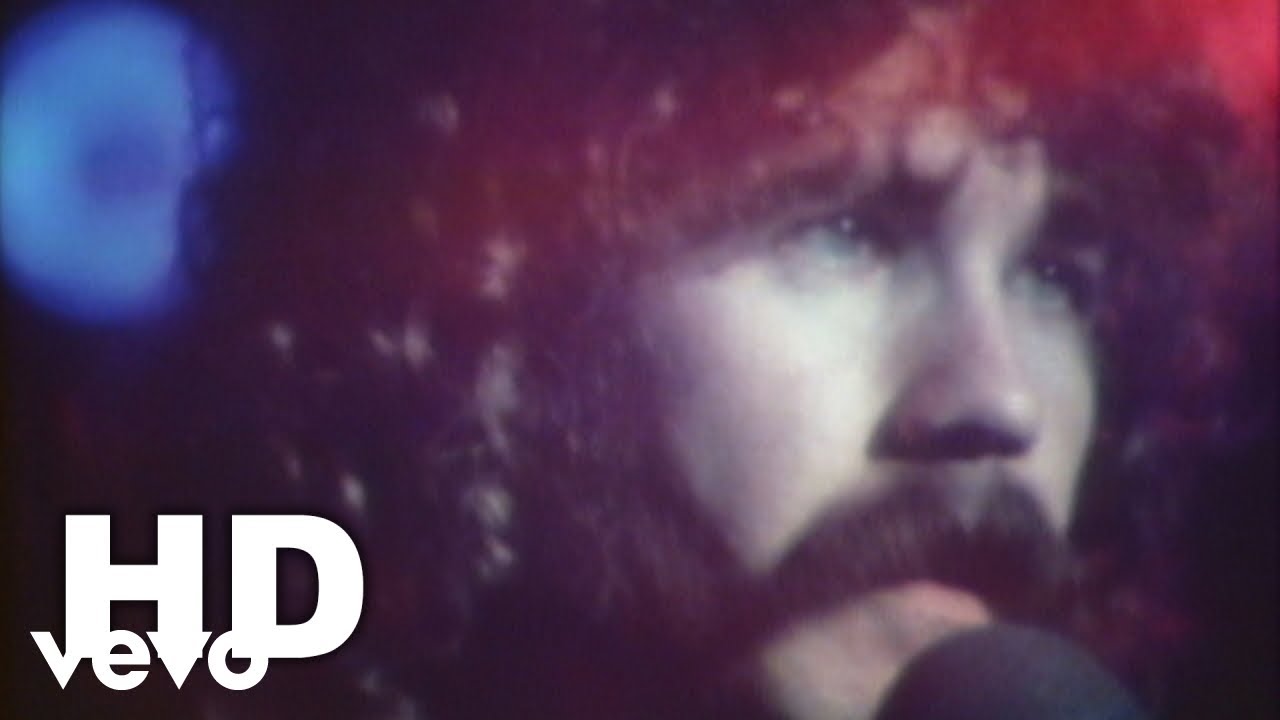
“I hoped something would happen, but why would it?” Scholz mused. “When it did, I was shocked.
“Polaroid were putting pressure on me to resign, so they wouldn’t have to pay me severance. I was still there when More Than A Feeling went top ten. I left when the album sold a million.”
The album’s success was a complete validation of Scholz’s instincts. This was at heart a feel-good rock record, but its creator’s obsessive ear for detail gave it a uniquely sophisticated sound – one that eight million Americans fell for.
More Than A Feeling was the album’s masterpiece, a glorious, sonically perfect hard rock anthem built on a revving, turbo-powered riff, with multiple layers of harmonic guitars and a stratospheric vocal from Delp that has never been bettered.
15 years later, echoes of this classic rock staple would be found in the circular riff of Nirvana’s Smells Like Teen Spirit.
More Than A Feeling cast a long shadow, but there were other great songs on the album: the freewheeling Peace Of Mind, the prog-rock epic Foreplay/Long Time and the high-octane boogie of Smokin’, one of ’70s rock’s best party tunes.
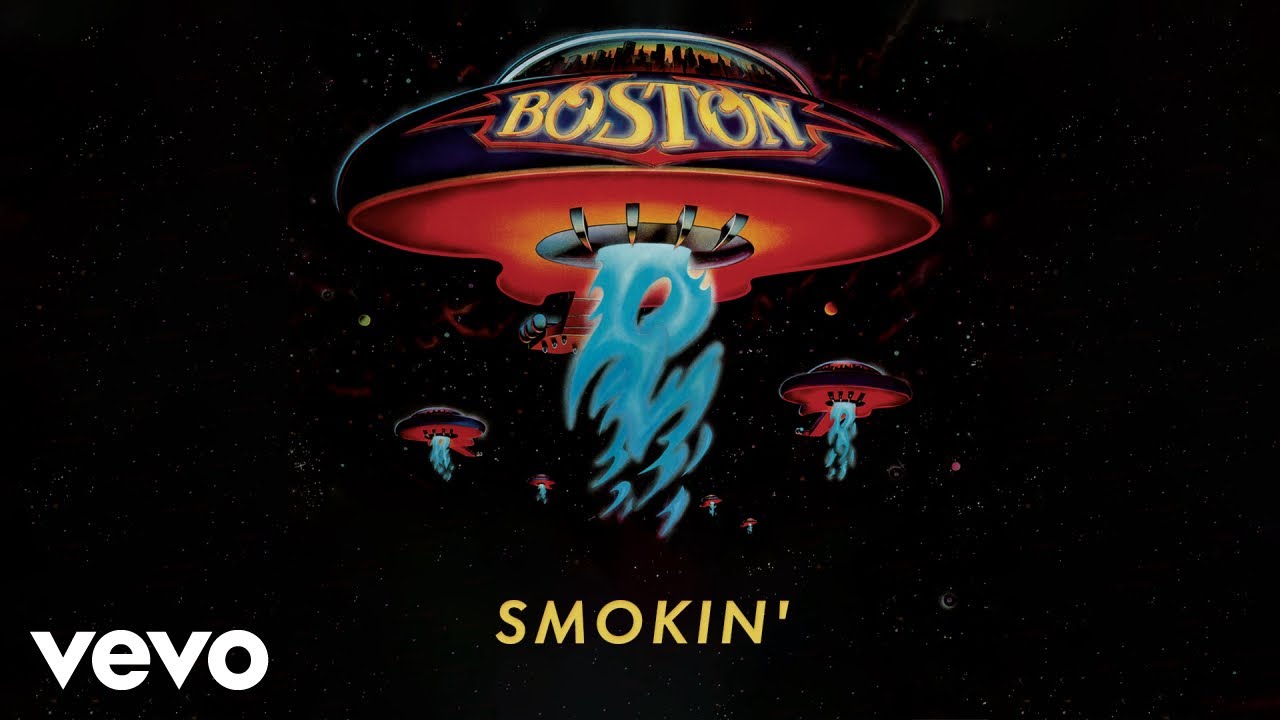
Scholz’s methodology may have been clinical in the extreme – “Good enough is my least favourite phrase,” he explained – but at the root of it all was his search for a powerful emotive quality. He got it time and again on the Boston album, and the public responded.
However, this was both a blessing and a curse. After long years working in isolation, there was instant gratification, then, just as suddenly, a heavy weight of expectation.
Thrilled by the group’s success, Epic demanded a second Boston album, and quick. Scholz was alarmed. In an era when even the biggest acts, such as Led Zeppelin, released an album every year, Scholz was under huge pressure to sacrifice his perfectionism and deliver a follow-up in time to capitalise on Boston’s high profile.
It was perhaps inevitable that Scholz would end up butting heads with Walter Yetnikoff, the bullish boss of Epic’s parent company CBS.
Yetnikoff said of Scholz: “He told me from time to time that I could go fuck myself. He’d complain about the colour of the sky, all sorts of things.”
Eventually, Scholz completed the second Boston album, Don’t Look Back, in 1978. It sold four million copies – a huge success by most standards, but not Boston’s. The debut had sold twice as much, and Scholz was fuming.
“I never considered the second album finished,” he said. “That was the last time I allowed anything to happen with Boston that wasn’t exactly the way I wanted it.”
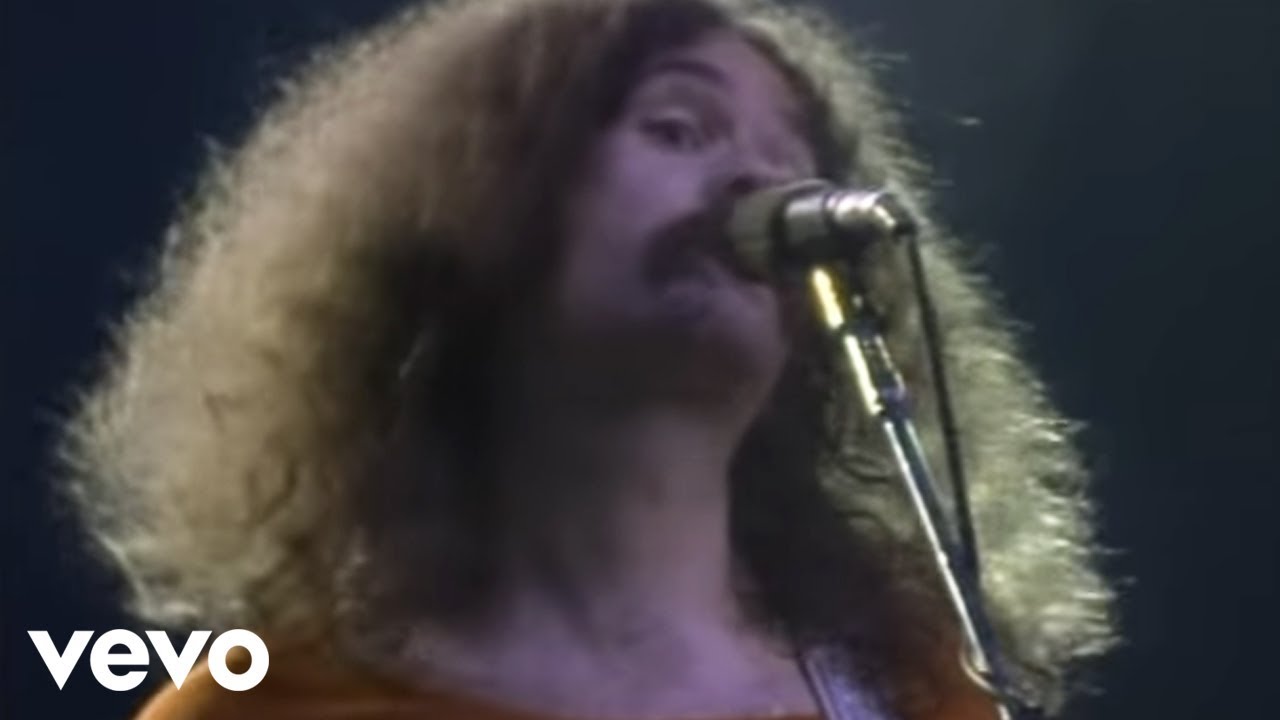
In 1982, the feud turned ugly when CBS suspended Boston’s royalty payments in an effort to hasten Scholz into finishing the third Boston album. The tactic failed.
In October 1983 the album was still unfinished when Scholz fired off a letter to Yetnikoff in which he vowed: “I will never foist a second-rate record on the public to fill CBS’s pockets or my own.”
Yetnikoff was livid. CBS sued Scholz for breach of contract, but with the profits earned from his inventions – notably two guitar effects units, the Power Soak and the Rockman – Scholz was able to hire top industry lawyer Don Engel to contest the lawsuit and extricate Boston from their CBS contract.
The next Boston album, Third Stage, was released in 1986 on MCA, and sold four million copies.
It was yet another victory for the high-minded mad scientist of rock. But Boston’s debut was, and always will be, his crowning glory.
