
Rock history is riddled with examples of male siblings whose relationships are as combustible as they are creative. Don and Phil Everly of the Everly Brothers spring to mind – as do Ray and Dave Davies of The Kinks, Chris and Rich Robinson of The Black Crowes and, of course, Liam and Noel Gallagher of Oasis.
Then there are John and Tom Fogerty of Creedence Clearwater Revival (CCR).
From 1969 to 1971 this Californian band racked up nine top ten US singles and in 1969 they reportedly sold more records than The Beatles.
But in early 1971, after recording their sixth studio album Pendulum, older brother and rhythm guitarist Tom departed CCR due to longstanding personal tensions and resentment over his limited creative role in the band.
Younger brother John – the band’s lead vocalist, primary songwriter, lead guitarist and sonic architect – was stunned by his brother’s departure and the potential implosion of his band. CCR were at the peak of their powers and John Fogerty felt the whole idea of splitting up was senseless.
John poured his feelings about the band’s internal fractures into Have You Ever Seen The Rain, a mid-tempo country-rock classic that was both melancholic and uplifting.
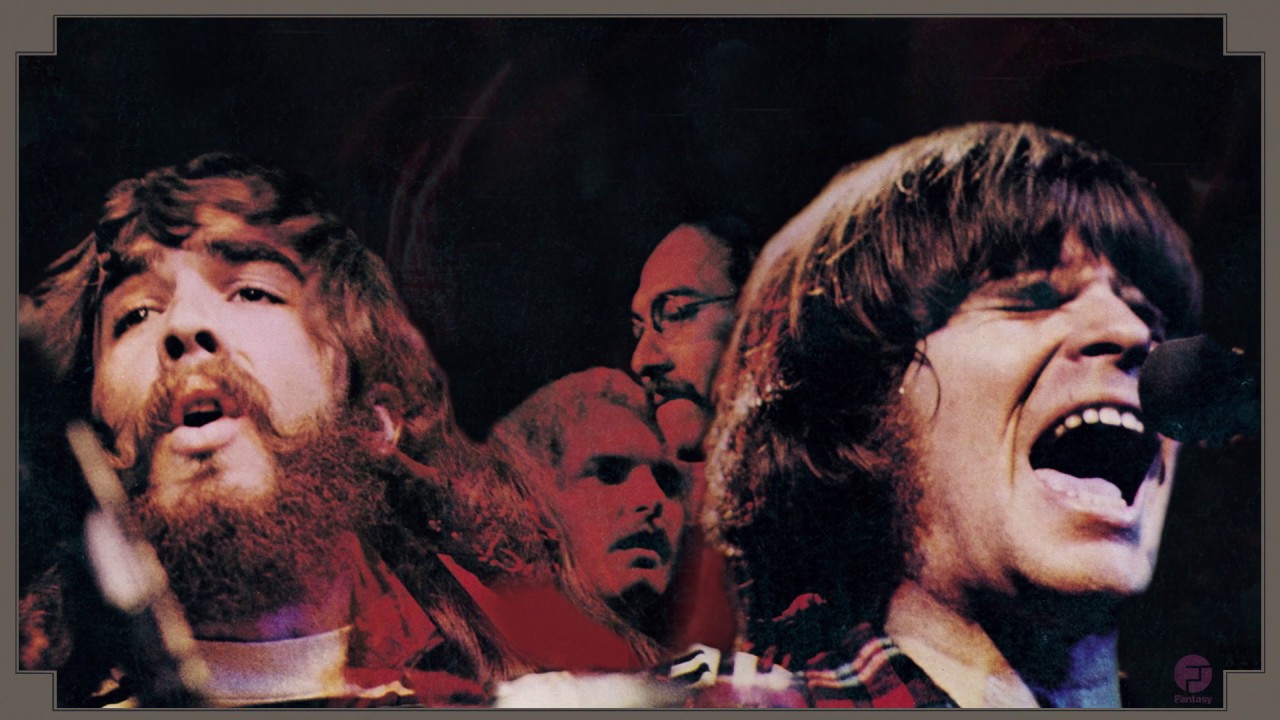
In the years that followed the song would be covered by artists such as Willie Nelson, Johnny Cash, Rod Stewart, the Ramones, Bonnie Tyler, Alison Moorer and Boney M. It became Creedence Clearwater Revival’s biggest hit and remains one of their greatest and most enduring songs.
In the context of late 1960s America, Creedence Clearwater Revival were unlike any band around, and much of their uniqueness can be traced back to their staunchly blue collar roots.
They grew up in El Cerrito, a suburban city in the San Francisco Bay Area, but they had little time for the hippy counterculture and they eschewed drugs. CCR also rejected the whole concept of extended jamming, opting instead for short, punchy radio-friendly rock ’n’ roll.
The nucleus of the band that became CCR formed in 1959, when John Fogerty, Doug Clifford (drums) and Stu Cook (bass) met at junior high school and formed an instrumental trio called The Blue Velvets. They backed John’s older brother Tom and became Tom Fogerty & the Blue Velvets.
In 1964, they signed to San Francisco label Fantasy Records under a different band name.
John soon became the lead vocalist and principal songwriter. “I could sing,” Tom reportedly said, “but John had a sound.”
In January 1968, the band changed their name to Creedence Clearwater Revival, inspired by Tom Fogerty's friend Credence Newball, a TV ad that used the phrase ‘clear water’, and the word ‘revival’ from the four members’ renewed commitment to their band.
John Fogerty’s songwriting took inspiration from the American South, despite the fact he had never actually been there at the time he wrote the songs. From early 1969, the band released a string of hit singles that continued uninterrupted for the next two years, ‘swamp rock’ staples such as Proud Mary, Bad Moon Rising and Fortunate Son, while albums such as Green River (1969) and Cosmo’s Factory (1970) topped the Billboard 200 charts.
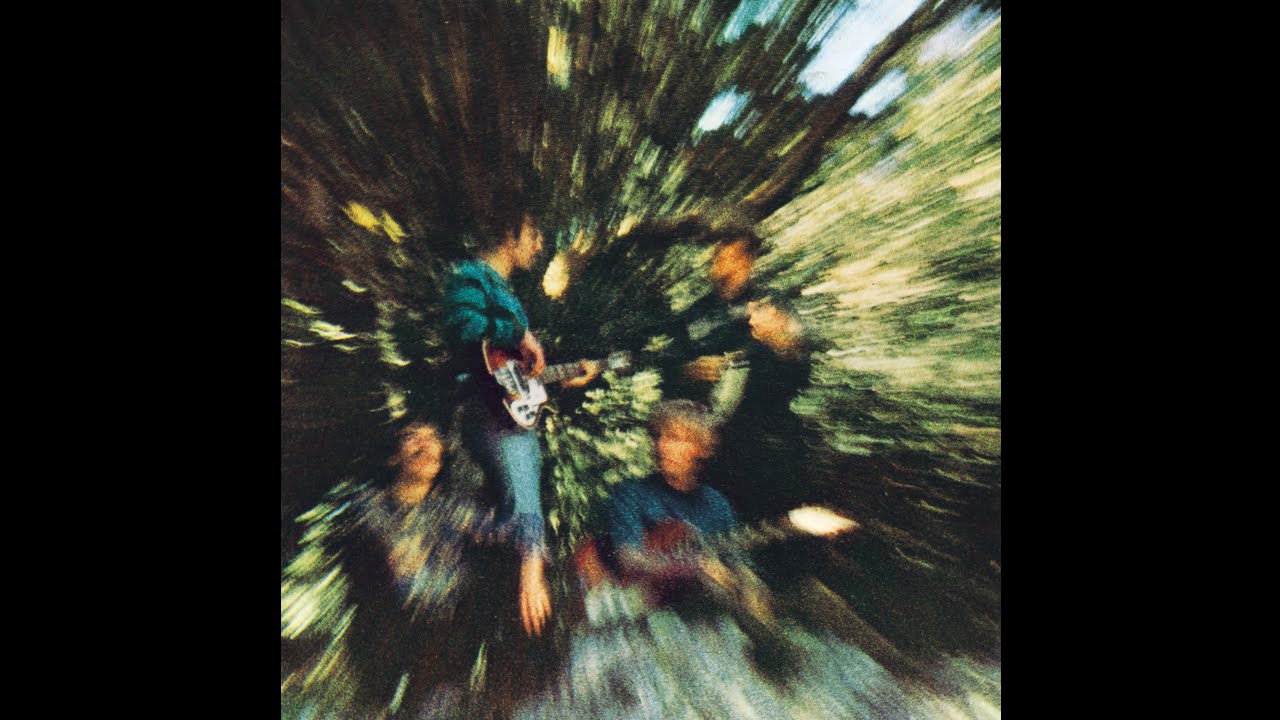
Creedence Clearwater Revival were a thrilling live act and in John Fogerty, they had a magnetic frontman, with raw, powerful and gravelly vocals.
His hit-filled catalogue of songs blended rock, country and blues with timeless songwriting. This was ‘roots-rock’ before the phrase had been invented.
By 1970, the band were at the peak of their powers, but there was intense friction within the ranks. Clifford, Cook and Tom Fogerty wanted a greater role in the artistic and business decisions within the band.
It’s easy to see how Tom Fogerty in particular might have felt sidelined. He was three-and-a-half years older than his brother John and had started out as the band’s lead vocalist and a co-writer. By the end of 1970 his sole role was the band’s rhythm guitarist and he was allegedly frustrated by the lack of opportunities to sing lead vocals or to write.
But for John, such disharmony when the band were at their absolute zenith was bewildering. Have You Ever Seen The Rain was directly inspired by these thoughts.
In a 2025 interview with Rick Beato, Fogerty said Have You Ever Seen The Rain is “literally about Creedence breaking up”.
“The setting for that was, there could be a blue sky, but way over there, out of your vision, is a storm or rain clouds. Something in the upper atmosphere is pushing the rain over and it falls on you, but you look up, and it's a clear sky.
“And to me, here is our band going up in the bluest sky you ever saw, and yet everybody’s grumbling and unhappy and miserable. And I couldn’t understand that. That was what caused me to write this song.”
In November 1970, as the band prepared to record their sixth studio album Pendulum at Wally Heider Studios in San Francisco, the band demanded a meeting.
“I got sort of surprised – kind of shanghaied – into this,” said Fogerty in the interview with Beato. “And everybody was demanding, ‘We want to all write songs, and we want to make up our own parts on the records.’ That sort of thing. And it was basically an ultimatum.”
Fogerty had reportedly resisted such demands in the past, on the grounds that he was the one with the skills to ensure the band’s chart success.
“I don’t think we would’ve found any success some other way had I not written any songs or had someone else been the lead singer,” he told Guitar Player in 2024. “Me and the fellas would’ve been playing down at a local club somewhere until the moment the wives all started saying, ‘Well, you better get a real job now.’”
He agreed to the band’s reported demands. “It was clear at this meeting that the band was going to be no more if I didn’t acquiesce,” he told Beato.
But when they began the sessions for the Pendulum album, Fogerty told Beato, no-one else had brought any songs. “So I start filling in the gap,” he said.
Have You Ever Seen The Rain was one of the songs he brought to fill that gap.
The sound of the song was reportedly inspired by the group Booker T. & The M.G.’s, who had opened for Creedence Clearwater Revival at some recent live shows.
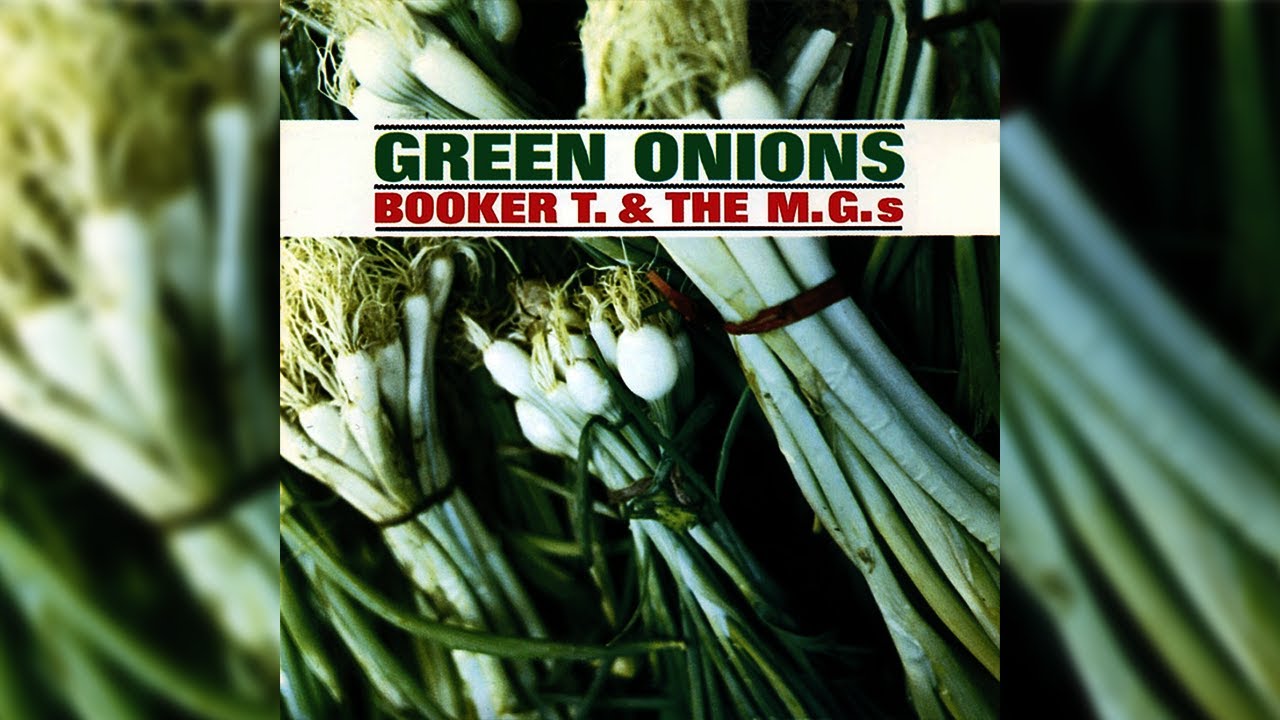
According to the Songfacts website, John Fogerty loved the sound of Booker T. Jones’s Hammond organ, so he used it on some tracks for the album, including Have You Ever Seen The Rain. Rehearsals even featured input from Booker T. and his guitarist Steve Cropper as John Fogerty set out to emulate his heroes at Stax Records.
Fogerty did most of the overdubs on the track although Stu Cook allegedly played some piano on the song.
Cook reportedly said that this song and another track on the album, Pagan Baby, were written and rehearsed from scratch in one recording session.
Clocking in at a lean 2:46 running time, Have You Ever Seen The Rain is a soft, warm mid-tempo rock ballad that is both melancholic and comforting. Piano features prominently in the mix, and there are some nifty melodic bass runs from Stu Cook. The Hammond B3 organ enters at the second verse, fading in at 1:15 and adding a poignant edge to the core sentiment of the song.
The chords are blissfully simple – C-C-G-C in the verse and F-G-C-C/B-Am-Am7/G in the chorus.
But the one element that really elevates this song is John Fogerty’s voice, with its bluesy, soulful, gravelly tones adding real emotional resonance and edge to the lyrics. “Someone told me long ago/There’s a calm before the storm, I know/It’s been coming for some time.”
Essentially this feels like a song spoken directly to his brother Tom and there’s an imploring, heartfelt feel to John Fogerty’s delivery throughout.
Have You Ever Seen The Rain was released as a single in January 1971 and peaked at No.8 in the US Billboard Hot 100, a rather disappointing result considering the numerous Top Five CCR singles that preceded it.
But in the decades that have followed the song has gone on to become the biggest Creedence Clearwater Revival song of all time. In the digital age, Have You Ever Seen The Rain is CCR’s most popular track with more than two billion streams on Spotify alone, compared to 1.7 billion streams for Fortunate Son.

Tom Fogerty left Creedence Clearwater Revival in early 1971. John Fogerty, Doug Clifford and Stu Cook continued as a trio, with John agreeing to a far more democratic songwriting agreement with Clifford and Cook.
Fogerty contributed three tracks and reportedly agreed to contribute only guitar on Clifford and Cook’s compositions. The result was the band’s seventh and final album, Mardi Gras. Released in April 1971, it was critically panned.
In his review for Rolling Stone, critic Jon Landau wrote: “In the future Mardi Gras may be known as Fogerty’s Revenge.” He added that it was “the worst album I have ever heard from a major rock band.”
Six months later, on 16 October 1972, CCR and their label Fantasy Records issued a statement announcing the official disbanding of the group.
After leaving CCR, Tom Fogerty went on to achieve modest solo success before sadly dying from tuberculosis in 1990.
John Fogerty never worked with Doug Clifford and Stu Cook again, but they did briefly share a podium on 12 January, 1993 at the Century Plaza Hotel in Los Angeles, when Bruce Springsteen inducted Creedence Clearwater Revival into the Rock & Roll Hall of Fame.
“Creedence Clearwater Revival,” said Springsteen, “were progressive and anachronistic at the same time. An unapologetic throwback to the golden era of rock ‘n’ roll, they broke ranks with their peers on the progressive, psychedelic San Francisco scene.
“Their approach was basic and uncompromising, holding true to the band members’ working-class origins… I stand here tonight still envious of that music’s power and its simplicity.”
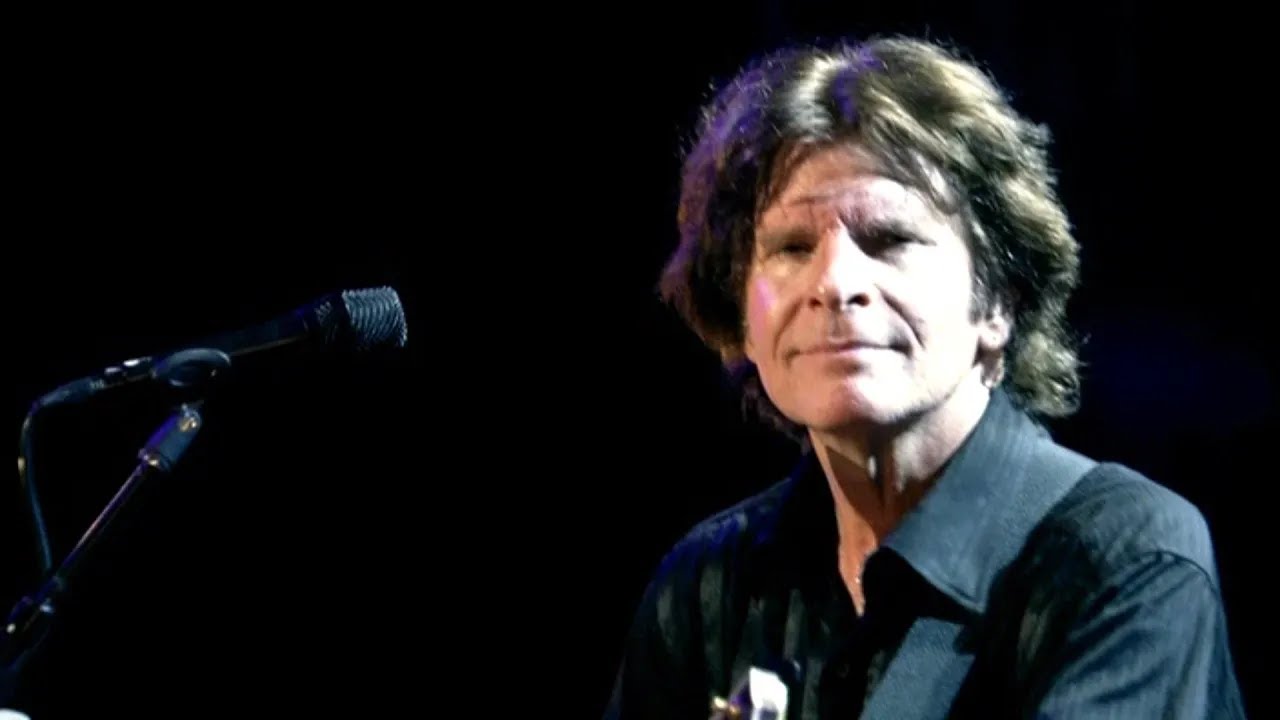
For John Fogerty, the meaning behind Have You Ever Seen The Rain shifted in a far more positive and life-affirming direction.
Over the ensuing years, when he performs the song, his thoughts have turned instead to his youngest daughter, as he explained when he introduced Have You Ever Seen The Rain onstage at a 2012 show in Arizona.
“This song was originally written about a very sad thing that was going on in my life,” he said. “But I refuse to be sad now. Because now this song reminds me of my little girl, Kelsy, and every time I sing it, I think about Kelsy and rainbows.”
