


“If a tree falls in a forest and no one is around to hear it, does it make a sound?” is a famous paradox that has left many of us scratching our heads over the years. A similarly sticky question could be for music industry marketeers to ponder; if an artist writes a song and no one discovers it, how valuable can it be?
This is the rub of where business and art collide. Viewed via this lens, music marketing - the process of promoting and ultimately selling a song or composition to an audience - is an essential imperative for the industry.
Ever since the supposed commodification of music and its growth into a global business, the sales cycle is a vital cog which, in theory at least, keep creatives in credit.
But some, such as music journalist John Tanners, have a cynical take on the tensions between music and money. As he writes, “[Record labels] are marketing-driven sales businesses whose product happens to be music”.
While there’s always been a kind of vague awareness that music marketeers have engaged in slightly underhanded methods of getting music on their roster heard, the recent debate surrounding the viral rise of New York indie success story Geese and their 2025 record Getting Killed has left some feeling incensed at feeling, for want of a better word, duped.
The controversy, highlighted by a widely-shared story by Wired, has focused on a paid marketing campaign by the Chaotic Good agency which involved utilising its network of linked social media accounts to generate an online buzz for the band.
In an investigative Substack piece by Eliza McLamb (the angle of which was later picked up by Wired for their eventual feature), the dynamic was summed up neatly; “If 100 people think your song sucks, Chaotic Good will create 200 people who think your song is awesome.”
Cue frenzied debate across the music world, all grappling with the question of just where the ethical boundaries lay when it comes to promoting music.
Is it ever fair to cultivate audiences via deceptive means?
One thing’s for sure, this certainly isn’t the first time controversy has arisen when revelations around ‘dodgy’ music marketing have come to the fore.
Defenders claim that, without a marketing strategy in place, some of the world’s best music may go unheard. In this context, Geese are working with experts who have an intimate knowledge of how they can cut through the noise of an oversaturated digital world.
When removed from the discourse, a simple question remains; is their music great? Yes, many love it. Critics have hailed them as ‘the new saviours of rock 'n' roll’ and their songwriting and musical talents are unquestionable.
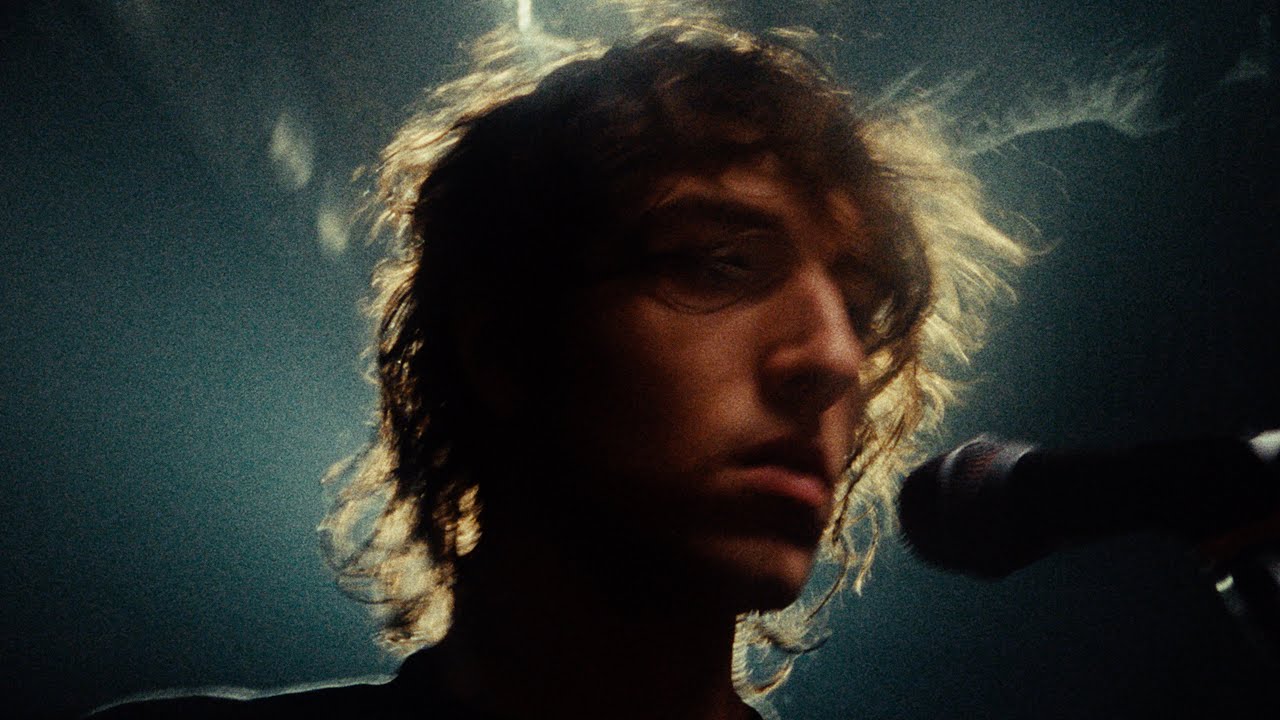
However, naysayers would argue that the tactics of Chaotic Good and their ilk are underhanded. And, well, it's just not a good look for a supposed authentic indie rock band, like Geese.
But, in 2026 the walls between pop and rock, mainstream and underground, feel more flattened than ever. The very notion of ‘selling out’ is now seen as a somewhat antiquated idea.
And, as the defenders will repeatedly stress, these different kinds of marketing practices - some nefarious, others ingenious - have surrounded the music we love for years. Decades in fact. But does that make it alright?
In light of these recent discussions then, we thought we’d look back and highlight some similarly sketchy tactics, where they’ve been deployed throughout music history, and the resulting outrage when they’ve been found out…
1. Alan Freed and the payola scandal

In all kinds of sectors, financial bribes have always fuelled malpractice. The early days of the music business were no different to other industries.
It was back in the 1930s when Variety magazine invented the term, ‘payola’, to describe the concept of record companies offering gifts, favours and cash to orchestra leaders and DJs to give airtime to their releases.
Many of the early rock and roll acts were caught up in this, most infamously through was the extremely popular DJ Alan Freed in the 1950s.
Some say that it was Freed himself who was the first to use the term ‘rock and roll’, thusly, he was one of the most well-known figures to be caught up in the first U.S. Congressional Payola Investigations in 1959.
Chuck Berry’s track Maybellene was frequently championed by Freed during his broadcasts on WINS in New York. Championed for a price, that is, as Freed was gifted a lucrative songwriting credit on the release by way of saying thanks… much to Berry’s surprise.
It transpired this was a pattern that Freed had engaged in with other artists, too.
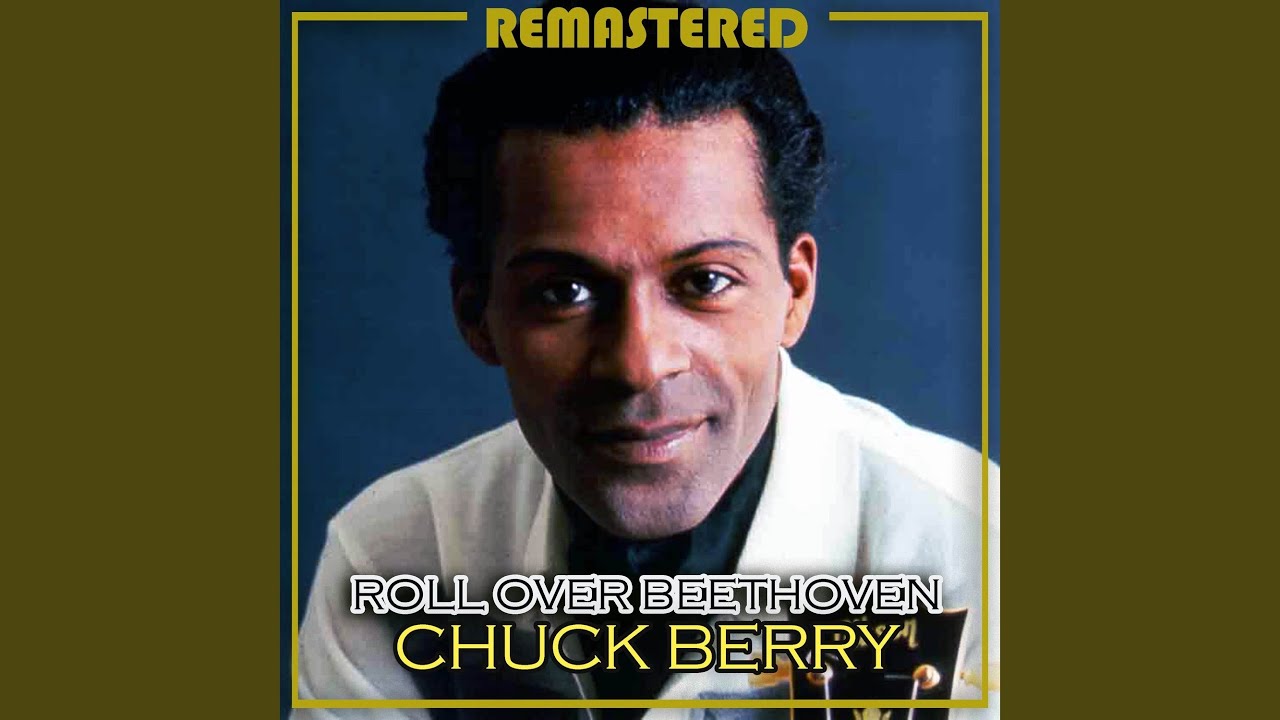
The DJ was caught out, ultimately blacklisted by broadcasters WABC and WNEW and famously quoted by Billboard magazine on his downfall as saying, “My career has gone down the drain.”
Sadly, that career never recovered. Indicted for tax evasion for unreported earnings which were speculated to be from his payola earnings, Freed became unemployable and ultimately resorted to alcohol. He passed away in 1965 from liver disease at the age of 43.
In the US, government legislation came into force in the form of the 1960 Amendments to the Communication Act which would make engaging in payola-type financial relationships illegal.
More than 20 years after his death, Alan Freed was better remembered for his role in shaping music history, when was acknowledged as he became one of the original inductees to the Rock and Roll Hall of Fame in his hometown of Cleveland.
2. Are they even a real band?

Prepare to be shocked, but many bands have been put together by shadowy Svengali figures, targeted at specific audiences…
And, well yes, there’s nothing at all controversial about that really is there?
The entire premise of shows like The X-Factor and American Idol based their often unkind structure on the brutal model of the industry.
Today, we also have the illusion of knowing our favourite artists better than ever via their personal social media channels, cultivating a facade of realism for even the most pre-packaged stars.
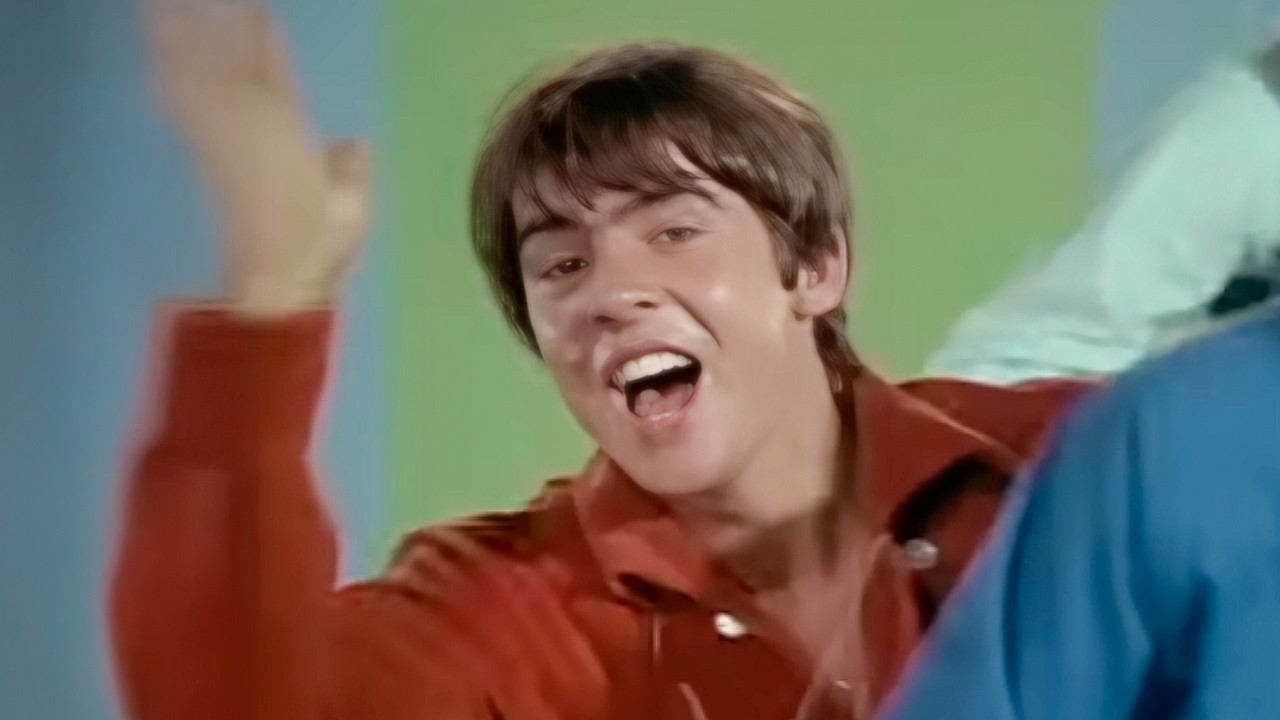
But in the past, the mechanics of manufacturing were often more shady and covert. The core of sixties pop band, The Monkees, and their associated controversy stems from their fabricated origins.
Put together as an American response to the rise of British export The Beatles, the four men - Micky Dolenz, Davy Jones, Michael Nesmith, and Peter Tork - were initially cast in an NBC sitcom, primarily for their looks and personalities rather than musicianship or songwriting skills.
Their first two albums, 1966’s self-titled debut and the following year’s More of the Monkees, were recorded by a group of legendary session musicians known as The Wrecking Crew.
When the latter was released, Nesmith spoke out, describing it as “probably the worst album in the history of the world”.
He was also quoted as telling a journalist: “I don’t care if we never sell another record … tell the world we don’t record our own music.”
Later of course, The Monkeys DID become a genuinely creative band who would compose their own music, beginning with 1967's Headquarters.
But, it would be a long time before they escaped the widespread perception that they were nothing more than a naff, manufactured conceit.
One of the most notorious examples of artificial pop going big is Milli Vanilli, a project which foregrounded vocalists Fab Morvan and Rob Pilatus.
The duo launched their career with All or Nothing in 1988. The record was acquired by Arista in the US, retitled Girl You Know It’s True which was so good, it propelled them to global super-stardom.
After bagging a Grammy for Best New Artist in February 1990, the two men were outed as merely a front for German producer and songwriter, Frank Farian later that year.
He was the creator of disco-pop group Boney M and had discovered Morvan and Pilatus in a Munich club.
According to Los Angeles Times reporter Chuck Phillips, they didn’t even sing a single note on their debut album. They were credited with ‘visual performance’ however, with the real vocals being supplied by professional vocalists.

Once the word got out, they fell from fame, and sadly Pilatus tragically died from an alcohol and drug-related overdose in the nineties.
As Morvan later told Rolling Stone: “It’s like when you watch those mob movies, and the Feds have a chart on the wall with the faces. They go down from the top: ‘You got this dude, he’s the boss, then this guy’s a capo, that guy’s a worker.’ But the journalists never saw that - they just said, ‘Rob and Fab, you’re responsible.’ Nobody wanted to touch the powers that be.”
3. Manipulating the charts

Chart manipulation, also known as ‘chart buying’, has long been a challenge for the music industry to navigate.
During the heyday of physical sales, there were instances of marketing execs, labels and music industry professionals being caught out trying to tip the charts in favour of certain releases.
In the nineties, the Los Angeles Times reported on instances where retailers have attempted to falsify sales in a bid to manipulate the data system used to create the Billboard Top 100.
Elsewhere, label reps have been accused of providing certain stores with free promos, then paying to scan additional copies to push releases into becoming hits.
Here in the streaming age, the fraudulent practice of chart (or at least, statistical) manipulation is frustratingly in rude health.
But things are a little bit different in 2026…
Michael Smith, a 52-year old resident of North Carolina, pleaded guilty to using AI to create hundreds of thousands of songs, then automating programs to stream the songs billions of times across various platforms such as YouTube and Spotify.

“Although the songs and listeners were fake, the millions of dollars Smith stole was real,” stated US attorney Jay Clayton, as quoted by The Guardian. “Millions of dollars in royalties that Smith diverted from real, deserving artists and rights holders. Smith’s brazen scheme is over, as he stands convicted of a federal crime for his AI-assisted fraud.”
But the while the legal deterrent might dissuade similar human-directed schemes, the looming possibility of bots and AI agents eventually engineering a fraud of this nature themselves might result in an unmanageable hellscape of fake music being listened to by fake people, again and again, forever…
While we're not quite there yet, the influx of AI-generated tracks - and their mirrored AI listeners - is increasingly becoming the bane of real musician’s careers, particularly those self-releasing, and trying to get heard in an ocean of often artificial noise.
4. The pianist who wasn't

Classical music might be deemed to be one of the most highbrow genres within the musical world but it has still been susceptible to scandal.
Over her lifetime, British pianist Joyce Hatto was revered as a gifted and prolific pianist, with more than 100 critically-adored classical albums seeing release before she passed away in 2006.
However, an eagle-eared listener noticed that something wasn't quite right in one of her later releases.
It started when they placed a Hatto CD in their computer disc drive, and an online database identified it as the work of another artist. Suspicions were raised.
It was eventually revealed - following an intensive investigation by Gramophone magazine - that these were not her actual recordings.
Instead, Hatto’s husband, William Barrington-Coupe, had taken work by other musicians and made small audio edits to the tracks in a bid to convince customers and critics into thinking these were originally made by his wife, across a stream of CD releases. “If the allegations are true” said a BPI spokesman, as quoted by Time magazine in 2007, "this would be one of the most extraordinary cases of piracy the record industry had ever seen."
After his fraud was discovered, Barrington-Coupe said: “I became adept at this [fraud] and, as all too often happens, gaining in confidence, I took larger portions of ready-made material to ease the editing time. I am desperately unhappy that foolish decisions I made then to make her last months happier have dragged her name into the mire."
The editor of Gramophone, James Inverne was asked by Time why this wasn’t noticed before. He stressed that it’s impossible for everybody to be that familiar with the vast range of interpretations of classical music recorded by various performers. “The art and literary worlds are often hit by accusations of copying," Inverne said. "We've never experienced a scandal like this before."
5. Not quite human, not quite machine

The story of fake artists on streaming services such as Spotify has been rumbling on for the last decade, but has now become an unavoidable reality of the modern ecosystem.
The idea refers to music released by composers under pseudonyms without any social media or online presence in a bid to generate income via inclusion on key playlists.
According to reports, Swedish composer Johan Röhr has released music on Spotify under “50 composer aliases and at least 656 invented artist names”.
His music released via these pseudonymous artist accounts have been streamed approximately 15 billion times, making him one of Spotify’s most popular artists.
“Röhr published music across many different artist profiles and became a pioneer in the mood music space, which is hugely popular today,” said Niklas Brantberg of Overtone Studios, the record label that released his music onto streaming platforms, in an interview with The Guardian.
But is it ethical? “We maintain that diversely talented artists should be able to publish music across different artist names - which is commonplace in the industry - spanning various genres and vibes, with different collaborators, and at different points in their musical journey.”
Well, that’s alright then… isn't it?
As artificial intelligence (AI) advances, the lines between human output and AI’s facsimiles are frequently blurred for publicity or social experiments. Take The Velvet Sundown - one of the most headline-grabbing AI-generated bands of recent times.
This group, billed as ‘Not quite human. Not quite machine’, racked up hundreds of thousands of streams when their first two albums were released in June 2025.
With a bio feeling a little ChatGPT-coded, no real online presence beyond the streaming platforms, and obviously AI-generated imagery representing them, questions were raised with the fictitious band eventually being outed as “a synthetic music project guided by human creative direction”.
“The Velvet Sundown is a multidisciplinary artistic project blending music, analog aesthetics, and speculative storytelling," the ‘band’ officially stated. "While we embrace ambiguity as part of our narrative design, we ask that reporting on us be based on verifiable sources - not fabricated accounts or synthetic media."
As Roberto Neri, chief executive of the Ivors Academy, said: “AI-generated bands like [The] Velvet Sundown that are reaching big audiences without involving human creators raise serious concerns around transparency, authorship and consent.”
As technology continues to evolve, there will clearly be more opportunities - and means - to leverage dubious marketing tactics and strategies to get tracks listened to.
It’s just too tempting for some to not try to exploit these loopholes. Indeed some have even dubbed many of the aforementioned streaming-gaming practices as, fittingly, ‘payola 2.0’.
That being said, the outrage caused by these examples seems to underline that fundamentally, the vast majority of people just want to listen to real musicians, expressing themselves on an equal playing field, where talent and merit are the real barometers of success.
We can dream, can't we.
