


They had their biggest hits in the ’80s, but when A-ha made their comeback in the 2000s they enjoyed a level of critical acclaim they’d never had before – with a little help from some famous fans.
The Norwegian trio – singer Morten Harket, guitarist Paul Waaktaar-Savoy and keyboard player Magne Furuholmen – had become one of the world’s leading pop acts in the ’80s with hits including Take On Me, The Sun Always Shines on TV, Hunting High And Low, I’ve Been Losing You and The Living Daylights.
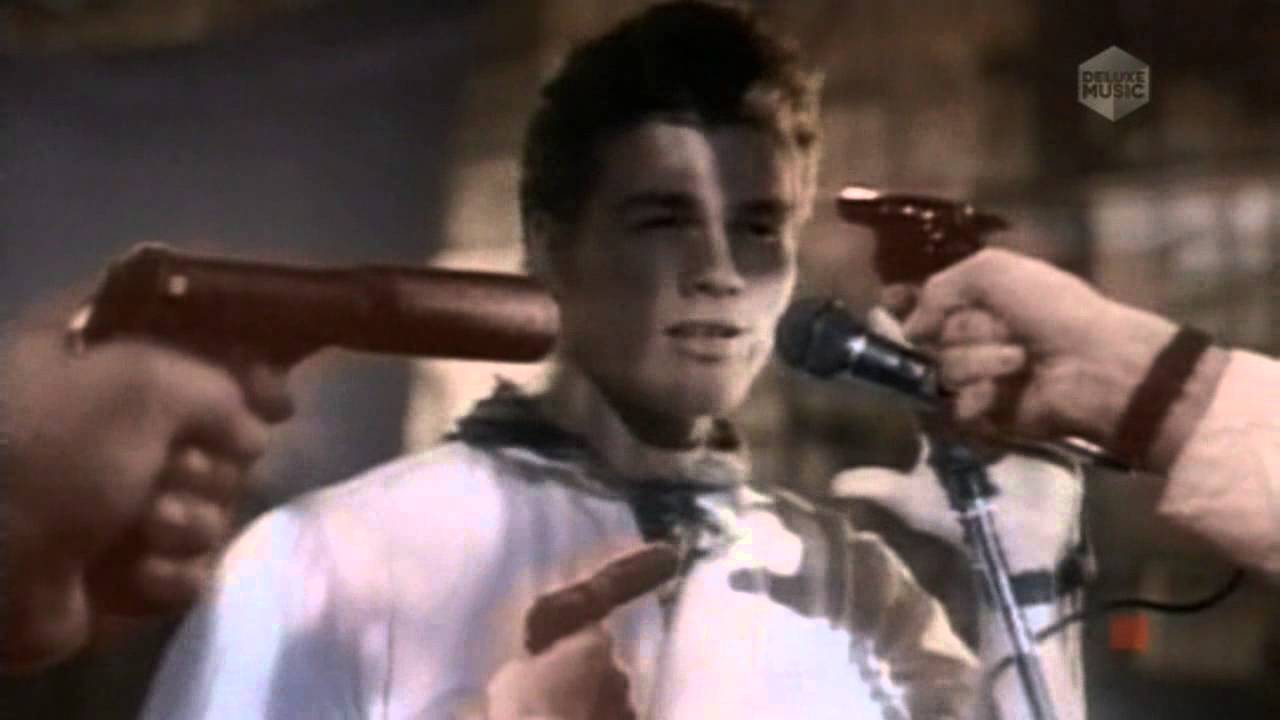
But there was always tension between the three musicians on a personal level – exacerbated by the pressures of fame, teen fandom and intense media attention.
As Harket said: “I remember when I was young, seeing pop stars who looked really cool and had an aura, and I responded to that too, but only if their music did something to me. But with all the commercial teeny glossy magazines, it was all about teenage girls and that’s what we were faced with.”
He added: “I never would have minded the hysteria if there had been some balance, but in the media there was never anything else, because that’s where the media makes its money. When you talk about nonsense 24 hours a day you get sick of it!”
In the early ’90s, after the hysteria had died down, A-ha had quietly disbanded. But in 1998 they performed in public again, and in 2000 the comeback album Minor Earth Major Sky was released.
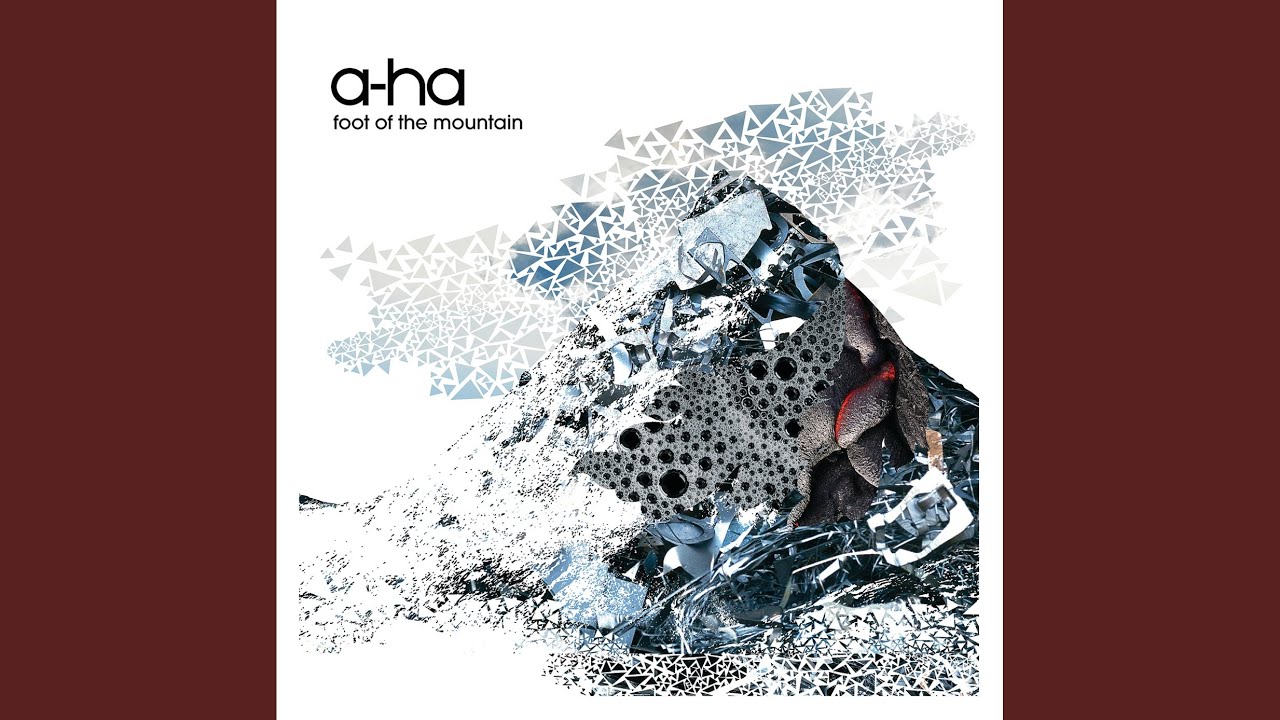
Three more albums followed in that decade: Lifelines (2002), Analogue (2005) and Foot Of The Mountain (2009).
Compared to the synth-pop hits of old, Analogue was a more rock-oriented album that really put A-ha back in the limelight and restored their credibility. Foot Of The Mountain was a return to their signature sound, and for this album’s release the trio spoke about A-ha’s renaissance and how it had happened.
“We’ve had a very strong response to all our albums in the later years since 2000,” Harket said.
“It’s a great feeling to have such good response and to hear kind words coming from critics,” Waaktaar-Savoy added. “That really gave us a boost.”
They discussed the songwriting process for Foot Of The Mountain and how it compared to their past.
“My writing goes in waves,” Harket explained. “I do write, but to do that in this band is not cultivated by the others – and not by me either.
“There have been exceptions. On some albums there has been more of me. But on this album it’s essentially the other two.”
“We rarely write together,” Waaktaar-Savoy revealed. “Even when we lived under the same roof, writing together was never the norm.”
Furuholmen was more dramatic. “I had to fight very hard for the direction I believed in,” he said. “That’s nothing new, but this one took all my strength.
“We started up with a conscious effort to work together. It lasted long enough to produce some interesting results. Some songs, especially at the beginning, happened by sitting together with a keyboard and a guitar – but most were written individually.
“I wrote a lot of songs early on, but as the A-ha process took way too long, I ended up releasing much of the material I had written for A-ha as a solo album in the meantime.”
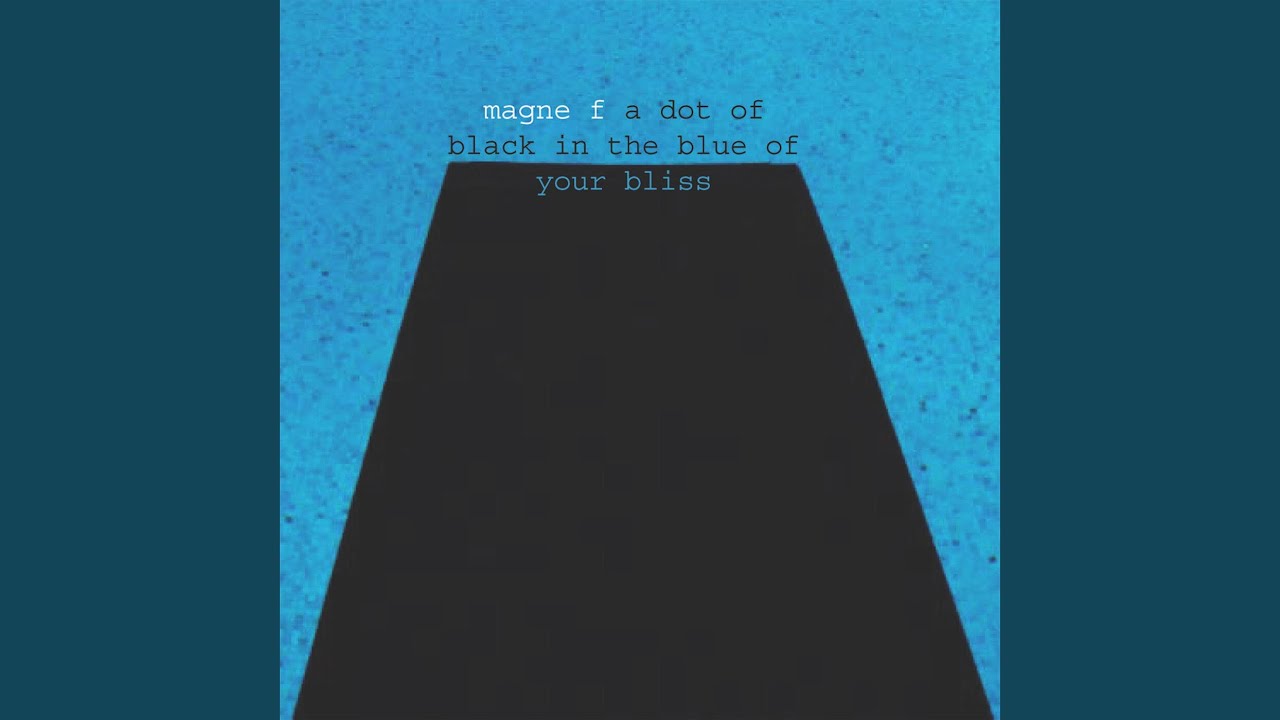
The solo album he refereed to was A Dot Of Black In The Blue Of Your Bliss, released under the name Magne F, and with an alternative rock flavour similar to the title track from Analogue.
Furuholmen said of his influences: “For a few years I was deeply into singer songwriters, like Sufjan Stevens. Also, Mark Oliver Everett always inspires.”
Returning to the subject of Foot Of The Mountain, he added: “Some songs are made up of parts from two different songs juxtaposed.”
Furuholmen explained why A-ha could never make an all-out rock record: “The rock aesthetic and its penchant for the ‘authentic’ booze and cigarettes- driven narrative is completely at odds with Morten’s high-strung passionate choirboy voice.”
He also spoke of his commitment to his art.
“When you write something you can’t help feeling personally invested,” he said. “That’s why you do it.”
Harket described Foot Of The Mountain as a more upbeat A-ha album, but conceded: “I wouldn’t call it extrovert. A-ha has always had a tendency to go introvert.
“At times, some of our music has maybe emphasised the introverted aspect a little more than I would say is balanced. This album is going in the opposite direction.”
At this time, Furuholmen was also working with Coldplay bassist Guy Berryman on a project named Apparatjik. This group’s debut album We Are Here was eventually released in 2010.
Coldplay singer Chris Martin was an A-ha fan in his youth. He has since performed A-ha songs both solo and with his band.
Furuholmen acknowledged: “Coldplay have played an active part in a causing a reappraisal of A-ha. Chris Martin is one of a generation of musicians who grew up loving A-ha, not for the image, but for the music.”
“It took a long time to shake off that teen pop image,” Waaktaar-Savoy said, “and Chris Martin has been instrumental in introducing us to a new generation of listeners.”
“The value of the respect is the same no matter where it comes from,” Harket stated. “It means you’re communicating with somebody out there. In this case it was a kid called Chris Martin. He was reaching out for music and A-ha became part of his story.”
