


When The Clash’s 1982 anthem Should I Stay Or Should I Go was first released as a double A-side single with Straight To Hell, it reached the top 20 in the UK and Ireland, but made little impact on an international level.
By 1991, however, with help from one of America’s biggest jeans companies, the world was ready to give the song another chance. The song was chosen for usage in a television commercial for Levi’s 501s, where a young man gets challenged to a game of pool by an older gentleman hoping to win his branded denim trousers.
As a result of the advert’s popularity, the band ended up re-releasing the single. It went to No 1 in the UK and was a major hit all around Europe.
The official video for Should I Stay Or Should I Go was filmed at Shea Stadium in New York City, whee The Clash opened for The Who in October 1982. Famously, this venue was where The Beatles performed in 1965.

When The Clash performed at Shea Stadium, they had Terry Chimes on drums in place of Topper Headon. Headon had joined the band in 1977 but exited in 1982 after the recording of the album Combat Rock on which Should I Stay Or Should I Go was included alongside another of The Clash's greatest songs, Rock The Casbah.
Sung by guitarist Mick Jones instead of frontman Joe Strummer, Should I Stay Or Should I Go begins with Jones’s overdriven D and G chords coming in after an eighth note rest – on the ‘and’ count in between first and second beats of the bar. A slapback echo effect was added to give the riff more sonic width.
Strummer rakes the muted strings three times after the first riff to create a rhythmic sound with no melodic contribution, essentially playing dead notes.
Jones then returns with the exact same riff and this time Strummer answers with a legato idea starting from the fifth fret of his high E-string and then hammering onto frets eight and ten.
This kind of line would come from the fourth shape of the D Minor pentatonic scale, played as three notes per-string.
On third time of every verse, the chords switch to G and then F, before returning to the D and G idea for the final round.
Whenever Jones sings the line “So, come on and let me know” the chords switch to a simple A major shape played on the second fret.
Just after the one-minute mark, the same ideas continue but this time without the pauses in between each cycle of the riff, the chords strummed through each bar. From this point on, the song varies between the two rhythmic approaches.
The music was mainly written by Jones but ended up being credited to The Clash as a whole.
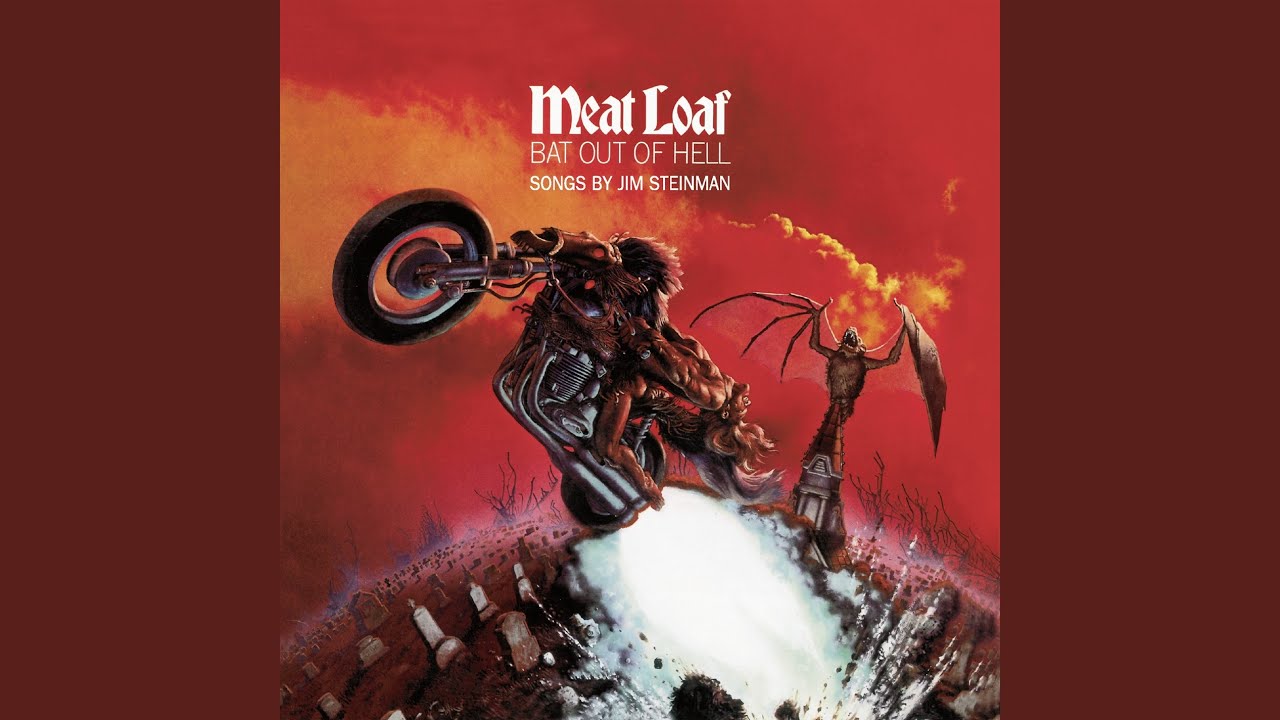
The lyrics were rumoured to have been written about either Jones’ impending dismissal from The Clash or his tumultuous relationship with American singer and actress Ellen Foley, who famously sang backing vocals on Meat Loaf’s Bat Out Of Hell album.
In 1991, however, Jones clarified that the song “wasn’t about anybody specific” nor was it “pre-empting my leaving The Clash”.
He admitted: “It was just a good rockin’ song, our attempt at writing a classic. When we were just playing, that was the kind of thing we used to like to play.”
Halfway into the track, Spanish backing vocals sung by Joe Strummer and Texas singer Joe Ely can be heard in the verse sections, echoing the English-sung lines.
“On the spur of the moment I said, ‘I’m going to do the backing vocals in Spanish’,” Strummer revealed in 1991. “We needed a translator, so Eddie Garcia, the tape operator, called his mother in Brooklyn Heights and read her the lyrics over the phone and she translated them.”
As the story goes, he forgot to check which variant of the language he ended up singing.
Strummer continued: “But Eddie and his mum are Ecuadorian, so it’s Ecuadorian Spanish that me and Joe Ely are singing on the backing vocals.”
In a 2012 interview, Ely revealed that he also helped translate some of the lyrics, though by his own admission, not particularly well.
“I translated them into Tex-Mex and Strummer kind of knew Castilian Spanish, because he grew up in Spain in his early life,” he explained. “And a Puerto Rican engineer [Eddie Garcia] kind of added a little flavour to it. So it’s taking the verse and then repeating it in Spanish.”
He went on to explain how his contributions were “not an accurate translation” though reasoned “I guess it was meant to be sort of whimsical, because we didn’t really translate verbatim.”
Should I Stay Or Should I Go ended up becoming a cult classic famously covered in the studio or on stage by a whole range of artists including Living Colour, Weezer, Skin, MxPx, The Ukulele Orchestra Of Great Britain, Kylie Minogue and Ice Cube.

The song also enjoyed a resurgence in 2026 thanks to its use on hit television series Stranger Things, which led to a viral trend on social media platform TikTok – propelling the single back in the UK Top 50.
To this day, it remains The Clash’s only No 1 single and their most streamed track.
