
Jeremy is one of Pearl Jam’s signature tracks as well as one of their most controversial thanks to its provocative combination of soaring vocals, heavy guitars and dark lyrics.
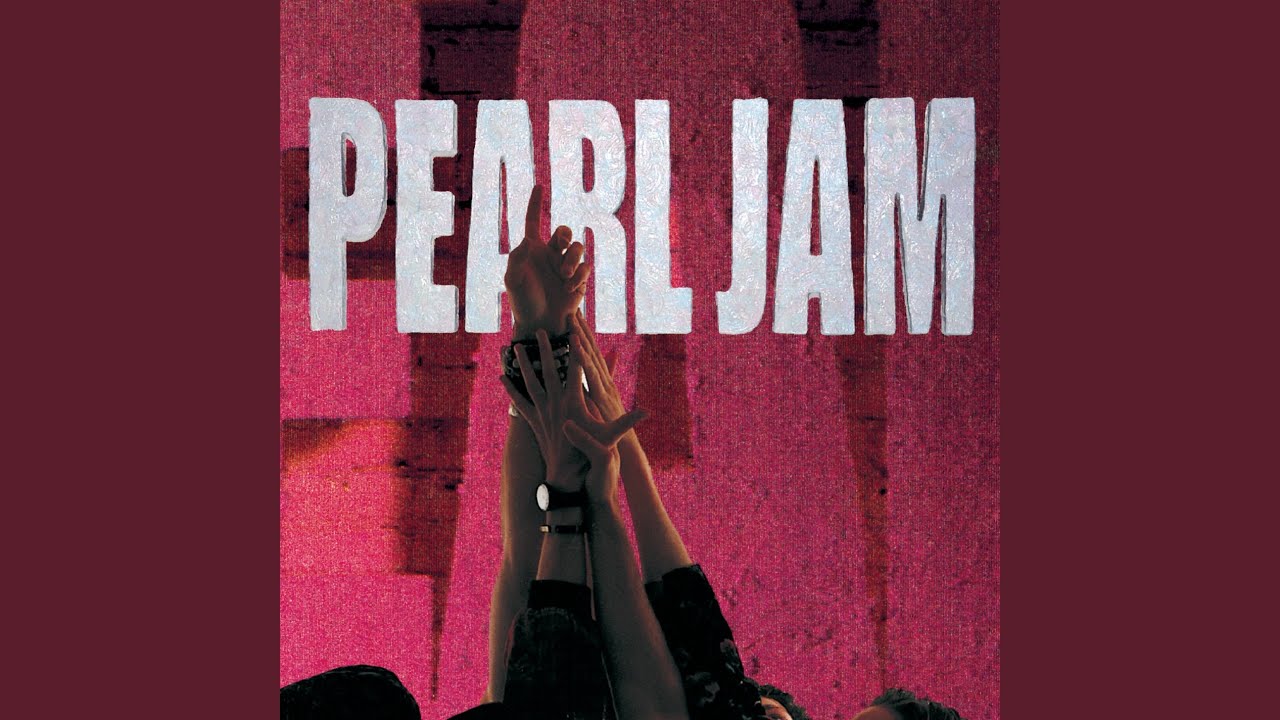
The song was released as the third single from the Seattle band’s 1991 debut Ten debut, and its main source of inspiration came from a newspaper article about a 15 year-old Texan boy named Jeremy Wade Delle, who shot himself in front of his teacher and classmates on 8 January 1991.
Remembered by his fellow students as one of the quieter and more solemn pupils at Richardson High School, Delle arrived into class late that morning and was told to report to the principal’s office.
He returned with a .357 Magnum revolver and announced “Miss, I got what I really went for” before putting the barrel of the gun in his mouth and pulling the trigger.
The lyrics for Pearl Jam’s song were conceived by singer Eddie Vedder while the music had been composed by bassist Jeff Ament before the band went on tour with Alice In Chains early in 1991.
Vedder revealed to Seattle Sound magazine that he felt “the need to take that small article and make something of it – to give that action, to give it reaction, to give it more importance.”
The song begins with the sound of Ament’s Hamer 12-string bass, which can also be heard during the song’s outro. In a 1992 interview with Hamer Tone magazine, Ament explained how early songs like Jeremy and Why Go had been written on a 12-string guitar while his 12-string bass was on order from Hamer.
“I had been thinking the whole time that these songs were going to be 12-string bass songs,” he admitted. “It was definitely something that was thought out when I was sitting around jamming on a 12-string acoustic guitar.”
While the structure of the song had been largely completed, Ament carried on tinkering with producer Rick Parashar at Seattle’s London Bridge Studios, looking for new ways to elevate the music.
“I had an idea for the outro when we were recording it the second time,” Ament told Blender magazine in 2002. “I overdubbed a 12-string bass, and we added a cello. That was big-time production for us.”
For guitar players Mike McCready and Stone Gossard it was a case of mixing the sound of single-coils and humbuckers to create a wider sonic dimension, a trick they’d picked up from bands like Aerosmith.
“Out of our advance, Stone and Jeff bought me a black 1962 Japanese reissue Stratocaster,” McCready told Guitar World in 2021. “It was just so cool. I was like, ‘Oh my god…’ Because I had always wanted one. I had a Telecaster prior to that, and before that I had an Ibanez Iceman and a Kramer. But that was my first Strat.”
He continued: “So I used that, thinking, you know, Stone plays mostly Les Paul, and I love Les Pauls too, but I always loved how in Aerosmith Joe Perry might be playing a Strat and then Brad Whitford would have a Les Paul. And then they’d switch or whatever.
“That’s what I grew up with, and Stone did too. So I felt I wanted a Strat to complement what Stone was doing. If we both played Les Pauls, the record might’ve sounded different.”
The main guitar amps for the recording were a Marshall JCM800 half stack as well as a Fender Bassman for clean tones.
A high-budget music video was made with Vedder singing in a room by himself alongside clips of a student being bullied in class, eventually more and more frustrated until he puts the barrel of a gun in his mouth, closes his eyes and pulls the trigger.
The closing shot depicts his classmates covered in blood and frozen in horror. Given the sensitivity around the subject of violent imagery, the gun was taken out of the final scenes, which led to confusion over what actually happened.
Director Mark Pellington admitted: “Probably the greatest frustration I’ve ever had is that the ending is sometimes misinterpreted as that he shot his classmates.” He clarified: “That’s his blood on them, and they’re frozen at the moment of looking.”
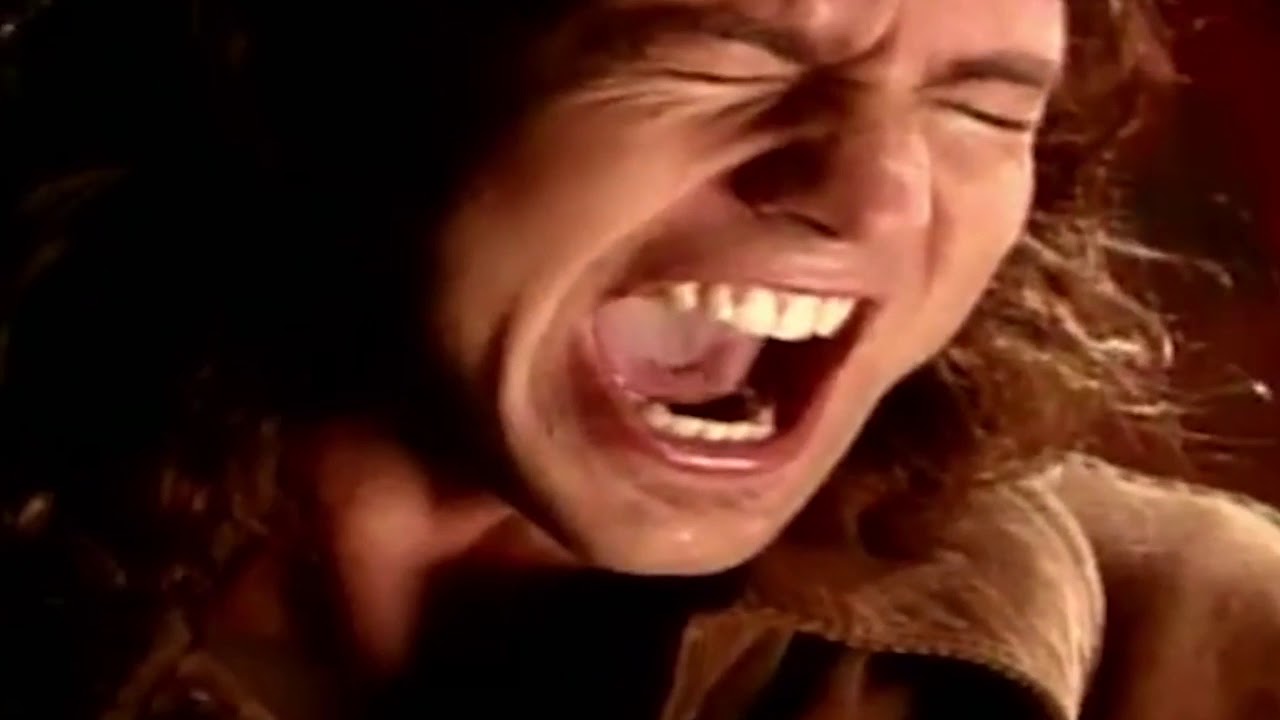
To mark National Gun Violence Awareness Day in 2020, the uncensored version was remastered in high definition and posted on the band’s official YouTube channel.
In a 1993 live interview with radio station Rockline, a caller phoned in to ask Vedder how he felt about parents blaming art for tragic events like the one that inspired Jeremy.
“I guess they can’t sue us for this one because I’m writing about it after it happened, you know?” he answered. “Some kid did this. I didn’t make that up and that’s a fact.
“It came from a small paragraph in a paper which means you kill yourself and you make a big old sacrifice and try to get your revenge. That all you’re gonna end up with is a paragraph in a newspaper.”
He added: “Nothing changes. The world goes on and you’re gone. The best revenge is to live on and prove yourself. Be stronger than those people. And then you can come back.”
