
It was a huge gamble. In 1986, British rock band The Cult had spent months recording an album at a cost of £250,000 – only to dump the whole thing and start again from scratch.
The result was a tough-sounding, riff-driven hard rock album produced by Rick Rubin and named Electric. It was a radical departure from the band’s early post-punk and gothic rock styles.
Looking back on that dramatic period in The Cult’s career, guitarist Billy Duffy tells MusicRadar: “It was the record we needed to make.”
The Cult began working on this, their third album, with huge expectations on their shoulders. Their second album, 1985’s Love, had been a breakout success with era-defining songs such as She Sells Sanctuary and Rain.

But when the band hit the studio with producer Steve Brown to work on the follow-up, the result was what Duffy calls a “long-winded” thing, where all involved just “didn’t click.”
This led The Cult into the arms of Rick Rubin, who, despite his early success with Run-D.M.C. was not yet the world famous producer he would soon become.
And as soon the band began working with Rubin in New York, it was clear that the Steve Brown-produced version of Electric would be abandoned.
The sessions with Brown had been recorded at The Manor studios in Oxfordshire in the summer of 1986. At that stage the album had the working title of Peace.
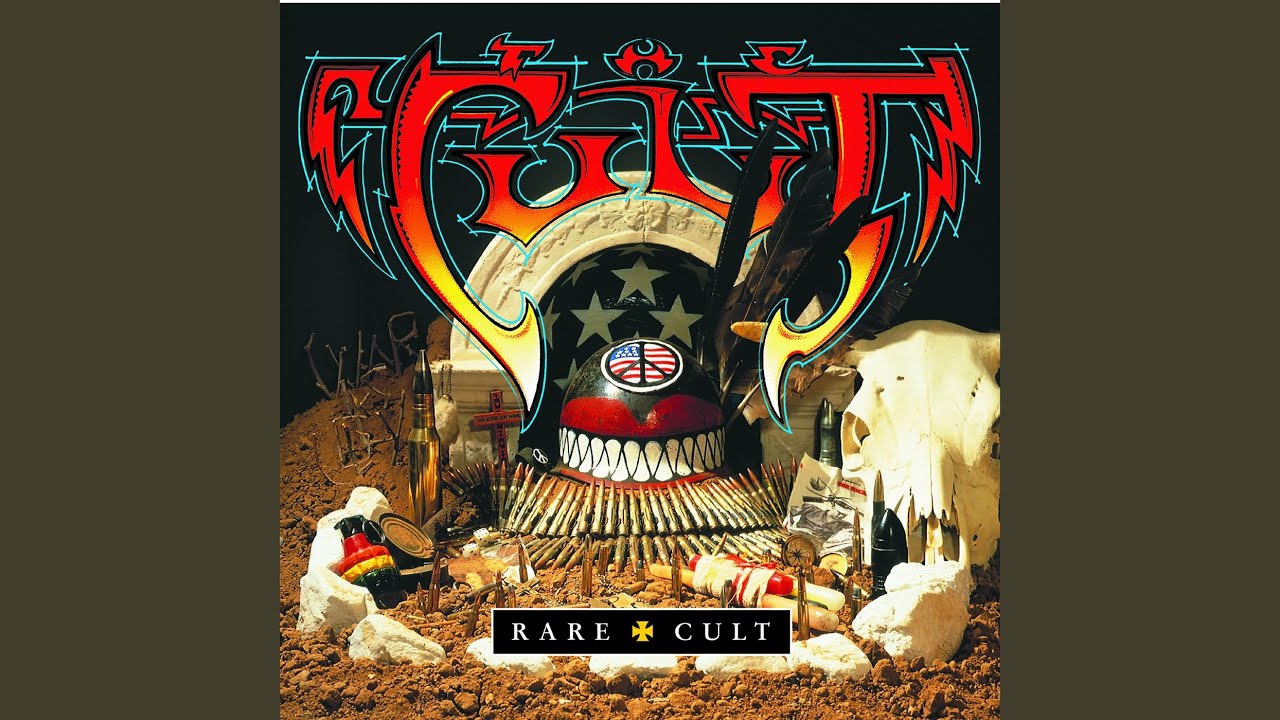
Duffy says of those original Steve Brown mixes: “There were too many overdubs, you know? It was too long-winded. A song that should have been three and a half minutes was six minutes.
“So, there was that. But we just didn’t click. All the components didn’t come together.”
Duffy and singer Ian Astbury, the two leading figures in The Cult, knew that a change of plan was needed. An approach was made to Rick Rubin to remix the album.
“We’d done one version of the album and it just didn’t seem right,” Duffy says. “So we went to New York, and Rick did what Rick does…
“Theoretically, we went to New York to remix the album,” he explains. “And we were gonna cut one song. That was the deal that Rick made. He said, “I’ll remix your album, but I wanna cut one song from the ground up.”
The band set up with Rubin at Electric Lady, the Greenwich Village recording studio commissioned by Jimi Hendrix.
“We didn’t bring any equipment over,” Duffy says. “We just flew to New York for a remix and rented some equipment. But what Rick came up with was so mind-boggling that we just carried on recording. One track turned into eleven.”
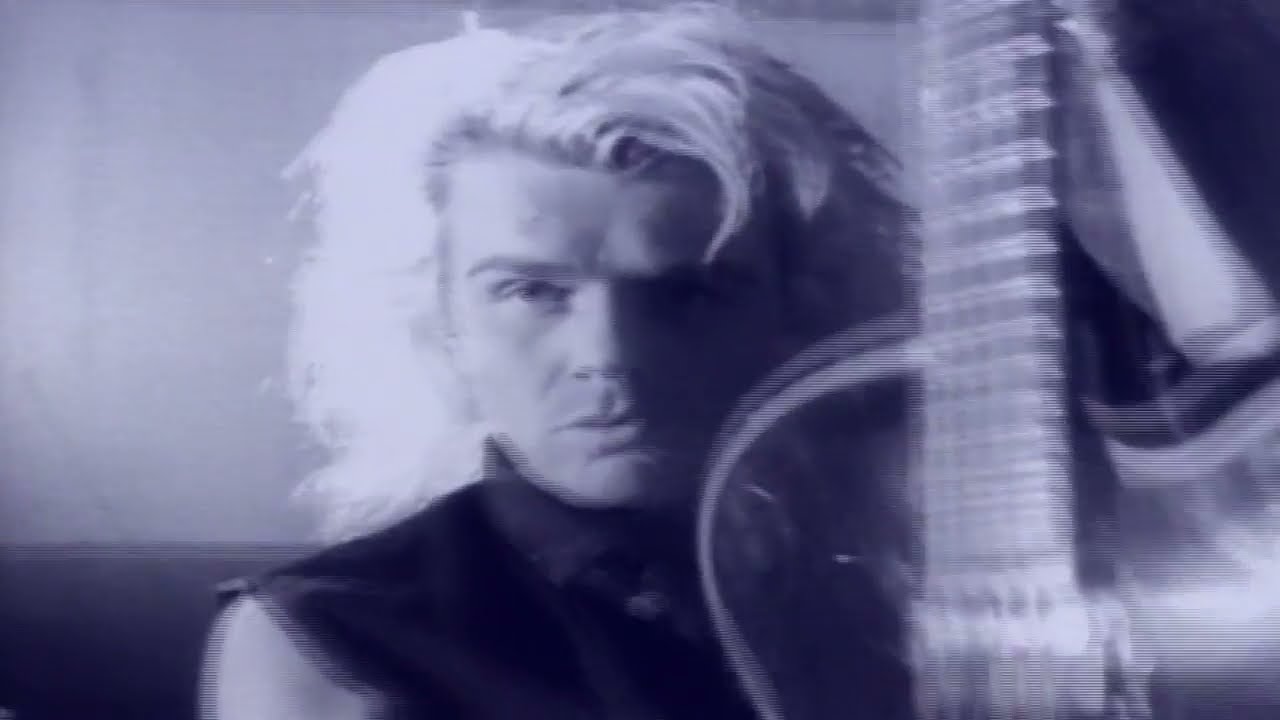
Duffy recalls an early conversation with Rubin.
“Literally, and I’m quoting here, Rick said, ‘Do you like early Aerosmith?’ We went, ‘Yeah.’ Then he said, ‘Do you like early AC/DC?’ We went, ‘Of course.’ And then he said, ‘Do you like early Led Zeppelin?’ We said, ‘Of course we do.’ Rick went, ‘Well, let’s make a record then!’”
Duffy laughs at the memory of another early exchange between himself and Rubin.
“Rick put me on the spot. He took me right back, saying, ‘So, this is a Les Paul.’ I was like, ‘I know… I used to own a couple of these before the Gretsch.’ Then he went, ‘Okay, and this is a Marshall…’
“Rick and his superb engineers spent hours cleaning these Marshalls up, and they sounded so vibrant.”
Duffy has previously said of Rubin’s demands during the Electric sessions: “No effects pedals were allowed apart from wah-wah.”
He tells MusicRadar: “Rick very much had a vision – and that was AC/DC, that kind of sound.”
This was most evident in the song Wild Flower, the opening track on Electric, built around a riff similar to AC/DC’s 1975 track Rock ’N’ Roll Singer.
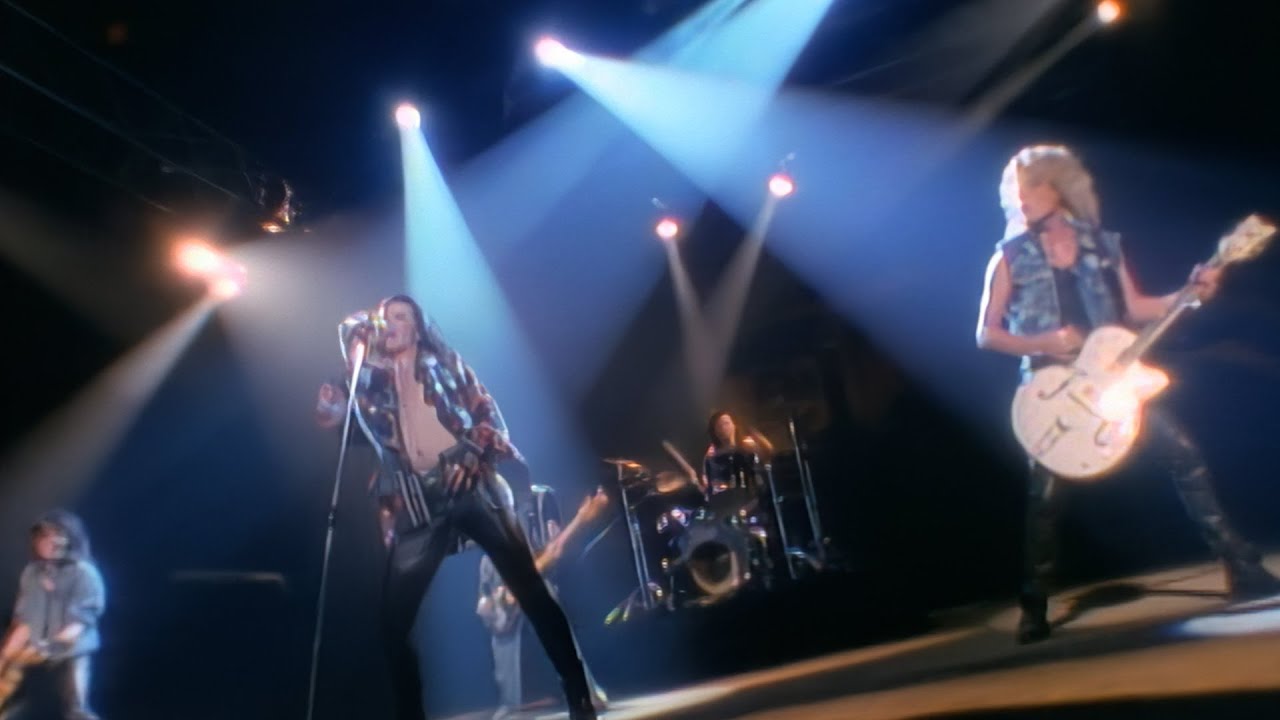
Duffy explains: “The final version of Electric that came out was done in 19 days in New York. It was quick, primarily because the songs were already written, you know? They existed.”
He says of the album’s stripped-down sound: “It’s sort of minimalism. Rick just got out the scalpel.”
Electric was released on 6 April 1987 and redefined The Cult as a mainstream hard rock act.
“Everybody worked really hard to get Electric to be what it is," Duffy says. “It’s not a record we could make twice, but it was the record we needed to make – which horrified all the fans of the record before!”
“But really, it’s not horrible! Some of the fans like it, and I like some of the things on it, like Wild Flower and Love Removal Machine.”
He adds: “It captured a moment in time, you know?”
