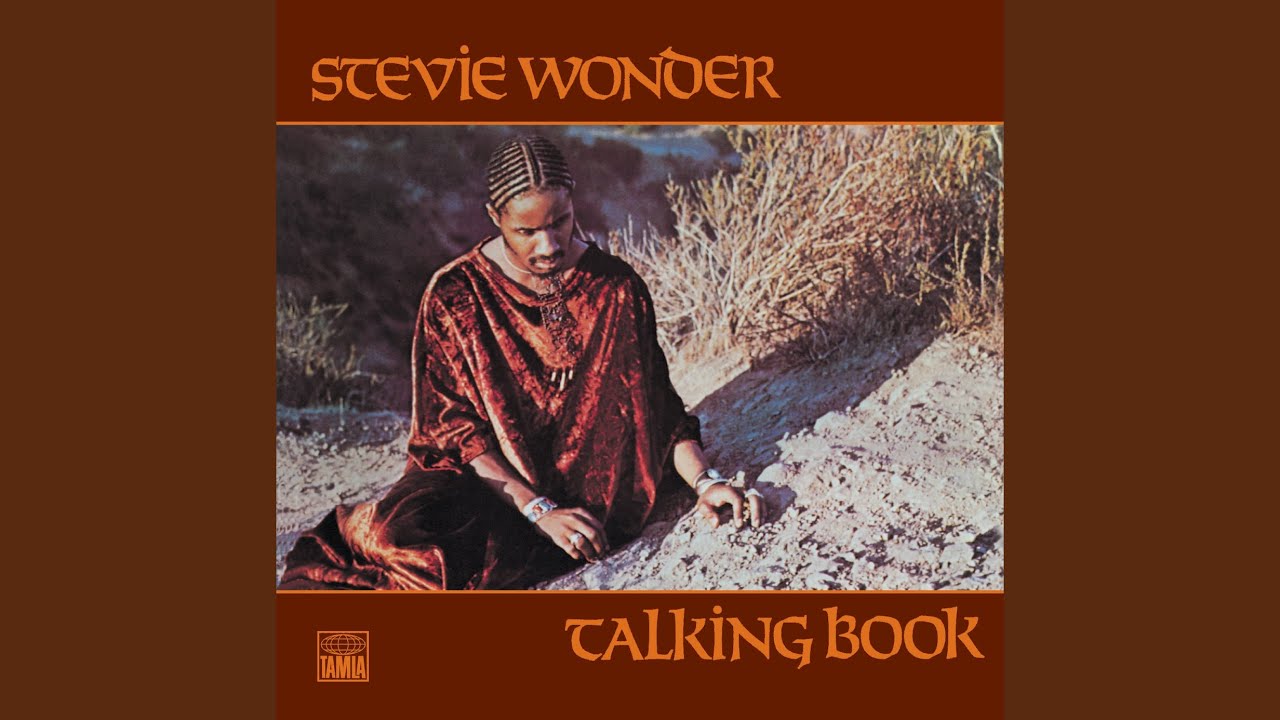
Stevie Wonder’s four-album run in the early ‘70s is widely considered to be one of the greatest in music history, but he didn’t create these records in isolation.
Working alongside Wonder were Robert Margouleff and Malcolm Cecil, who brought their now legendary Tonto synth to the party, a huge composite instrument that featured parts from multiple manufacturers.
Cecil died in 2021, but Margouleff is still around to tell the tale of that time. In fact, he’s just got it down in a book – Shaping Sounds: Stevie Wonder, Devo, The Synth Revolution – And My Life Behind the Music.
“For three years, I lived in Stevie’s world,” Margouleff tells The Telegraph. “I’d wake up in the morning, Stevie would come to the studio around five o’clock, and we worked until the dawn’s early light. I didn’t think about anything else. I lost my mind, but I wouldn’t trade it for the world.”

Given that level of intensity, it’s perhaps inevitable that the working relationship would burn out before it faded away, and so it proved. Margouleff suggests that Cecil in particular began to feel disgruntled about the pair being credited merely as ‘associate producers’ on those classic albums, and says that, despite Wonder inviting them in on the promise of being made creative directors of his company, it was never made official.
“We just went on a handshake,” he remembers. “It went on like that for three years.”
Tensions were raised further, says Margouleff, when Wonder failed to mention him and Cecil during his acceptance speeches at the 1974 Grammys, at which he won five awards.
And then came the straw that broke the camel’s back. As Margouleff remembers it, some of Wonder’s friends were partying in the studio control room, and Cecil had to ask them to be quiet.
Wonder wasn’t happy about it: “He said: ‘Don’t you talk to my friends like that,’” recalls Margouleff. “That’s the only time I ever heard Stevie say anything in anger. I say that with the deepest respect, because I love Stevie. But when that happened, the angels left the building. It was really over.”
The trio’s indelible mark on music history had been made, though. What’s more, Margouleff says that he reunited with Wonder a few years ago, and would be happy to work with him again if he ever wanted to revisit some of the unreleased material from their golden era.
“Some of it will never see the light of day,” he says. “Whatever happens, I can’t control it. Nor do I want to.”
Margouleff does have some advice for today’s musicians, though: stop being so rigid with your tempo.
“The problem with pop music today is we have no rubato,” he argues. “We never used click tracks. If you listen to Superstition, you’ll hear it speeds up and slows down. That imperfection is what made the music compelling.”