


On 8 July 8 this year, modern funk torchbearers Vulfpeck will be headlining the O2 Arena.
Following on from previous sold-out shows at New York’s Madison Square Garden, the night is set to make history as their biggest gig of their career to date on the other side of the Atlantic.
Naturally, along with the release of his latest solo album, Lost In The Wonder, it’s something that guitarist Cory Wong is extremely excited about.
“This is going to be really special,” he tells MusicRadar. “Sometimes we have to look at each other and say, ‘Are we really doing this? Is there really 15,000 people singing this through-composed bass melody along with us?’ It often can feel like a dream.”
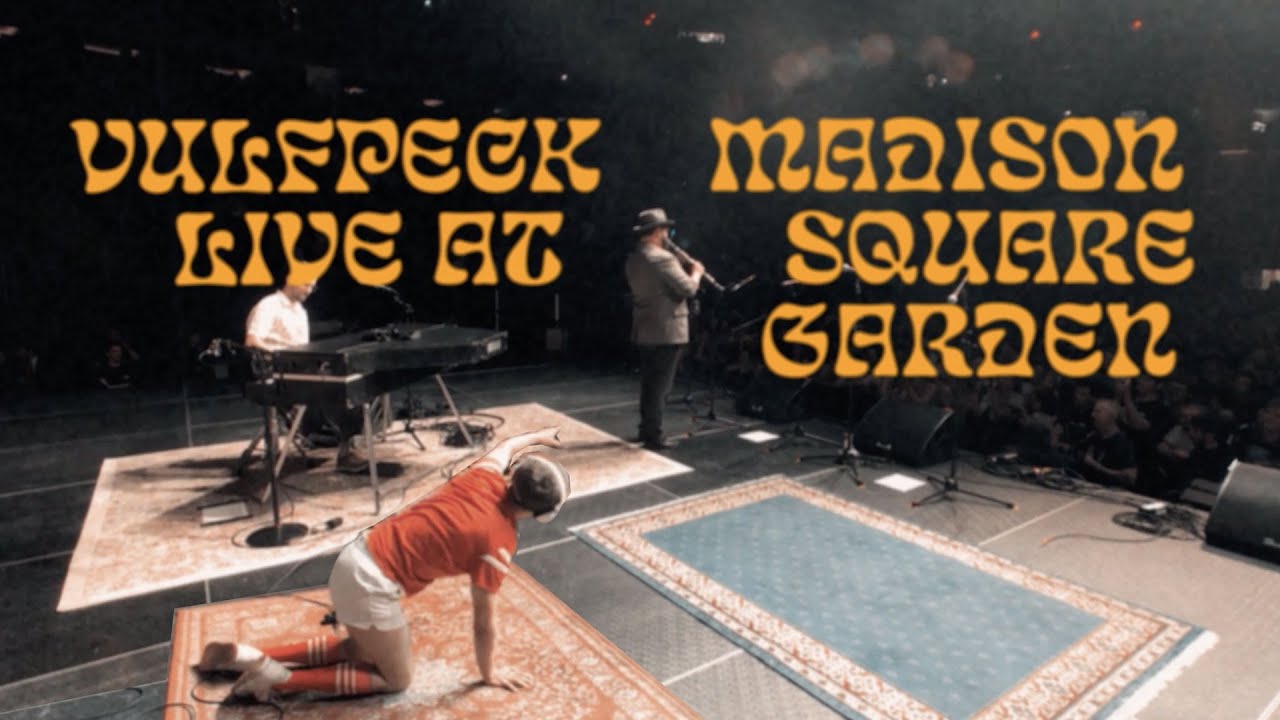
Though you couldn’t call it an overnight success story, the American collective’s rate of growth has been quite spectacular indeed. The rooms have gotten noticeably larger with each and every visit, but not without some hard work going on behind the scenes.
“It’s a testament to the vision of Jack [Stratton, Vulfpeck founder/leader], all the hard work we’ve all put in and the fanbase being incredible,” admits Wong.
On paper, it might seem peculiar how a collective of young musos and aspiring session maestros mainly known for instrumentals ended up becoming figureheads for the modern funk resurgence.
Now, 15 years on since forming, Vulfpeck stand as a global force to be reckoned with.
“A big part of the recipe is that we are friends first,” Wong says. “There’s a real deep respect for each other as people as well as musicians. We all have a signature thing. Listen to how Joe Dart plays, he articulates in a way that most other bass players don’t.”
Wong goes on to explain how this is true of every person on stage at a Vulfpeck show. Each member brings a “specific flavour” that gets added into the communal “recipe”.
But, as he wisely points out, the sum is also greater than its parts. It’s a case of playing to individual strengths though more importantly always serving the song.
“Having a group made out of very identifiable musicians is one thing but it’s also how we utilise those voices to serve the whole,” continues Wong. “That’s what makes it important and unique. What I bring to the table is my understanding as a producer, writer and player.”
He adds: “Jack asked me to be the Music Director of the band. He trusts that I will make decisions that aren’t just like, ‘I’m going to showcase how great I am on the guitar!’ He knows I don’t need that. If people like how I play the guitar, great, but I’ll only play what I feel is appropriate for the song.”
Given his reputation as one of the finest strummers in the world right now, Wong is the kind of guitarist who has a lot to say and offer on the art of rhythm guitar. And it goes a lot further than just playing the right chords at the right time...
“People know me as a rhythm player, but when I’m writing rhythm parts I’m still looking for hooks,” he notes. “There are times where I could be just playing the chords, but in that case it feels like I’m just playing the chord progression the song happens to be in.”
He reasons: “My advice is play the song. Can you find a part that is tailored to the music, with hooks that don’t get in the way? That’s what Joe and I are always searching for – how can we serve the music in a way that makes it even more identifiable than just lyrics, melody and chords?”
One chord that is more likely to crop up than most others in Vulfpeck is the sus chord. So much so, that the band jokingly refer to it as ‘The Classic’ – because it quickly became a go-to ingredient within their signature recipe.
“It’s The Classic for a reason,” grins Wong. “It’s like the sound of a D triad over an E. I guess you could call it an E9sus4 but if I saw that written down, I might pull a different voicing than when I see D/E. I don’t know who came up with the name ‘E Classic’, maybe Joe or Theo [Katzman, drummer/guitarist] back in the college days. It has a very specific kind of feeling to it.”
He goes on to explain that the appeal behind a sus chord is that it “can be interpreted differently” because of its functionality in both “minor and major settings”. By negating the third and seventh intervals, you end up with the sound that isn’t particularly happy or sad.
“It’s a bit like tofu,” smiles Wong. “You can flavour it in different ways. Sometimes we’ll stop and say, ‘Hold on, is someone playing a minor third? Let’s not do that!’ You don’t want to imply the third anywhere. That’s what makes it so elusive or interesting. Is it dominant or a minor7 with extensions?”
He summarises: “A great example is Sun Goddess by Earth, Wind & Fire [with Ramsey Lewis].
“A lot of Steely Dan tunes use this kind of implied harmony. They were famous for ‘mu’ chord, which is the term for a voicing that’s 1/2/5. Is it major? Is it minor?
“You’re not getting enough information from the chord alone, so you have to put it in context with harmony around it to help shape what the ear is hearing, leaving more imagination to the listener.”
