
PLUGIN WEEK 2026: Classic drum machines, beatboxes, rhythm composers - whatever you choose to call an analogue box-o-tricks - they still make a fantastic percussive sound that continues to infiltrate many areas of contemporary production.
We are talking about drum machines that were produced in the period around the mid-70s to early 80s, with sounds that used analogue circuitry to try to bottle the feel of real drums… and therein lies their initial downfall!
Unfortunately for the analogue drum machine, most of them did not sound very much like a real drum kit - which is what most people were striving for at the time.
Roland produced the original ‘Dr Rhythm’ DR-55, under its Boss branding, specifically to try and encourage guitarists to take them down the pub on a Saturday night, rather than using a live drummer.
Great for a lone singer-songwriter - less so if you’re a Motorhead tribute act!

Just about all analogue drum machines were a commercial flop. Apart from a few select placements in notable songs, their initial history was consigned to the bargain bins in most music stores, only to be purchased at a knockdown price by the cash-strapped next generation, looking for bedroom studio-based beats.
The resulting electronic music of the late ‘80s and ‘90s saw these instruments re-appraised in this new context. Finally, they were given their due respect.
Here then, we're going to shine a light on three of the very best analogue drum machines from music history, highlighting where you've heard them before, and where to find the best examples in software.
1. Roland TR-808

We have to start our list with the daddy of all drum machines, and the mainstay of dance music. The 808.
The Roland TR-808 Rhythm Composer, to give it its full name, was first released in 1980. All analogue in design, it offered the user 16 buttons across the front, which for the most part would equate to 16th notes, making up an entire bar.
This was one of the first instances of Roland’s distinctive drum programming layout which became known as XOX-style,. The patterns could be assembled into song formation, with storage for up to 32 patterns.
With an initial price tag of £765, the 808 ceased production in 1983 - but not before a few choice placements had sealed its status for future years.
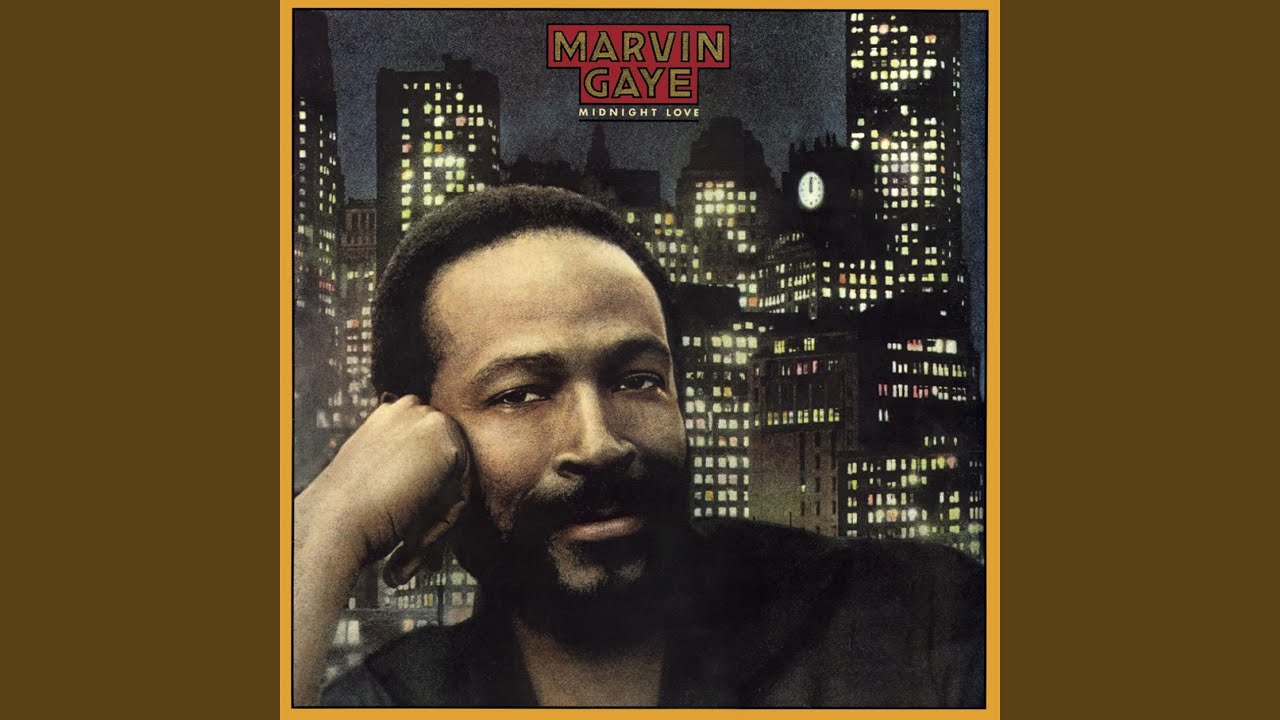
Marvin Gaye used the 808 to provide the complete drum track for Sexual Healing. In fact, recording engineer Mike Butcher cites it as the first time the 808 had been used for its own qualities; “As far as I know, he was the first person to program a TR-808 as its own instrument instead of trying to imitate a drum kit,” Butcher told Electronic Sound. “He would do things like put the side-stick on a beat, which a drummer wouldn’t do.”
Whitney Houston’s I Wanna Dance with Somebody put the iconic 808 cowbell sound firmly on the menu, thanks to its extensive use throughout the song (particularly the introduction).
However, where the 808 found its forever home was in the realms of hip-hop and R&B.
Afrika Bambaataa & the Soul Sonic Force religiously used the 808 in their early releases, this association with hip-hop became key to the 808’s longevity.
It didn't take long for other artists to realise how the sinusoidal kick-sound of the 808 could literally shake a room. Its attraction widened further, becoming a mainstay central component of techno and other electronic genres.
The price of a used hardware 808 extends to several thousands, and that's for a machine which might not have MIDI as a retrofit, so software could be a highly attractive (and far cheaper) alternative, without the hassle of vintage maintenance to boot.
Roland has rejuvenated the 808, in a plugin form, which is available for £133/$149 from Plugin Boutique, or as part of a Roland Cloud subscription.

There are also some great sampled versions of the 808 available, such as the UVI Prime8+, which operates within UVI's own Workstation plugin, for just €39.
For a more universal option, try the extensive set of processed samples from Sample from Mars, available in numerous sample and production formats.
And, because we're quite kind here at MusicRadar, we have our very own 808 and 909 samples for you to download and use for free, just click the buttons below to find out more about (and grab) each of our SampleRadar 808 packages.
378 free 808 drum samples167 free processed 808 and 909 samples105 free 808 weight samples2. Roland CR-78

The CR-78 sonically resides not far away from the 808, being the machine that preceded it.
It has the honour of being the first mass produced programmable drum machine, although any programming required the additional WS-1 Programmer, which was rare and expensive even from new. Consequently, most users tended to just make do with the onboard preset patterns.
Being a newfangled gadget of the times, it was notably used by a number of artists. Soft Cell used the Foxtrot pattern to provide the backing for their cover of Tainted Love, while the Disco 2 preset was used by Phil Collins on the iconic In the Air Tonight - prior to the big live kit entry of course.
The CR-78 allowed subtle variation of patterns, thanks to the ability to mute certain sounds on playback, which created a degree of flexible usability for artists.
One enormous plus point for owning a CR-78 in plugin form, is that you will likely get the best of both worlds; the original presets, and the ability to program your own rhythm tracks.
Once again Roland has produced a faithful recreation of the CR-78 in plugin form.
Cherry Audio has also produced a very accurate version of the CR-78, complete with beautiful graphics, XOX-style user pattern programming and a superb standalone application, which will run on your desktop Mac or PC, for just £39/$49.

3. Korg Rhythm KR-55

The Korg KR-55A (and its updated model - 55B), has become another much loved classic since its first release in 1979.
Regular users of this analog machine included Depeche Mode, but its most famous deployment has to be Joe Jackson’s Steppin’ Out, where the the basic, but driving, analog beats provided the backbone for the entire song, although the snare was doubled by a real snare, played by a drummer.

Even so, it was laden with plenty of preset patterns, and some really classy sounds that feel very rounded by comparison to some of its competitors.
Once again, the clever folks at Cherry Audio have undertaken the task of bringing us the very best that the KR-55 had to offer.
The KR-55C, includes production-ready content from both the 55A and B revisions, along with a heavy dose of additional control elements, and a XOX-style programmer.
You can trigger sounds from your DAW or build patterns using the standalone version, but either way, it's incredibly good, and all for just $49!

There are a handful of smaller sample producers who have captured the original KR-55, such as WaveShaper, available through Loot Audio.
4. Honorary mentions
The mid-70s to mid-80s was undoubtedly a fertile time for drum machine development, with plenty of analog models available - many of which are quite rare and unique.
There are a few that we have to give honorary mentions to for their services to electronic music and pop culture in general.
The Korg Mini-Pops series of machines were unique in sound and style, which was not lost on electronic pioneer Jean-Michel Jarre.
The Mini-Pops 7 provided the main rhythmic backbone for his first two albums Oxygene and Equinox.
The Mini-Pops 7 had a unique party trick, where you could combine and playback two rhythmic presets simultaneously. This combination of rhythms was a technique employed continually by Jarre in the making of the two albums. You can read more about Jarre's extraordinary process in this lengthy feature.
The Boss Dr Rhythm 55 (DR-55) was a very basic programmable drum machine. Running on AA batteries, it was the drum machine of choice for Depeche Mode, who effectively used the machine as their drummer for their early live gigs.
According to Vince Clarke, it was Dave Gahan’s job to pick the right preset and set the tempo, before pressing the start button. Simple times, with simple devices!
Finally, we have to mention the Roland TR-606. Another one of those machines aimed at guitarists who needed a drummer, but with the advantage that you could link it directly to a TB-303 should you also need a synthesised bass player too.
It didn't catch on, but the 606 has become known as a classic unit in its own right, despite having been unfairly labelled the poor man’s 808. It’s comparatively limited, but still sounds fantastic!
The good news is, all of these machines have been remodelled in either hardware or software, and you will find plenty of sample libraries, should you want to explore their unique pallets more fully, and what's not to enjoy about that?
The distinctive sounds of these analogue legends is today, more accessible than ever before. And really, no self-respecting producer should be without them.
