


Tears for Fears’ first hit, Mad World laid down something of a creative manifesto for the duo, demonstrating Roland Orzabal and Curt Smith's singular attitude to songwriting, enmeshed with their obvious ear for innovation when it came to arranging.
The song, which soared to number three in the UK charts in 1982, was first triggered by Orzabal gazing out of his flat window at the scurrying people below and fearing the inevitable call of the rat race…
But, as Orzabal later told The Guardian, Mad World's lyric also housed a deeply personal reflection on his own experience of depression;
“I had suffered from depression in my childhood. My dad had been in the second world war, had electric shock treatment, suffered from anxiety and was abusive to my mum. I kept a lid on my feelings at school but, when I was 18, dropped out of everything and couldn't even be bothered to get out of bed. I poured all this into the song.”
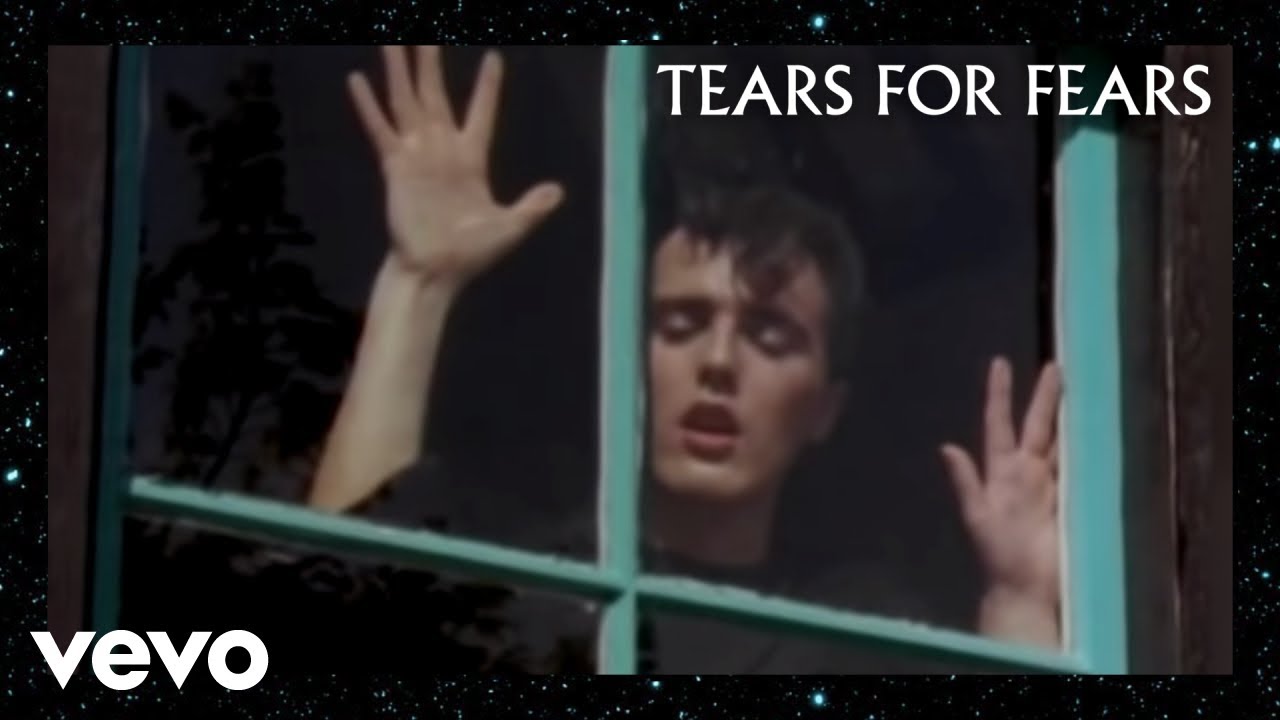
We spoke to Roland back in 2022 on the heels of Tears for Fears’ gorgeous second comeback record The Tipping Point. In our conversation, the musical polymath explained to us how he disguised the song’s more sensitive meaning behind a vast array of vibrant synthesis and quirky arrangement choices…
“Mad World, when we came out with that, that was a classic example of hiding the meaning of the song in a whole glorious backdrop of crazy arrangements, and cutting-edge synthesizers. It is not really until decades later, when someone comes and sings that song without that arrangement, that you start to realise actually how breathtakingly honest – and if you like, subversive as well – Mad World is,” Roland told us, clearly referring to Gary Jules’ 2003 number one hit with a stripped-down piano version of the song.
“We hid a lot of it because we were making pop music. It was up-tempo pop music but the songs themselves could have been anything.”

Roland also told us how Mad World - which we've also analysed in greater detail here - was originally pegged as a B-side, as well as how difficult it was later on to choose which Tears for Fears songs should be singles. Apparently, it was harder than it sounds…
“Well, we’ve never been particularly good at it [picking singles]. Mad World was supposed to be the B-side to Pale Shelter and it was only when I took it into the record company and Dave Bates, our A&R man, said, ‘No, that’s the next single.’ I went, ‘What!?’ That was the first example of the artist not knowing what their best song is. And then it was the toss of a coin between Everybody Wants To Rule The World and Shout.”
