


If someone would have told Sammy Duet in 1993 that Acid Bath would be stepping onstage to play in front of more than 60,000 people at a stadium show he would have told them they were tripping. Or he would have thought that he was the one who was tripping.
More often than not he would have been. When the Louisiana sludge pioneers were workshopping their sound, jamming wherever anyone would have them, they were often “chemically enhanced”. Sure you’ll see frontman Dax Riggs wearing a Roky Erickson T-shirt onstage but Duet says the psychedelic influences you are hearing on record were more literal.
“The psychedelic thing just came out, because we were, uh, how can I say this? We were on a lot of psychedelics at that period of time in our lives,” he says with a chuckle. “We were, literally, nine times out of 10 on psychedelics.”
But Acid Bath’s triumphant second act is no trip, no flashback. They got back together in 2024, played a string of festival shows, then booked some headlining dates and found themselves playing the biggest gigs of their lives. They were hand-picked by System Of A Down to open their stadium tour with Queens Of The Stone Age. This comeback is very much real even if it is one of the most unlikely stories in underground metal.
Acid Bath recorded just two albums before splitting in tragic circumstances when bassist and co-founder Audie Pitre was killed by a drunk driver in 1997. Pitre and Duet were friends since childhood.
Pitre’s bass guitar was integral to Acid Bath’s volatile sound, the mercurial complement to Duet and Mike Sanchez’s guitars, alternating between fuzzed out (Cheap Vodka) or with that bright tri-chorus modulation (Scream Of The Butterfly). They hired Pitre’s friend Joseph Fontenot on bass and tried to continue but soon called it quits and went their separate ways.
Riggs and Sanchez formed Agents of Oblivion. Duet formed New Orleans black metal stalwarts Goatwhore and joined up with Crowbar for a trio of albums. And that was it for Acid Bath, until 2024, and the death of keyboard player Tomas Viator brought home that they had to do this now or never. Former Crowbar bassist and longtime Acid Bath fan Shane Wesley stepped into the fold. Goatwhore’s Zack Simmons took Jimmy Kyle’s spot on drums. And it was all systems go.

“Yeah, it started because we just realised that we’d better do it sooner than later because we’re not getting any younger,” says Duet. “So while we’re still physically able to do this, that was the catalyst for doing this. Because there was always talk about us doing it, but other things came up, all that stuff, so I guess the timing was right this time.”
Acid Bath’s audience had grown in absentia. Thirty-two years since their seminal debut LP, When The Kite String Pops, their notoriety and influence grew over the years to the point where we have to raise the question as to why they weren’t swept up in the major label boom of the ‘90s, when grunge broke the glass ceiling for ugly guitar sounds, when somehow the Melvins ended up on Atlantic for three LPs – and as Duet notes, Morbid Angel were on a major, Cannibal Corpse were in the movies.
At the time, I was listening to a lot of death metal, and a lot of black metal, a lot of doom. The first Cathedral album was on repeat for a very long time on my stereo
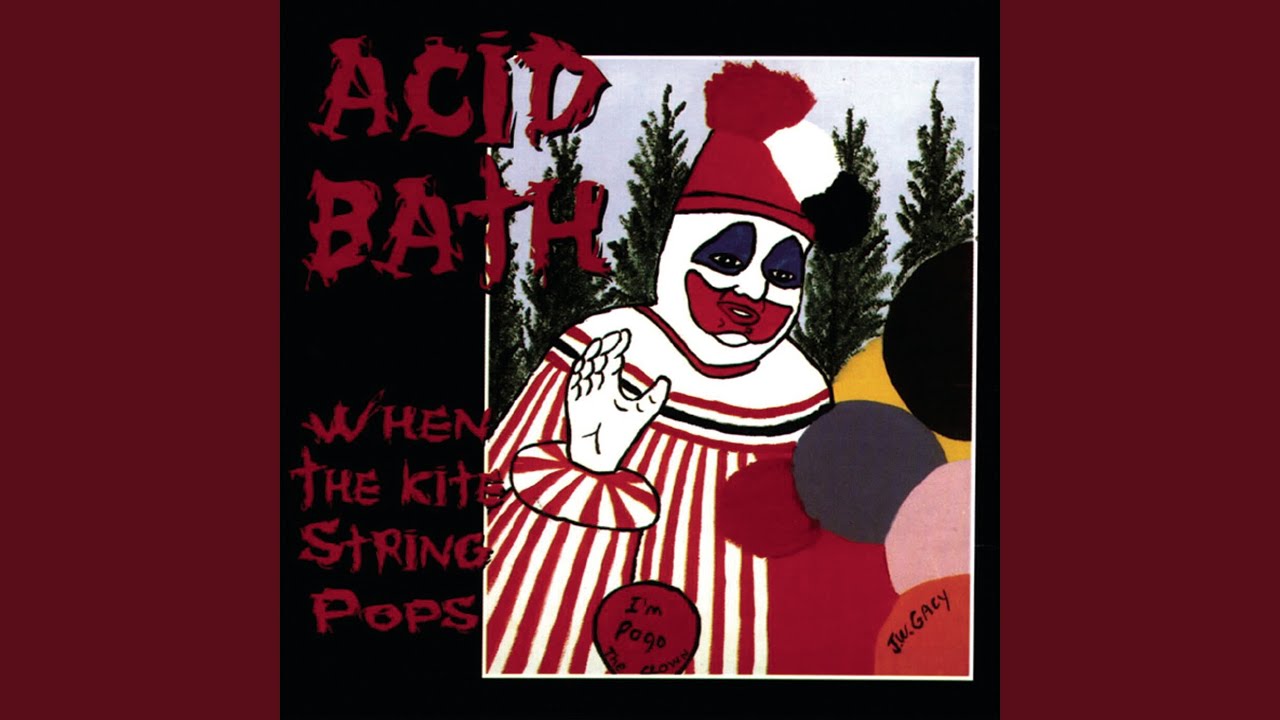
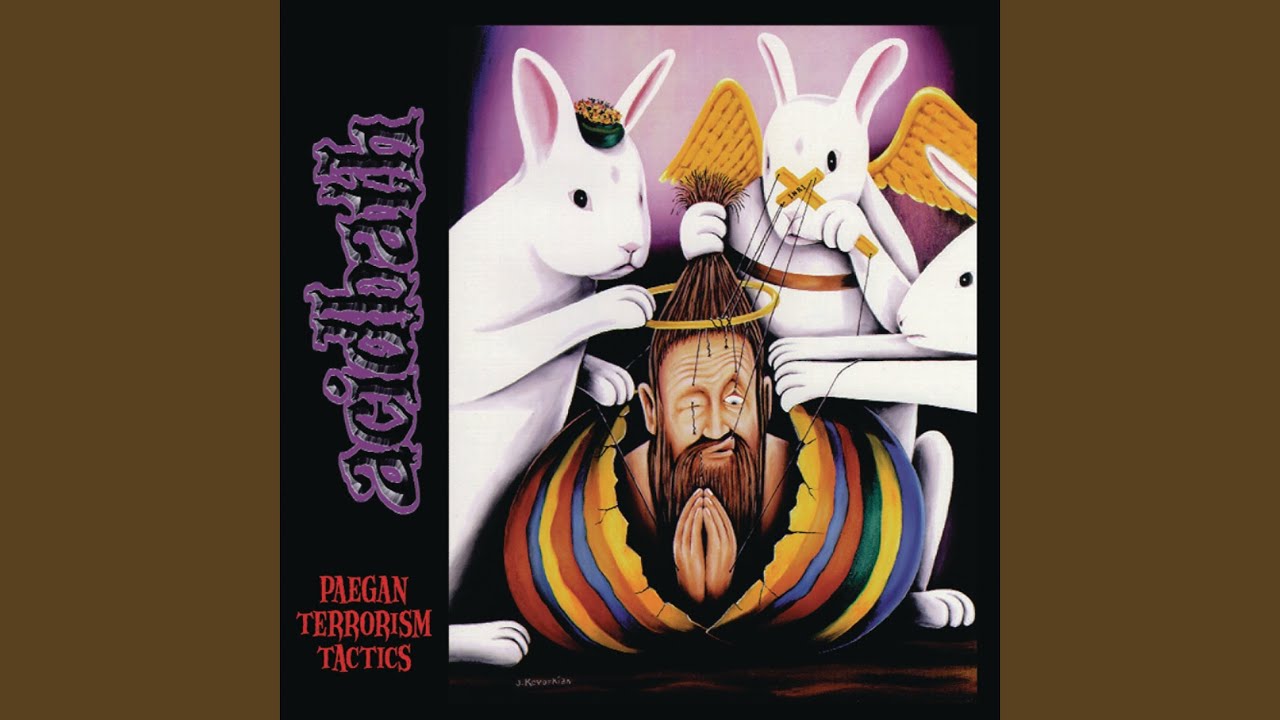
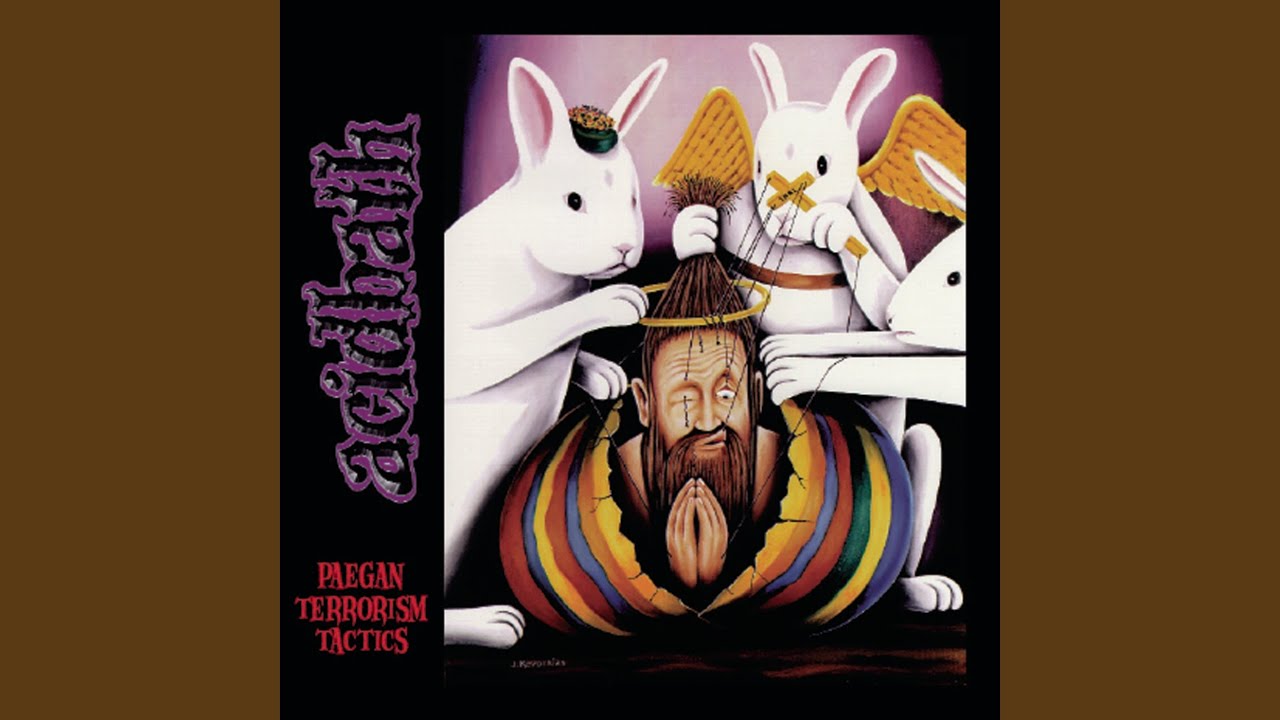
Maybe the suits were spooked because Acid Bath were so hard to categorise, or because they had an illustration of serial killer John Wayne Gacy in his killer clown suit on their debut album’s cover. For its follow-up, 1996’s Paegan Terrorism Tactics, they used artwork by Jack Kevorkian.
They were too raw for the mainstream. Still, Paegan Terrorism Tactics proved that When The Kite String Pops was no fluke. It was heavier, and yet Acid Bath retained the capacity for surprise, opening the record with a salvo of low-end sludge, closing it out with the aggro riot of 13 Fingers and New Corpse then the acoustic closer, Dead Girl.
Acid Bath could change styles on a dime. Duet names Tom G Warrior, Tony Iommi and KK Downing on his Mount Rushmore of players but he says they would listen to all kinds of styles, and it all seeped in.
“Yeah, man, it’s like, at the time, there were no bands like us at all, anywhere,” says Duet. “I hate to make this comparison but the only thing that even came remotely close to what we were doing was some of the more experimental death metal.
In Morgan City, there was an old abandoned porno theatre, and we would practise in there
“We were listening to a lot of different stuff. We were listening to death metal, doom metal, any sort of psychedelic music, all kinds of goth music. At the time, I was listening to a lot of death metal, and a lot of black metal, a lot of doom. The first Cathedral album was on repeat for a very long time on my stereo. Anything that was dark, we were into. It didn’t matter if it was metal or whatever as long as the music was dark.”
Of course, some things are not a mystery; we know why Acid Bath didn’t end up on Roadrunner. The label’s legendary A&R Monte Conner couldn’t hold his drink.
“Monte came to see us,” says Duet. “I guess he had been drinking with the Exhorder guys before the show, and he fell asleep during our set, so that’s why we didn’t get signed to Roadrunner. So that blew that fucking idea right there, you know? It’s like, well, the head of the record company fell asleep during your set, you’re probably not impressing him much. That’s what happened.”
That gig became something of an underground legend, that the fans tore the place up, that the staff at the venue were injured. It was like a hurricane blew through it. This was par for the course with Acid Bath; they were born in the post-storm devastation of a Cat 5 hurricane that devastated the state.
Where better to inhale everything that was being passed around underground – proto-sludge, hardcore punk, death metal, doom and gothic rock – then set nihilistic poetry to riffs to come out with a sound that was totally unique? Houma, Morgan City, the whole of Louisiana was in a mess. Acid Bath played around in the wreckage.
“Oh, man, we never really had a set practice room. Every time we jammed, it was always in a different place,” says Duet. “Hurricane Andrew hit Louisiana and devastated the state, and there were these bikers that lived in a trailer park. So they got their money from the hurricane and they had one nice trailer.
“All the rest of the trailers were just fucking fucked up! One of the trailers had electricity in it. They would let us practise in this abandoned trailer. It was falling apart but it had power, so we practised there for a while.”
That’s where their sound came together, on the trailer park, in whatever practice space was available, and some of these locations were pretty gnarly, or just plain weird. That had to have had some effect on their aesthetic disposition.
“It was just wherever we could find a spot,” says Duet. “In Morgan City, there was an old abandoned porno theatre, and we would practise in there. I think one time we practised in a church. Wherever anybody would let us practise, that’s where we would go.”
Acid Bath cut a pair of demos in ’93 before heading into the studio to track their debut with Greg Troyner at his studio, and Spike Cassidy of crossover champs DRI.

For a band with two guitarists, both of whom were maximalists with gain, tuned down to C standard or lower, When The Kite String Pops is a miracle of sound engineering. There is space between the instruments. It’s wide open and dynamic.
“It was a combination between Greg and Spike, because Greg had the studio, and he had put out a bunch of records from some New Orleans bands,” says Duet. “But we didn’t want it to sound like that, we wanted to have our own identity as far as the production goes, and that’s where Spike came in and helped out, and kind of made it sound – like you said – not squashed and just big and open.”
They knew the material inside and out. They had played these songs for years. In the time between recording the demos and the album sessions, the songs had evolved onstage. “It was just like they took on a life of their own,” says Duet.
But then these songs had come straight off the floor in the rehearsal space. What we are hearing came together on the trailer park, in the derelict porno theatre, the church, from minds addled by all that subtropical swamp air and humidity, LSD and pot. They just played until they found something.
“It was all accidents!” says Duet. “No one ever really came into the rehearsal room and said, ‘I have this song, or I have this idea for this song.’ It was always a spontaneous jamming. Very seldom, somebody would come in with a riff or something and we’d build a song around that. But the majority of the time we would just be getting stoned and jamming. The music just came out of us. That’s just the way we wrote.
“When the five of us got in a room together to write, the music just came out. There was no pre-planning or anything. We were just jamming and having fun and writing music that we liked to hear. We were just going with the flow, letting the music flow out of us.”
These days, Duet plays his ESP/LTD SD-2 signature guitar through a Lichtlaerm Audio Prometheus head, with “too many pedals” but always his MWK Audio Dybbuk signature overdrive in the mix, plus chorus, reverb, wah.
We just played whatever we could get our hands on, whatever worked, and whatever we could afford
Back when Acid Bath were cutting their teeth, Duet’s rig was more rudimentary. He used his Ibanez Rocket Roll II V-style for the Kite String sessions, modded with EMG humbuckers and running through a Marshall JCM800. Duet recalls a Randall RG100ES solid-state head in the mix, too. Sanchez was playing through a Peavey Butcher. They didn’t have the money for anything better.
“We just played whatever we could get our hands on, whatever worked, and whatever we could afford,” says Duet. “We wanted nice stuff – don’t get me wrong – but we couldn’t afford the nice stuff. We had to play what we could find at a pawn shop for 50 bucks.”
And that never really changed while they were together. Acid Bath never made it rain during their first act. They would pack them in on home soil. They would do well below the Mason-Dixon, but the rest of the US – the rest of the world – wasn’t quite ready for them.
Me and Audie grew up together, since we were kids, and I know how he was. He would probably be pissed if we didn’t do it
Their influence travelled after they split. Those two records had a second life. System Of A Down were fans. Slipknot’s Corey Taylor was a fan. You can hear how all that whipsawing from sludge riot to hypnotic down-tempo reveries might influence both.
Now it’s time to collect some dues and give these songs an airing again. Acid Bath is taking this chaos to stadiums and Festivals across Europe, and has just extended its US headlining tour, with Neurosis just announced as support for its Asheville, NC, date. Two great bands, two great comeback stories, both on one bill. Duet says there’s no question Pitre would give his blessing to all this.
“Absolutely, I mean, wherever he is right now, he’s probably smiling at us,” says Duet. “And it’s more of a tribute to him. Me and Audie grew up together, since we were kids, and I know how he was. He would probably be pissed if we didn’t do it.”
- See Acid Bath for dates and ticket details.
