


The history of music is riddled with happy accidents, idle noodlings and sonic misadventures that have helped inspire massive hits.
One that springs to mind is the drum groove that Jeff Beck started playing when Stevie Wonder left the room for a few moments at Electric Lady Studios in 1972, a groove that immediately inspired the returning Wonder to write Superstition.
Then there was The Doors’ Riders Of The Storm, which came into being when Ray Manzarek and Robby Krieger were jamming on the Western tune Ghost Riders In The Sky, before slowing it down and adding some jazz elements.
Another song that was inspired by chance was Easy Lover, the 1984 hit for Philip Bailey and Phil Collins, which came into being when legendary bassist Nathan East was noodling around on the piano at Townhouse Studios in London and came up with the song’s defining riff.
A jam ensued between Bailey, Collins and East and their spontaneous collaboration produced the basis of Easy Lover.
It is a flawless slice of high energy pop-rock, featuring Bailey’s dynamic falsetto, Collins’ gritty, driving vocals and his massive gated reverb drum sound.
The song reached No 2 in the US and No 1 in the UK, Canada, Ireland and the Netherlands. Over 40 years since its release it stands as an abiding classic of the MTV era.
Easy Lover was the last song written and recorded for Chinese Wall, the debut solo album by Bailey, who along with Maurice White was one of the two lead singers with Earth, Wind & Fire, a defining soul/funk band of the ’70s and ’80s.
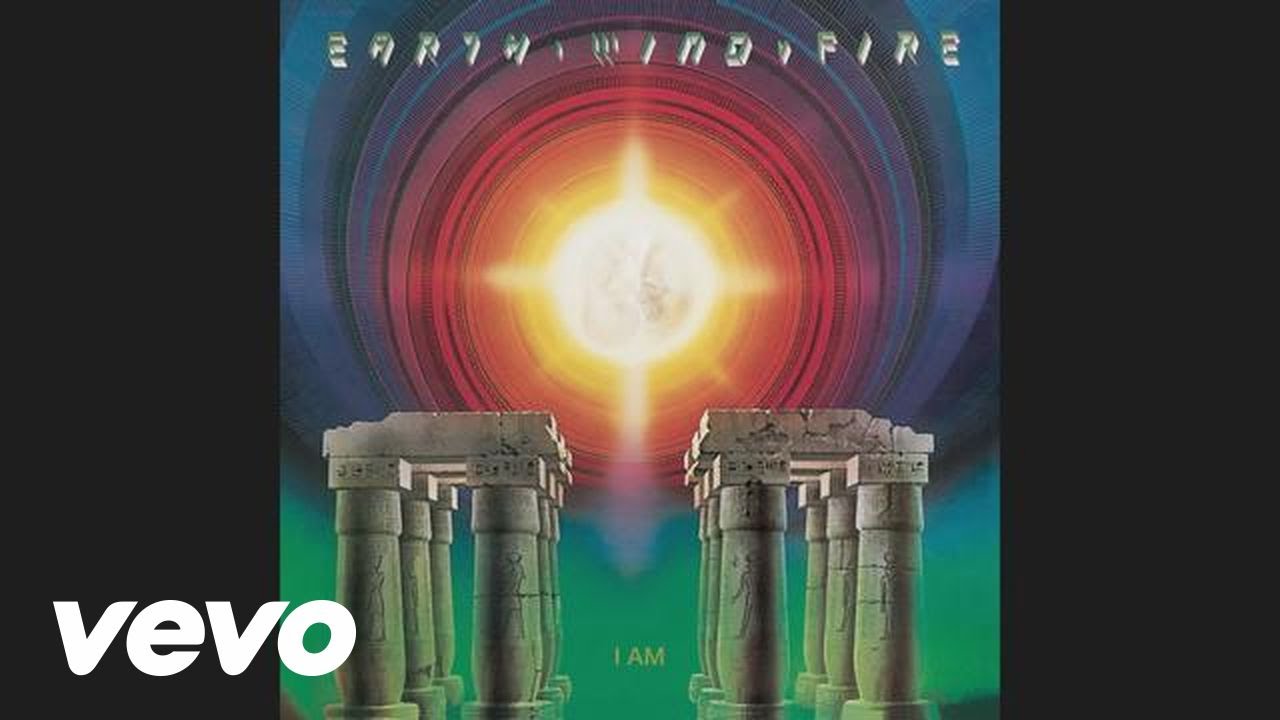
Bailey was noted for his dynamic four-octave range and distinctive falsetto register, which prompted Columbia Records to offer him a solo deal in 1982.
That same year, Bailey met Collins, who was by then a major solo star in his own right and was on tour in the US to promote his second solo album, Hello, I Must Be Going!
Bailey was impressed by Collins’ talents as a drummer and a singer/songwriter, and when their paths crossed the following summer in Los Angeles – when Collins was playing drums for Robert Plant on the Principle Of Moments tour – Bailey asked Collins to produce his Chinese Wall album.
Townhouse Studios in Shepherd’s Bush, London was the primary studio chosen by Collins to record Bailey’s album.
Recording began in spring 1984, after Collins had finished work on Eric Clapton’s album Behind The Sun. In an interview posted on the Cream of Clapton Band Facebook page, Nathan East recalled how the song came into being.
“That was another of those life-changing moments,” East said. “Philip Bailey called me and asked me to go to London to record his Chinese Wall album, which Phil Collins was producing. I went over there to record for two weeks. It was a great studio, right there in central London. We stayed out in the country [near] Guildford and Phil would drive us into the studio every day at about a hundred miles an hour.”
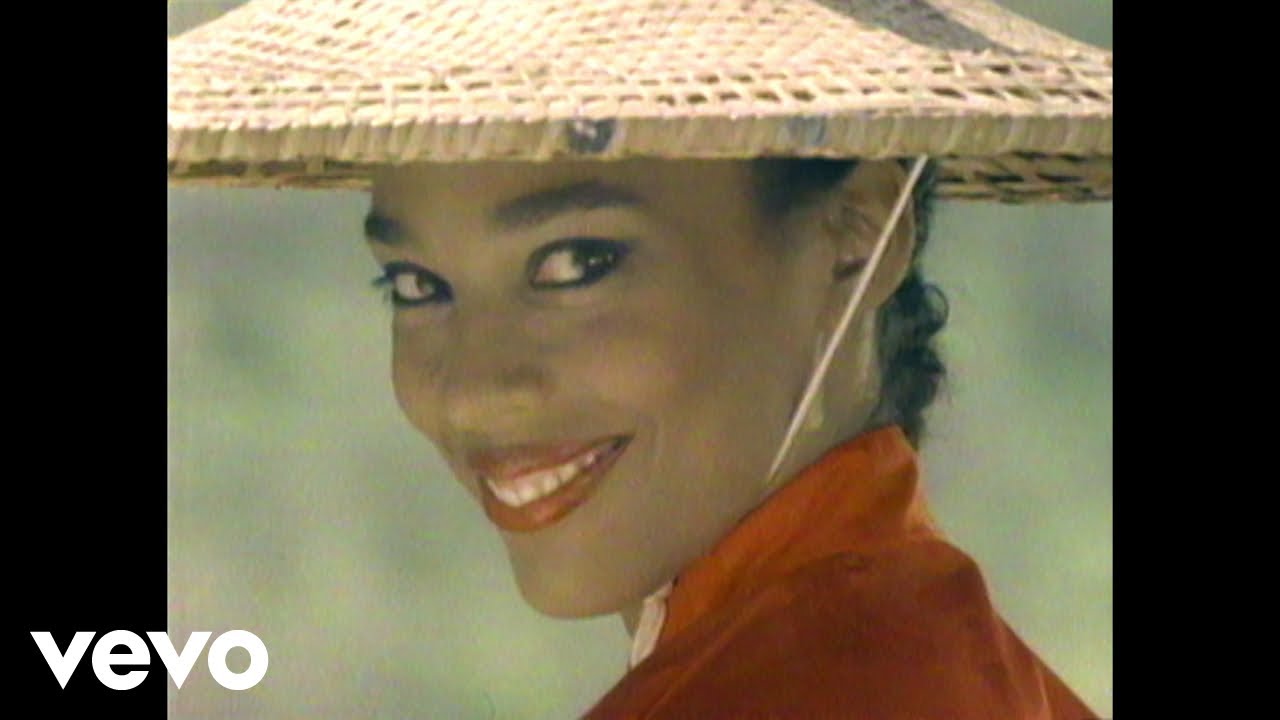
After two weeks of recording, Bailey and Collins were conscious that they had not actually co-written any songs.
“We’d gone through the whole record and we hadn’t done anything together,” recalled Collins in an interview with Drumeo.com. “So literally the last couple of days Philip said we should try to do something together. We’d done most of the hard work already so I said, ‘Sure’.”
It was East who reportedly then came up with the riff that kickstarted the jam between himself, Collins and Bailey.
“After two weeks of recording, we had the album Chinese Wall, and there were some really great songs, some were a little bit esoteric, but very cool songs, and Phil one day in the studio said, ‘Man, we still don’t have that undeniable single that the record label would instantly pick, and that’s what we need’.
“So literally I just went over to the piano and started fooling around with the riff and surprisingly, in about 20 minutes, came up with this song that almost wrote itself. I was playing the main riff on the piano, and Philip Bailey started singing the verse that he sings, and we’re fooling around with some chords and Phil Collins starts chiming in with these melodies, and we said, ‘Man, let’s put this thing down’.”
“And in about 20 minutes, we kinda came up with this tune, and we started playing it. So we said, ‘Let's make a demo tonight and then come back tomorrow and record it.’”
They quickly improvised the track, with Collins providing the signature drumbeat and vocals. As Collins and East improvised on piano, Bailey was walking around singing.
“Phil and Nathan were playing around with a riff on the piano and I was walking around singing ‘Choosey Lover’ over the piano chords,” said Bailey in an interview with Musician magazine. “We worked on it all day and put a rough version of it down on tape.”
They recorded this demo of what they had done so they wouldn’t forget it. The plan was to return the following day to record it properly.
“We literally just picked a few things out of the blue and then I went home that night and wrote the words,” said Collins in an interview with Drumeo.com.
But when they arrived back at the studio the following morning, it was clear that the demo had something special about it.
“What we ended up using was that, because it had an energy and a sound,” said Collins.
“We came back the next day to listen to the demo, and everybody liked what they heard,” recalled East.
Bailey also highlighted how good the demo they had recorded was. “We tried doing it again, but we kept the original,” he said.
“It went down really quickly,” East told AllMusic. “One of the things was because we were at the end of the session [and] I had a plane to catch on Sunday… we got the track, and the next thing was the lyrics, which Phil wrote really quickly, and the next day they went in and put their parts down, and we were all just dancing around the studio and loving what we were hearing.”

Collins recalls the recording of the album as an upbeat experience.
“It was a good album that [I have] happy memories. We used to have curries most evenings and [pints] of lager. Philip Bailey was not used to that at all.”
Easy Lover is a powerful, upbeat slice of ’80s pop that blends soul, funk and rock and on which Bailey’s soaring, nimble falsetto blends seamlessly with Collins’ grittier, driving timbre.
It’s a thrilling vocal chemistry with nifty interplay and makes for an intoxicating sound. The song is brimming with hooks and it escalates as more elements are added to the mix.
There is an infectiously catchy synth riff and underpinning it all is Collins’ powerful, driving drums, a stunningly impactful groove which powers the whole thing along and gives it real momentum and excitement.
Lyrically, it’s fairly banal, charting the perils of falling for a femme fatale, a common theme amidst ’80s pop and rock music.
“She will play around and leave you/Leave you and deceive you/ Better forget it/Oh, you’ll regret it”
But in many ways the words barely matter. It’s the sound that grabs you and at its core this is an impeccably-crafted composition, with heaps of solid hooks and strong distinct sections that keep the momentum going.
Chinese Wall was released on 18 October 1984 and received some good reviews. In a three out of five star review in Rolling Stone magazine, James Henke concluded: “This is not as funky as Earth, Wind & Fire, but it’s a hundred times more appealing.”
But as the lead single, Easy Lover, released on 6 November 1984, received overwhelmingly strong responses from critics.
It’s a massive track, driven by the stellar rhythm section of Collins and East, punchy horns, the searing guitar of Daryl Stuermer and the stunning keyboard work of Lesette Wilson.
The song just flies along, with its massive, thumping 130 bpm tempo, crashing cymbals, pristine synths and infectious bridge.
There was little surprise when Easy Lover took home the 1985 MTV Video Music Award for Best Overall Performance.
The song elevated Philip Bailey’s profile but his success was arguably overshadowed by the fact that he had allied himself to Collins, who was by then a massive international star.
On Chinese Wall, Bailey’s vocal range shines across a mix of ballads and techno-dance tracks, but the success of Easy Lover arguably overshadowed his position as a solo artist.
As William Ruhlmann of All Music put it: “It's hard to shine yourself in such a glare, and although Bailey’s name was on the gold-selling hit single Easy Lover, a duet with Collins that helped the album take off, it’s Collins’ singing and drumming that one remembers.”
The review points out that while Collins’ heavy involvement gave the record commercial viability, it turned into a “gold-selling standoff” that tied Bailey’s solo success directly to his collaborator’s stardom rather than establishing Bailey independently.
For Nathan East, the song was an important chapter in an already stellar career. He would go on to join Collins’ touring band in the early ’90s, singing Bailey’s falsetto parts for Easy Lover on stage in front of huge audiences.
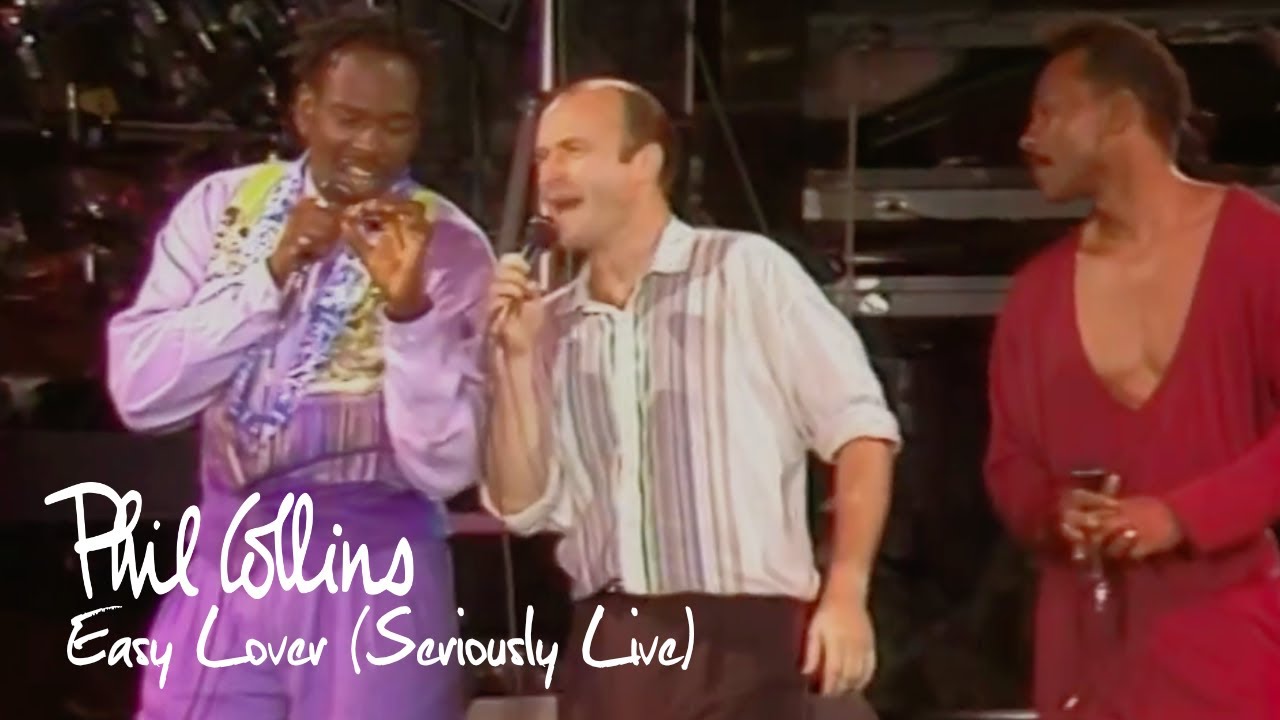
Over 40 years on from its release, Easy Lover remains a high energy composition, a seamless fusion of R&B, rock and dance that still sounds incredibly fresh. And it is a song whose infectious groove and top-notch songwriting quality still endear it to legions of listeners around the globe.
