


This whole idea of moving fast and breaking stuff gets a bad reputation these days but musicians have been doing it for the longest time and Oliver Ackermann can testify that it gets results.
He didn’t get where he is today without breaking some stuff. Ackermann fronts Brooklyn noise-rock trio A Place To Bury Strangers and is the founder of Death By Audio. And the demarcation between these two roles is beyond blurred. Each informs the other, and the breaking of stuff – rules, guitar amps, recording equipment, noise limits et cetera – has been a through line of his career so far.
It’s the ethos behind some of Death By Audio’s most out-there designs, and it came from being exposed to hardcore, shoegaze and noise-rock in the ‘90s that presented a new frontier of electric guitar tone to explore. Ackermann was hooked.
“When I got into noise music and extreme noise music, that just seemed like, ‘How can I deconstruct these instruments to create other new sounds?’” he says, joining MusicRadar from Death By Audio’s HQ in NYC. “That’s when I started tinkering and pulling apart amps, and trying to build my own guitars, and build microphones, recording equipment and all this stuff. Eventually, you start to figure that stuff out.”
This conversation was meant to be about A Place To Bury Strangers new album, Rare And Deadly, a compilation culled from unreleased tracks and rarities that never found their way onto an album, and so the trio decided to do something a little differently and release it but make the tracklisting different for each physical release. “There were too many songs to put on one record,” says Ackermann. “I really didn’t want to do some giant triple-disc thing. So we broke them apart into different bits.”
But like we said, the supremo of Death By Audio and frontman/guitarist of A Place To Bury Strangers is the same guy. There’s no changing in the phone booth. The sounds Ackermann cooks up on the breadboard are the sounds we hear on record. Though, as he explains, we should not get too hung up on the gear itself. Don’t get to precious about it. Much of it is interchangeable. All of it is just a tool, to be used, or misused if that’s the sound you’re looking for.
Rare And Deadly is technically speaking a compilation and no two editions of it are alike, with you switching up the tracklisting. Is there a case to be made that it’s actually a great introduction to A Place To Bury Strangers?
I think a lot of people were so concerned with what those rules were, and what were the laws of physics and all of this, to where they lost track of what their goal was, which was making sound
“Yeah, it's one of those things where it’s just the pure essence of all of these years of recordings and things that we’ve done. You’re constantly writing songs – at least that’s what I’m always doing.
“This is a collection of all that leftover stuff, but maybe it was never finished and polished further, and really taken to that point of being, like, ‘This message that we want to make.’ It’s a real raw snapshot of all of these years.”
Where do you get the time, Oliver? Are you making pedals by day, tracking at night? Do you ever have spare time?
“I don’t know! [Laughs] I’ve filled up my time with all of the sorts of things that I love to do. I’ll always be trying to start some random bands with friends and do all sorts of crazy things, and start companies, or other different art projects, and build furniture, all sorts of stupid stuff! [Laughs]
“One of those things that’s really fun to do is record music and write songs. I’ve just got more proficient over the years at being able to connect and express myself in songs, from start to finish.”
You were originally from Virginia. Did you have this romantic notion of New York before you arrived? A song like Out Of Place has got that sort of romance for a New York that doesn’t exist anymore – the NYC of Scorsese’s After Hours
“Yeah, for sure. It’s all chasing that romance of Where are these nights going to go? But we still go out and have fun and do crazy things here in New York. It’s just that it does seem more tame and not like those old movies in a way.
“I still think that there’s a seedy underbelly of neat, cool stuff that’s happening. I try to keep that stuff alive. Music is one of those great things that can take you to so many different places, where it’s like you drift off into a dream of your reality.”
You were a hardcore kid growing up. Who were your New York influences? Was the no wave movement big for you?
“Yeah, big time. When I feel like really fell in love with the music was around that transition, of transitioning out hardcore and punk, and that kind of stuff. I was really open to exploring all kinds of music.
“I lived in Providence, Rhode Island, and it was the time when there was a noise scene that was going on. That really opened up my eyes to all sorts of different stuff, and this lifestyle of just smashing things and doing whatever the hell we wanted, deconstructing music, and exploring what was up with these cities and these environments. I fell in love with that stuff, and that was why I moved to New York.
“It seemed like another city which was lawless, and you could do whatever you wanted. There’s still people here that remember that, and still try to embrace it, but it’s like all these people sort of had to start following the laws as they got older. That’s what I gravitated towards, the idea that there’s no rules. You build your house. You make your art – whatever it is – and share it with the community.”
That’s the thing with all these revolutionary cultural movements, like punk, they become kind of conservative in their own ways.
“I think people see money and they get comfortable, and then they like things like good food and stuff, and then they get complacent. Fuck all that shit, you know? Yeah, just push forward and consume some art [laughs].”
Who were your guitar tone heroes growing up?
“It was bands like My Bloody Valentine, Jesus and the Mary Chain, Slowdive, and that was at a time where I just had no really idea of what sounds they were making. That was just such a mystery and so interesting. Or bands like Curve.
“It was right at that time in the mid ‘90s, when you’d listen to this music and it sounded like someone could have been driving a car into a wall, or smashing something or cutting something with a chainsaw. Or the sound of whales, or space aliens shooting through the sky… I had no idea what that was, and that really intrigued me to be like, ‘How do these people make these sounds?’
“And then knowing that they were guitar bands it was like, ‘Oh well, what can you even do with this instrument!?’ Plugging it into an amplifier and cranking it all the way up, hearing the sounds and the feedback, it just made me think that maybe this was something that I could do. They were not necessarily playing complicated songs or anything. It was all just about these atmospheres and soundscapes, and so I chased all of that stuff down.”

The only rules you really have to follow are the rules of physics, which way the electrons are flowing.
“I think a lot of people were so concerned with what those rules were, and the laws of physics, they lost track of what their goal was, which was making sound. I always came at this stuff from the perspective of a musician. So when when you’re trying to design a circuit, I’m always thinking, ‘Well, what else can this do? What other things can we do to break this?’
“Sometimes you’ll see people on forums and they’re like, ‘Oh, you can’t do that.’ Then you do it and you’re like, ‘Wow! This sounds even cooler than it did before.’ And maybe there’s some sort of issue with it where it’s gonna blow up, or burn up, or create sounds that could blow up your amp, but as a musician, you can use these sounds and create more interesting sounds.
“That seemed like where my interests were, creating pedals that would totally deconstruct music and sound waves, yet be like an interactive way in which someone could be there, on the lever, pushing it over, and destroying their own music. It’s beautiful.’”
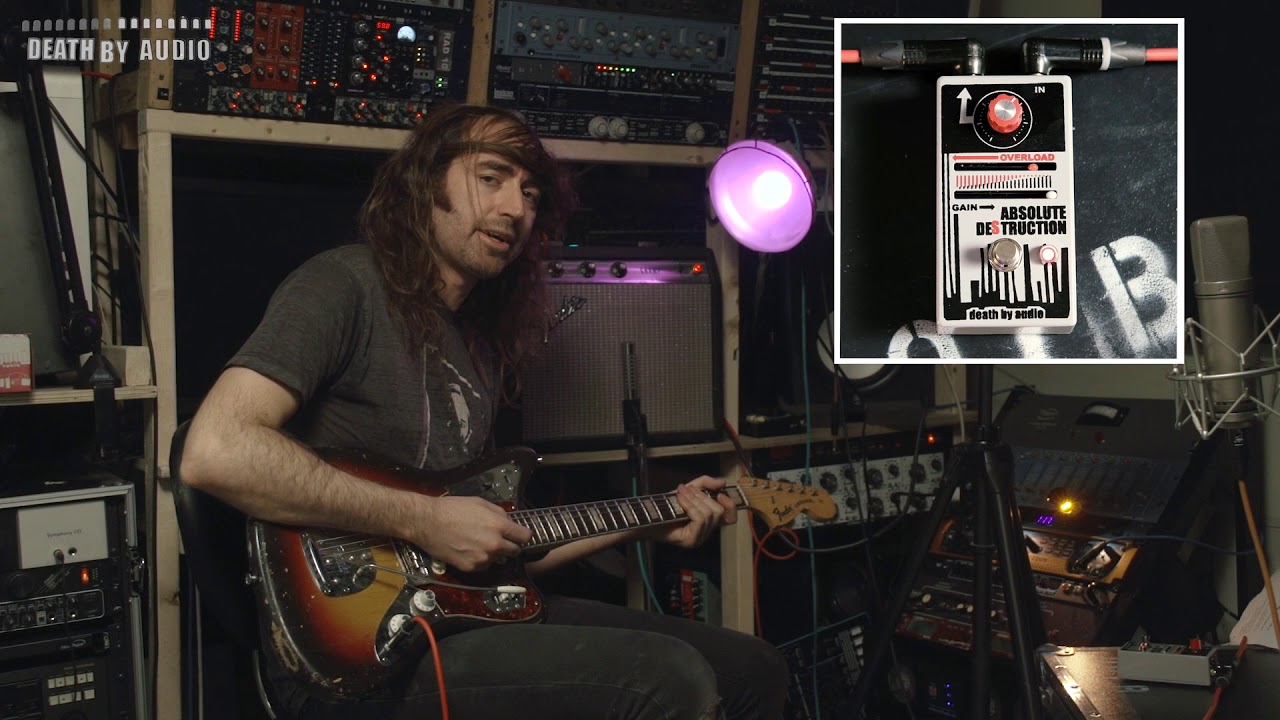
There is a beauty in destruction. Everyone loves an explosion. Is there anything from the early days of designing pedals that you would love to bring back, or something that you have forgotten the schematic for?
“There is always those things. I will always look back on that stuff. There’s this pedal that I use right now all the time, Armageddon. It was the prototype, super-big distortion pedal, and it’s got all these circuit boards inside that are all glued together with wires and tape and stuff, and I’m constantly changing the parts out and glueing it back together, but it's so mangled on the inside it’s too hard to tell what is going on… [Laughs]”
You’ve glooped your own pedal!
“Yeah, I think it’s something that will rebuild again, but it always just seemed out of range because some of these circuits were so complicated and so complex, and everything was built all point-to-point.
“Now we can do things with easier processes, building on machines, and so you could do way more complicated circuits, way easier. We didn’t have the ability to share these things that you would spend a month building that [now] some machine can spit out all the transistors and resistors and everything in seconds. Welcome to the future.”
Meeting Richard Fortus was important for you as a builder. He was a real early champion of your pedals. But so too was Lou Reed.
“Lou Reed, totally! I had no idea. Many people were like, ‘Lou Reed told me to get this!’ And I was like, ‘Holy shit! That’s fucking nuts.”
What is it that Lou Reed uses? You should put that on the box.
“I don’t know! Yeah, I should definitely have that on the box. Definitely.”
Are there any of your pedals that are pretty misunderstood?
“Yeah, I mean, that stuff happens kind of all the time, but also there’s pedals that we have that I don’t even understand why anybody likes them. Sometimes they’re so insane, and you hear people like, ‘That’s my sound!’ And they use it on everything. And you’re like ‘Wooft! ...not a good idea.’ But it’s all subjective.”

There are no bad tones.
“You see some dope band who play some terrible pedal all the time and that’s their sound, and that can be awesome. Things that are useful for me are not necessarily for other people.”
When I play a show, I’ll have my hands on the amps, dials on everything that you could possibly control
Exactly. And it’s so dependent on people’s rig and how they’re using it. A lot of this tone-seeking involves being at one with volume.
“Totally! And some people aren’t with that. When I play a show, I’ll have my hands on the amps, dials on everything that you could possibly control, and whatever you can do in the space. Move your amplifiers around. Take the vocal microphone and put it on the kick drum, or whatever.
“You have this chance – in this space – to mould these things and do whatever you possibly can. You need to be able to adapt your sound. Your pedals are gonna sound different in some other place, and it’s important to know how to use them, to know how to create the sounds that you want – go for it and figure that stuff out.”
Was the Echo Master vocal effect a success for Death By Audio?
“It’s freaking insane. It’s so popular. It’s so nuts. My buddy has this music festival in New York where it’s like 300 bands, 400 bands, and I saw so many shows and, seriously, more than half of the people were using that pedal. It’s just so easy to use. It just sounds so good. You could instantly sound like Suicide and that’s fucking awesome.”
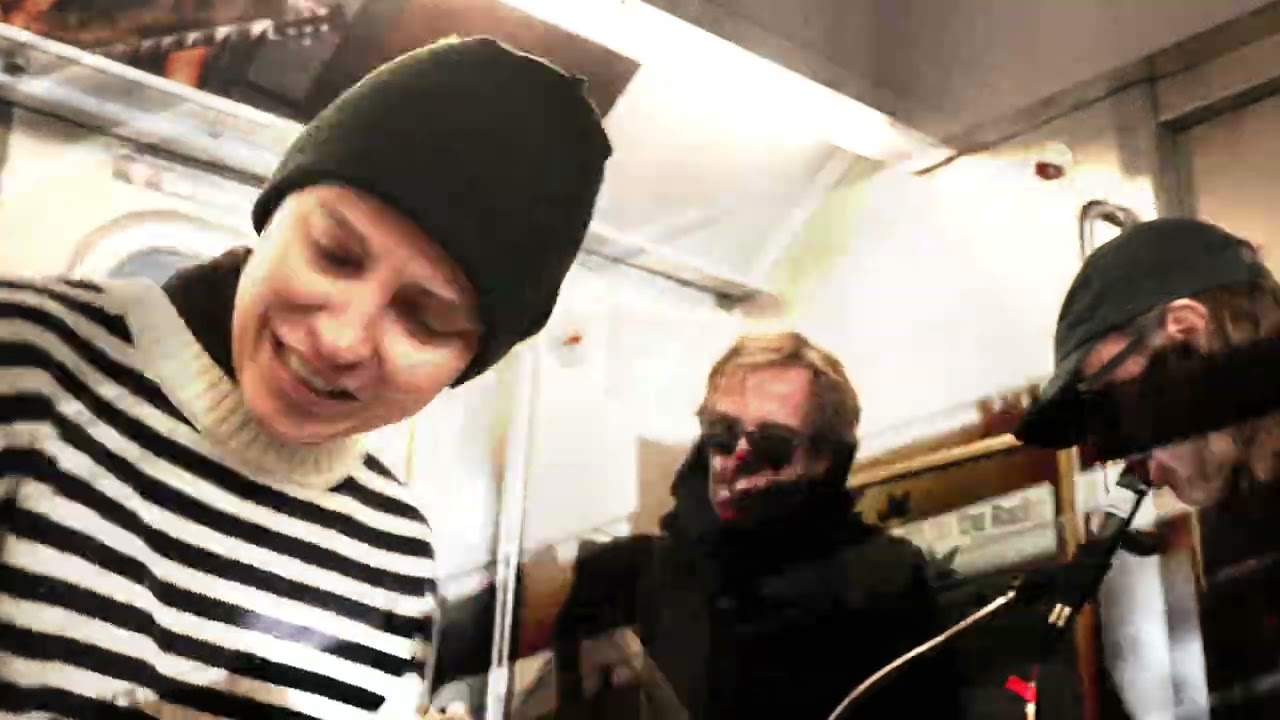
The Echo Master made me think of Deicide’s debut album in which Glenn Benton stated no effects were used on the vocals. There are so many death metal vocalists who’d love this thing!
“Dude, totally! So many people. I was always surprised playing with hardcore bands and seeing all those vocalists playing through all those pedals and all those racks and stuff, and getting like the octave-down vocals. I was like, ‘Oh, that’s cool.'
“I thought it was just some dude without his T-shirt on, running around, yelling into a microphone, but he’s all super-processed and doing all this crazy vocal distortion shit. That made me see that more people could do it themselves and make that sound.”
I want pedals that you can turn on and it sounds different – you can instantly hear what the hell is happening, and so the artists can use that to have those moments where things jump out
That’s what makes Death By Audio so exciting. Your pedals are not for polite company. If I am looking for some tidy reverb pedal to do a job and be out of the way, I’m not going to buy it from you.
“Yeah, I think that that’s important. I don’t feel like there are people who are doing this stuff and totally into pushing those boundaries, and doing something kind of dangerous.
“That was the music that I fell in love with, people who were spitting into the crowd, and doing something fucked up, and you felt sick from eating acid or whatever. Those nights and that insanity, and that stuff was what was thrilling and exciting about music – especially at a live concert.
“I want pedals that you can turn on and it sounds different – you can instantly hear what the hell is happening, and so the artists can use that to have those moments where things jump out all of a sudden, that it increased the dynamics in their show and gave them something that they can paint with, create their own sound, and have it be different.”
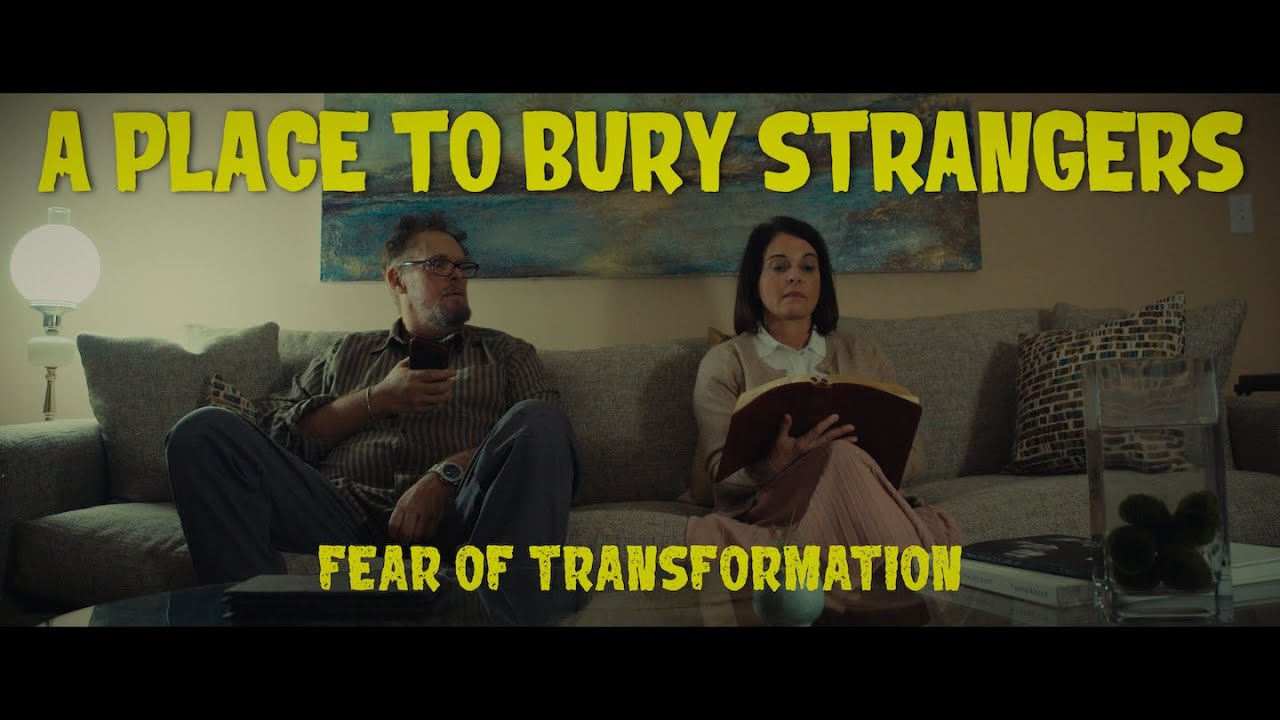
And in concert, it can be different from one moment to the next. The show is where we can create those experiences and memories and reintroduce the danger in sound.
“Yeah, at least right now that stuff is so interesting and live music is just so great to go to. When you go see a band and there’s someone sweating onstage and they’re barely making it happen, and they’re hanging on for dear life, it’s bliss. It’s just awesome.”
- Rare And Deadly is out now via Dedstrange
- Find out more about Ackermann's pedal designs at Death By Audio.
