


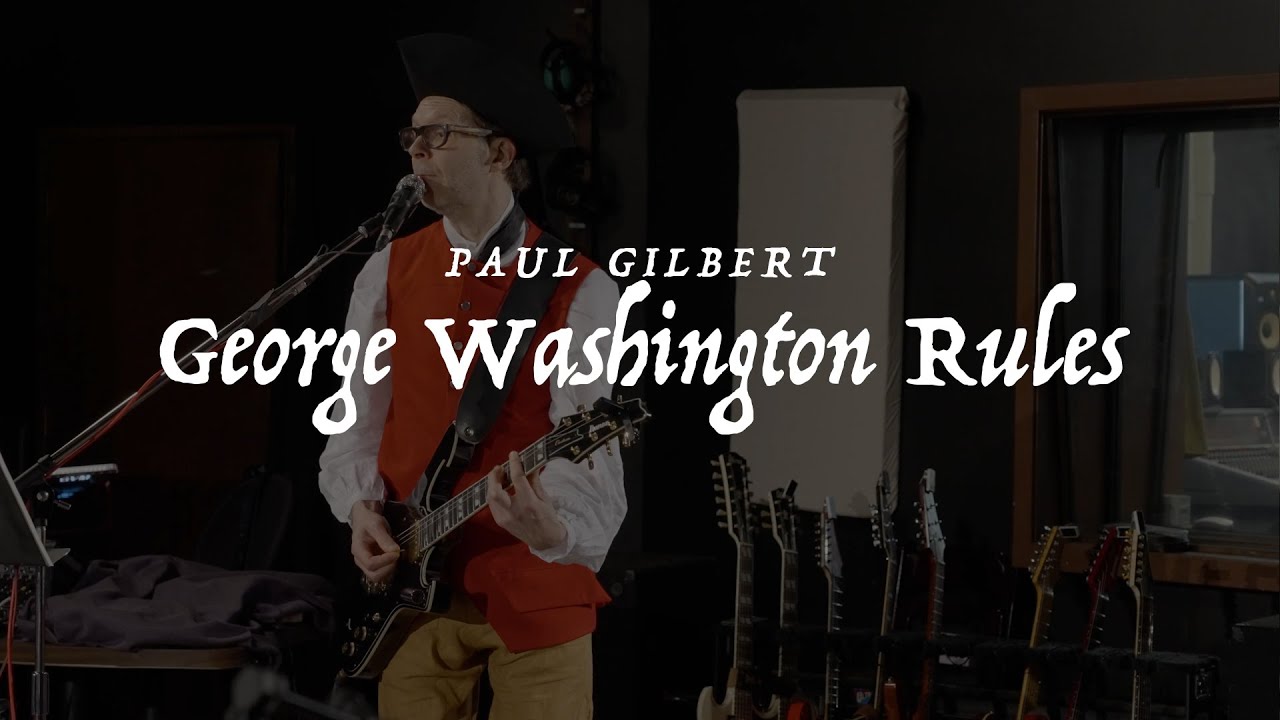
It has been a while since Paul Gilbert last sang lead vocals on one of his solo albums. Ten long years, to be exact. He was a little out of practice when it came to writing lyrics, and so he did what anyone, really, would do in such a situation, and sought out the help of George Washington, the first President of the United States.
Washington’s Rules Of Civility And Decent Behavior In Company And Conversation is an 18th-century work containing over hundred rules for etiquette in public, more than enough for Gilbert to work with.
Washington’s pearls of wisdom caution against spitting into an open fire or using your bread to mop up all of the sauce in your dinner plate into rock songs, and were the perfect medium for Gilbert’s appetite for hard-shredding electric guitar and FM rock radio-friendly melodies to achieve a cordial equilibrium.
“When I first read the rules, all AI aside, my experience with them was, at first, I was very optimistic,” he says, joining MusicRadar from his home studio over Zoom. “I thought, ‘Oh, I’m a civil person. I’m going to follow these.’ And I started reading and I was like, ‘Well, not that one… No, I don’t think I could do that’, and it just made me laugh because I was much less civil than I thought I was.”
Gilbert likens Washington to his own Bernie Taupin but there’s something more Dadaistic and radical about this exercise, something more meta. Washington copied them from an etiquette guide written by 16th-century Jesuit priests. Gilbert was adapting a copy.
With too much text to work with he sought the help of an LLM, and it hallucinated rules of his own, to which Gilbert had already written music for. And yet he carried on. WROC (i.e Washington’s Rules Of Civility) was going to have a surrealist feel, why not have some cosmic digital happenstance have an authorial role? At least it freed Gilbert from the tyranny of the blank page.
“Well, it’s nice to have something more defined to start with, because the blank page could be crippling; you start putting expectations in yourself, ‘Okay, I’ve got to compete with Bach and Beethoven, and Mozart and the Beatles! …and every great songwriter in the world,” he says. “Somehow, when you narrow it down to, ‘Okay, well, let me flip through and find a lyric that looks interesting – ‘Let your discourse with men of business be short and comprehensive’ – mess with that a little bit and turn it into a song! It’s nice to have a job that’s been limited down, so it’s manageable.”
Maybe they did something similar in the coffeehouses of Vienna, or in Studio 2 at EMI Studio’s, London.
“Well, I suspect that Bach and Beethoven, Mozart and the Beatles had their own way of doing that as well,” laughs Gilbert. “If it was Mozart, ‘I’ve gotta have something a king can dance to. And he only likes waltzes!”
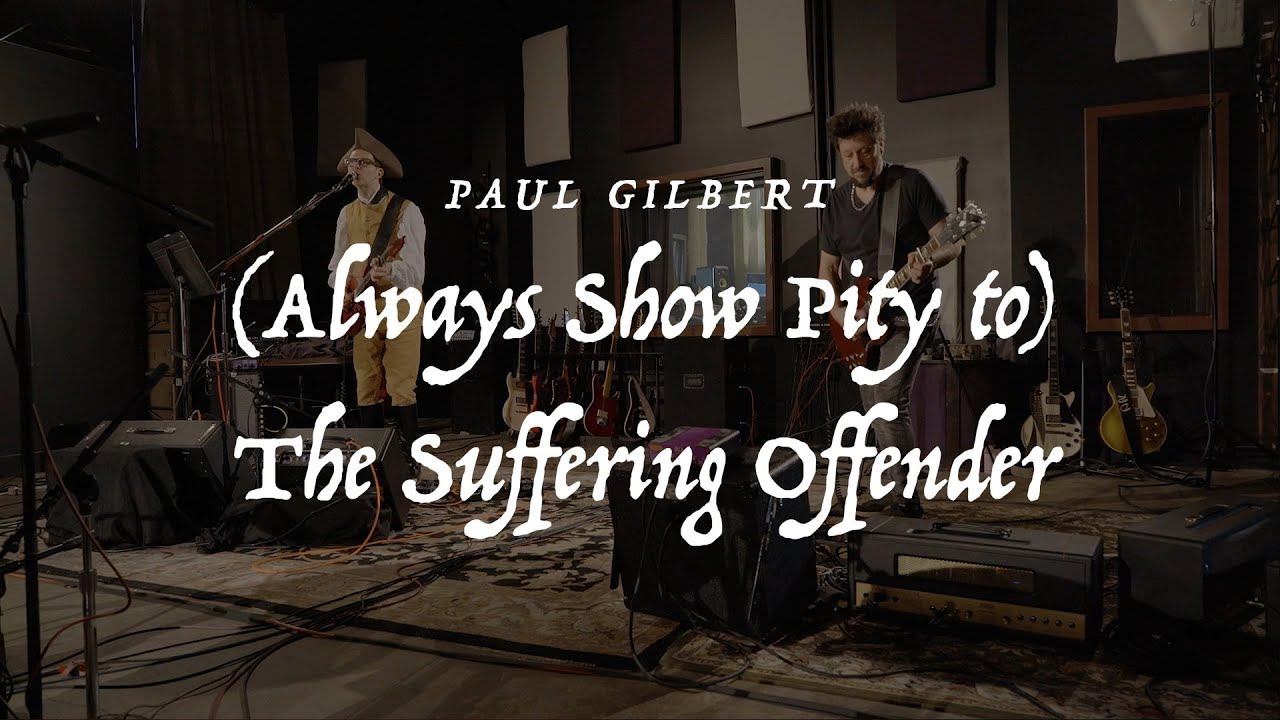
And the best thing about George Washington as a cowriter is you don’t have to pay him royalties
“I’ll do Ben Franklin’s Almanac next.”
Okay, we have to ask you about your accident with Claude. How did you accidentally use AI in this and did that give you an ethical issue of what do do with that idea?
I’ll do Ben Franklin’s Almanac next
“My relationship with Claude, the AI, just began with curiosity. You know, you hear people talking about AI, like, ‘What is it!? What does it do?’ So I tried one, and found myself really enjoying having conversations, mainly because I could have conversations without any fear – if I went too far, I’m not going to offend a person.
“It’s like I can really rant, or try ideas out that I probably would hesitate to do with a person. And then often I’ll come back and go, ‘Okay, well, that really was a bad idea, but at least I know.’ And so that was the first step.
Then the other thing was I believed, I had a sense, that Claude was giving me the correct information. But it wasn’t all the time. Sometimes it was, but it was half and half. So a couple of the lyrics turned out to be Claude-generated and weren’t actually from the book.”
And you already started writing to them?
I thought, ‘Okay, I like the music. The lyrics are still in the spirit of what I’m going for, and so I’ll go for it. And at the same time, I’ll put the blame and the credit to Claude’
“I had already written songs around them, and I really liked the songs, and that made me stop, like, I thought, ‘Oh, man, I love the song that I wrote, but it’s not a real Washington lyric.’ But it had fooled me enough, where it was obviously in the spirit of the other stuff, and I I could see where it pulled it from. It just sort of stirred them up.
“When I say it invented a new one, in a way, it wasn’t a total invention from nothing. It was just taking some things that were in this and sort of stirring them into a new soup, and it was a good soup, so, I thought, ‘Okay, I like the music. The lyrics are still in the spirit of what I’m going for, and so I’ll go for it. And at the same time, I’ll put the blame and the credit to Claude.’”

However you arrive at it, the music in this just sounds so free. Like, take Show Yourself Not Glad (At The Misfortune Of Others) – you’ll get a lot of people shouting for that at gigs – it starts punk, then goes, well, lounge prog. How do you stick these ideas together?
I grew up playing metal and listening to it. But if a melody leads me to play a couple major seventh chords, a whole step apart like Joni Mitchell used to do, I’m still gonna do it
“Well, I made a a rule for myself, which is to trust the melody. I start with the lyric, and then if I got a melody out of it, pretty soon, I’d just go, ‘Follow that melody. Don’t give up on it.’ And sometimes that melody would lead me to something.
“I love it when the melody leads me to something unexpected. That’s the best thing, to have it take me somewhere where I wouldn’t have normally gone. That’s the best thing in the world. I think that the thing that I come up against is I’m aware that I have an audience. I mean, that’s nice thing to have, people that I know are interested in what I do, and I know that it’s mostly guitar players. And they tend to be like, you know, on the heavy metal side of things – I love that stuff.
“I grew up playing metal and listening to it. But if a melody leads me to play a couple major seventh chords, a whole step apart like Joni Mitchell used to do, I’m still gonna do it, because that’s where the melody took me.
“There were those occasional spots where I think, like, ‘I don’t know if the metal people are gonna like this one.’ But you know what? Sabbath Bloody Sabbath, major seventh chord in the bridge, so Tony Iommi put one in there. That gives me license.”
Yeah, but you’ve programmed your own audience to a degree too. You are your own genre. Maintain A Sweet And Cheerful Countenance starts off like a Rush song then the verses feel like Zappa. Are you conscious of when you’re shifting styles like that?
“Usually the thing that I am paying the most attention to is repetition, which I think is really important to teach the listener of the song. That’s one of the best things about a song, repetition.
‘She loves you, yeah, yeah, yeah / She loves you, yeah, yeah, yeah.’ And then after the chorus, you remember it. But then if you do too much repetition, it becomes monotonous or boring, so I’m always keeping an eye on the right amount of repetition and when it needs to veer off or surprise the listener with something unexpected at just the right time. And then, what should that surprise be?”
Sure, and that’s when you can shift gears and engineer that sense of surprise.
“There’s all sorts of different ways. You can have the melody itself can go somewhere. The chords beneath it can do something you didn’t expect. The rhythm can suddenly drop to halftime or go to a different tempo. The dynamics can change.
“Hopefully, my instincts will tell me, but if they don’t, I’ll make that checklist and just try stuff, you know, go, ‘Okay, well, let’s try halftime!’ Then my instincts will always give me the answer if that’s the way to go or not. But that’s the thing, and different people have different tastes in that regard.”
There are all kinds of ways to do that.
“I’m always blown away when I listen to a band like Pink Floyd, because they do this superbly. They’re able to play the same two chords over and over again for a really long time, and it’s fine, it works.
“Somehow, if I do that, I feel like I got to throw something else in there. I’m in a hurry or something. And it’s almost like how an elephant has a very slow heartbeat, and a mouse has a fast one – and I’ve got the mouse heartbeat. [Laughs] ‘I’ve got to change it. Bring in the surprise!’”

Do you think it is because, a lot of the time, you are working as a solo artist, so in a sense you might feel like you want to fill the space?
“Well, I try to be aware of my own habits, both good and bad. And so if I find myself getting too dense, I’ll try to, you know, slow down the rate of change a little bit.
“The song that comes to mind is Orderly And distinctly. The solo is almost like something the Edge from U2 would do, just basically playing a three-note melody over and over again. And then there is a little bit in the end where I play the vocal line on guitar – but the majority is almost like it’s just a riff.
“That one, to me, it was perfect for the song, and it’s not a shred thing, and it’s not a prog thing. It is just, like, this melody fits here. To me, that is actually a courageous thing to do, to not go crazy all the time, and rely on the fact that it works for the song – and not have to prove yourself every single second.”
Like you said earlier, that comes from having an audience in which there are a lot of guitar players.
“It was funny, I did a camp once with Joe Satriani and, I can’t remember exactly how he worded it but he said something like, ‘Every time I do an album, I feel like the first song I have to prove that I can play guitar.’ And he said, ‘I don't like that. I wish I wish I could let that go.’ But I said, ‘It’s really hard.’ I thought, ‘I know exactly what you mean.’
Oscar Peterson is just so… Not least, speed and accuracy, but improvisational depths, and plans for all the chord changes. Like, how can a human being get that advanced on an instrument?
“There’s like this athletic element where you want to prove that you can still swim – like you’re Michael Phelps, ‘I can still swim just as fast as I did when I was 22!’ Fortunately, an album’s a long thing, so you can squeeze all those elements in there. But that’s a hard thing to resist. And obviously there are a lot of places where I didn’t resist and went crazy.”
Is that unique to guitar players? I wonder if jazz trumpeters or whatever have that same feeling.
“I don’t know. That’s a good question. I mean, when you mentioned other instruments, like, when I think of shredders that I love, Oscar Peterson comes to mind, the jazz piano player. And when I listen to Oscar Peterson, I almost want to give up. Because it’s if this is a competition I’m gonna lose every time. I’m not even close!
“Oscar Peterson is just so… Not least, speed and accuracy, but improvisational depths, and plans for all the chord changes. Every element of it is so… I mean, it almost seems inhuman, at least from my standpoint when I listen to it.
“Like, how can a human being get that advanced on an instrument? It’s just crazy? But at the same time I like to listen to him, which is not always the case. Sometimes you listen to somebody who’s just going wild, it’s a bit much. It’s like, ‘Yeah, that’s impressive. If I was your mom, I’d be proud of you. But I’m not going to put that on and tidy up my studio with that on in the background!’ [Laughs]”

Make the surprise a surprise worth having.
“A metaphor I always use is food. People came like, ‘Oh, have you heard of this restaurant? They’ve got the best cheeseburger.’ And then you go there and they’re like, ‘Oh, we don’t have those tonight. It’s just lobster.’
“And I’m like, “Well I was in the mood for a cheeseburger, but I guess I'll try it…’ The lobster better be good, ‘cos they're not in the mood for that. They didn’t come for that. And so hopefully I’ve worked on my melodies enough now where they they’re starting to be on the level with the faster stuff.”
Did you ever get your yellow Ibanez prototype that got stolen some time back?
“No, those are still floating around out there somewhere. But Ibanez, I was thinking about whether I should have them replace it, and I thought, well, I’ve had that one, so let’s make a similar one. I had them make it bright, bright pink.
“I was just thinking about the old Racer-X days and I hadn’t had a pink guitar in a while. It’s so intense. I get kind of worn out in my eyes. [Laughs] I can only play it for a limited amount of time, or I just close my eyes. It’s really intense.”
Before you go, your vocals are brilliant. Did you enjoy singing again, doing a vocal record?
“Oh, I had a wonderful time. I’d kind of warmed up ‘cos I was singing a lot of the Mr Big tour. Since they are my songs, I can tailor them to my voice. I get some high notes, high, screaming notes in there, but not all the time because I can’t make it through a whole record of high screaming. ”
And maybe tailor the guitar parts underneath as well, because if you are going to be performing it you don’t want to create something that is going to give you a nervous breakdown onstage.
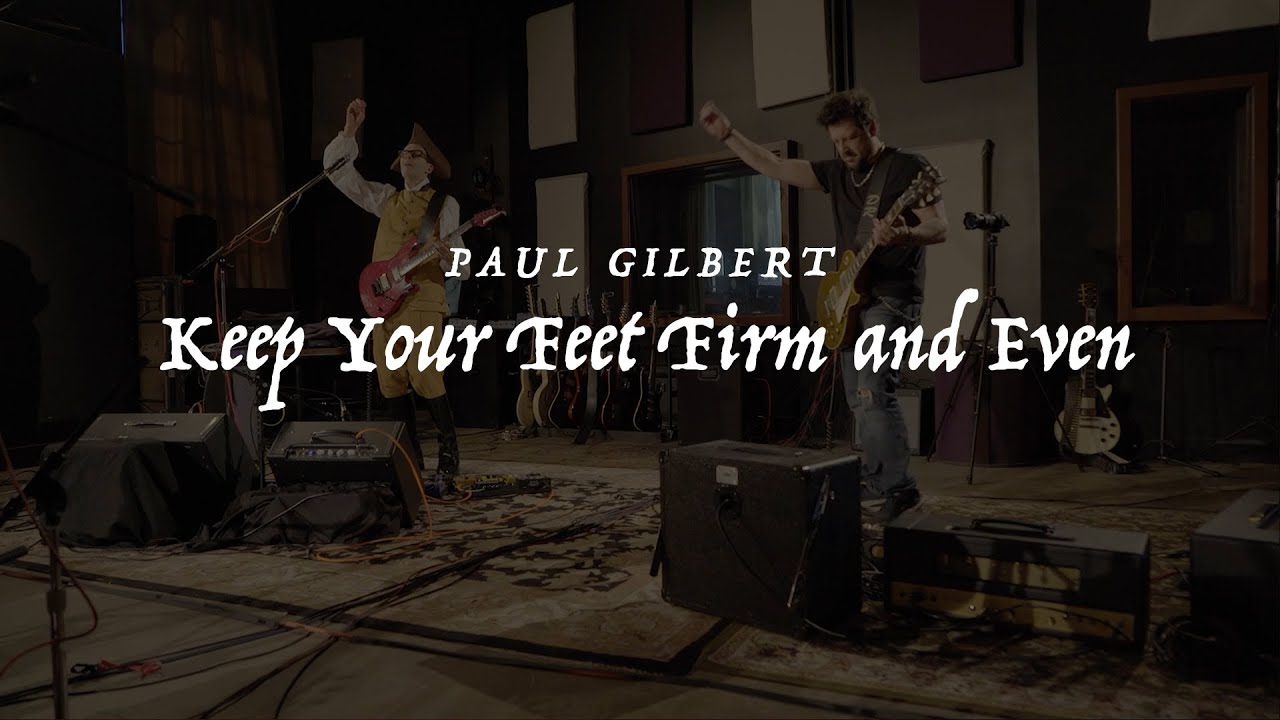
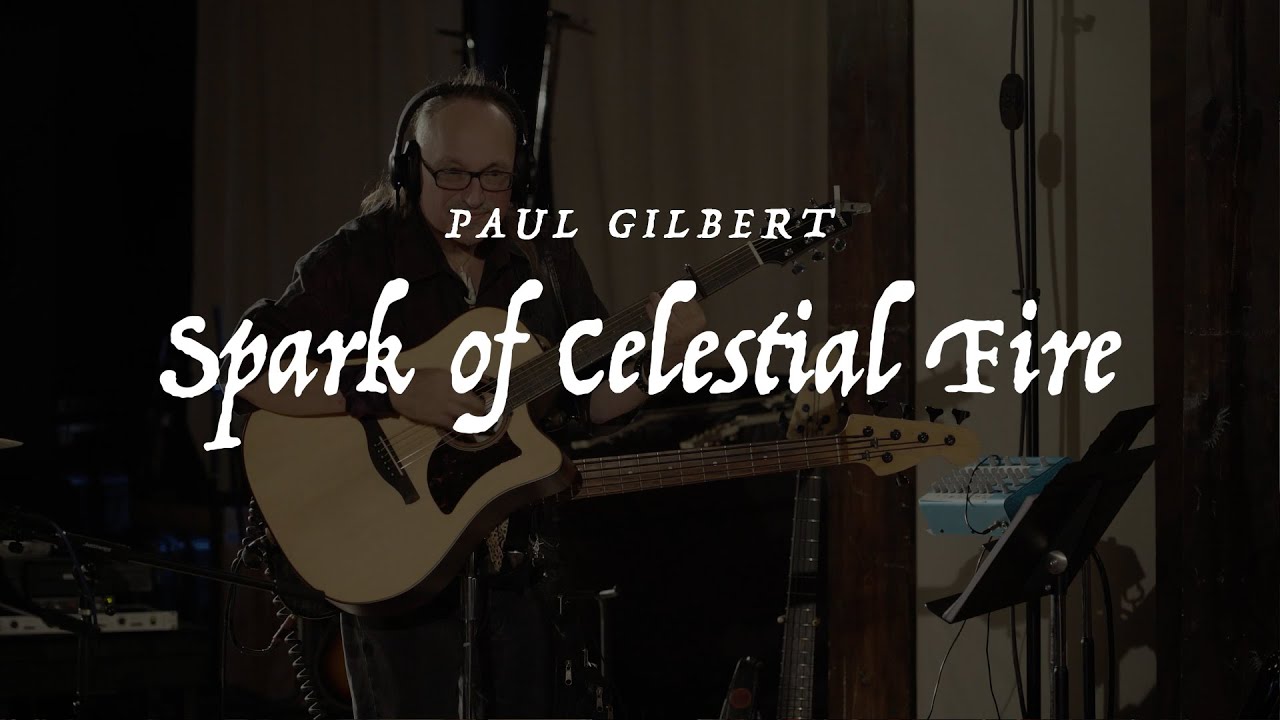
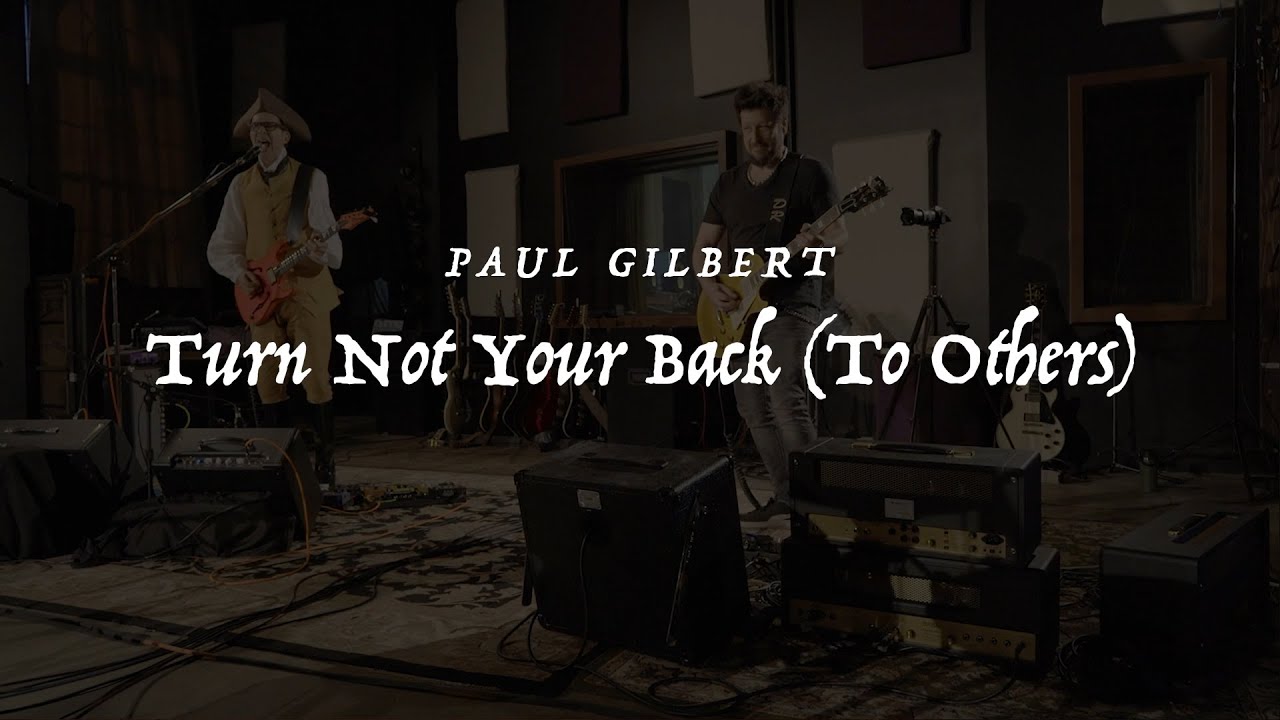
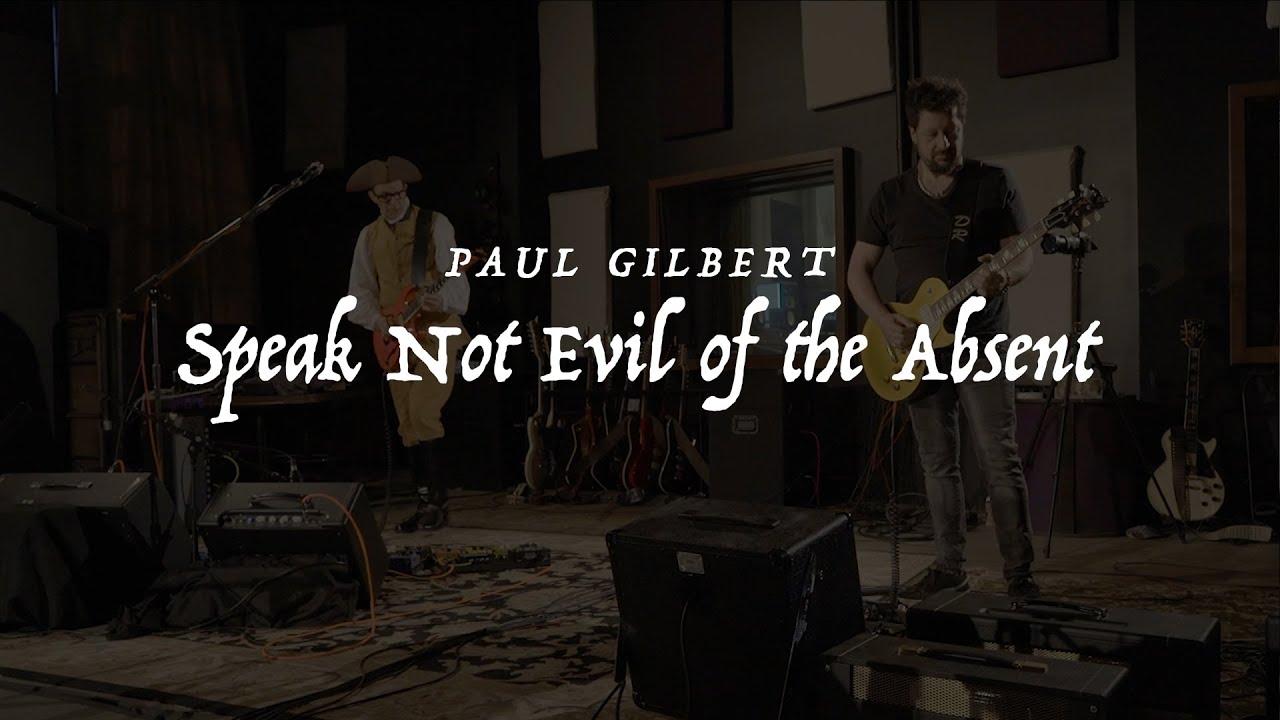
“Well, yeah. [Laughs] I’ve definitely done that before! But that’s the thing, we did it live in the studio. I’m so proud. We shot everything, like, all the songs – the actual session is the video. We’re not miming it. I did go back and re-sing a lot of it because I knew if I had more chances I could get it more in tune. But, all the solos, that’s the real solo.”
Where there any other overdubs?
“The harmonies. And there is a lot of harmonies on the record. I had so much fun working those out. I hope that the chord changes roll by smoothly to the ear, but in terms of like music theory, there is a lot of modulations and key changes within a melody, and so when you come with the harmony, they have to follow that.
“Sometimes the harmonies would just be crazy – the one that it would end up working if you listen to it by yourself, it's like, ‘That’s the harmony!?’ But you put it together and it is perfect.”
- WROC is out now via Music Theories
- “To me, it was like being asked to tour with the Beatles”: Paul Gilbert on why he turned down the gig of a lifetime.
