


To accurately describe Zakk Wylde’s playing style, his electric guitar tone, his ability to impress his Beyond Thunderdome berserker persona upon the instrument, you occasionally have appropriate the language of the cryptozoological.
It’s like he belongs to a different taxonomy from the rest of us, from somewheres mythical. And yet sitting here in a hotel bar on Denmark Street, London, at the epicentre of the city’s guitar culture, he is reassuringly human, flesh and blood, who like the rest of us runs on caffeine judging by the size of the espresso he is nursing.
Wylde is in town to talk about Engines Of Demolition, the long-awaited new LP from Black Label Society, which is once more a showcase for his hydrocarbon metal guitar sound, a sound he says is a product of everything he has listened to, of core inspirations such as Tony Iommi and country guitar icon Albert Lee, and those out-there players such as John McLaughlin and Frank Marino, technicians of sublime vision who took the instrument one step beyond.
And yet it has to be the product of something deeper than that; Wylde has had a crazy last four years. Much of it has been spent paying tribute to the late Dimebag Darrel and his brother, Vinnie Paul, in the Pantera reunion/celebration tour that finds frontman Phil Anselmo and bass guitar player Rex Brown joined by Wylde on guitar, Anthrax’s Charlie Benante on drums.
Night after night, he’s playing Dimebag’s riffs. Any downtime he had, he was writing his own, sketching out tracks for when he got back home.
“My whole thing is just writing and writing and writing,” he says, saying he started writing this record just before Pantera rehearsals. “From then to us sitting right now, that’s already over four years! But it went by like that. [clicks fingers]. Usually, when Black Label would do it, it was just one implosion of ideas, and we record it, mix it, and ship it out.”
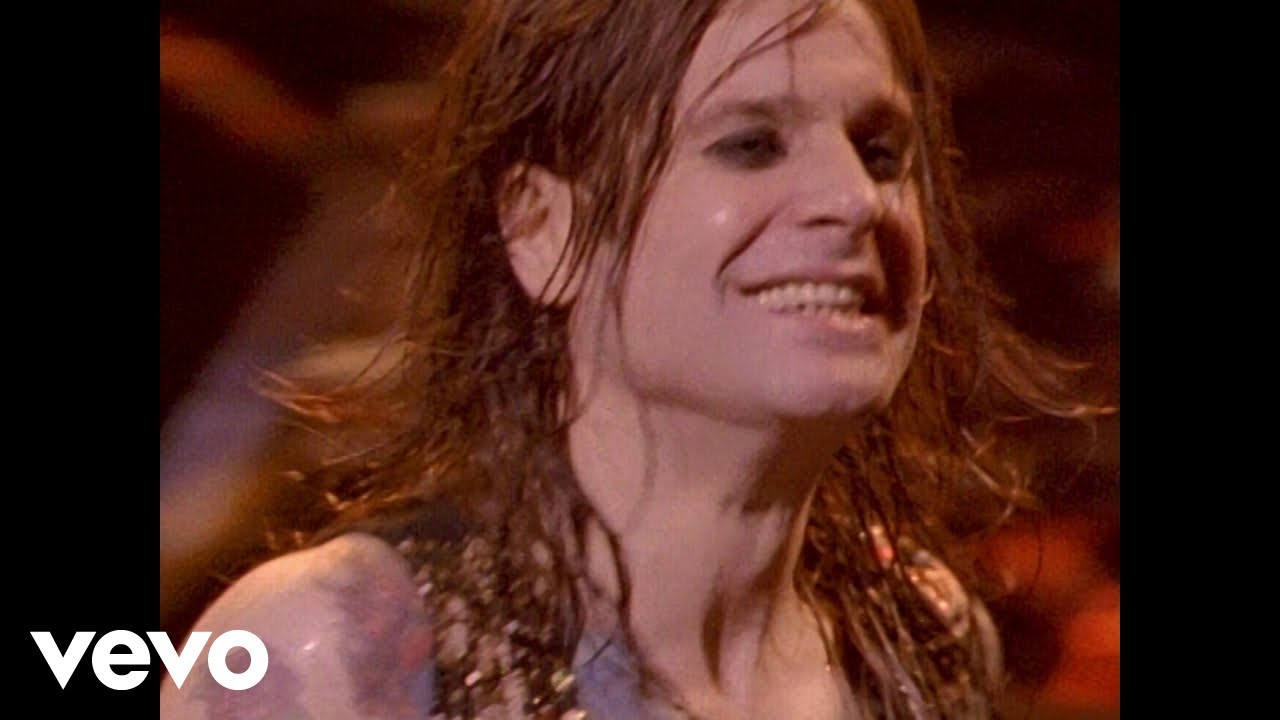
Then there has been the emotional weight of losing his mentor. Wylde’s career will be inextricably linked to the late Ozzy Osbourne’s. It was with Ozzy he became a star, with whom he got to perform with one last time at last year’s epic Black Sabbath farewell show at Villa Park, Back To The Beginning. Shortly after, Ozzy would pass away, and once Wylde got back home to gather his thoughts he found he had one last song to write, for Ozzy.
Here he explains how that tribute came together, why he had to bring the Grail out of retirement to record it, and why music is all about the sharing of inspirations and carrying the torch for the next generation.
Whatever music it is you love, that’s what you should be playing.’ It’s like why would you eat food you don't enjoy? I mean, unless me and you were on a diet ‘cos we work at Chippendales and we gotta be sexy
So much life has passed in those four years. With Ozzy passing, celebrating Dimebag and Vinnie, was there an extra emotional dynamic going into this record?
“No, its like I always tell people that are like, ‘Hey, Zakk, you got any advice for my son or my daughter? They’re an aspiring musician.’ I go, ‘Yeah, whatever music it is you love, that’s what you should be playing.’ It’s like why would you eat food you don't enjoy? I mean, unless me and you were on a diet ‘cos we work at Chippendales and we gotta be sexy. [Laughs] So we got we got to maintain a six-pack of abs at all times.
“But I mean, enjoy your life. You have to play music that moves you. If you love Led Zeppelin, and you love Black Sabbath, and you love the Stones, and you love all that stuff – you love Elton John and you love the Eagles – I mean, all the bands I’m mentioning, are the bands that move me. And when I hear it, I go, ‘Wow, this is magic. This is amazing.’”
Well I’m glad you mention the Stones because how you open this record, with Name In Blood, that little intro motif has a wee bit of Gimme Shelter going on.
“Oh, with the intro? Totally, then when the band kicks in and stuff like that, yeah!”
It’s a reminder that this is a rock ’n’ roll record.
“Totally! Without a doubt. It’s just like when you listen to Keith Richards, his love for Chuck Berry, and that’s what moved him. And it’s him with all that love of Chuck Berry is coming out in his songwriting, and that is what inspires him. That’s a beacon of light – and that’s what'll guide you, man. So, yeah, I just think you have to play what you love and what moves you.
“Whatever trends are in or what’s popular, if you’re inspired by it, like, the Stones doing Miss You – disco was real big at the time – but Mick was like, ‘I love this stuff!’ There’s nothing wrong with that. If you’re inspired by something, and then you’re like, ‘I love it!’ You should do something like this. But if you’re only chasing it because you want to fit in, or think this is what’s popular...
“I mean, you look at AC/DC throughout all those years, whatever was popular, it didn’t even matter. They would just plow through plow through mountains – and it didn’t even matter. It’s like, ‘Are you guys aware of what’s going on around you?’ And they’re like, ‘No, we don’t need to know what’s going on around this. This is what we like, and this is what we're gonna do.’ It’s Like McDonald’s. We make the Big Mac and we make fries and we don’t care about doing sushi, you know what I mean!?”

Playing Dimebag’s riffs night after night, did any of his style rub off on you, in how you phrased things, or did it directly inspire you at all?
“I think what’s on the record is Dime’s enthusiasm and his energy, and his life force, because every night when you’re playing those songs, it’s Dime’s infectious energy that is in those songs. When he’d walk in a room, you could not notice it; you’d feel his life force when he walks into the room, and his light. But yeah, I think that’s in the writing. His energy is within the album.”
You shared so many influences shared that appreciation of groove. You guys were some of the first players to play country licks in a metal jam.
“Yeah, totally. I mean, it’s just like with Dime, a love of Eddie Van Halen, Randy Rhoads, and everything. It’s their energy they brought to the guitar playing.”
Albert Lee was such a huge influence in you when you were growing up.
“Totally, chicken pickin’ and stuff like that.”

Do you think it’s valuable for young metal guitar players to listen widely to other styles and try and find different things that inspire them, and bring that into metal? It helps them develop a style that’s their own.
The solo I play in Better Days & Wiser Times, that’s a David Lindley thing
“Without a doubt. The solo I play in Better Days & Wiser Times, that’s a David Lindley thing, like when you listen to David Lindley on all the Jackson Browne stuff, him doing the lap steel and playing pedal steel.
“When I was playing guitar, I’m not bending the notes, I’m just using a whammy bar, but it’s in a way of a David Lindley-type voicing, like a Running On Empty kind of thing. So, all the beautiful stuff that David Lindley does on the lap steel and anything like that, that’s an influence, too, because I’m like, ‘Oh, man, it’ll be cool to put something like this here. Not a ripping thing.
“It’s more of a melodic thing, like a singing kind of thing, and that’s how I approach it. That's why I’m not bending notes, ‘cos on a lap steel you can’t bend the notes unless you got the foot pedal. Everything you digest goes into your DNA.”

And these influences get passed on and passed on. Some young kid might check out David Lindley because you’ve mentioned him and then take something completely different from it.
“That’s the beautiful thing about life. Everybody, we all inspire each other. You should be a beacon of light for everybody, like Elvis was a beacon of light for Jimmy Page, and then Jimmy Page became a beacon of light to millions of other guitar players. But it was Elvis who was the spark for him, and then he passed it on, then whoever’s passing it on from there…
“It’s like how the Shadows inspired Tony Iommi, Tony Iommi inspired Dimebag, and now all these kids, 14-year-old kids, are being inspired by Dimebag. If you look at the lineage of where it went, it all started back with the Shadows, and Barney Kessel and all the guys that Tony Iommi liked.”

And if you take one of those players out, music is not the same, because it’s all filtered through these references and inspirations. Who influences you from an acoustic guitar point of view.
“It’s my love for Neil Young, Heart Of Gold, then the Stones’ Wild Horses. Obviously, Elton John, the Band, the Eagles.”
I always double-track the rhythms. And then for the clean stuff, I would just turn the amp down, turn the pedals off, and that’s your clean tone
What acoustic were you playing on the record. It’s got a really sweet tone.
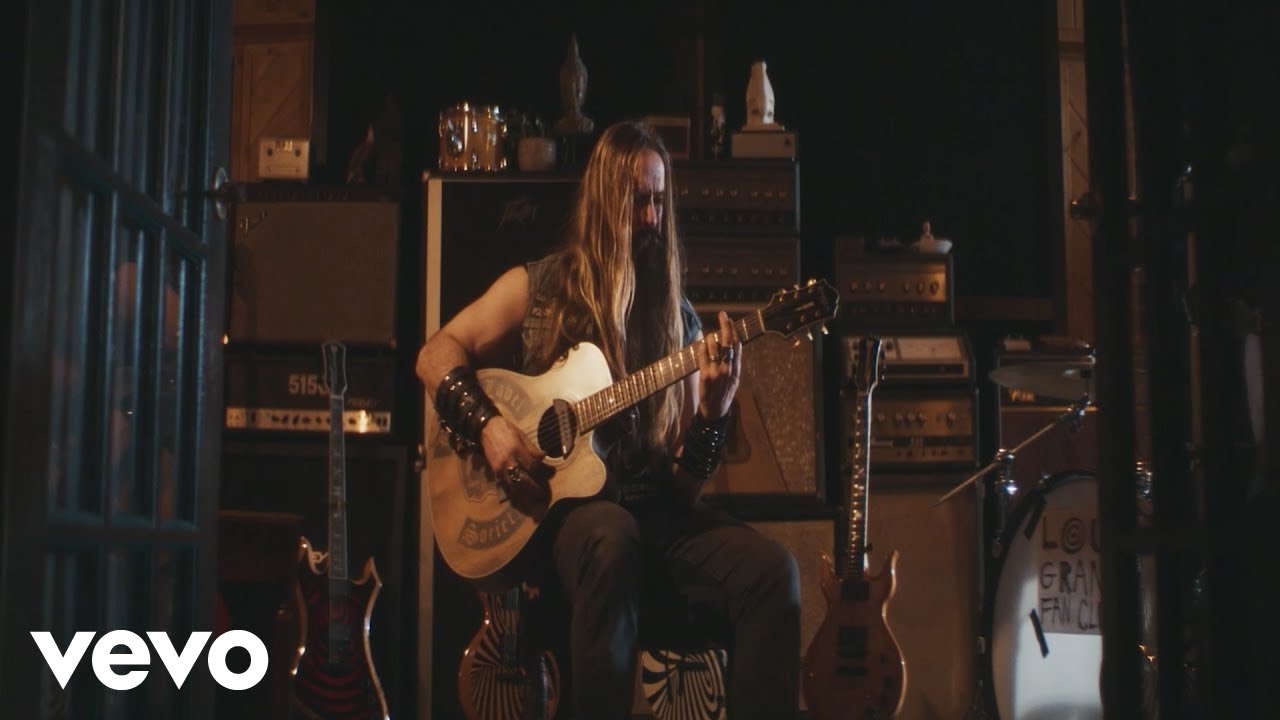
“Oh, actually, I got my Wylde Audio, I was using my prototype on this thing. We got the prototype right now, and probably this year we are gonna go into production with them. We haven’t done an acoustic yet. It’s going to be a single-cutaway, kind of like my Epiphone.”
It sounds great on the record. Is it a big-bodied dreadnought?
“Oh no, not that massive, just your normal acoustic, man. But I’m sure we’re going to be doing jumbos and all types of the small ones, the blues guitars.”
Has your rig changed much for this record?
“No, it’s just my Wylde Audio heads and everything like that. I just double-track them, especially for the heavy stuff. I always double-track the rhythms. And then for the clean stuff, I would just turn the amp down, turn the pedals off, and that’s your clean tone.
“I’ve got my Dunlop pedals, the Berserker distortion. So if I’m playing [the amp], it’s just like AC/DC distorted, like Highway To Hell, Back In Black, but for solos, I need that pedal on. Because it gives you more of the amp; it just sustains."
Did you double any of the solos?
“No, I’m trying to think… Anything that is doubled, that’s me and Dario [Lorina, rhythm guitar] playing together. But I'm not doubling any of solos. Usually solos, I’m just keeping them single now.”
Yngwie was the last meteor to hit the planet, guitar-wise – where everybody gravitated to. He upped everybody’s technique
The Hand Of Tomorrow’s Grave solo, with that ascending line, it’s got this tension between the diatonic and the pentatonic, and it’s like you’ve got the booksmarts with the diatonic then the streetsmarts with the pentatonics…
“Basically, I’ll base everything off the pentatonic, but if you really think about me and JD [John DeServio], JD went to Berkeley and everything like that, but we always talk about the pentatonic scale as the most lyrical scale because you sing in pentatonic. You don’t sing really in diatonic. But no, if a diatonic fits, I’ll throw it in there, but, most of the time I try to base everything off of pentatonic, just ‘cos I like the sound of it.
“But not only that, when I first started with Ozzy, I was like, ‘Well, how am I gonna sound like me?’ Because Yngwie was the last meteor to hit the planet, guitar-wise – where everybody gravitated to. He upped everybody’s technique.
“Everybody in Berkeley, they were opening up wings of Bach, Beethoven, Mozart, Paganini, all because of Yngwie. but the whole thing is like, ‘Oh, if you don't want to sound like Yngwie, don’t do three notes a string, and don’t do harmonic minor, and don’t do arpeggios. No sweep picking, and no diminished.’
“And so it was like, ‘All right, well, if you don't want to sound like Eddie Van Halen, then don’t do taps.’ It’s almost like take these things off the table. Don’t put stripes on your guitar if you don’t want to look like Eddie. Don’t put polka dots on your guitar if you don’t want to be like Randy Rhoads. Eliminate everything on the list, what not to do.”
And that left you with the pentatonics.
“Yeah. And I said, ‘Well, I’ll just pick them, almost, like, John McLaughlin from Mahavishnu Orchestra. You know, when you’re listening to Jerry and Jan Hammer and John, when they’d be like [widdle noises]. It is a different sound from three notes a string.”
It makes the guitar sound like a non-western instrument.
“Yeah, and when you listen to that Mahavishnu stuff, those scales, it’s a different sound. Not only that but I love Frank Marino, and Frank Marino is a perfect example of pentatonic scales and blues as a Formula One race car.
“Because lot of people who are blues, they’re slow, like Red House, and BB King. They’re not these lightning fast licks played at Formula One race car speed. Whereas that’s Frank Marino. You listen to that [Mahogany Rush] Live album. His guitar playing is just otherworldly. I mean, it’s phenomenal.”

You also studied jazz for a little bit.
“I’ll listen to Pat Martino. I’ll listen to Joe Pass, just listening to them while I’m playing, like, Voodoo Child E minor. I’ll just be noodling without an amp on while I’m listening on my phone, just while I’m having my Odinforce, drinking a cup of java, and I’ll hear them playing licks then I’ll just try and incorporate something that sounds like it.
“It’s a butchered version of it but it’s trying to incorporate it within what I do, within a rock thing, so it sounds passable and you can make it fit.”
You don’t have to master Joe Pass but you can step into his shoes for a few bars and it can make the solo really jump out.
“For me, when you get that window of where the solo is, just construct the solo, like Stairway to Heaven or Hotel California, where it’s part of the song. Or like Randy Roads’ Crazy Train – whether it’s me playing it, Jake [E Lee] playing it, Gus G, Joe Holmes, Brad Gillis, you gotta play Crazy Train the way Randy wrote it.”
What was your favourite Randy solo to play?
“I mean, I love them all, but the solo in S.A.T.O. is just amazing. Obviously, everyone gravitates towards Mr Crowley, and Crazy Train, and things like that, but, like, the solo to S.A.T.O. – and Diary [Of A Madman], Revelation (Mother Earth) – is lights out! It’s crazy. It is crazy, ambitious, and so out of the box. It’s like nothing you’d ever heard before.”
That Ozzy Osbourne gig was perfect for him. It was the making of him and of Ozzy as a solo artist.
Uli Jon Roth with the Scorpions? Forget about it! It’s classical, arpeggios, diminished – and he would use harmonic minor, too
“I mean, it’s incredible, him being in Quiet Riot, ‘cos they were more of like a pop-rock band. Without Ozzy as a foil, Randy would have never been able to do Diary Of A Madman, Revelation (Mother Earth), like, all that stuff. The classical elements in his playing would have never fit in Quiet Riot. It was not what that band was. And it worked perfect with Ozzy because of him coming from Black Sabbath. Perfect.”
And he brought that classical guitar influence to mainstream metal.
“Obviously, Ritchie Blackmore and Uli Jon Roth were doing all the classical stuff, between [Deep Purple’s] Highway Star and [Scorpions’] Catch Your Train. Like, Randy’s influenced by Ritchie Blackmore, obviously, between all the stuff he did with Jon Lord in Deep Purple, all that classical stuff, and Ritchie Blackmore was killing it!
“Then Uli Jon Roth with the Scorpions? Forget about it! It’s classical, arpeggios, diminished – and he would use harmonic minor, too. But then Randy, it was that classical element in there as well.”

As a big fan of Johnny Cash and the Cramps, who both played in institutional facilities, I wanted to ask you about your first gig with Ozzy, because it was at Wormwood Scrubs, a high-security prison.
“Well, the only thing I was worried about was I was the closest thing to Pamela Anderson that these guys were ever gonna be seeing again! Hopefully, I pass the audition, and they’re not gonna leave me here. [Laughs]”
What do you remember of the show. Was there not serial killers supporting you or something?
“No, it was just like us up there jamming these songs. The room was about the size of this. It was a little cafeteria. The guards were in there, and then you had all the inmates in there. It was almost like something out of the Blues Brothers. ‘We’re on a mission from God!’

Anything’s easy after that.
“Every other gig was tame after that one. Wormwood Scrubs! [Laughs] Like I say, I was just hoping they don’t leave me behind. This was before I had the beard.”
Playing with Ozzy, you might expect to end up in Wormwood Scrubs, not playing it…
“But it was definitely exciting. I remember that one. And I remember my first one in Pensacola, Florida, the first arena show. I’m just thinking, No Rest For The Wicked, in 2028, it will have been 40 years ago.”
Every other gig was tame after that one. Wormwood Scrubs! [Laughs] Like I say, I was just hoping they don’t leave me behind
Looking to the future, you obviously enjoyed the Pantera shows. Do you think you guys might record something together?
“Well, I mean, Phil’s busy right now. He’s doing a Down thing, and then he has En Minor. I think he’s doing a Scour thing, too. So Phil’s doing that. I think Rex is still writing, and he’s doing another Rex Brown record, and then, obviously, Charlie has Anthrax, so he’s been doing that, and then, obviously, we got the new Black Label, so I don’t know.
“I don’t know. But you never say never. Because it’s just like, we could all [be sitting there] one day, Philip might just call and go, ‘Guys, why don’t we get together, and we’ll do something, all of us – and we’ll get two other of our buddies in here, and then we’ll do a band.’ You know what I mean?
“So yeah, you never know. Like the Eagles or whatever! They have six guys in a band or something like that, and everybody’s singing or whatever. We could do something as like The Traveling Wilburys or something! [Laughs] Nah, you know what I mean, call it something different.”
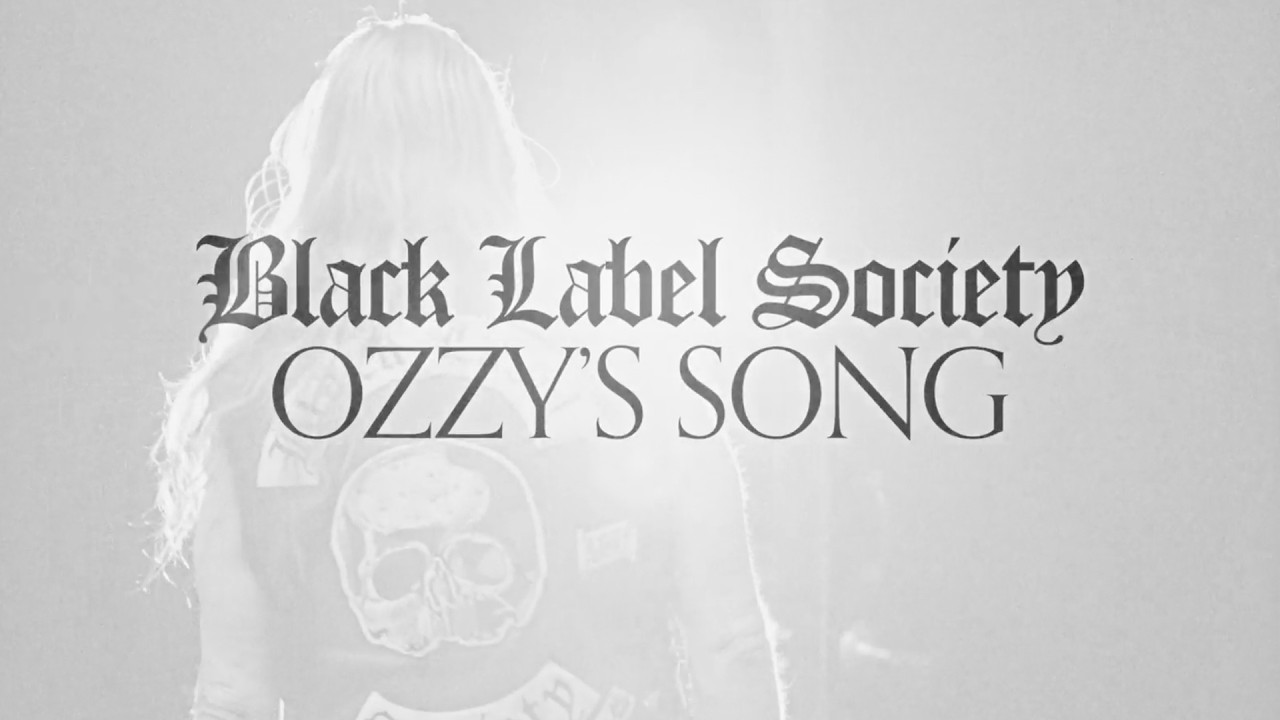
Finally, tell us about the Ozzy tribute on the record. How did that come together?
“I had the music but I wrote the lyrics after we laid Ozzy to rest. It was when I came home, and I sat in the library at our house. I was just sitting there with the fireplace going on, and there was actually one of Ozzy’s books up there, Last Rites, and I ended up writing the lyrics.”
And you used your Bullseye Les Paul Custom, the Grail?
“Adam Fuller, who does the records with us, Adam was like, ‘Well, Zakk, for the solo, you should get the Grail and play it on this thing, man – ‘cause it’s Ozzy’s Song, so it makes sense.’ The first song I ever wrote with Ozzy is Miracle Man, and obviously, this is the last thing in tribute to him.”
- Engines Of Demolition is out now via MNRK Heavy.
