
That the late Steve Albini knew how to get a gnarly electric guitar tone down on tape goes without saying. His reputation as underground rock’s most reliable chaperone for uncompromising sounds preceded him.
He had the audio engineering knowledge to capture all the dynamics in a band’s performance. He could give a snare hit a three-dimensional force, summon feedback out of thin air.
Albini’s ability to apply his analogue magic to the electric noise of a rock ’n’ roll band was exactly the reason why Nirvana hired him for In Utero. What better way to subvert the mainstream than to achieve mass appeal then drop a noise-rock record on an unsuspecting public? Who better to record it?
But the fact that bands returned to him time and time again spoke to the kind of relationship he struck up with them. He knew what they were looking for.
When Neurosis called on Albini in October 1998 to record the follow-up to the epic Through Silver In Blood, they soon realised that their widescreen sound – post-metal, atmospheric sludge, experimental metal or however you want to describe it – could be recorded just like a punk band would. Which was fitting, because this was where they came from, evolving out of the Oakland, CA hardcore and crust scene.
Joining MusicRadar over Zoom, guitarist/vocalist Steve Von Till recalls the band still being a little raw in the studio when they first met Albini.
“Well, when we were younger, we just didn’t know that much about recording,” he says. “I mean, I’d done a lot of home recording. We knew the basics. Noah [Landis, synthesizers/samples] had studied recording in school, but, yeah, what we learned from Steve was just that there’s no nonsense and just don’t overthink it.”
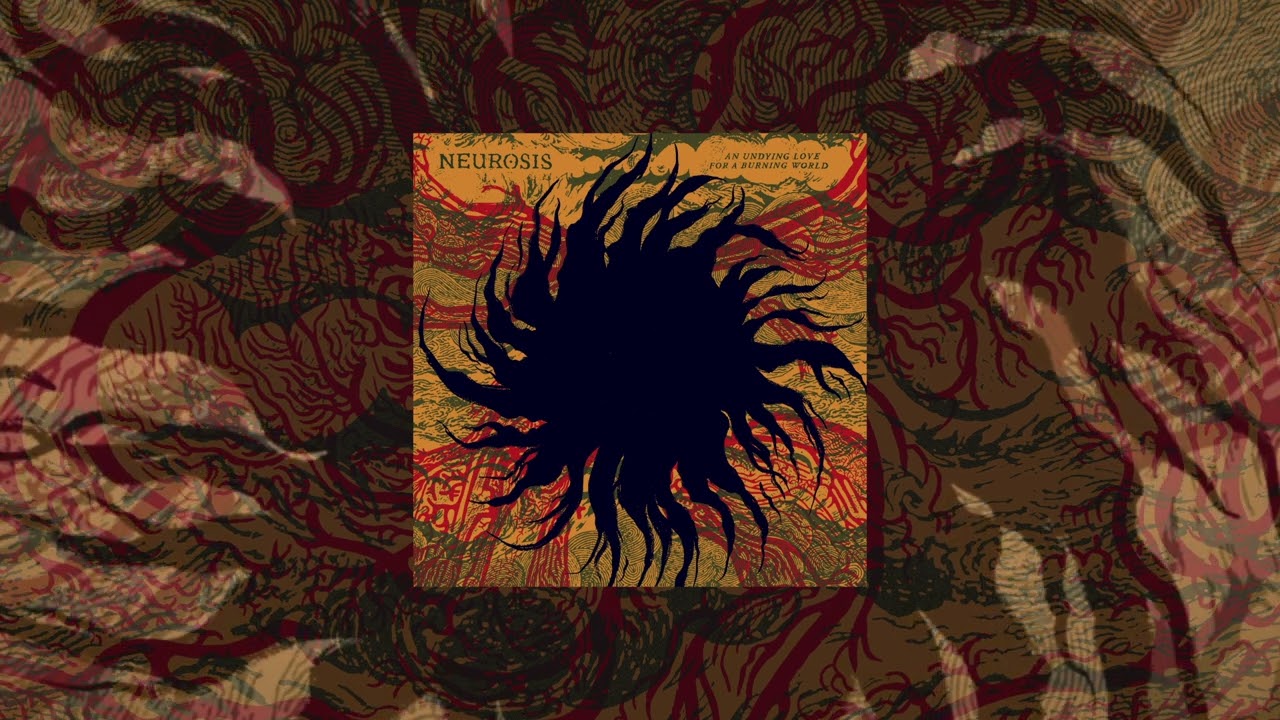
Neurosis can be a difficult band to describe. You can hear their influences – Swans, Melvins, Black Sabbath, old-school anarcho punk and Throbbing Gristle — and yet the only bands who sound like them, or try to, are the bands who they influenced. Over the years, their sound would blossom and expand, growing more dynamic.
Apocalyptic guitars were always in the air, the storm clouds on the horizon, but Neurosis also traffic in slack air, seeding moments of menace and beauty in the near silence, and in psychedelic noises that are hard to attribute to guitar or synths, in the explosive release of the riff. But this evolutionary zeal never took them that far from their roots. Albini’s workflow was perfect for that, allowing them to track live from the studio floor.
“We’re a band. We rehearse in a room. We don’t do this modern fucking one guy at a time, shit. We all set up and we play,” says Von Till. “We overdub the vocals – ‘cos then we’ll play guitar better if we’re not trying to sing and play guitar at the same time. [Laughs] Plus, you can sing into a nicer, more sensitive microphone. But we set up as a band and record as a band, in a good sounding room with good microphones, put in the right spot – and there’s no bullshit. And with Steve, we learned [that].”
That was one lesson. Another was that a Neurosis album could be recorded and mixed in a week. This came as a shock to Von Till.
“When we first recorded with him – Times Of Grace was the first thing we recorded with Steve – we booked way too much time, ‘cos we were just used to all these techniques that wasted time,” he says. “These were these kind of bad habits that we learned in our other studio experiences.”
When we first recorded with him – Times Of Grace was the first thing we recorded with Steve – we booked way too much time, ‘cos we were just used to all these techniques that wasted time
Not that those experiences were all bad. On the contrary. Neurosis had shed their skin by the time they met Albini. They had harnessed the great low-end power of sludge riffs, applied them to hypnotic rhythms, making albums such as 1993’s Enemy Of The Sun play out as great trippy nightmares, like the acid’s gone bad and they’d attained this great fevered second sight into the post-atomic spiritual rot that has divorced humankind from the natural world we belong to.
“Looking back on it, Enemy Of The Sun was really gratifying to work with Billy Anderson, because we thought we were just quickly recording an EP, and we accidentally made a record, because it was just quick and natural,” says Von Till. “It felt great, not fucking around. With Steve, again, [it’s] very natural. There’s no studio tricks. There’s no bullshit. It’s a band in a room. It’s a good sounding band in a good sounding room, with good mics, put in the right spot.”
Neurosis recorded six albums with Albini. They were not the only band to call upon Albini time and time again. The Jesus Lizard, Mogwai, The Wedding Present and Low had many collaborations. But only defunct Montana indie-rockers Silkworm, who briefly reunited for a tribute concert following Albini’s death in 2024, and venerable Japanese noise-rock band MONO recorded more music with Albini than Neurosis.

Since 2004, MONO had recorded all of their albums with Albini. MONO’s guitarist and principal songwriter Takaakira ‘Taka’ Goto describes Albini as a “friend and teacher”.
Electrical Audio held such an emotional pull for MONO – and practical, they have made so many connections there – that they returned to Chicago to track their new album, Snowdrop, their first since losing Albini.
“I could feel a lot of Steve Albini during the recording session,” says Goto. “The sound of the studio is his legacy, and each tone, each sound – everything – it’s like Steve is here. It’s like Steve is always there.”
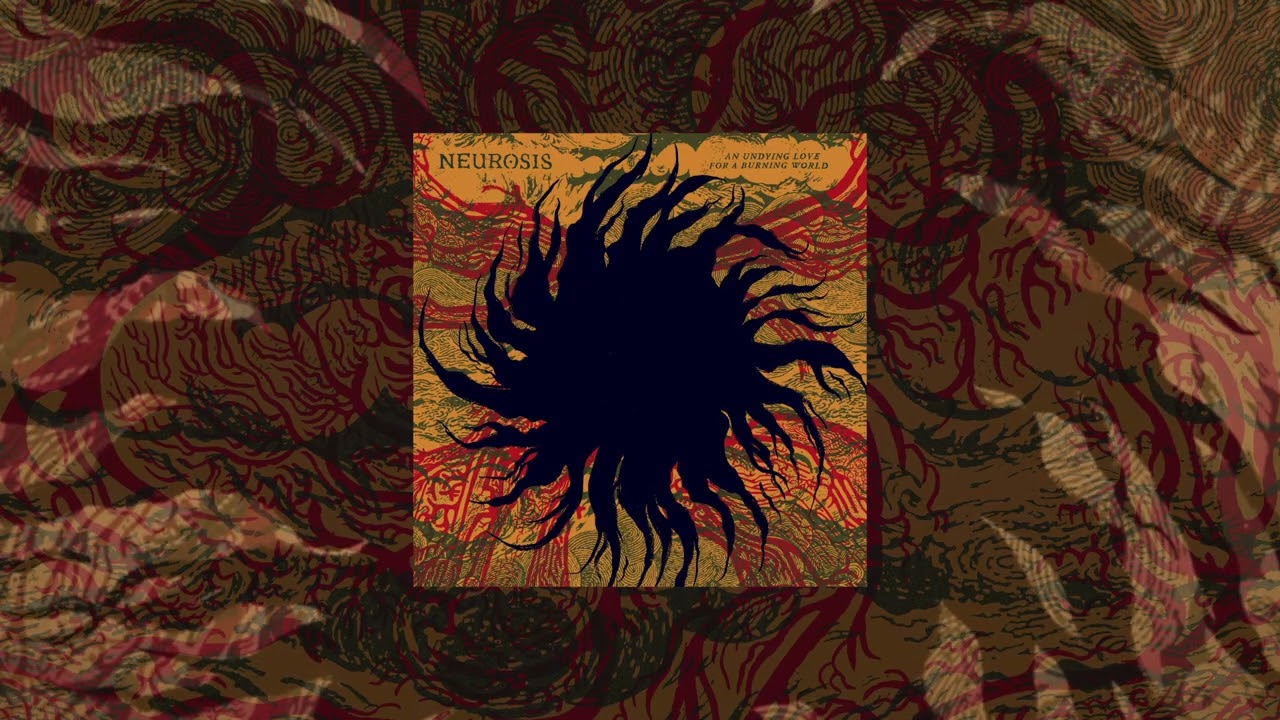
Neurosis’s comeback album, An Undying Love For A Burning World, was released without warning on the Spring Equinox through Neurot Recordings. This surprise release also unveiled the band’s new lineup, with Aaron Turner [Sumac, ex-Isis] replacing co-founder Scott Kelly on guitars and vocals. Kelly had been fired in 2019 after it emerged he had been engaged in the abuse of his wife and children. Neurosis announced a hiatus in 2022 when this news was made public.
No one saw this record coming. The story of this triumphant second act is one for another day – we spoke to Turner and Von Till about it – but Von Till says the choice of producer was influenced by those experiences with Albini. They wanted someone with a similar ethic, and they found him in Scott Evans of Kowloon Walled City.

“We love the way his records sound,” says Von Till. “Aaron had worked with him with Sumac a bit. I did a little bit of solo recording with him on my piano. And he’s cut from the same cloth. He’s not, like, studio tricks and nonsense, you know? It’s very natural. It’s just a natural capturing of rock music.
“You want to hear Jason’s [Roeder] snare drum like it’s Jason’s snare drum in your face. You don’t want to fix it later. You don’t want to record your guitar direct and put it through a bunch of digital bullshit to try to make it sound better later. Just catch it! We spent a lot of time getting our tones right in a room, in practice. Just catch it.”
Von Till argues there’s a time and a place to use the studio and all its tool kit. There’s a time and place to track the parts separately, to apply some post-production to them later and then stitch it all together. For Von Till’s solo projects, both under his name and as Harvestman, he might need to have someone send him a part.
He lives out in rural Idaho, under the shadow of the firs. He says it can be hard to get a cellist to drive all the way out there. But rock bands? Show up rehearsed, plug in and turn it up. And find someone like Albini, who knows where to put the microphones.

“I love multi-tracking, and I love the art of multi-tracking records, so I’m not against the whole concept of piecing records together,” says Von Till. “But rock bands – rock bands that play together – I just like that idea of catching the performance. And, of course, yeah, if you flub a note, punch it, old-school style, play over the riff and fix your wrong note.
“But it’s a performance, and it’s a vibe, and it’s a take. And sometimes the accidents, and the mistakes add to it. Sometimes the way that feedback accidentally came up between those two notes could never be replicated again.”
That's part of the art of it all. Being alive and aware and open to these accidents is one of the essential skills of any musician or producer. We have to recognise when something great has happened even if it wasn’t what were looking for at the start of the session.
And just hope someone has put the mics in the right place and the tape is rolling.
“For sure. I mean, we have these kind of epic grand soundscapes but we’re still rock and roll,” says Von Till. “We’re rock and roll. It’s a rock and roll band. We want that fucking dirty Motörhead/MC5/Stooges fucking shit in there! [Laughs]”
- An Undying Love For A Burning Planet is out now via Neurot Recordings.
