


As the ’60s drew to a close, a new order was being established among rock’s elite, and Led Zeppelin were leading the charge.
Zeppelin’s rise to power was achieved with almost indecent haste. Their second album – released just nine months after the first, on 22 October 1969 – not only deposed The Beatles at the summit of the US Billboard 200 chart; it also kept the Rolling Stones off the top spot.
The success of Led Zeppelin II was all the more remarkable given the time frame in which it was created. In 1969, Zeppelin was a band on the run, touring Britain once and America twice in the seven months between the release of their first album in February and the completion of the second in August. The nine tracks selected for the second album were recorded in a variety of studios in London, Los Angeles and New York, between tours and even during them.
In a 2020 interview with Total Guitar, guitarist Jimmy Page recalled: “The first album was done in a very short time. The second album was done while we were on the road in America, although we were coming backwards and forwards to England, so it’s got all the energy of touring.“
Perhaps it was exhaustion that led Page to voice doubts over several of the album’s tracks while mixing was finished at New York’s A&R Studios. Jerry Wexler, the president of Atlantic Records, attempted to soothe the guitarist by declaring the album “a masterpiece”.
Ultimately, Wexler’s assessment was right on the money. Led Zeppelin II set a template for heavy rock music for decades to come. And in Whole Lotta Love – a million-selling hit single – Page had created the rock riff by which all others would be judged.
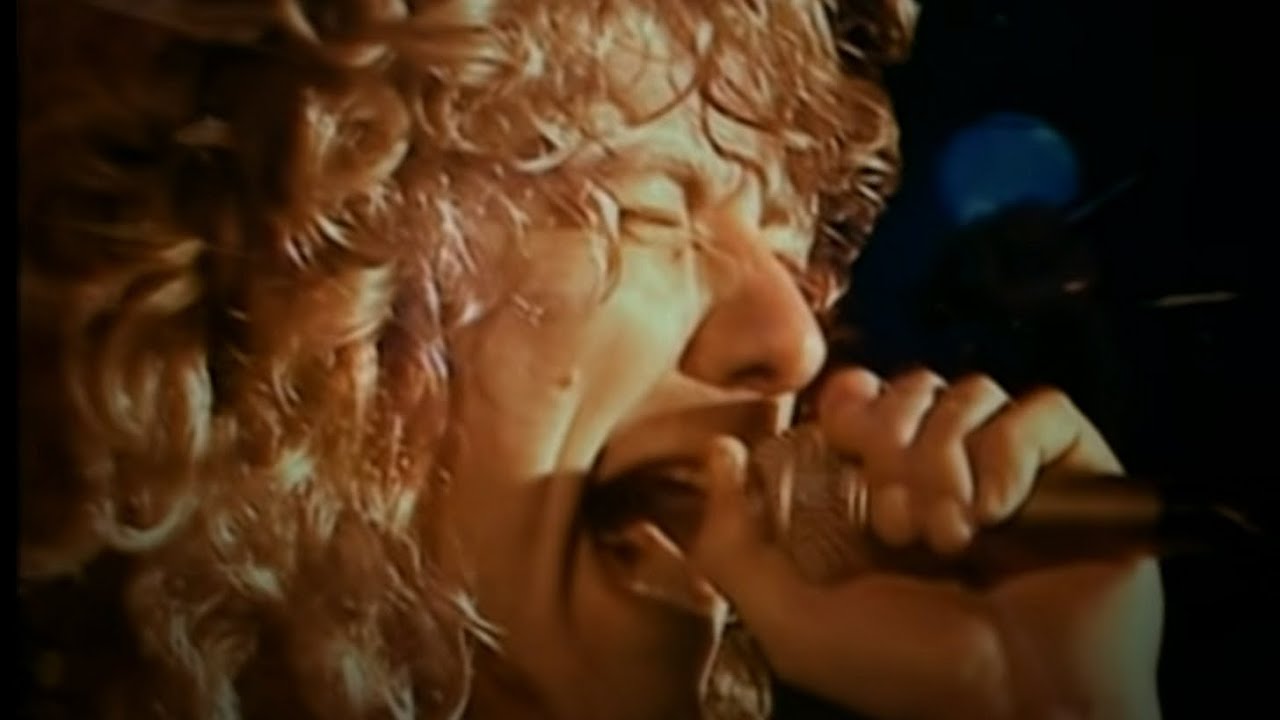
As Led Zeppelin’s leader and producer, it was Page who needed to keep his head during the album’s genesis. At a time when the band was enjoying its first flush of success, this was not easy. Although the first album had reached No 6 on the UK chart, it was in America that Led Zeppelin were feted as superstars.
Amid all this excitement, Page retained an intense focus on the music. When the band had four days off between gigs in Minneapolis and Chicago, Page ordered them to New York, where they worked through new songs. Here, Page found time to mix Bring It On Home, the song that would end Led Zeppelin II.
![Led Zeppelin - Bring It On Home (Live at The Royal Albert Hall 1970) [Official Video] - YouTube](https://img.youtube.com/vi/uX5yhpO52AA/maxresdefault.jpg)
Atlantic’s executives pressed upon the band the need to finish the album in order to capitalise on the lucrative autumn market, and Page responded although ridden with flu. Engineer Eddie Kramer, who had worked the previous year on Jimi Hendrix’s Electric Ladyland, recalled ‘scrounging’ recording time in minor studios and taping some of Page’s solos in hallways.
“It was a wild time,” Kramer told Stephen Davis in the Zeppelin biography Hammer Of The Gods. “We mixed the album in two days on the most primitive console you could imagine.”
Amazingly, what emerged from the chaos was a cohesive whole. Blues and folk remained at the core of the Zeppelin sound, but this was a great leap forward.
As Page told Total Guitar: “The first two songs that I had for Led Zeppelin II were Whole Lotta Love and What Is And What Should Never Be. II is almost like turning a coin, isn’t it? One side to the other as far as textures and moods.”
If the first album was very much a product of the British blues-rock boom of the late ’60s, the second was where the Led Zeppelin sound was truly defined. In short, this was the birth of heavy metal: the crunch and wail of Whole Lotta Love, the sexual posturing of The Lemon Song, the flashy guitar solo in Heartbreaker, and, most sinful of all, the extended drum solo in Moby Dick.
Black Sabbath’s influential debut appeared in 1970, but by April of that year, Led Zeppelin II had already sold three million copies. One of the millions who bought the album was a 10 year-old Canadian kid named Bryan Adams, who later recalled, “You hear Whole Lotta Love and you lose your mind. That’s it, period!”
This one song was the key to Led Zeppelin’s conquering of North America. Although the band and manager Peter Grant were reluctant to release a single – a format they considered passé – the song received such heavy radio airplay that they bowed to public demand and issued an edited version that reached No 4 on the Billboard 200 chart in January 1970.
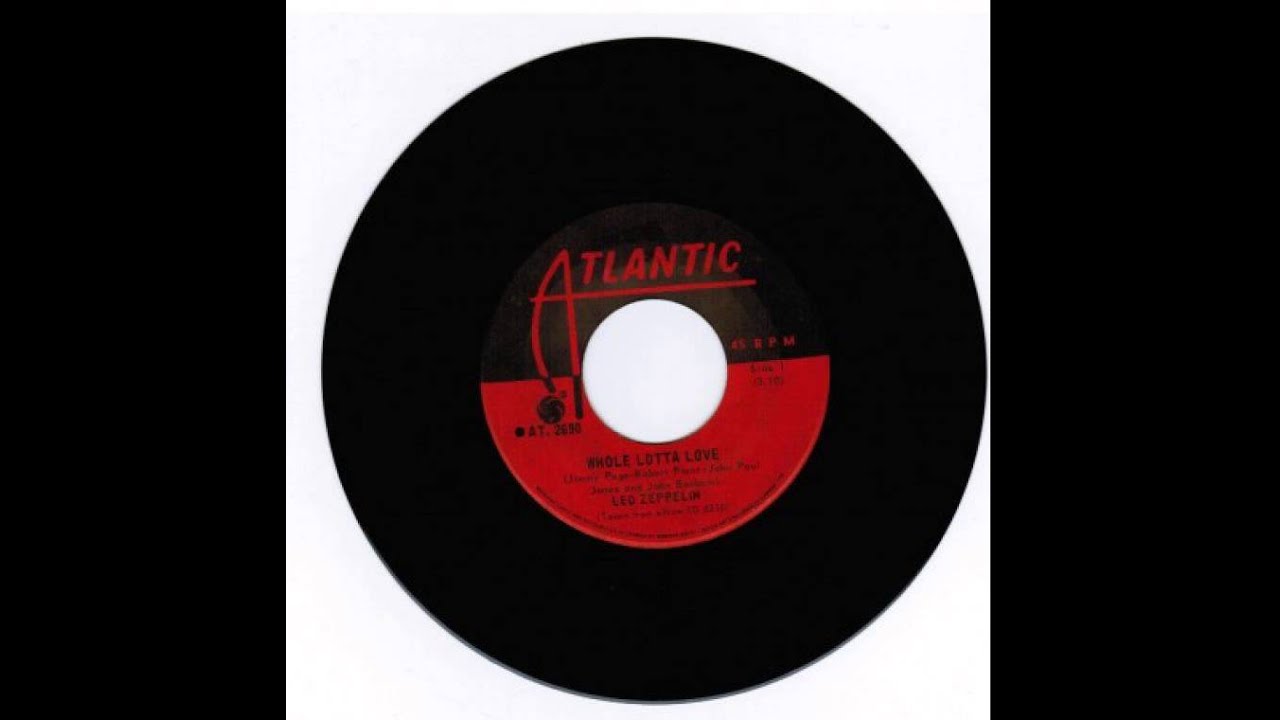
An over-excited Atlantic Records attempted to release the song as a single in the UK, but an irate Peter Grant refused permission, leading to a standoff with the record company. This conflict was only resolved when Grant referred the label to the terms of Led Zeppelin’s contract which stated that only their could decide whether or not singles could be released.
Page discussed this strategy in his interview with Total Guitar. He stated: “You know how it is with A&R men going, ‘Oh, you’ve got to have a single.’ We had singles in America and other places, but I wanted to stay clear of that market and keep it as an albums thing.”
He continued: “Right in the early stages I demanded that we didn’t want to be a band that was known for singles. It was albums that we were going to be known for. And clearly I wanted to make each album different from the one before.”
While this meant that Led Zeppelin were defying conventional wisdom in the music business, Page insisted to Total Guitar that this was not a problem.
“No, it was not, because when the first deal was done it was established right there and then,” he said. “It was good thing. That way we didn’t have people who didn’t know what we were doing in the first place – it was probably going above their heads or whatever – trying to get something for the radio.
“‘Oh, can you record something for the radio?’ All bands have heard that sort of nonsense, but fortunately we circumnavigated it by just sticking to what we knew was going to be the right way to do it, to make the music develop properly.”
True to Page’s instincts, Whole Lotta Love is best heard on the album – in its full glory. Omitted from the single edit is the best example of Jimmy Page’s genius for production and arrangement: a middle section in which Robert Plant howls over a bizarre cacophony mixed from recordings of a steel mill, women in orgasm and even a napalm bomb explosion.
Rising above the din is the otherworldly sound of a Theramin, an electronic oscillator manipulated by a wave of Page’s hand across its antenna. The effect was as mind-bending as anything Hendrix had done before, and when that killer three-note riff returns at the song’s climax, with Plant proclaiming himself a “backdoor man” in the tradition of lusty old bluesmen, Led Zeppelin’s iconic status was assured.
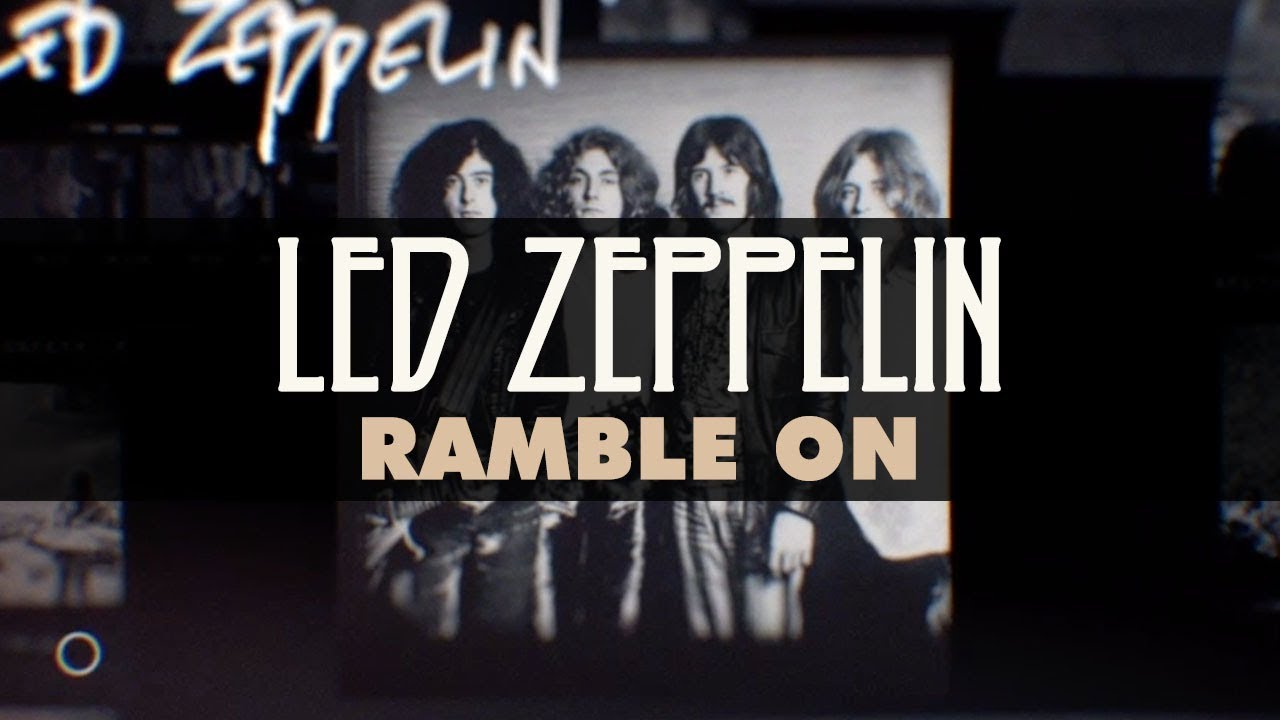
Whole Lotta Love cast a long shadow, but there are many great songs on Led Zeppelin II. Thank You, a dedication to Plant’s wife Maureen, blends elements of English folk music and American West Coast pop in one of Zeppelin’s loveliest melodies. Ramble On is Plant’s favourite; it rocks, but gently, and features not only one of the singer’s best performances, but a stunning harmonised solo from Page. Bring It On Home updates a classic blues form with an electrifying riff. And on Living Loving Maid (She’s Just A Woman) – 2.39 of playful, exuberant, grooving rock ‘n’ roll – Led Zeppelin are having fun like never before or since.

Known to fans as ‘The Brown Bomber’ after its sepia-tinted artwork, on which millions of ‘funny’ cigarettes have been rolled over the ages, Led Zeppelin II made an inauspicious debut on the US chart at No 199, despite advance orders of half a million. Within a week it had jumped to No 25, and before the year was out it was the best-selling record in America.
A small portion of its profits was ceded to Willie Dixon, the venerable bluesman whose I Can’t Quit You Baby and You Shook Me featured on Zeppelin’s first album. When writing Whole Lotta Love, Plant had cribbed lyrics from Dixon’s song You Need Love. Dixon sued, and Zeppelin settled out of court.
Also adding to the thickness of Dixon’s wallet was the success of a cover version of Whole Lotta Love by Alexis Korner’s CCS which reached No 13 on the UK singles chart in 1970.
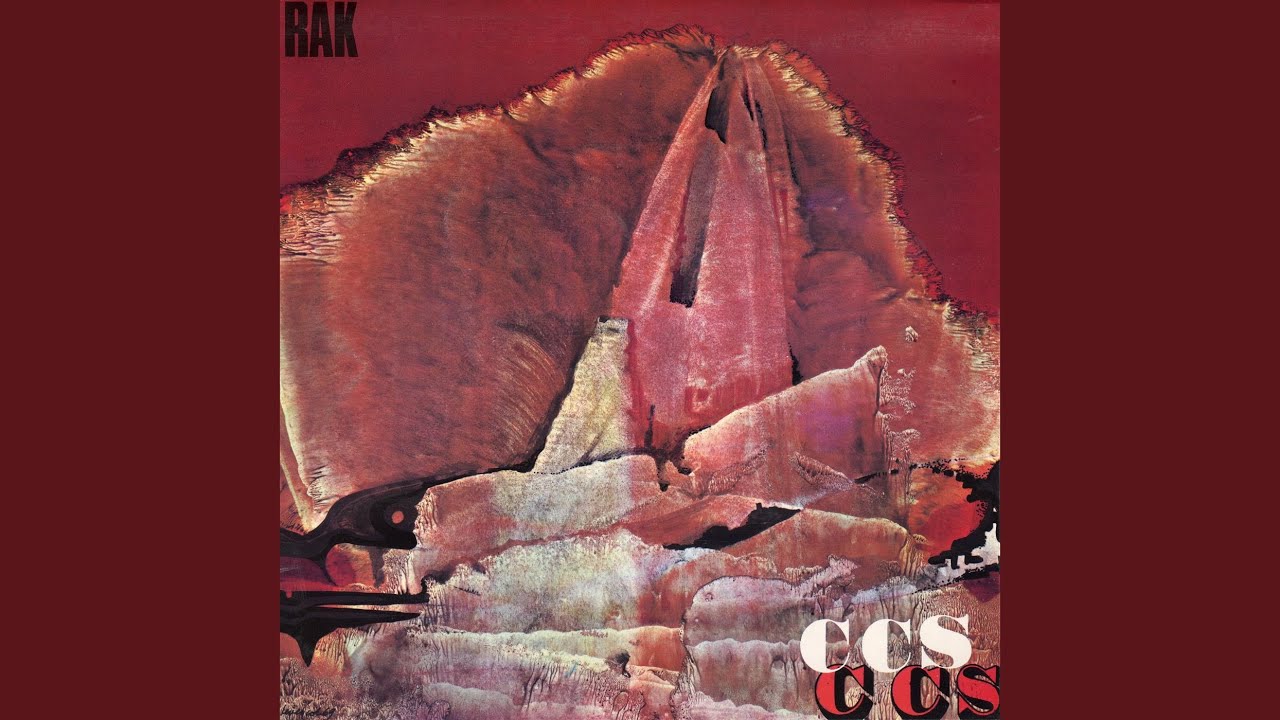
Although Zeppelin never released this or any other track as a single in the UK, the CCS version was used as the theme to TV show Top Of The Pops.
Led Zeppelin II would go on to sell in excess of 10 million copies in the US alone. It has also inspired generations of rock acts. Above all else, it set a standard for heavy rock music that has never been equalled.
