


In the early months of 1989, Rick Rubin was in the process of building a new empire.
The man who had produced many of the most powerful and influential albums of the ’80s had relocated from his native New York to Los Angeles to launch his new record label, Def American. And it was at his home in the Hollywood Hills that he gave an interview to British weekly rock magazine Sounds.
Back in the early ’80s, when he was still a teenager, Rubin had co-founded the Def Jam label with Russell Simmons. The first album release on Def Jam was Radio by New York rapper LL Cool J.
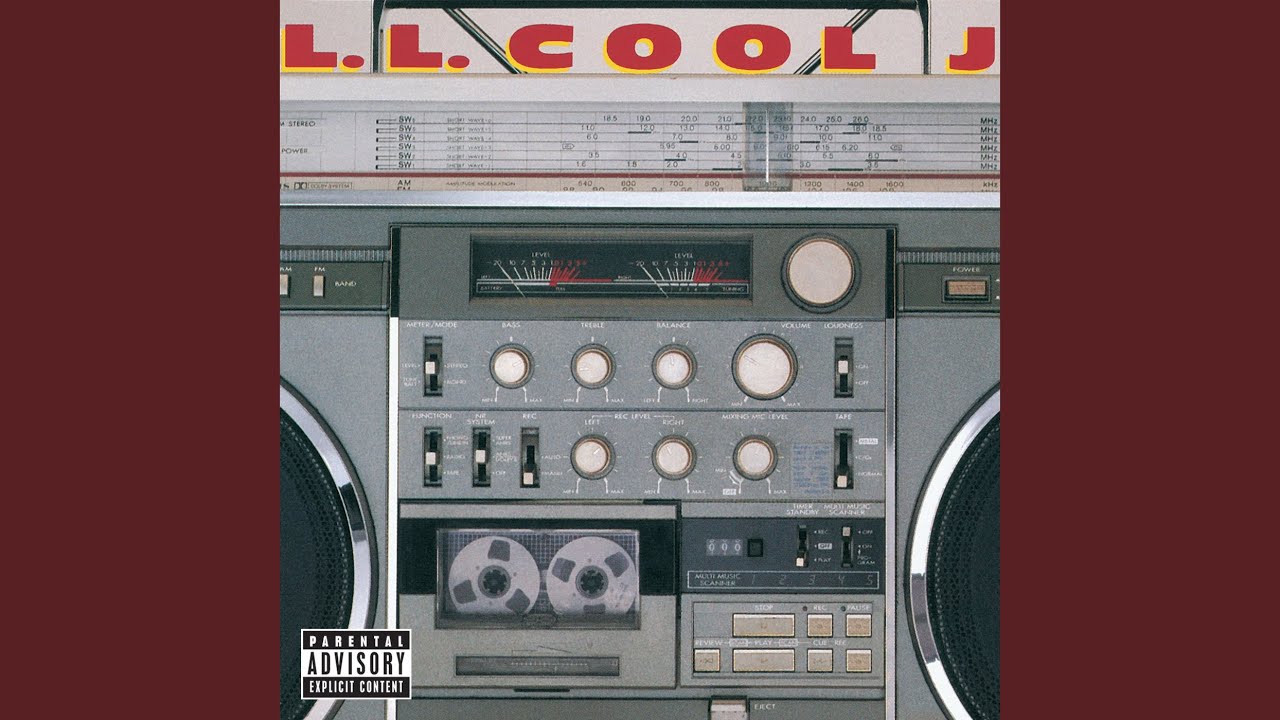
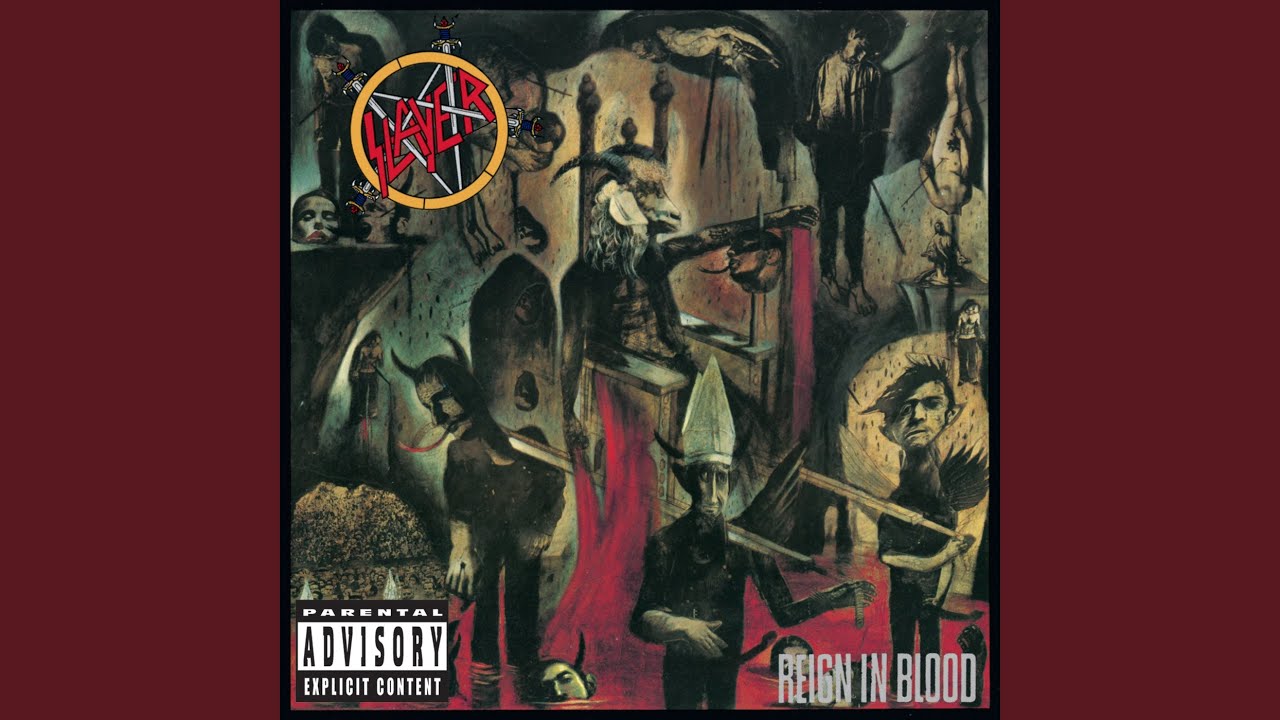
This was followed by groundbreaking releases such as Public Enemy's Yo! Bum Rush The Show, the Beastie Boys’ Licensed To Ill and Slayer’s thrash metal masterpiece Reign In Blood.
In addition, Rubin and Simmons had co-produced Run-DMC’s Raising Hell, the first million-selling hip-hop album. Independently, Rubin had also produced The Cult’s Electric, one of the definitive hard rock records of the late ’80s.
In 1989, at the age of 25, Rubin was busy establishing Def American as a major force with acclaimed debut albums by heavy rock acts Danzig and Masters Of Reality. This was before the label had its first big hit album in 1990 with The Black Crowes’ debut Shake Your Money Maker, produced by Rubin’s right hand man George Drakoulias.
Rubin conducted his interview with Sounds in a lounge room in his white-walled house overlooking the Sunset Strip. The room was furnished simply with a bed, an exercise bike and a stereo.
Before settling into this conversation, he played a tape of raw mixes of the debut album from British rockers Wolfsbane, titled Live Fast, Die Fast.
Rubin briefly exited the room, explaining that he wasn’t going to listen to the tape for at least a week so that he could take a step back from it and judge it more objectively. But after just one track, he returned to sit on the bed, his legs crossed, his hairy head nodding and his fingers twitching in sync with Wolfsbane’s high-energy, Van Halen-inspired riffs.
Rubin began the conversation by recalling how he and Russell Simmons created the Def Jam label with very little in the way of finance.
“I really started Def Jam from practically no money,” he said. “I think Russell and I contributed maybe 2,000 dollars each, which is not a lot of money. We did seven one-off singles and we got picked up by CBS, purely because we’d sold a lot, and not because anybody at CBS liked the music.
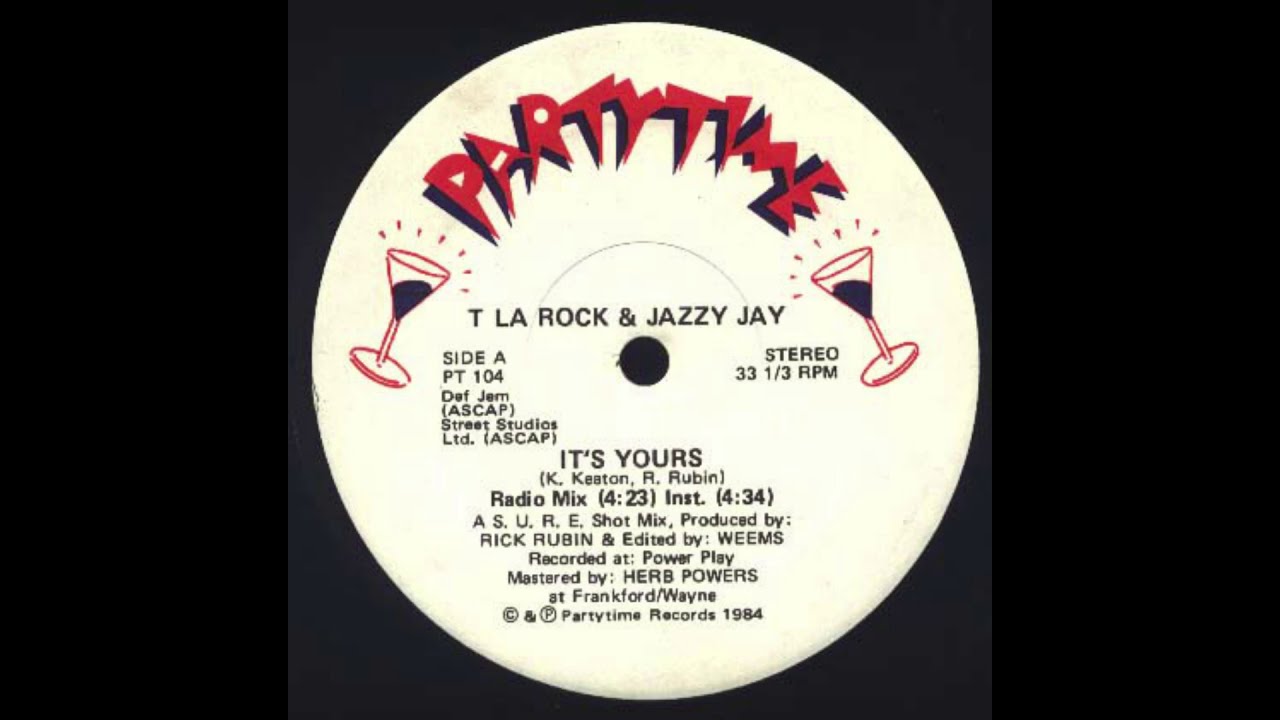
“LL Cool J’s I Need A Beat was the first official Def Jam record, although the logo was on a record I produced by T La Rock and Jazzy Jay called It’s Yours. That was made in ’82 or ’83, before I met Russell. It was my first rap record.”
Rubin defined rap as “black rock ’n’ roll”.
He stated: “We’ve seen the white audience fooled before, with a lot of commercial pop crap that people hear so many times that they go out and buy the records. With black music that doesn’t work. With black music it’s either in the grooves or it’s not in the grooves. If it is, you have hits, and if not, you don’t. I think rock music should be more like that.”
Rubin’s love of both rap and rock was evident in the early records he produced. LL Cool J’s Radio used crunchy guitar punctuation. Likewise, Run-DMC’s Raising Hell, with its cover of Aerosmith’s Walk This Way. And, of course, the Beasties’ Licensed To Ill with its multiple classic rock samples.
Rubin didn’t just produce and arrange the Beasties’ Licensed To Ill; he wrote much of the album. But he baulked at the idea that Licensed To Ill was his project and the Beasties were merely fronting it.
He shrugged: “I think one of the main breakdowns in our relationship was them not feeling comfortable with people thinking that – regardless of whether it was true. It’s weird, because people don’t look at Madonna and wonder whether she played the guitar solo or wrote the songs. I don’t know that the Beastie Boys were comfortable with what they were. I heard they're making a record on their own now. I guess they want to find out what it’ll be like without me.”
He continued: “Licensed To Ill was a group effort. We all had input. Musically, a lot of the time, I would go into the studio and do tracks on my own and they’d come in and do the lyrics. No Sleep Till Brooklyn I didn’t like as a song title, but that was very much Beasties.”
In Rubin’s experience, rock artists were more self-sufficient than rappers.
He explained: “I co-wrote everything on [LL Cool J’s] Radio and most of everything on the Beastie Boys album. Wolfsbane is different. They came to see me with more of an idea of what Wolfsbane is about. But that’s typical of how a producer’s role in a rap record is different to what it is in a rock record.
“On a rock record, a producer’s job is to arrange, get the best performance out of the artist and get the sound as good as it can be. Whereas on a rap record a producer is often responsible for the tracks.”
He added: “Also, the experience of having done rap or any kind of black music makes the rock records that much better. That was the case with Mutt Lange. When he produced AC/DC, he’d only produced R&B music before. He didn’t even like rock ’n’ roll. And he’s since gone on to become probably the greatest rock ’n’ roll producer of all time.”
In 1989 Def American was a pure rock label.
“My interest in rap isn’t as great as it was because it’s not new any more,” Rubin said. “But if I hear something new that knocks me out, then sure, I’d love to be involved.”
It was in 1988 that a rift opened up in the Def Jam organisation which finally separated Simmons and Rubin. This could be explained simply, Rubin said.
“Over the history of Def Jam, I typically made the hard rap records and Russell typically made R&B records. His tastes were growing in a more commercial R&B direction, and mine were going in a more hard-edged direction, whether it was rap or rock.
“Legally, myself and Russell still haven’t separated. Russell always had his projects and I had mine. We’re still good friends, but I thought it best that we each realised our own dreams and, since he didn’t want to leave Def Jam, I left!”
Rubin had continued to work with Slayer. In 1988 he produced South Of Heaven, the follow-up to Reign In Blood.

He told Sounds about his deep admiration for the band.
“I signed Slayer to Def Jam about a year before Reign In Blood came out,” he said. “I’d never heard them before and I went to a New Music Seminar show. Megadeth opened and the audience was spitting on them. I thought they were terrible!”
He continued: “I’d already gone through my fast phase. Hardcore punk music was all I listened to three years earlier. And one day the speed thrill just ended for me. I started listening to Black Sabbath pitched all the way down on my stereo.
“Fast music didn’t interest me at all, and then Slayer made it exciting again. What impressed me at their show was they had 2,000 kids completely in love with them and they didn’t care. They weren't posing. I remember Tom [Araya, bassist/vocalist] walked back to get a drink of water really slow. It impressed me how at ease they were in front of so many people so early in their career.”
Rubin played a key role in Slayer’s rise. Before he got involved, the band’s 1985 album Hell Awaits was soaked in reverb, but on Reign In Blood there was a clarity that made for greater impact.
During the recording of Reign In Blood, Slayer’s performances were so intense and furious that the album’s planned length was cut by an incredible five or six minutes.
“We weren't trying to control it,” Rubin said. “As long as it sounded good, we just let it go.”
The band said that Rubin had demanded: “More Satan!”
Rubin laughed: “They were getting away from their roots! I love it when bands explore a new direction, but I also like to ensure that they deliver a certain amount of what a fan expects. I mean, they laughed when I said that about ‘more Satan’.”
Rubin produced all of the early releases on Def American, which he discussed in turn in the Sounds interview.
The label’s flagship release was the self-titled debut album from Danzig, a quartet led by ex-Misfits and Samhain vocalist Glenn Danzig and specialising in doom-laden heavy rock.
Rubin said proudly: “Glenn listens to soundtrack music a lot and that’s what Danzig’s music is all about – tension. Recently, their playing has gotten to a machine-like state. I signed Danzig after seeing the band live. They blew me away. I never liked the Misfits, but being convinced by the live performance, I listened to the old records and I really liked his vocals. He’s a great singer-songwriter.”

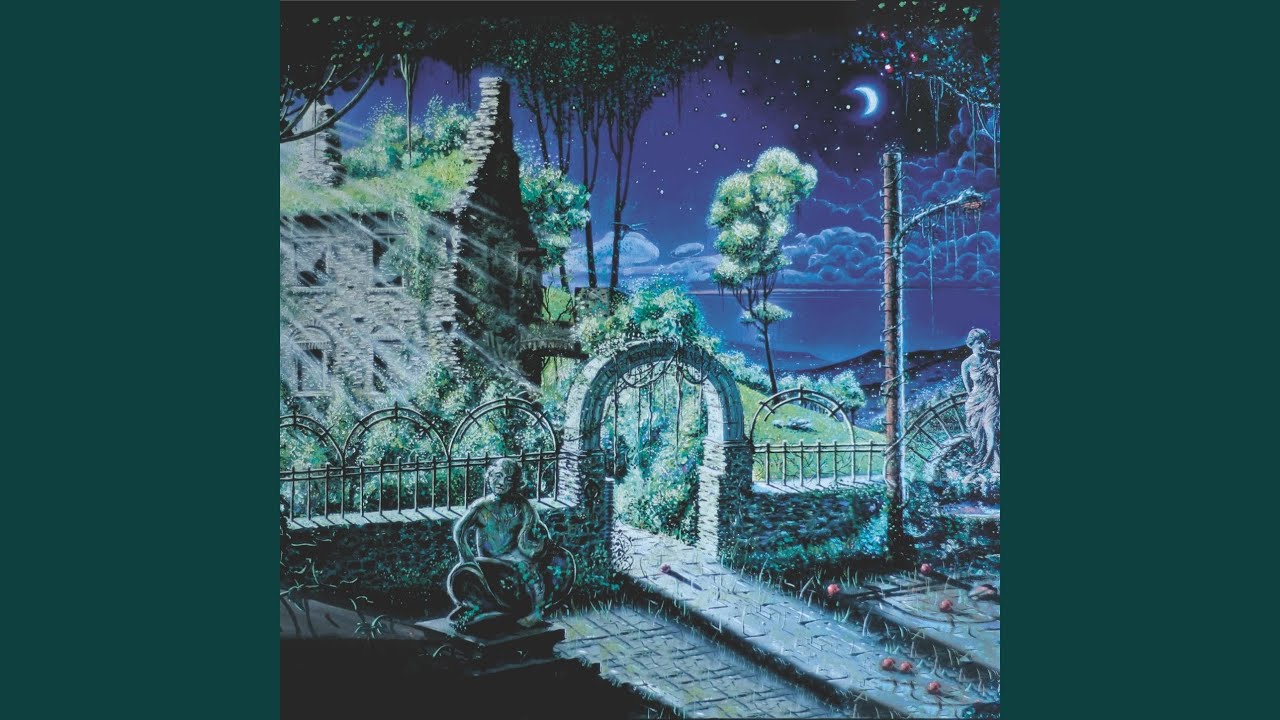
Masters Of Reality’s debut album was also self-titled, but is sometimes known as The Blue Garden after one of its key tracks and its cover art. The band, from Syracuse, New York, were led by vocalist/guitarist Chris Goss, who later worked with Josh Homme as producer of both Kyuss and Queens Of The Stone Age.
Masters Of Reality took their name from a Black Sabbath album and their cues from Cream and The Doors.
As Rubin freely admitted: ”They sound like a throwback, but they’ve been doing what they’re doing for so long that this is just what they are. There are a lot of young bands now who have a ’70s sound – they’re throwbacks. The Masters were playing this shit in the ’70s, so they’re kinda staying where they are. And it’s a deep album.”
British heavy metal band Wolfsbane were fronted by Blaze Bayley, who would go on to replace Bruce Dickinson in Iron Maiden. Rubin signed Wolfsbane after no major record company in the UK showed any interest.
“It’s a poor reflection on Britain that they didn’t get a deal,” Rubin said. “But if they had, I don’t know how great it would’ve been for them. We went through a lot to get them where they are now, and without that time spent developing the Wolfsbane sound, they’d still probably sound pretty much like their first EP (the independently-released Wasted But Dangerous]. Songs come and go but artists stay, and that’s what I base my signings on. I want great albums.”
Rubin also extended Def American’s reach by signing controversial comedian Andrew Dice Clay and producing his live album Dice. Rubin compared Clay to another notorious American comedian of that era, Sam Kinison.
“Andrew Dice Clay is, in a lot of ways, more offensive than Sam Kinison,” Rubin said. “But Dice can appeal to a wider audience because, disgusting as he is, he's preaching a lot of redneck values, whereas Kinison preaches a lot of rock ’n’ roll attitude. I mean, taking drugs isn't even a rock ’n’ roll attitude any more, so Kinison is really limiting himself.”
He added: “Def American is probably the only label that would put Dice’s record out. And I think it fits.”
Asked if Def American had a collective identity, Rubin replied: “There’s a thread. I produce all the records, so there’s an identifiable sound, although that may change when more bands are signed and other producers are needed.”
Rubin’s own production hallmarks were a streamlined power and a spartan, crystalline definition. He stripped each group’s sound to its essence, never more so than with The Cult on Electric.

“I tried to make The Cult sound like a rock ’n’ roll band,” he said. “I know a lot of people like The Manor Sessions [an earlier version of the Electric album, produced by Steve Brown], but that’s not rock ’n’ roll as I know it.”
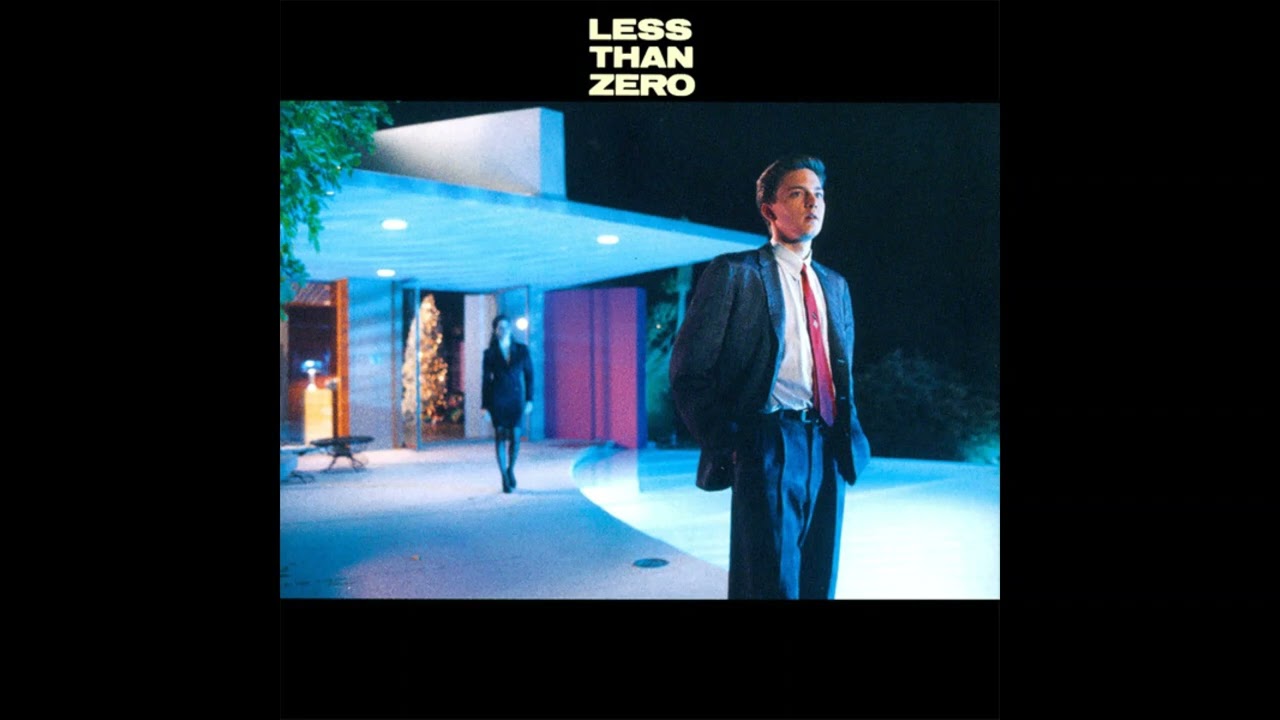
Rubin also talked about his work with legendary singer Roy Orbison on the song Life Fades Away from the soundtrack to cult movie Less Than Zero. The song was written by Orbison with Glenn Danzig.
This collaboration was a sign of what was to come when Rubin produced other iconic veteran artists such as Johnny Cash, Donovan and Neil Diamond.
Rubin told Sounds: “I really enjoyed producing that song for Roy Orbison, with strings and choir back-up. I really liked him. He was a great guy, no pretensions, no difficulty. I went to Roy’s house with Glenn Danzig. Glenn had written the song. We practised it and Roy changed some of the words to fit his personality.
"It was unusual for me working with someone from that era. The majority of people I’ve worked with are in their late teens or early twenties. If anything, it was easier working with Roy, because young artists are so headstrong and sometimes it’s hard to help them, whereas Roy believed in himself enough to try different things.”
At the end of the Sounds interview, Rubin looked to the future.
“I couldn't be any more hands-on,” he said. “I need to develop a system where I don’t have to focus on things that I shouldn’t, like guitar strings. But think it’s good that I have a relationship with my bands where they call me about everything. That helps.
“On a regular record label, there are different departments: A&R, marketing, video – and very rarely do they all tie together. I think it’s important that the whole package stems out of the band, and I like to see projects through from beginning to end.”
And what was it that best defined Rick Rubin and Def American?
He said it very simply: ”I have pretty aggressive tastes.”
