
There have been more accomplished singers than Bon Scott. Better looking singers, for sure. There have been bigger stars and more flamboyant showmen. But for many – especially those who knew him, or those who saw him fronting AC/DC in the ’70s – there was no cooler rock ’n’ roll star than Bon Scott.
His death on 19 February 1980, at the age of 33, was sudden and shocking. So many years later it remains a subject of mystery and rumour.
But as AC/DC rock on without him – a bigger band than Bon could ever have imagined, their live performances still packed with so many of the songs that he put his heart and soul into – so the legacy and the legend of Bon Scott lives on.
He wasn’t a big man. He stood just 5’5 in his lurex socks. But if ever a rock star deserved the epithet ‘larger than life’, it was Bon.
He was a natural, a one-off, with a special kind of charisma. When he strutted on stage, bare-chested, dripping sweat and oozing machismo, he was effortlessly in control.
He was, as Def Leppard singer Joe Elliott said, “born to do it.” But unlike so many rock stars, Bon Scott never lost touch with reality. Typical of a man born in Scotland and raised in Australia, two places where pretentiousness is rarely tolerated, he had no airs and graces. To the end, he was a genuine working class hero.
Bon was, in his own words, “a rocker, roller, right out of controller”, and he embraced the rock ‘n’ roll lifestyle wholeheartedly.
He drank whiskey for breakfast, tried every drug known to man, and very much enjoyed the company of women. His personal best, according to former AC/DC bassist Mark Evans, was three different girls each day for four days straight.
The band’s lead guitarist Angus Young described Bon, with no little affection, as “the dirtiest fucker I ever knew”. But as Angus Young would be the first to say, there was more to Bon Scott than a legendary flair for excess.
Above all else, Bon was a singer and lyricist of complete authenticity. UFO bassist Pete Way, a close friend of Bon’s, said simply: “He lived what he sang about.”
The highs and lows, the hellraising and womanising, the dreams and hardships: it was all there in AC/DC’s songs. And whatever story he was telling – recalling comical sexual exploits in Whole Lotta Rosie or the grind of poverty in Down Payment Blues, acting tough in Live Wire or, at his most vulnerable, giving into road-weary loneliness in Ride On – Bon was always believable, his voice weighted with experience.
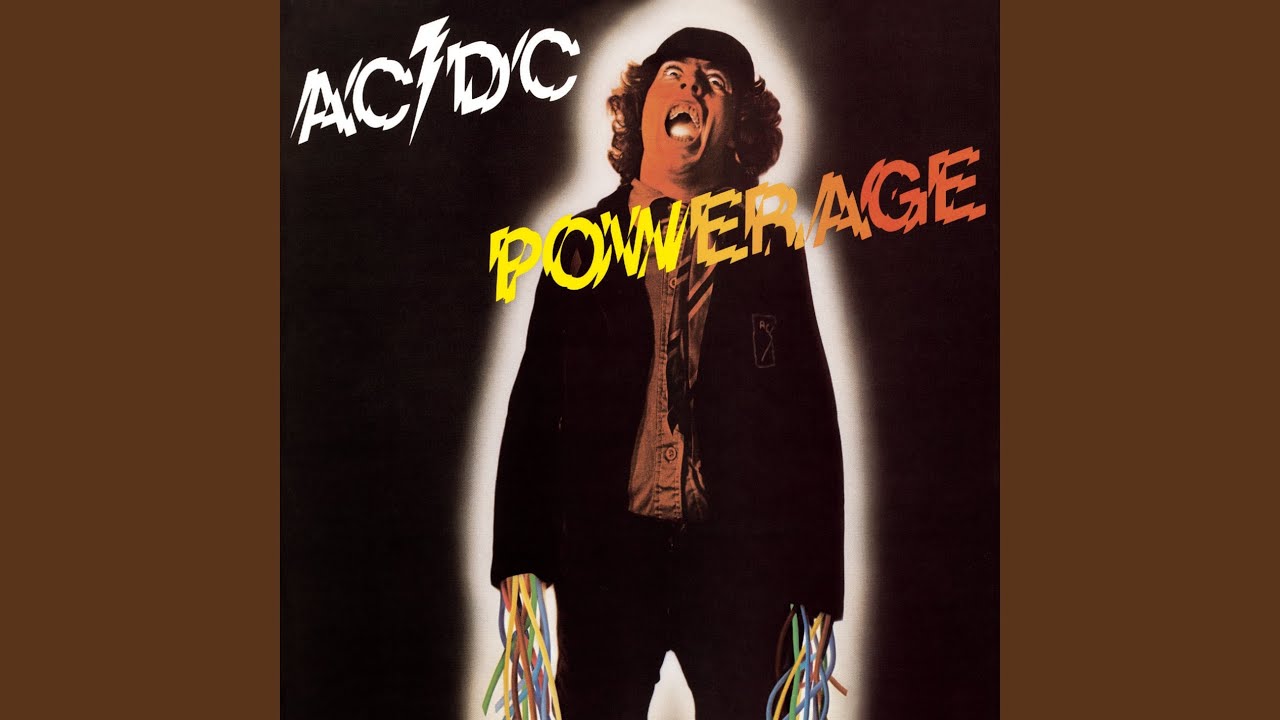
Bon dryly referred to himself “toilet wall graffitist”, but in Angus Young’s opinion, “Bon moulded AC/DC, gave the band its flavour.”
Perhaps it was inevitable that the life Bon sang of would end as it did, after one drunken night too many. But if it was a life that ended too soon, it was also a life that Bon Scott lived to the full.
He was born Ronald Belford Scott on 9 July 1946 in Kirriemuir, a small town in southeast Scotland. His father Charles, known to all as ‘Chick’, and mother Isobelle, known as Isa, had married in 1941 while Chick was on leave from the British army during World War II.
The Scotts’ first son Sandy died after nine months, but Ron, as his mother always called him, was a healthy lad, and fiercely independent.
“He used to never come home from school,” Isa recalled. “He’d just go off with his little mates.”
He also loved watching his father play drums in a traditional pipe band that marched in the town square every Saturday, and would mimic the old man by banging on a biscuit tin.
In 1952, after Isa had given birth to another boy named Derek, Chick Scott moved his young family to Australia, tempted by the prospect of a better life. They settled in Sunshine, a blue-collar district of Melbourne, and here, young Ron began honing his drumming skills on a kit bought by his parents.
After four years in Melbourne, the family moved again, travelling 1700 miles to Fremantle, a port town near Perth. At the age of 10, Ronald still had a strong Scottish accent, and his new school classmates quickly picked up on it, nicknaming him ‘Bonnie Scotland’. Later shortened to Bon, the name stuck.
By the time Bon reached his teens, the rock ‘n’ roll age was in full swing. Leaving school at 15, he grew his hair and paid for his first tattoo by working as a farm hand.
Cocky enough to jump on stage at local dance events to sing new rock ‘n’ roll hits like Long Tall Sally, Bon never had any trouble getting girls. But at 16 he was charged with unlawful carnal knowledge and giving a false name to the police, and was sent to a young offenders’ institute for nine months. Knowing how much this hurt his parents, he vowed to clean up his act.
As a young man, he worked various jobs, including a stint as a postman, but rock ‘n’ roll was his calling. In his first band, The Spektors, he’d sing and play drums. But when he joined bubblegum pop act The Valentines in 1967, he switched to full-time singer, sharing the spotlight with co-lead vocalist Vince Lovegrove.
“It wasn’t because I wanted to be up front,” Bon said. “It was because the singer used to get more chicks.”
When The Valentines split in 1970, Bon joined Fraternity, a new band from Adelaide with a more serious, modern-thinking mindset. They lived on a hippie commune, enjoying a rural lifestyle to which Bon adapted easily.
It was here that Bon met Irene Thornton during one of many house parties. Bon was in a bedroom sucking another girl’s toes when Irene stumbled upon him, but within months he and Irene were living together at the commune, and on 24 January 1972 they were married.
Neither the marriage nor Fraternity were built to last. Following a disastrous European tour in 1972, the band fizzled out.

Forced to work at a fertiliser plant to make ends meet, Bon became disillusioned and embittered, drinking heavily and arguing constantly with Irene. After one drunken row, Bon fled on his Triumph motorcycle, crashed into an oncoming car and ended up in a coma for three days. Irene helped him recuperate, but they were soon divorced.
At 27, Bon was out on his own: no wife, no band, nothing but a nagging feeling that his dream of being a rock ‘n’ roll star was slipping away.
It was in the summer of 1974 that Bon’s luck changed.
Vince Lovegrove was now working as a concert promoter, and as a favour had hired Bon to run errands. Unknown to Bon, Vince knew that a young Aussie band named AC/DC were looking to replace their singer, and had recommended Bon.
Vince suggested that Bon check out AC/DC at Adelaide’s Pooraka club, but Bon didn’t like what he’d heard about the band – that they had a wannabe pop star for a lead singer and a 15 year-old guitarist who wore a schoolboy’s uniform on stage.
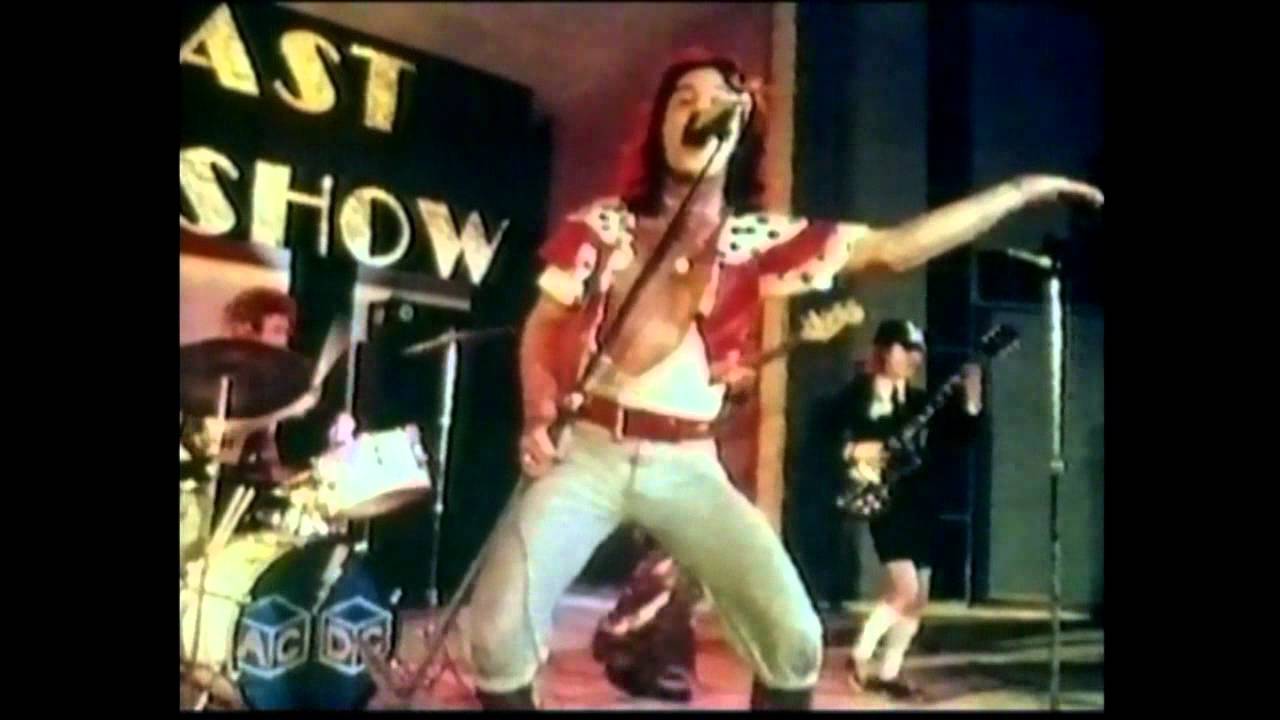
Bon dismissed them as “a gimmick band”, but he went to the show, and was surprised. He thought the singer, Dave Evans (no relation to Mark), was useless. But the band… they had something.
When the gig was over, Bon went backstage and got talking to the two guitarists, brothers Malcolm and Angus Young.
“I took the opportunity,” he said, “to explain to them how much better I was than the drongo they had singing for them!”
All it took was one rehearsal for Malcolm and Angus to decide that Bon was their man. Within a couple of weeks AC/DC were back on stage at the Pooraka with Bon as their new singer.
The Young brothers might have had their doubts about Bon – “He’s too old!” they sneered when Vince Lovegrove first suggested him. But after that first gig they knew they’d made the right choice.
Wearing a pair of Irene’s old knickers on stage, Bon proved, in the most literal sense, that he had the balls for the job. He performed with a manic energy that night, some of which could be attributed to nerves, especially as Bon must have sensed that this could be his last chance. But as Angus later recounted, Bon did give himself a head start in the dressing room before they went on – sinking two bottles of bourbon, snorting cocaine and speed and smoking a joint before roaring, “Right, I’m ready!”
That was Bon’s way. He was always up for a good time. And now that he had found the perfect rock ‘n’ roll band in AC/DC, everything he’d ever dreamed of was about to come true.
On AC/DC’s first internationally released album, High Voltage, Bon summed up his own personal struggle in the opening track It’s A Long Way To The Top (If You Wanna Rock ‘N’ Roll).

Before joining AC/DC, he’d grafted for years and gotten nowhere. But once AC/DC built up a head of steam, begun with a groundbreaking trip to London in the summer of ’76, their rise was fast and inexorable.
They released four classic albums in three years: Dirty Deeds Done Dirt Cheap (1976), Let There Be Rock (1977), Powerage (1978) and the phenomenal live set If You Want Blood You’ve Got It (also ’78).
It was on stage that the band really made its reputation. AC/DC toured relentlessly, and even for Bon, a hardened a road dog, the schedule was punishing. Interviewed in 1978, he confessed: “I’ve been on the road for 13 years. Planes, hotels, groupies, booze, people, towns: they all scrape something from you.”
Bon coped in the only way he knew how. As Pete Way later recalled: “We were all big drinkers, and Bon always went for it. I remember Angus saying to me once, ‘Y’know, Bon’s been drunk three times today. He got up, got drunk, went back to bed, got up, got drunk. He did that three times.’”
Joe Elliott remembers Bon differently. Elliott was just 20 when Def Leppard supported AC/DC on their 1979 UK tour, and he has fond memories of Bon’s generosity.
“Bon liked a drink,” Joe said, “but he wasn’t just a wild man. He was great to us. He’d ask us, ‘Got any money?’ When we said no, he’d pull out a huge wad of tenners and give us 20 quid to buy some beers. And he wasn’t just being flash.”
On that tour, AC/DC were promoting Highway To Hell, the album that became their first million seller and their major breakthrough in America.

Sadly, this would prove to be Bon Scott’s last hurrah.
After the tour, he headed back to Australia for Christmas before returning to London, where he’d recently bought a new flat in Victoria, and where AC/DC were preparing a new album.
Bon was excited about the new material and had told his mother back in Australia, “This one is going to be it!” But on 18 February 1980, what started out as just another night on the town ended in Bon’s death.
What happened that night has been a source of conjecture for decades, but what is certain is that the last person to see Bon alive was Alistair Kinnear, a friend of Bon’s ex-partner Margaret ‘Silver’ Smith.
According to the testimony Kinnear gave to police, he and Bon went drinking in Camden before Kinnear drove to Bon’s place in Victoria. Unable to rouse Bon, who had passed out drunk, Kinnear then headed to East Dulwich, where he lived in a third floor flat at 67 Overhill Road. Failing again to wake Bon or move him from the car, Kinnear claimed he covered the singer with a blanket and went up to his flat to sleep. He returned to the car at 7.45pm the next evening.
“I knew something was wrong immediately,” Kinnear told the London Evening Standard.
Bon Scott was pronounced dead on arrival at the nearby Kings College Hospital. The coroner reported “death by misadventure”, citing “acute alcohol poisoning”.
However, when Classic Rock investigated Bon’s death in 2004, Pete Way and his former UFO bandmate Paul Chapman offered a different version of events. Back in 1980, both Way and Chapman were using heroin, and both claim that Bon was in contact with a heroin dealer, although neither could recall seeing Bon use the drug.
Moreover, they alleged that they were informed of Bon’s death on the morning of 18 February, many hours before Alistair Kinnear reported discovering the body.
Given that Way and Chapman were heroin addicts, their testimonies remain open to question.
Further complicating the story is the mystery surrounding Alistair Kinnear, who fled London shortly after Bon’s death.
Clinton Walker, author of the Bon Scott biography Highway To Hell, told Classic Rock: “I met the guy who might have been ‘Kinnear’, but that feeling is based on no real evidence, just a hunch.”
The mystery deepened in 2005 when Spanish journalist Maggie Montalbano presented a new interview with Kinnear to Classic Rock’s sister title Metal Hammer in which Kinnear stated: “I am not hiding from anyone.”
Kinnear said he had been working as a musician on the Costa del Sol for 22 years, and offered an account of the events of February 1980 that matched his original statement to the police.
“I truly regret Bon’s death,” Kinnear said. In conclusion, he stated: “We should all take better care of our friends, and err on the side of caution when we don’t know all the facts.”
Many questions have remained unanswered on the exact circumstances of Bon Scott’s death. In the years that followed, Angus and Malcolm Young steadfastly refused to comment on the rumours.
Bon Scott was cremated in Fremantle, and with the blessing of Bon’s father, AC/DC continued with a new singer, Brian Johnson – a guy that Bon had once raved about, having seen Brian singing for Geordie during Fraternity’s UK tour in ’72.
Five months after Bon died, the band released their comeback album Back In Black, described by Angus as “our dedication to Bon”.
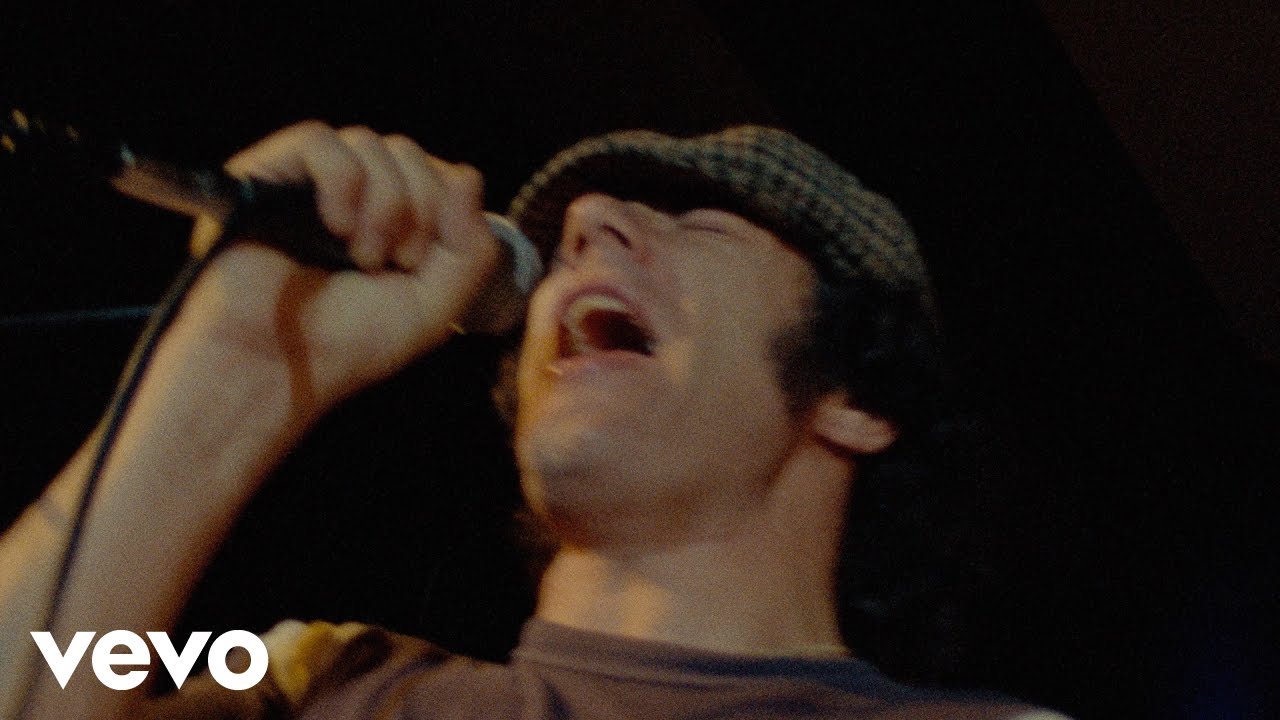
Back In Black would go on to sell over 50 million copies worldwide, making it the most successful rock album of all time.
“I just wish that Bon could have experienced that kind of success,” said Joe Elliott. “Not to be a millionaire, but to get up in front of a really big crowd and finish what he started.”
Certainly, Bon’s old bandmates always felt this. Speaking of Bon in a 1980 interview, Angus Young said sadly: “He really hadn’t reached his peak.”
It was a tragedy that Bon never lived to see AC/DC become the biggest rock ‘n’ roll band in the world. How he would have loved that. But for all his bravado, there was another side to Bon that was hidden from all but a few of his closest friends.
Long after his relationships with Silver and Irene broke down, Bon wrote letters to them from all over the world, in which he spoke of loneliness, a longing for something more than an endless string of one-night stands.

With one old friend, Fraternity bassist Bruce Howe, Bon talked of having kids and buying a place in out in the country where he could escape the madness of the rock ‘n’ roll life. It would never happen.
Nobody who knew Bon Scott ever had a bad word to say about him. He was such a charmer, the classic loveable rogue, that the other guys in AC/DC dubbed him ‘Bon The Likeable’.
Former Sounds journalist Phil Sutcliffe, an early champion of AC/DC, said of Bon: “He was so eccentric, and yet so down to earth. Wherever he was, he made people feel good.”
In 1980, Brian Johnson revealed that when he was recording Back In Black, he believed that Bon was watching over him.
In a sense, Bon’s spirit will always be with AC/DC whenever they play those great old songs: Whole Lotta Rosie, Highway To Hell, Dirty Deeds Done Dirt Cheap, Hell Ain’t A Bad Place To Be, The Jack, Let There Be Rock.
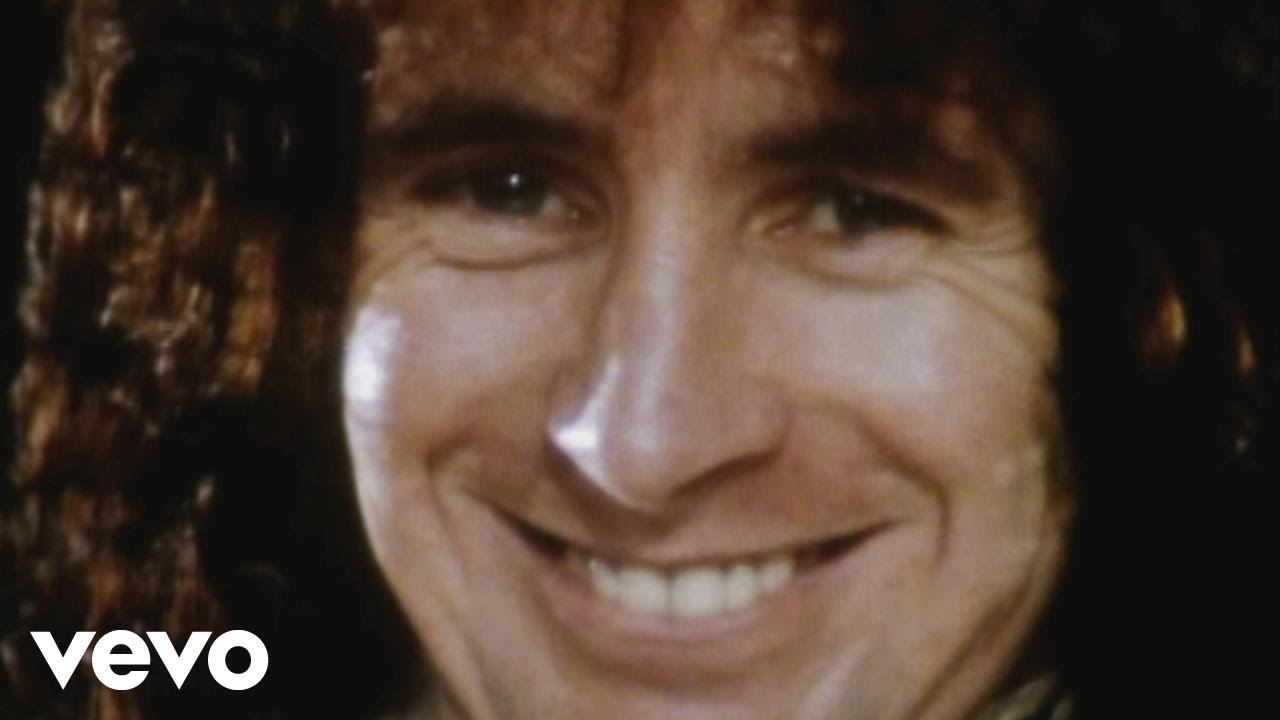
“Bon joined us pretty late in his life,” said Angus Young. “But that guy had more youth in him than people half his age. That was how he thought, and I learned from him.”
It was a long way to the top, but Bon Scott made it.
